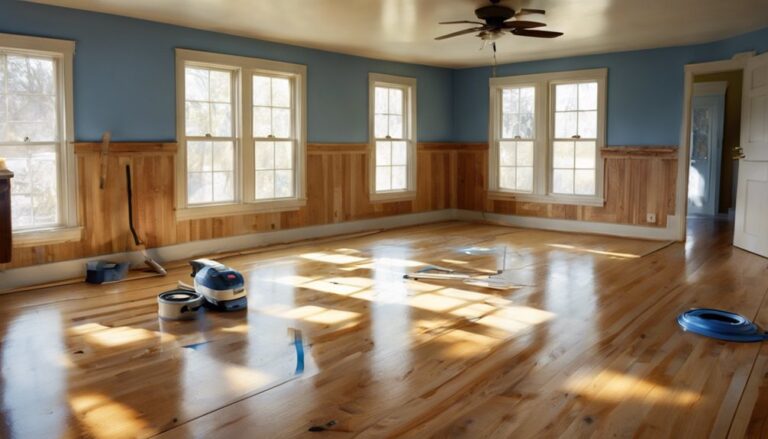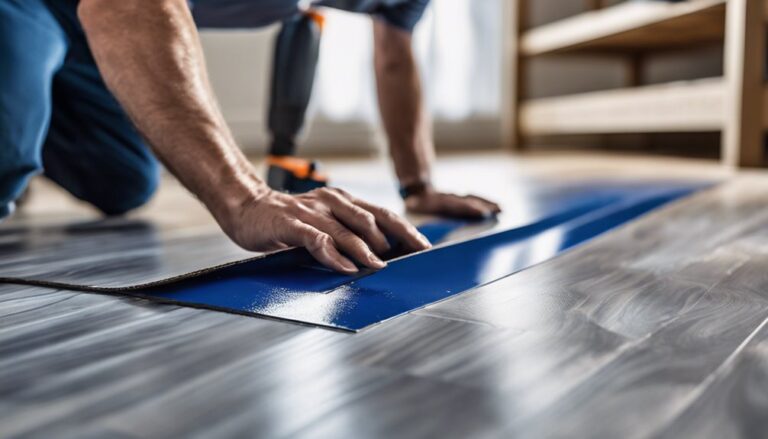

Imagine walking through your home, only to be greeted by the familiar creak of the floorboards under your feet. It’s a sound that can be both comforting and concerning.
Are those squeaky floors just a minor annoyance, or could they be hinting at a deeper structural problem? As you ponder this question, you’re not alone. Many homeowners share your concern about what those squeaks might mean for the integrity of their homes.
We’ll delve into the heart of the issue, exploring the causes behind squeaky floors and uncovering whether they signal a need for urgent repair. You’ll gain insights that could save you time, money, and future headaches, ensuring your home remains a safe haven. So, let’s get to the bottom of this common household mystery together.
Causes Of Squeaky Floors
Wood changes size with the seasons. Hot weather makes wood expand. Cold weather makes it shrink. This is normal behavior for wood. But sometimes, the changes cause squeaks. The noise comes from wood rubbing against other pieces. It can also come from nails moving in their holes.
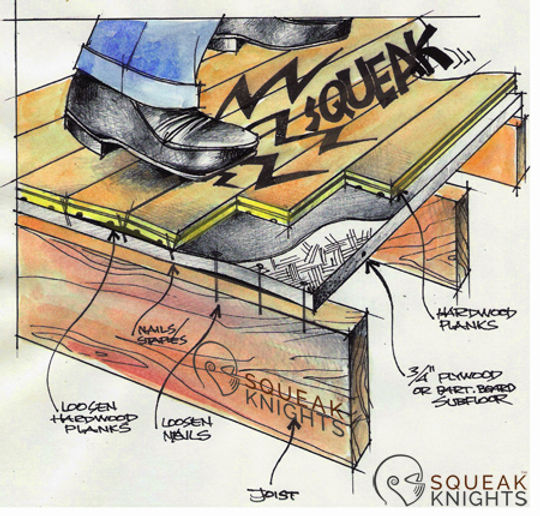
Floorboards can become loose over time. Walking on them makes them move. Movement causes noise. Loose nails can be a reason. Or, the wood may not fit tightly anymore. A simple fix is to tighten or replace nails.
The subfloor is under your main floor. If it is not firm, it can cause squeaks. Gaps between subfloor and joists lead to noises. Proper installation can prevent this. But sometimes, adjustments are needed.
Types Of Flooring And Squeaks
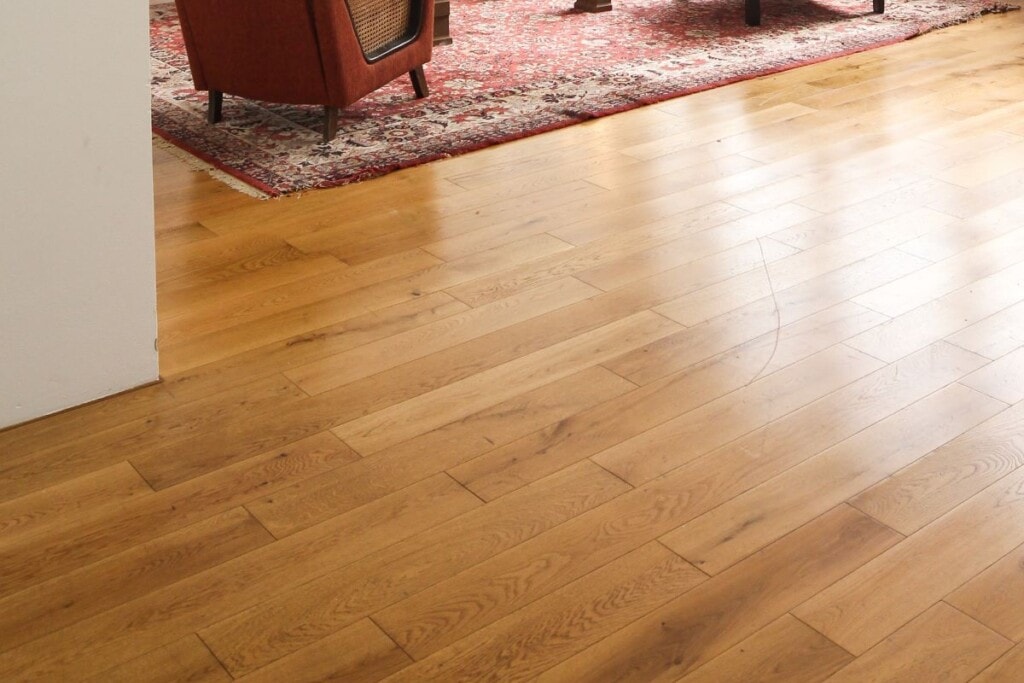
Hardwood floors can be very beautiful. Yet, they might make squeaky sounds. This happens when the wood dries out. Wood shrinks and then spaces appear. Small gaps can cause the boards to rub. This rubbing makes a squeaky noise.
Laminate and vinyl floors can also squeak. These materials rest on a foam layer. Foam can compress over time. This causes the floor to move a bit. Movement leads to squeaks. Small movements make big noises.
Carpeted floors can hide squeaks well. But, they can still occur. The wood below might be loose. Loose boards move and rub. Rubbing under the carpet creates squeaky sounds. Fixing might need checking the wood below.
Structural Concerns
Squeaky floors can be annoying. But are they dangerous? Most of the time, they are not a big deal. Squeaky floors happen when wood rubs against metal or other wood. If the squeak is loud and constant, it might be time to check. Loud noises can be a sign of a bigger problem. Pay attention if the floor sinks when you walk. That can mean a weak spot.
Cracks are never good. If you see big cracks, worry. Uneven floors can be a problem too. They might mean the house is settling wrong. If doors don’t fit, it’s a clue. Sometimes the wall will crack near the door. This can be serious. Water damage can also cause squeaks. Look for water stains or mold.
If you’re unsure, get help. Professionals know what to look for. They can tell if it’s a small fix or a big repair. It’s better to be safe than sorry. A quick check can save money later. Home inspectors and contractors can help. They will look at the whole house. They find problems that you might miss.
Diy Fixes For Squeaky Floors
Use talcum powder to silence squeaks. Sprinkle it on the floor. Sweep it into cracks. This helps reduce friction. Try placing thin shims under the floorboards. These shims add pressure and stop noise. Check if loose nails cause the squeak. Hammer them back in place gently.
- Talcum powder
- Hammer
- Thin shims
- Screwdriver
- Wood screws
- Locate the squeaky spot on the floor.
- Sprinkle powder over the area.
- Sweep it into the cracks.
- Tap any loose nails back in place.
- Slide shims under the floorboards if needed.
Professional Repair Options
Finding the right contractor can be hard. It’s essential to choose a skilled professional. Experience in floor repair is vital. They can identify the root cause of the squeak. A good contractor can fix the issue without causing more problems. Always check reviews before hiring. Ensure they have a valid license.
Repairing squeaky floors can vary in cost. Materials and labor fees affect the price. Some quick fixes are cheaper. Major repairs may cost more. Budgeting is important. Get multiple quotes from different contractors. Compare prices and services offered. Quality work may save money in the long run.
Addressing squeaky floors requires effective solutions. Using quality materials ensures durability. Regular maintenance can prevent future squeaks. Consider inspections to catch early signs of damage. Investing in long-lasting fixes can save time and money. Expert advice helps in choosing the right approach.

Preventing Future Squeaks
Keeping floors clean helps prevent squeaks. Dust and dirt can cause noise. Check for loose nails or boards often. Tighten them to keep floors quiet. Use a soft mop to clean. Avoid using too much water. This keeps wood from swelling. Swollen wood can squeak more.
Solid wood is a good choice. It reduces squeaks. Laminate floors also work well. They are less likely to squeak. Use thick underlayment for better results. It adds a cushion. This helps in reducing noise. Make sure to pick quality materials. They last longer and need less care.
Install floors properly to avoid squeaks. Use the right tools. Hammer nails in fully. Ensure boards are evenly spaced. Leave a small gap. Wood needs space to expand. This stops squeaks. Glue edges for extra hold. Follow the instructions carefully. A good installation can make a big difference.
Frequently Asked Questions
What Causes Squeaky Floors?
Squeaky floors are usually caused by loose floorboards or subfloor issues. As the boards move, they rub against each other or nails. This creates the annoying squeaking sound. Changes in humidity or temperature can also contribute to this problem, causing the wood to expand or contract.
Are Squeaky Floors A Serious Issue?
Squeaky floors are generally not a serious structural issue. They are mostly a cosmetic annoyance. However, they can indicate minor problems like loose floorboards. If ignored, these could worsen over time. Regular maintenance and inspection can prevent the squeaks from becoming a bigger issue.
How Can I Fix Squeaky Floors?
Fixing squeaky floors often involves tightening loose boards or adding screws. This helps stabilize the floor. Lubricating the floorboards with talcum powder can also reduce noise. In some cases, professional help might be needed for more complex issues, especially if subfloor problems are involved.
Do Squeaky Floors Affect Home Value?
Squeaky floors can affect home value by giving an impression of poor maintenance. Potential buyers might see them as a sign of neglect. Fixing squeaky floors before selling can help maintain or even increase your home’s value. It’s a small investment that can yield significant returns.
Conclusion
Squeaky floors can be annoying, but they’re often not a big worry. Most times, they don’t mean your home has a structural problem. They happen because of small gaps, loose nails, or changes in weather. Regular checks can keep squeaks away.
Sometimes, fixing squeaky floors is easy with a few adjustments. Always check your home’s structure if unsure. Peace of mind is important. Fixing squeaks can make your home feel better. Enjoy a quiet walk without the squeak. Keeping your floors in good shape is simple and rewarding.