
Imagine this: you’ve just installed stunning vinyl plank flooring in your home. It’s beautiful, durable, and adds a touch of elegance to every room.
But here’s the catch—if you clean it the wrong way, it might lose its charm. Understanding what you should not use to clean your vinyl plank flooring is crucial to maintain its look and lifespan. In this guide, you’ll discover the cleaning mistakes to avoid so you can keep your floors looking pristine.
You might be surprised by some common cleaning agents that can actually harm your floors. With these insights, you’ll be equipped to make smarter choices that protect your investment. Ready to safeguard your beautiful floors and avoid costly mistakes? Let’s dive in!
Harsh Chemical Cleaners
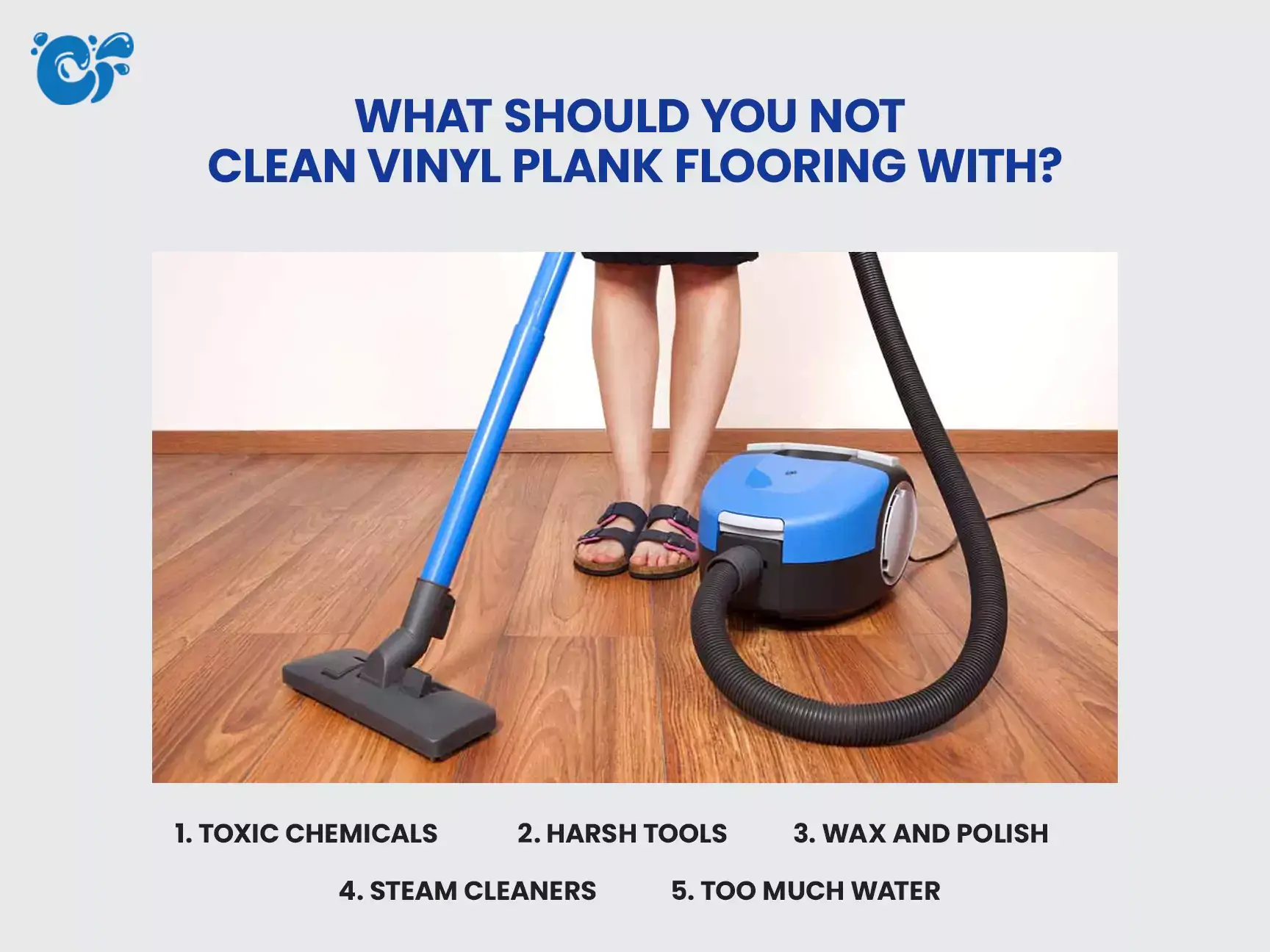
Harsh chemical cleaners can harm vinyl plank floors. They might cause dullness and damage. Floors could lose their shine. Strong chemicals can eat away the protective layer. This makes the floor look old. Gentle cleaning is best for vinyl. Bleach and ammonia are too strong. They might make the floor look faded. Avoid abrasive cleaners as well. They can scratch the surface. Small scratches make the floor rough. Mild soap and water is a safer choice. It keeps the floor clean and shiny. Use soft cloths or mops for cleaning.
Steam Mops
Steam mops are not safe for vinyl plank floors. The high heat from steam can damage the floor. It can cause the planks to warp or bend. This can make the floor look bad. It might even ruin it. Steam can also get into the cracks. This can make the floor weak over time. It’s important to use gentle cleaning methods. This will keep your floors looking nice. Stick to a mop with a soft cloth. Use gentle cleaners. This helps protect your floor. Keeping your floor dry is very important. Always dry your floor after cleaning. This prevents water damage. Your floors will last longer if you care for them properly.
Abrasive Scrubbing Tools
Avoid using abrasive scrubbing tools on vinyl plank floors. These tools can scratch the surface. Scratches make floors look old and worn. Use soft cloths or mops instead. They keep the floors safe and clean. Hard brushes are also not a good idea. They can damage the floor’s finish. A gentle touch is all you need. Remember, vinyl is tough but not invincible. Gentle cleaning keeps it looking new.

Wax And Shine Products
Vinyl plank floors look shiny naturally. Waxing can damage their surface. Wax leaves a sticky residue on the floor. This attracts dirt and dust. It makes cleaning harder. Shine products can create a slippery surface. This can be dangerous. Kids might slip and fall. Pets can also slide around.
Many shine products contain chemicals. These chemicals can harm the floor’s finish. They might change the color of the vinyl. Some might even make it fade. Avoid these products to keep the floor safe. Stick to simple cleaning methods. Use a damp mop for cleaning. This keeps the floor looking great.
Bleach And Ammonia
Bleach is a strong cleaner. It can harm vinyl plank floors. The color may fade. The floor can lose its shine. Ammonia is also dangerous. It can make the floor dry. This causes cracks over time. Always keep these cleaners away. Use safe products instead. Warm water is a good choice. Mild soap works well too. Protect your floor. It will last longer. Clean with care. Your floor stays beautiful.
Oil-based Cleaners
Oil-based cleaners can harm vinyl plank floors. They leave a sticky residue. This can make the floor look dull. Dust and dirt stick more easily. You want to keep floors shiny, not sticky.
Oil can seep into the seams. This might cause the planks to lift. That’s not good for the flooring. Choose safer options. Use cleaners that say they are safe for vinyl. Always read labels. It’s important.
Vinegar And Acidic Solutions
Vinegar is a common cleaner but not for vinyl floors. It can cause the floor to lose its shine. The acid in vinegar is too strong for vinyl. This makes the floor look dull. Acidic solutions like lemon juice are also bad. They can damage the floor’s surface. Once damaged, the floor looks old and worn. Using these can also make it harder to clean in the future. Always choose a cleaner made for vinyl. This keeps the floor safe and shiny.
Soaking With Excess Water
Water can harm vinyl plank floors. Too much water makes floors swell. It can also cause damage. Wet floors might lose their shine. Water can seep into seams. This can lead to warping. Floors might start to lift. Dry them quickly if wet. Use a damp mop instead. Keep your floors safe. Avoid puddles of water. Use a towel to dry spills. Always protect your floors.
Furniture Polish
Furniture polish makes floors shiny. But it is not safe for vinyl plank. It can make the surface slippery. This is dangerous for walking. It may also cause damage over time. Polish can leave a sticky residue. This residue attracts dirt. It can make the floor look dirty. Cleaners should be safe for vinyl. Choose products made for vinyl flooring. Keep your floor looking good and safe. Always check product labels before using them.
Common Misconceptions
Avoid using abrasive cleaners on vinyl plank flooring as they can scratch the surface. Steer clear of steam mops, which might damage the adhesive. Acidic solutions, like vinegar, can dull the finish over time.
Natural Cleaner Myths
Many think vinegar is safe for vinyl. It can damage floors. Vinegar is acidic. It can wear down the surface. Some suggest using baking soda. It might scratch the floor. Both are not good for cleaning vinyl.
Misleading Cleaning Hacks
Some say hot water is best. Hot water can warp the planks. Others use steam cleaners. Steam can cause buckling. Strong chemicals are bad too. They can fade the color. Always check cleaner labels. Avoid these hacks for safety.
Frequently Asked Questions
Can Vinegar Damage Vinyl Plank Flooring?
Vinegar is acidic and can harm the finish of vinyl flooring. It may cause discoloration and dullness over time. Instead, use a pH-neutral cleaner specifically designed for vinyl flooring to ensure its longevity and appearance.
Is Steam Cleaning Safe For Vinyl Flooring?
Steam cleaning is not recommended for vinyl plank flooring. The high heat and moisture can warp or damage the planks. Opt for a gentle cleaning method with a damp cloth or mop to maintain your flooring’s integrity.
Can Bleach Be Used On Vinyl Flooring?
Bleach is too harsh for vinyl flooring and can lead to discoloration. It might break down the finish, causing damage. Use mild, non-abrasive cleaners specifically formulated for vinyl to keep your floors clean and safe.
Are Abrasive Cleaners Suitable For Vinyl Flooring?
Abrasive cleaners can scratch and damage the surface of vinyl flooring. These cleaners may remove the protective layer, causing wear and tear. Choose gentle, non-abrasive cleaning solutions to preserve the quality of your vinyl floors.
Conclusion
Keep your vinyl plank flooring looking great. Avoid harsh chemicals like bleach. Skip abrasive tools that scratch. Vinegar and ammonia can dull the surface. Cleaners with wax can cause buildup. Use gentle methods instead. Water and mild soap work best.
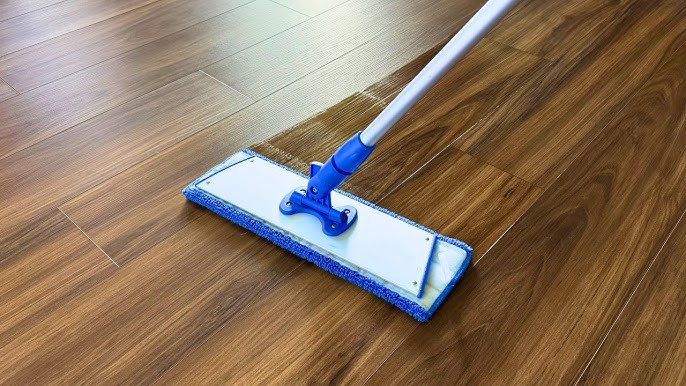
Microfiber mops keep floors shiny. Regular care prevents damage. Protect your investment with smart cleaning choices. Your floors will last longer. They’ll maintain their beauty too. Always follow manufacturer recommendations. They know best. Enjoy your clean and safe flooring. It’s worth the effort.
Happy cleaning!