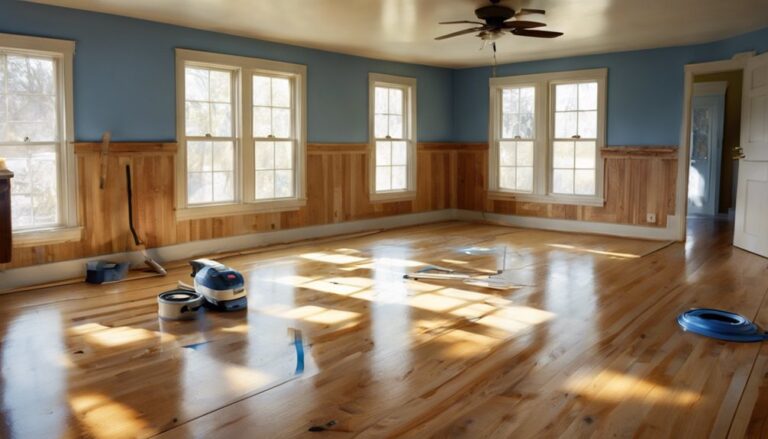

Imagine walking into your home and feeling the warmth and elegance of a timber floor under your feet. It’s a transformation that can elevate any space, offering a blend of beauty and durability.
But how do you achieve this stunning look over a concrete base? You might think it’s complicated, but it’s simpler than you might imagine. With the right guidance and a bit of patience, you can successfully lay a timber floor on concrete and enjoy the timeless charm it brings.
In this guide, you’ll discover the secrets to making your timber floor look professional, even if you’re not an expert. You’ll learn the essential steps, from preparing your concrete surface to choosing the right timber and installation method. This process is not just about creating a stylish space; it’s about making your home feel more inviting and comfortable. As you read on, you’ll find practical tips that can save you time and money, ensuring your new floor stands the test of time. Get ready to unlock the potential of your home with a timber floor that transforms concrete into a masterpiece. Keep reading to uncover the straightforward steps that will guide you every step of the way.
Preparing The Concrete Surface
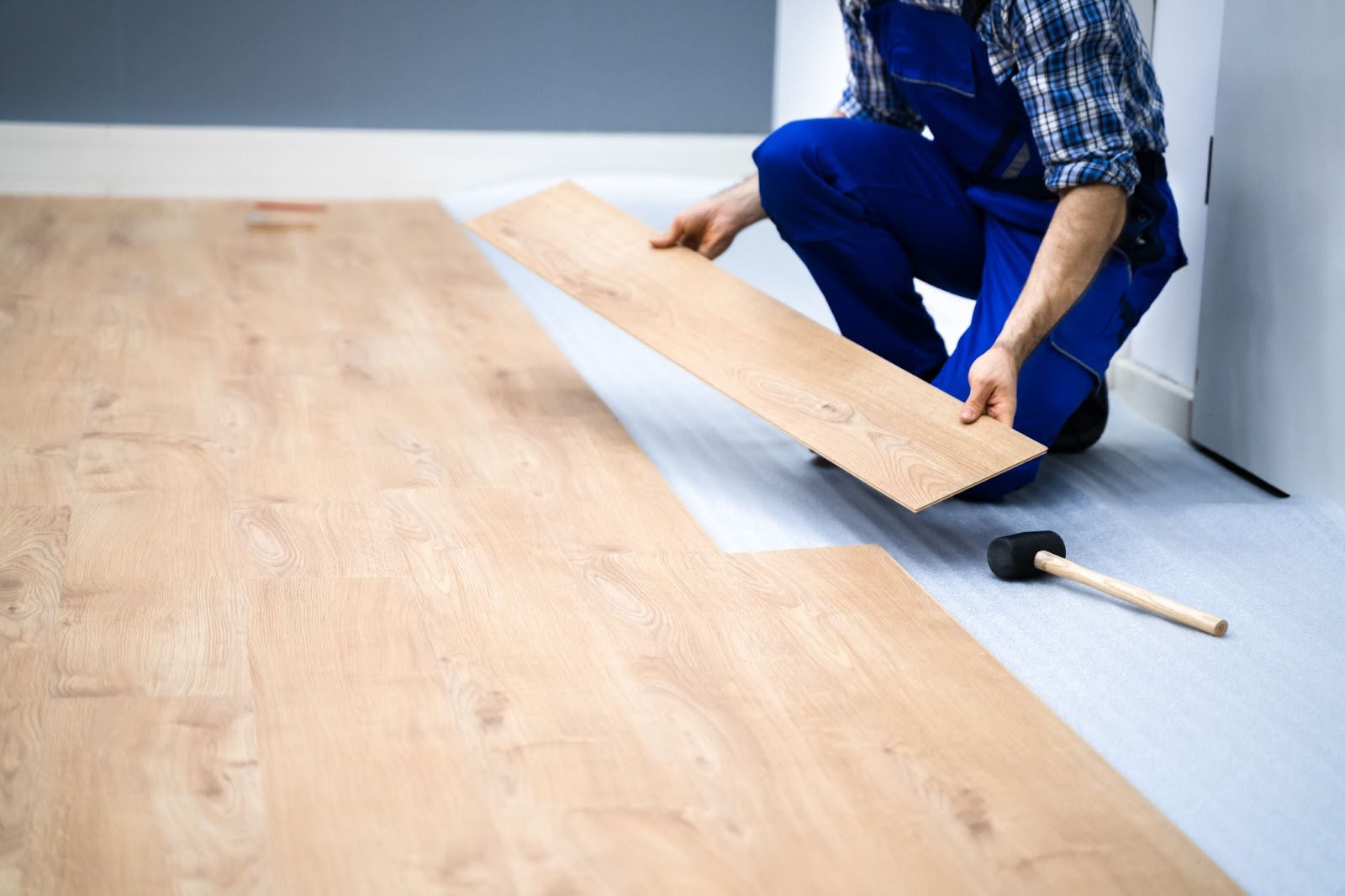
Remove all dirt and debris from the concrete. Use a broom or vacuum for this. A clean surface is important. It helps the timber stick better. Make sure to check corners and edges. These spots can hide dust. Use a damp cloth to wipe the surface. Let it dry completely before moving on.
Moisture can damage timber floors. Use a moisture meter to check. The reading should be low. High moisture means waiting longer. You can also lay a plastic sheet overnight. If it has water droplets in the morning, it’s too wet. This step is very important.
Uneven floors cause problems. Use a long level to check for bumps. Fill low spots with a leveling compound. Spread it evenly over the low areas. Let it dry for the time recommended. After drying, check the level again. A smooth surface is key for a good floor.
Choosing The Right Timber Flooring
Timber flooring comes in many types. Solid wood is one option. It is strong and lasts long. Engineered wood is another choice. It is made of layers. This gives it more stability. Laminate flooring looks like wood. But it is not real wood. It is cheaper and easy to clean. Bamboo flooring is also available. It is eco-friendly.
Think about how the floor looks. Dark woods give a rich look. Light woods make rooms seem bigger. Some woods have unique patterns. This makes floors look special. Choose what you like best.
Durability is important. Hardwood floors are very strong. They can last for many years. Engineered wood is also durable. It handles moisture better than solid wood. Laminate is less durable but easy to replace.
Aesthetics matter too. Some people like glossy floors. Others prefer a matte finish. Wood grains can be bold or subtle. Consider which style suits your space. Remember, the right floor enhances your home.
Gathering Essential Tools And Materials
Start with a measuring tape for precise floor dimensions. A chop saw helps cut the timber to size. A spirit level ensures your floor is even. You’ll also need a rubber mallet to fit the timber pieces snugly. A power drill is essential for securing the timber. Lastly, keep a dust mask for safety.
Gather timber planks of your choice. Choose the right underlay for moisture protection. Use flooring adhesive to stick the planks. Keep nails or screws on hand for extra security. A vapor barrier is also necessary. Don’t forget sandpaper for a smooth finish.

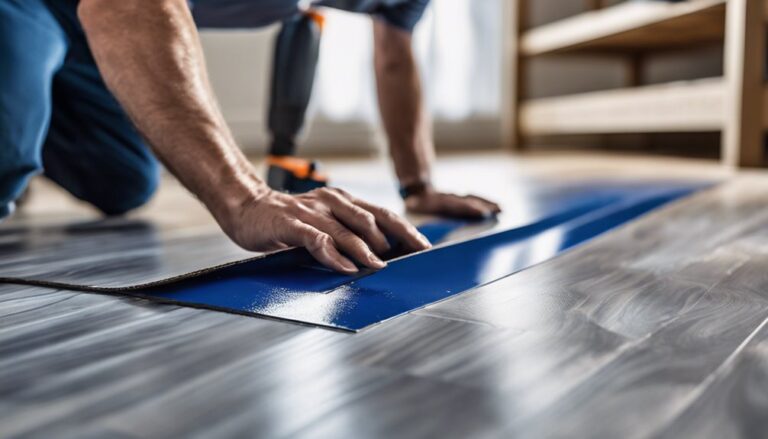
Installing A Moisture Barrier
Protecting timber floors is very important. Moisture barriers are key to this. They stop water from reaching the wood. There are different types of barriers.
Types Of Moisture Barriers
Polyethylene sheets are a common choice. They are plastic and strong. Another type is liquid-applied barriers. These are painted on the concrete. Foam underlays can also be used. They are soft and cushiony.
Application Techniques
Sheets are laid flat over the concrete. Make sure they are smooth. Liquid barriers need a brush or roller. They cover the concrete evenly. Foam underlays are rolled out like a carpet. All techniques should cover the entire area.
Laying The Timber Flooring
Start with a clear plan. Measure the room. Check the shape and size. Decide on how boards will run. Usually, they go lengthwise. Think of light direction. It can affect the look. Visualize the final outcome. Use chalk to mark areas. This helps in keeping track. Make sure all tools are ready. Having everything in reach is important.
The first row is crucial. Align it perfectly. Use spacers for even gaps. Keep boards straight. Nail them down securely. Ensure no board is loose. Check alignment often. This sets the path. Precision here is key. A good start makes everything easier.
Continue by adding more rows. Stagger the boards. This gives strength. Use a tapping block. It helps keep boards tight. Check for gaps. Fill them if needed. Regular checks are vital. Keep measuring as you go. Make sure everything stays aligned. Finish with trim for neat edges. This completes the look.
Securing The Timber To The Concrete
The nail-down method is common for securing timber. First, ensure the concrete is clean and dry. Use a moisture barrier to protect the timber. Next, lay the timber planks on the concrete. Use a hammer drill to make holes through the timber and into the concrete. Then, use concrete nails or screws to attach the timber. Space nails or screws every 6 to 8 inches. This keeps the timber secure and stable. Be careful not to damage the timber with the tools.
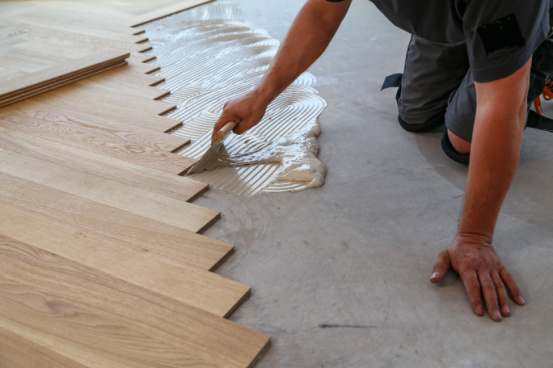
The glue-down method uses adhesive to secure the timber. Begin by cleaning the concrete surface. Apply a moisture barrier for protection. Use a trowel to spread adhesive on the concrete. Place timber planks on the adhesive. Press down to ensure good contact. Leave a small gap between each plank. This allows the timber to expand. Let the adhesive dry completely before walking on the floor. This method reduces noise and movement.
Finishing Touches
Properly trimming and cutting edges is key for a neat finish. Use a sharp saw for clean cuts. Measure twice, cut once. This avoids mistakes. Edges should fit snugly against walls. Leave a small gap for floor expansion. This prevents buckling over time. Smooth out any rough edges. A sanding block helps here. Safety first: wear protective gear when cutting.
Baseboards cover the gap between the floor and wall. They add a finished look. Secure them with nails or adhesive. Choose matching baseboards for a seamless look. Start at one corner and work around the room. Use a level to ensure they are straight. Fill any gaps with caulk. Paint or stain for a polished finish. Check alignment regularly for best results.

Maintaining Your Timber Floor
Keep your timber floor beautiful. Use a soft broom to sweep it daily. A vacuum cleaner with a brush attachment also works well. For deeper cleaning, use a mop with a damp cloth. Avoid using too much water. It can harm the wood. Choose a cleaner made for timber floors. This helps in keeping the shine.
Protect your floor from scratches. Place mats at the door. This stops dirt and stones. Use felt pads under furniture. It stops marks when you move chairs. Trim pet nails to avoid scratches. Keep the floor dry. Wipe spills right away. Water can make the wood swell. Keep your timber floor safe and strong.
Frequently Asked Questions
How To Prepare Concrete For Timber Flooring?
To prepare concrete for timber flooring, clean the surface thoroughly. Ensure it’s dry and level. Apply a moisture barrier to prevent dampness. Use a primer to enhance adhesion. Check for any cracks or uneven areas. Repair them before laying the timber.
Proper preparation ensures a long-lasting floor.
Can Timber Be Laid Directly On Concrete?
Yes, timber can be laid directly on concrete. However, use a moisture barrier to prevent dampness. Concrete must be clean, dry, and level. Install a suitable underlay to enhance comfort and sound insulation. This helps avoid future issues like warping or buckling.
What Adhesive Is Best For Timber Floors?
The best adhesive for timber floors is polyurethane-based. It provides strong bonding and flexibility. Ensure the adhesive is compatible with your flooring type. Check its moisture resistance properties. This prevents future issues like lifting or movement. Always follow the manufacturer’s guidelines for optimal results.
How Long Does Timber Installation Take?
Timber floor installation usually takes 1-3 days. The duration depends on room size and complexity. Preparation of the concrete surface may extend the time. Ensure all materials are ready beforehand. This aids in a smooth installation process, minimizing delays.
Conclusion
Laying timber flooring on concrete enhances home beauty. Follow steps carefully for a smooth process. Prepare the concrete well. Ensure moisture barrier is in place. Use quality materials for durability. Measure accurately to avoid mistakes. Secure each plank firmly. Regular maintenance keeps the floor looking fresh.
A beautiful timber floor adds warmth and style to any space. Enjoy the cozy feel underfoot. Share your experience with friends and family. Timber floors can last for decades with proper care. Embrace the transformation of your living area. Happy flooring!