
Are you worried about the safety of your home because of old asbestos flooring? You’re not alone.
Many homeowners face this challenge. Asbestos was once a popular flooring material due to its durability, but we now know it can pose serious health risks. Removing it safely is crucial. Imagine transforming your space into a safer, healthier environment.
You can protect your loved ones and breathe easy. In this guide, you’ll discover simple, effective steps to remove asbestos flooring, ensuring your home remains a haven for you and your family. Dive in and learn how to tackle this important task with confidence!
Identifying Asbestos Flooring
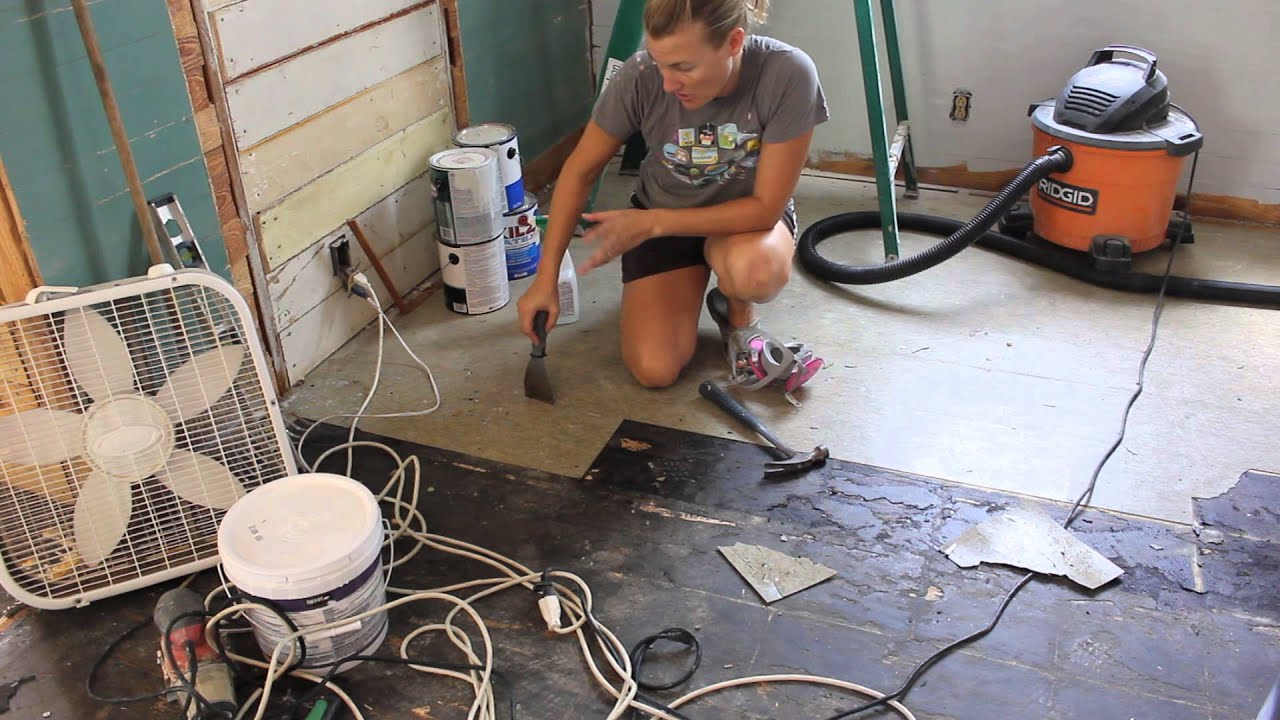
Recognizing asbestos flooring is crucial before removal. Wear protective gear to avoid inhaling harmful fibers. Wet the floor to minimize dust, then carefully peel off small sections. Dispose of materials following local regulations to ensure safety.
Common Types Of Asbestos Flooring
Asbestos flooring often comes in three main types. These include vinyl tiles, sheet vinyl, and asphalt tiles. Each type has its own look and feel. Vinyl tiles are shiny and square. Sheet vinyl is a large sheet that covers the floor. Asphalt tiles are darker and harder. Look for old floors from the 1950s to 1980s. These floors might have asbestos. Always check the age of your floor. If in doubt, ask an expert.
Signs Of Asbestos Presence
Asbestos floors might show certain signs. Cracks or breaks in tiles can be a clue. Old, worn-out tiles can also suggest asbestos. Dark spots on floors are another warning. Sometimes, the floor feels rough or bumpy. This could mean asbestos is present. Safety is key. Always handle with care.
Safety Precautions
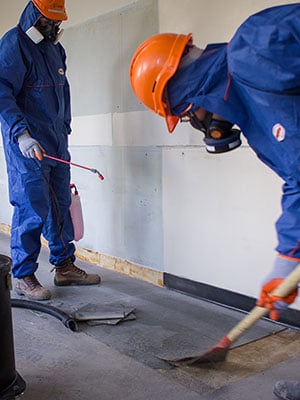
Wearing the right gear is very important. Use a mask to protect your lungs. A respirator is even better. Goggles keep dust out of your eyes. Wear a disposable suit to protect your body. Use gloves to keep your hands safe.
Boots should be strong and cover your feet. Tape your suit cuffs to your gloves and boots. This keeps dust out. Always check your gear before use. Make sure there are no holes.
Close doors and windows. This stops dust from spreading. Use plastic sheets to cover floors and walls. Seal them with tape. Turn off air vents and fans. This keeps dust in one place.
Mark the work area with signs. Let others know about the danger. Keep children and pets away. Set up a small area to clean yourself. Have water and soap ready. Always keep a trash bag handy for waste.
Tools And Materials Needed
You need some important tools to start. Use a utility knife for cutting. A putty knife helps in scraping. Pry bars are useful for lifting tiles. Get a respirator mask for safety. Protect hands with gloves. Safety goggles keep eyes safe. A spray bottle helps wet the floor. This stops dust from flying. Duct tape seals edges. Make sure to have a plastic sheet for covering areas. These tools are crucial for a smooth process.
You will also need some materials. Use plastic bags for waste. Seal them tightly. Disposable coveralls protect your clothes. Keep a bucket with water ready. Wet surfaces reduce dust. Label bags clearly for disposal. A HEPA vacuum is good for cleaning. Duct tape can seal any gaps. These materials ensure safety and cleanliness. Always check local rules for disposal. Follow them to keep safe.
Legal And Environmental Considerations
Removing asbestos flooring involves understanding legal and environmental rules. Proper disposal protects health and the environment. Hiring certified professionals is often required by law to ensure safe removal and disposal.
Understanding Regulations
Understanding regulations is important. Asbestos is dangerous. Many countries have strict rules. These rules keep people safe. Government agencies set these regulations. They decide how to handle asbestos. Asbestos removal often needs a license. Companies must follow safety guidelines. Workers need special training. They use protective gear. This prevents exposure. Breaking rules can lead to big fines. Always check local laws before starting. Knowing the rules helps you stay safe.
Disposal Requirements
Disposing of asbestos is tricky. It can’t go in regular trash. Special landfills are needed. These landfills can handle hazardous waste. Asbestos must be sealed in bags. Label these bags carefully. Transporting asbestos needs a permit. Trucks carrying it must be marked. Safety is key. Improper disposal harms the environment. It can cause health problems. Always follow the disposal rules. This keeps everyone safe.
Preparation Steps
Remove all furniture and decorations from the room. This keeps items safe. Vacuum the area to clean dust and dirt. Use a vacuum with a HEPA filter. It traps small particles. Store removed items in another room. Cover them with plastic sheets. This protects them from dust. Turn off heating and cooling systems. This stops asbestos spread.
Use plastic sheeting to cover doors and vents. Secure it with duct tape. This stops asbestos from spreading. Close all windows tightly. Block gaps with weather stripping. Wear a mask and gloves when working. This protects you from harmful dust. Post warning signs outside the room. Inform others of the work being done.
Step-by-step Removal Process
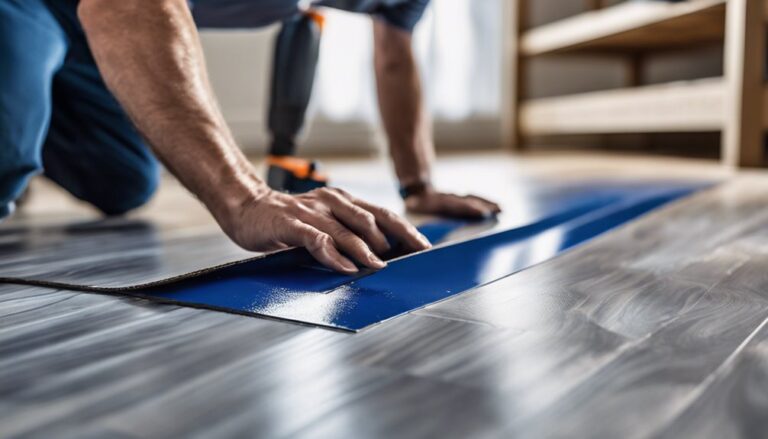
Use a putty knife to loosen the tile edges. Be gentle. Avoid breaking the tiles. Work slowly. Wear safety gear like gloves and masks. Keep the room ventilated. This helps in preventing dust inhalation.
Soften adhesives with a heat gun. Make sure not to burn the floor. Scrape the softened adhesive with a putty knife. Dispose of waste properly.
Pull up the underlay carefully. Use a floor scraper if needed. Bag the removed underlay. Seal the bag tightly. This prevents asbestos spread.
Post-removal Procedures
Removing asbestos flooring requires careful handling and safety precautions. Begin by wearing protective gear to avoid exposure. Properly seal and dispose of materials to prevent contamination.
Cleaning The Area
After removing the asbestos, clean the area well. Use wet wipes or a damp cloth. This helps to catch tiny dust. Vacuum with a HEPA filter. This special vacuum traps small particles. It keeps the air clean. Dispose of cleaning materials safely. Put them in a sealed bag. Throw them away in the right place.
Conducting An Air Quality Check
Check the air after cleaning. Use an air quality monitor. This tool shows if the air is safe. It checks for bad particles. Hire a professional for accurate results. They know how to test well. Make sure the air is clean. This is important for health.
Hiring Professional Help
Removing asbestos flooring is not a simple task. It can be very dangerous. Asbestos fibers are harmful if inhaled. You may need professional help for safety. If your floor is damaged, it’s time to call experts. They have the right tools and equipment. Safety is their top priority. Professionals know how to handle asbestos safely. They can ensure your home stays safe. Hiring experts can prevent health risks.
Pick a contractor with experience in asbestos removal. Check if they have a license. Ask for references from past clients. A good contractor will have insurance. This protects you from any accidents. Ensure they follow local laws for asbestos removal. Read reviews online about their work. Ask them about their safety measures. Choose a contractor who explains their process clearly. Trust is important. Your family’s safety comes first.
Preventing Future Asbestos Issues
Safely removing asbestos flooring involves wearing protective gear and following proper procedures. Wet the floor to minimize dust. Carefully lift and dispose of materials following local regulations. Always consult professionals for guidance.
Maintaining Asbestos-free Flooring
Regular inspections help keep floors safe from asbestos. Check floors often. Look for damage or wear. Broken tiles can expose asbestos. Fix them quickly. Use safe materials for repairs. Avoid materials with asbestos. Ask experts to inspect floors if unsure. They know what to look for. They can find hidden asbestos. Keep floors clean and well-maintained. Dirt and dust can hide problems. Clean floors help spot issues early. Safety is important. Protect family from asbestos risks. Avoid DIY fixes if unsure. Experts know how to handle asbestos safely. Keep home safe from asbestos. Follow guidelines for safe flooring. Ensure flooring remains asbestos-free.

Frequently Asked Questions
What Is Asbestos Flooring?
Asbestos flooring contains asbestos fibers, commonly used in vinyl and linoleum tiles. It’s durable but poses health risks. When disturbed, asbestos fibers can become airborne and inhaled, leading to respiratory issues. Proper removal is crucial to prevent exposure and ensure safety.
How Can I Identify Asbestos Flooring?
Identifying asbestos flooring requires professional inspection. Look for old vinyl or linoleum tiles installed before the 1980s. Asbestos fibers are microscopic, making visual identification difficult. Hiring a certified asbestos inspector ensures accurate assessment and safe handling of potential asbestos materials.
Is It Safe To Remove Asbestos Flooring Myself?
Removing asbestos flooring yourself is not recommended. DIY removal can release harmful asbestos fibers into the air. Hiring professionals ensures safe and compliant removal, minimizing health risks. Experts follow proper protocols and use specialized equipment to protect you and your environment.
What Are The Health Risks Of Asbestos Exposure?
Asbestos exposure can lead to serious health issues, including lung cancer and mesothelioma. Inhalation of asbestos fibers is the primary concern. Symptoms might not appear immediately, developing over years. Avoiding exposure and ensuring proper removal are vital to safeguarding your health.
Conclusion
Removing asbestos flooring is essential for safety. Follow steps carefully to prevent exposure. Always wear protective gear. Consider hiring professionals for complex jobs. They have the right skills and tools. Regular checks ensure no asbestos remains. Proper disposal is crucial.
It prevents environmental harm. Stay informed about local regulations. You must comply with them. Clean the area thoroughly after removal. It keeps your space safe and healthy. Remember, safety comes first in every step. Your health matters most. Protect yourself and your loved ones.
Safe removal leads to peace of mind.