
Imagine walking into your home, only to be greeted by an unpleasant smell that seems to linger no matter how much you clean. If you’re a cat owner, you might be familiar with the stubborn scent of cat pee on your hardwood floors.
It’s a challenge many pet owners face, but don’t worry—you can tackle it effectively. The secret lies in understanding why the smell sticks around and discovering the right methods to eliminate it for good. You’re going to learn simple, proven techniques to rid your home of that unwelcome aroma, ensuring your floors are fresh and your space is welcoming once again.
Ready to reclaim your home’s natural scent and enjoy a fresher environment? Keep reading to uncover the solutions that will transform your living space.
Common Causes Of Cat Pee Smell
Cats might pee on floors due to stress. They feel scared or confused. Moving to a new home can be a reason. A new pet in the house might upset them. Sometimes, a dirty litter box is the issue. Cats like clean places. A health problem can also cause this. It’s important to check with a vet. They can help find out why. Cats don’t do this to be mean. They just need help or comfort.
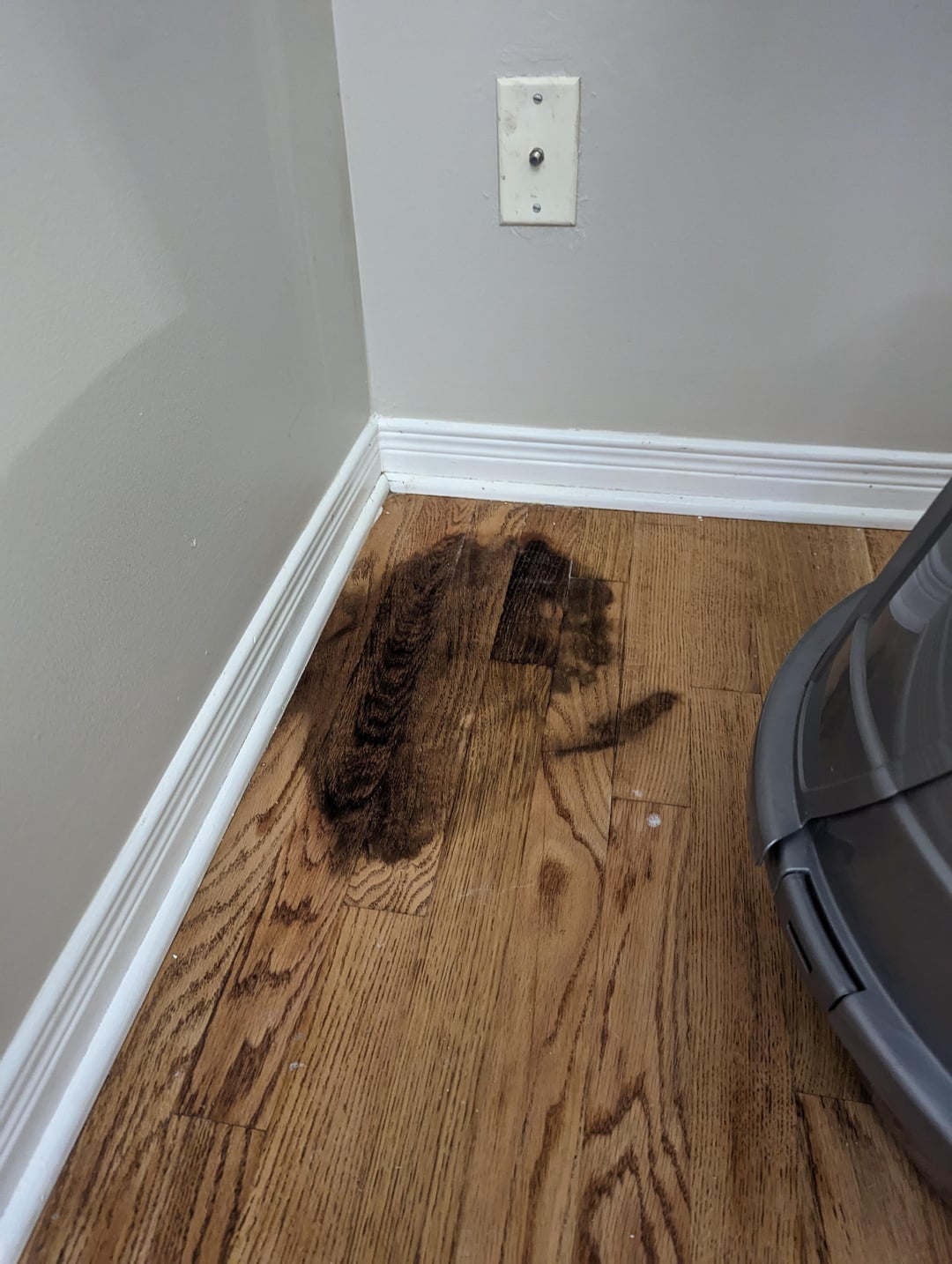
Check for wet spots on the floor. Use a flashlight to find marks. Smell the floor closely. Follow the scent to the strongest spot. Look for dark spots or stains. These are signs of pee. Cats often pee in corners or hidden spots. Check under furniture too. Make sure to find all problem areas. Cleaning them will help remove the smell.
Immediate Actions After An Accident
Act fast when the cat pees. Use a paper towel to blot the spot. Gently press to absorb as much liquid as possible. Do not rub. Rubbing spreads the pee. It pushes the pee deeper. Use multiple paper towels if needed.
Avoid common mistakes during the cleanup. Do not use a wet mop. Water makes the smell worse. Avoid harsh chemicals too. They damage the floor. Stick to gentle products. They are better for your hardwood floors.
Effective Cleaning Solutions
Baking soda can help absorb smells. Sprinkle it on the spot. Let it sit for a few hours. Then, vacuum it up. White vinegar is also useful. Mix it with water. Spray on the area. Let it dry completely. Vinegar helps neutralize odors. Another remedy is hydrogen peroxide. Apply it gently. Be careful not to damage the wood. Test a small area first.
Enzyme cleaners are effective for tough smells. They break down odor-causing substances. Follow the instructions on the bottle. Make sure the floor is not too wet. Odor neutralizers are also available. They can help mask the smell. Read labels to ensure safety. Some products are wood-safe. Always test on a small spot first.

Advanced Odor Removal Techniques
Enzymatic cleaners work to break down urine molecules. They target the source of the odor. Spray the cleaner on the affected area. Let it sit for 15 minutes. The enzymes digest the urine particles. Repeat if needed for persistent smells. Always follow the cleaner’s instructions for best results.
Steam cleaning can be an effective way to remove odors. Steam helps lift stains and smells from the wood. Use a steam cleaner with a gentle setting. Be careful, as too much steam can damage the wood. After steaming, dry the area completely. This prevents mold growth and further issues.
Preventing Future Accidents
Cats can be trained with patience and love. Use a litter box that is always clean. Place it in a quiet spot. Reward your cat for using the box. Treats work well. Consistency is key. Same routine every day. Don’t yell or punish. Cats learn through positive reinforcement. Keep their environment stress-free. Happy cats have fewer accidents.
Use rugs or mats to protect floors. Place them where your cat likes to be. Choose easy-to-wash materials. Sealers can protect wood from stains. Apply them to your floors regularly. Keep floors dry. Wipe up spills quickly. Use furniture pads to prevent scratching. These measures help keep floors clean and safe.

Maintaining Hardwood Floor Integrity
Regular cleaning is key. Sweep daily to remove dirt and debris. Dirt can scratch the floor. Use a damp mop weekly. Avoid soaking the floor. Water can damage wood. Use a wood-safe cleaner. Test the cleaner on a small spot first. Make sure it’s safe.
Protect your floor with rugs. Put them in high-traffic areas. Trim your cat’s nails. This stops scratches. Use furniture pads. Place them under chair legs. They help prevent marks. Refinish floors every few years. This keeps them looking new. Follow these steps for a beautiful floor.

Frequently Asked Questions
How To Remove Cat Urine Smell From Wood Floors?
To remove cat urine smell from wood floors, start by blotting up the liquid. Use a mixture of vinegar and water to clean the area. Rinse with warm water, then dry thoroughly. Baking soda can help absorb lingering odors. Consider using enzymatic cleaners specifically designed for pet odors.
Can Vinegar Eliminate Cat Pee Odor On Hardwood?
Yes, vinegar can help eliminate cat pee odor on hardwood floors. Its acidic nature neutralizes the ammonia in urine. Mix equal parts vinegar and water, apply to the stained area, and let it sit briefly. Rinse with clean water and dry the area.
Repeat if necessary for stubborn odors.
Is Baking Soda Effective For Urine Smell Removal?
Baking soda is effective for urine smell removal. Sprinkle it over the affected area and let it sit for several hours. It absorbs odors and neutralizes them. Vacuum or sweep up the baking soda once the smell is reduced. For persistent odors, consider combining with other cleaning solutions.
What Are Enzymatic Cleaners For Cat Urine Odors?
Enzymatic cleaners break down the molecules in cat urine that cause odors. They contain natural enzymes that digest the components of urine, effectively eliminating smells. Apply as directed, allowing the cleaner to penetrate the surface. Enzymatic cleaners are particularly useful for deep-seated odors on hardwood floors.
Conclusion
Getting rid of cat pee smell on hardwood floors is possible. Follow the steps outlined in this guide. Use vinegar, baking soda, or hydrogen peroxide. These solutions work well. Clean the spot quickly. Dry it thoroughly. This helps prevent stains.
Regular cleaning maintains the floor’s beauty. Keep your home fresh. Protect your floors from future accidents. Cats can be trained to avoid pee mishaps. Try these methods and enjoy a clean, pleasant home. Your floor deserves proper care. You can achieve a stink-free space.
Stay vigilant and act promptly for best results.