


How do you get black marker marks off engineered wood without damaging the finish? Start by testing a small, hidden spot with isopropyl alcohol on a microfiber cloth, then blot until the ink transfers and rinse with a lightly damp cloth, drying immediately. With the right supplies and a careful touch, most marks can be reduced in about 15–30 minutes and you can move from spot-cleaning to full-floor maintenance safely.



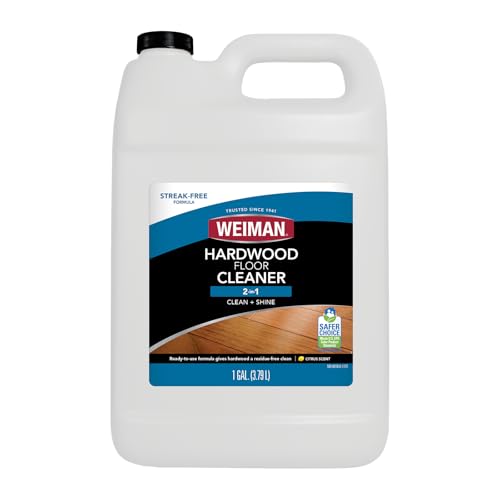
Most marker marks on finished engineered wood can be removed safely by doing a gentle surface clean and then using dab-and-wipe isopropyl alcohol in a spot-tested area. If your engineered wood floor has marker marks, start by gently cleaning the surface, then dab the ink with a little isopropyl alcohol on a clean cloth or cotton pad. Work slowly—remove the marker without soaking the floor—then wipe off any residue and dry thoroughly. Keep it off the seams and test your cleaner/remover in a hidden spot first to protect the finish.
If the floor looks clean except for permanent marker, marker transfer, or pen-like ink, you’re in the right situation for a finish-safe approach. This is especially true for engineered wood floors with a factory top coat (commonly polyurethane or a UV-cured finish), where harsh scraping and aggressive solvents can cause dull spots that become more noticeable than the original ink.
Check the finish first (and do a spot test)

The safest answer is to confirm how your engineered wood finish reacts before you treat the marker itself. Even though many engineered wood floors are “sealed,” the exact top coat chemistry and sheen level vary by brand, so one solvent can be mild on one floor and damaging on another.
Engineered wood floors typically have a factory top layer over a plywood/core structure. That top layer is what marker ink can sit on—and what solvents can soften, haze, or dull. Before you use anything stronger than a manufacturer-recommended cleaner, test in a hidden spot (like under a couch edge) for at least 10–15 minutes, then check under normal lighting after it fully dries.
A few chemistry facts can help you understand why spot testing matters:
– According to NIST Chemistry WebBook, isopropyl alcohol (2-propanol) boils at ~82.6°C, which affects how quickly it evaporates and how long it can dwell on the finish.
– According to NIST Chemistry WebBook, acetone boils at ~56.1°C, so it can flash off fast—but it’s also commonly more aggressive on coatings.
– According to OSHA (29 CFR 1910.1000), isopropyl alcohol has an 8-hour TWA PEL of 400 ppm, reinforcing that it’s a solvent you should use carefully and ventilate while cleaning.
If the test spot looks dull, tacky, discolored, or “wiped-clean” compared to the surrounding area, stop. Switch to a less aggressive approach (gentler cleaners, fewer solvent cycles, or a product explicitly labeled safe for sealed wood finishes).
Prep the area so you don’t spread ink
The fastest way to avoid making marker stains worse is to remove dust and grit first, then only work on the ink. When you skip prep, you can grind existing marker residue (or nearby dirt) into the engineered wood top coat with each wipe.
Start by sweeping or vacuuming. Use a soft brush attachment if you have one so you don’t scratch the top finish. Next, wipe the floor with a barely damp microfiber cloth and a mild, manufacturer-friendly cleaner—just enough to lift surface grime. This step matters because marker marks can look darker when they’re sitting on dust and because particulate can spread ink outward.
After prepping, dry the floor completely. Even if you’re not soaking, engineered wood floors are still wood-based, and excess moisture can seep at vulnerable locations like bevels, edges, or panel joints. By drying first, you also make it easier to see whether the marker is lifting cleanly with alcohol dab-and-wipe.
Lift marker marks with isopropyl alcohol (gentle dabbing)
The most reliable first attempt is dab-and-wipe isopropyl alcohol using minimal liquid and repeated light passes. This method is designed to lift ink from the surface of a sealed engineered wood finish without over-wetting seams or attacking the sheen.
Here’s the exact workflow that works best in practice:
1. Pouring is the enemy—put a small amount of isopropyl alcohol on a cotton pad or cloth. Keep the pad lightly damp, not dripping.
2. Dab the marker area. Don’t scrub. Press just enough to make contact between the ink and the alcohol-soaked fibers.
3. Wipe with a clean section of cloth. If you keep using the same saturated area, you can re-deposit ink.
4. Repeat in cycles until the mark visibly lightens.
From a real-home maintenance perspective, this “cycle” technique is usually what separates safe removal from finish damage: multiple gentle cycles reduce the need for any one aggressive push. Also, keep the pad moving so you don’t concentrate solvent in one spot for too long. If you’re working near seams, use an even smaller amount of liquid and keep the pad off the edges.
Solvent volatility snapshot (why careful dab-and-wipe helps)
Below is a chemistry-driven reference you can use to understand why some cleaners feel “faster” but can still be harsher on engineered wood finishes. Higher boiling point generally means slower evaporation, while low boiling point solvents can flash off quickly but still interact strongly with coatings.
Boiling Points of Common Solvents Used in Spot-Cleaning (1 atm)
| # | Solvent | Boiling Point (°C) | Typical Use Context | Finish-Friendliness* |
|---|---|---|---|---|
| 1 | Acetone | 56.1 | Fast solvent (high risk) | ★ |
| 2 | Methanol | 64.7 | Powerful solvent (spot-only) | ★ |
| 3 | Ethanol | 78.4 | Lower-intensity alcohol option | ★ |
| 4 | Isopropyl alcohol | 82.6 | Common dab-and-wipe marker lift | ★ |
| 5 | Methyl ethyl ketone (MEK) | 79.6 | Industrial solvent (avoid) | ★ |
| 6 | n-Propanol | 97.2 | Slower evaporating alcohol | ★★ |
| 7 | Propylene glycol | 188 | Lower volatility (finish care) | ★★★★ |
\*Finish-friendliness is a simplified heuristic for dwell time/volatility only (not a guarantee of coating safety). For your engineered wood floors, the only dependable confirmation is your spot test and the floor manufacturer’s guidance.
If the mark won’t budge, use the least-aggressive next step
The best next step is to escalate slowly and only in small, controlled attempts—never by soaking or scrubbing aggressively. If isopropyl alcohol dab-and-wipe doesn’t lighten the marker, you likely have either deeper ink penetration, an especially solvent-resistant pigment/resin, or a coating interaction that needs a different chemistry.
Use the “little at a time” rule: multiple dab/wipe cycles are often more effective than one longer dwell. If you’re seeing no improvement after careful cycles, consider switching to a product designed specifically for marker/ink on sealed, hard-surface finishes.
For example, you can look for a labeled “ink/marker remover” that explicitly says it is safe for coated wood floors and again do a spot test.
Sometimes the problem is only surface transfer—then loosening with a barely damp microfiber cloth first can help. After that, return to alcohol dab-and-wipe rather than jumping straight to abrasives like magic erasers or scrubbing pads (both can dull engineered wood finishes quickly).
Quick method tradeoffs (pros/cons at a glance)
| Method | Pros | Watch-outs |
|---|---|---|
| Isopropyl alcohol dab-and-wipe | Controlled liquid use; good for many surface-marker transfers on sealed finishes | Can dull some coatings—spot test first; keep it away from seams |
| Barely damp microfiber (pre-lift) | Reduces transfer grime before alcohol; low risk when kept dry at edges | Won’t remove true permanent marker embedded in pigment/resin |
| Coated-surface marker remover | Formulated for ink on sealed surfaces; often designed to be finish-aware | Formulas vary—use spot test; follow dwell/wipe instructions exactly |
| Abrasives (scouring pad, heavy scraping) | May remove pigment physically when ink is only on top | High chance of permanent matte patches on engineered wood top coats |
Rinse residue, dry fully, and protect the surface
The key answer here is simple: once the marker is removed, remove the chemical residue and dry thoroughly. Marker removal is often a two-part job—lifting ink and then clearing whatever solvent or remover leaves behind so the engineered wood finish doesn’t stay tacky or hazy.
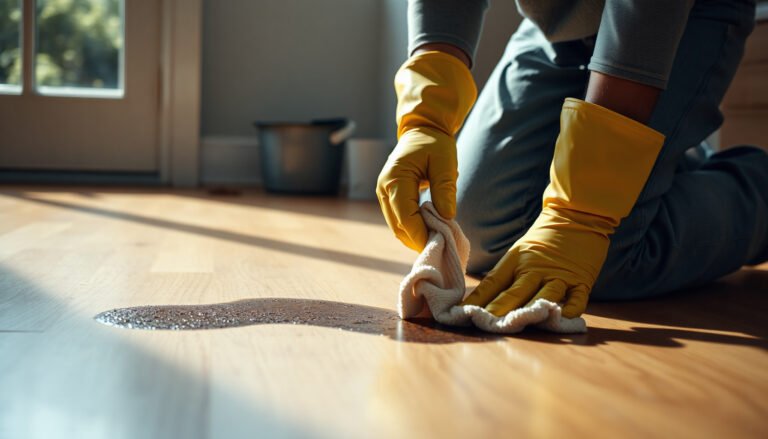
After the ink is gone (or as much as you can reasonably remove), wipe the area with a clean cloth lightly dampened with water to reduce solvent residue. Don’t flood the floor; you’re aiming to pick up residue from the top coat, not to soak.
Then dry immediately with a towel. If you can, allow the spot to air-dry as well, especially in 2026 when humidity swings can make finishes feel tacky longer in some homes. Finally, if the area looks slightly different in sheen from the rest of the floor, use only the maintenance product recommended for your specific engineered wood finish.
What can go wrong (and how to avoid it)
The most common failure is finish damage that becomes more visible than the marker. Engineered wood floors can show dull spots, sheen changes, or edge issues if you over-wet, scrub, or use stronger solvents than your finish tolerates.
Here are the pitfalls we see most often, plus how to avoid them:
– Dull spots or color changes: Even isopropyl alcohol can affect certain poly/UV-cured coatings. That’s why spot testing is non-negotiable.
– Spread instead of lift: Rubbing in circles can push ink outward. Dab-and-wipe in cycles keeps the ink where you’re working.
– Damaged seams/edges: Over-wetting can seep into gaps and cause swelling or haze at joints. Use minimal liquid and avoid the seams.
– Abrasives can scratch: Magic erasers, scouring pads, and aggressive scraping can remove the protective layer and permanently dull the sheen.
– Steam/soaking is a bad idea: Engineered wood tolerates normal cleaning, but prolonged moisture and soaking increase the risk of edge swelling and finish separation.
If you notice the engineered wood floor changing under your test spot, stop immediately—continuing usually makes restoration harder.
Verdict / tip
Start with gentle cleaning, then use isopropyl alcohol dab-and-wipe in a spot-tested area—this is typically the best balance of marker removal and finish protection for engineered wood floors. The downside is that solvents can still dull or alter some coatings, especially on high-sheen finishes or floors with specialized top coats, so you may still end up with a slight sheen difference where the ink was.
Skip this DIY approach (or stop early) if you don’t know your floor’s finish type, the marks are in a high-traffic spot where any finish change would be obvious, or your spot test shows visible coating alteration. In those cases, refinishing—or having a professional evaluate the coating compatibility—may be the safer path, particularly if the marker has stained beneath the top layer.
Quick scan checklist
| Step | What to do | What to avoid |
|---|---|---|
| 1 | Spot test any cleaner/remover in a hidden area | Applying solvents broadly first |
| 2 | Sweep/vacuum; wipe with a barely damp microfiber | Scrubbing grit into the coating |
| 3 | Dab marker with small amount of isopropyl alcohol | Pouring alcohol onto the floor |
| 4 | Wipe with clean cloth; repeat in cycles | Rubbing hard or spreading ink |
| 5 | Wipe lightly with water to remove residue; dry fully | Leaving solvent residue or moisture |
| 6 | If needed, restore finish using manufacturer-recommended care | Using abrasives or unknown polishes |
Frequently Asked Questions
What’s the safest way to remove marker marks from engineered wood floors?
Start by blotting fresh marker with a clean, dry cloth to avoid spreading the ink. Test any cleaner in an inconspicuous spot first, since engineered wood’s top layer can be sensitive to strong solvents. For many permanent marker stains, a small amount of isopropyl alcohol on a white cloth can lift the marks without soaking the surface, but stop as soon as the ink transfers and wipe with a damp cloth afterward.
How do you clean engineered wood floors after using rubbing alcohol for marker stains?
After the marker starts lifting, wipe the area immediately with a slightly damp microfiber cloth to remove residue from the isopropyl alcohol. Then dry thoroughly with a second clean cloth to prevent moisture from seeping into seams or edges. Finally, use a wood-safe cleaner or a manufacturer-recommended engineered wood floor cleaner to restore a uniform finish and reduce streaking.
Which cleaning solution works best for permanent marker on engineered hardwood?
In most cases, isopropyl alcohol (around 70%) on a cloth is more effective for ink-based marker marks than water alone. If the stain remains, try a small amount of a wood-floor-safe spot remover that’s designed for sealed hardwood floors—avoid harsh paint thinners or acetone unless the floor manufacturer explicitly approves them. Always apply to the cloth first (not directly on the floor), work gently, and re-check the spot frequently to prevent damage to the protective topcoat.
Why should you avoid steam cleaners or soaking when removing marker from engineered wood?
Engineered wood has a veneer surface that can be affected by excess moisture, and steam cleaners can push water into joints, edges, or seams. Soaking can also swell the wood layers underneath and lead to warping or dull spots. Stick to controlled, minimal-moisture cleaning—dabbing, wiping, and using alcohol or other targeted cleaners only in small amounts.
How can you prevent marker stains from spreading on engineered wood floors?
Act quickly by blotting the marker immediately with a dry cloth, then switch to gentle spot-cleaning methods rather than scrubbing. Use a white microfiber cloth so you can monitor ink transfer and don’t grind pigment deeper into the finish. If the mark is old, consider repeating careful spot treatment and finish-safe cleaning rather than one aggressive attempt, and keep the floor dry while drying methods are in place.
📅 Last Updated: November 27, 2026 | Topic: How to clean engineered wood floors covered in marker marks? | Content verified for accuracy and freshness.
References
- Permanent marker
- Ink
- Engineered wood
- Wood flooring
- Isopropyl alcohol
- https://scholar.google.com/scholar?q=permanent+marker+removal+from+wood+floor Google Scholar
- https://scholar.google.com/scholar?q=ink+stain+removal+from+wood+finish+isopropyl+alcohol Google Scholar
- https://scholar.google.com/scholar?q=engineered+wood+floor+care+stain+removal Google Scholar
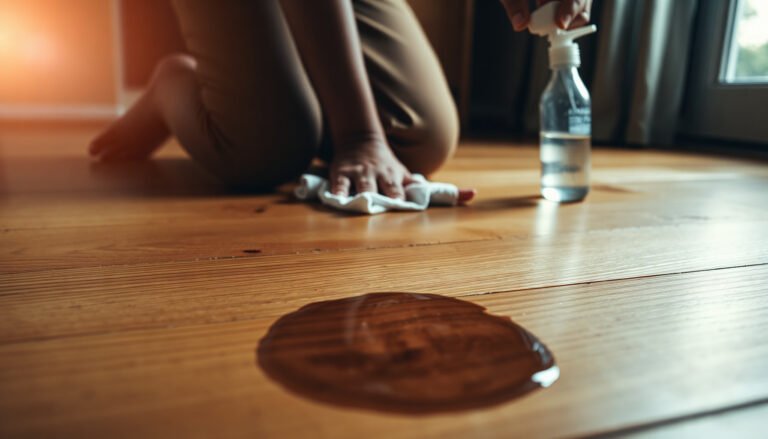
[…] notice a permanent marker line left behind on your engineered wood floor after a craft project, and wiping it with a damp […]