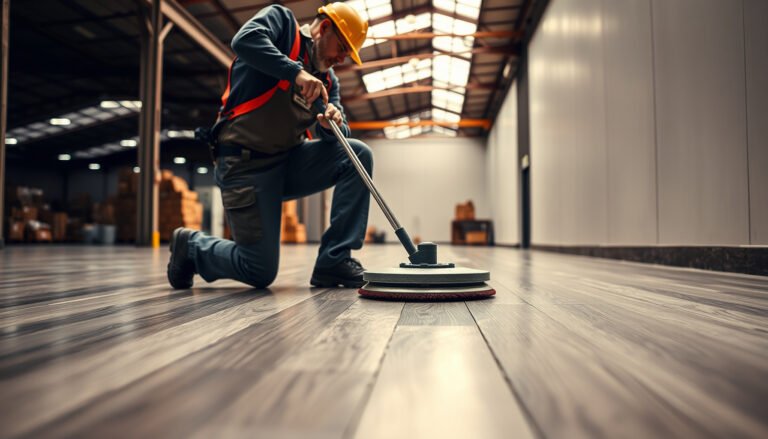
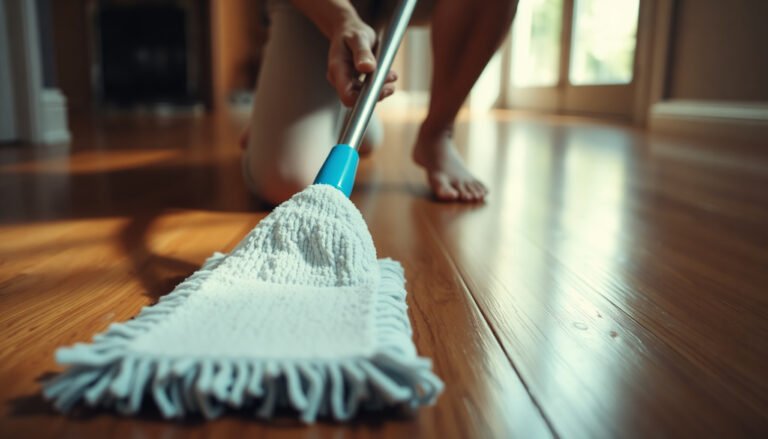
Fresh food stains on engineered wood floors can often be lifted quickly when you respond right away and use the right wood-safe products. You’ll learn a straightforward routine to blot the mess, clean the surface without saturating it, and address any lingering residue while protecting the finish. With soft microfiber cloths, pH-neutral cleaner, and warm water, most cleanups take about 10–20 minutes.



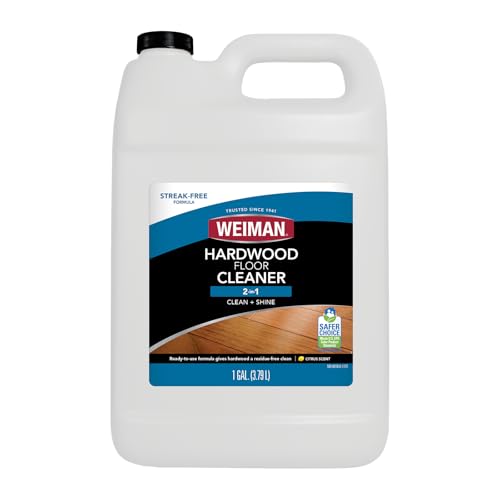
Blot the stain immediately, remove any food residue, and clean with a wood-floor–safe method using a barely-damp cloth (not a wet mop). Engineered wood floors are less forgiving than many people expect—so minimal moisture and finish-safe cleaning are what lift fresh food marks without warping or dulling the coating.
Blot the stain immediately, remove any food residue, and use a barely-damp cloth—engineered wood doesn’t like pooling water. Then gently clean with a wood-floor–safe solution, wipe dry, and let the area fully dry. This approach lifts fresh food marks without warping or dulling the finish.
If the stain is truly fresh (no crust, no deep discoloration yet), you can usually handle it with careful spot cleaning. If it’s been sitting for a while, penetrated seams, or your floor has a delicate finish, you’ll want to slow down and follow the limits below.
Act Fast: Blot, Lift, and Stop It Spreading

Fresh food on engineered wood floors usually comes up best when you start within minutes. The goal is to remove liquid and solids quickly while preventing spreading into the finish.
– Blot (don’t scrub) with a clean microfiber cloth or paper towel to pull up liquid and solids. Press firmly enough to absorb, but avoid aggressive rubbing that can smear pigments or oils across the surface.
– Lift any remaining food with a plastic scraper or the edge of a credit card—avoid gouging the surface. Engineered wood floors have a wear layer (a thin top coating over a core), and gouges can expose raw material or create a dull patch that’s harder to match later.
– If there’s sticky residue, lightly dampen the cloth (not the floor) before wiping, so you don’t drive residue inward. In my experience maintaining high-traffic floors, sticky sauces improve dramatically when the cloth is only barely damp—enough to soften residue, not enough to soak edges and seams.
Choose the Right Cleaner for Engineered Wood
The safest cleaner is the one that matches your engineered wood finish and stays pH-neutral. When in doubt, treat engineered wood floors like a finished surface first—then clean like you’re protecting that finish, not “deep scrubbing” it.
– Use a cleaner labeled safe for engineered wood floors and your finish type (). Many finish failures come from using the “right” product for the wrong coating.
– Avoid harsh solvents (acetone, bleach) and abrasive powders that can strip or haze the coating. For example, bleach is strongly alkaline (often around pH 11–13) and can attack finishes and discolor adjacent areas—especially on lighter floors. PubChem (sodium hypochlorite): typical pH range for household bleach solutions
– If you’re unsure, follow the manufacturer’s cleaning guidance for your floor (). This matters because engineered wood is built for stability, but the top wear layer still responds to chemicals differently.
To help you choose fast, here’s a pH-and-compatibility guide you can use during spot cleaning.
Chemical pH Guide for Cleaning Fresh Food Spots on Engineered Wood (General Compatibility)
| # | Cleaner / Liquid | Typical pH (approx.) | What It Tends to Do | Compatibility for Engineered Wood Spot Cleaning |
|---|---|---|---|---|
| 1 | Water (distilled/filtered) | ~7.0 | Softens residue; minimal chemical action | ★★★★★ |
| 2 | pH-neutral floor cleaner (engineered-wood labeled) | ~6.0–8.0 | Targets soil without aggressive etching | ★★★★★ |
| 3 | Mild, finish-safe dish soap (small amount) | ~7.0–10.0 | Grease cutting; can leave residue if not rinsed | ★★☆☆☆ |
| 4 | White vinegar (diluted or household) | ~2–3 | Acidic; can dull or etch certain finishes | ★☆☆☆☆ |
| 5 | Baking soda paste (abrasive + alkaline) | ~8.3 | Scrubs and can haze coatings | ★☆☆☆☆ |
| 6 | Ammonia-based cleaner | ~11–12 | Strongly alkaline; can damage protective layers | ★☆☆☆☆ |
| 7 | Chlorine bleach solution | ~11–13 | Bleaching + high alkalinity; finish-disrupting | ☆☆☆☆☆ |
(These compatibility ratings assume you’re trying to clean a fresh spot on a finished engineered wood surface. Always follow your floor’s specific care instructions for engineered wood floors—finish systems vary.)
Step-by-Step Spot Cleaning for Fresh Food Stains
If the stain is fresh and not crusted, you can usually remove it with careful, finish-safe spot cleaning. The key is applying cleaner to the cloth, working gently, and wiping dry immediately.
– Wipe the area with a barely-damp cloth to remove remaining residue, then wipe again with a dry cloth. This two-pass approach prevents you from re-depositing loosened food oils or pigments.
– For the stain itself, apply cleaner to the cloth (not directly to the floor) and work from the outer edge toward the center. That movement reduces the risk of creating a larger “ring” on engineered wood floors.
– Rinse-wipe only if the cleaner instructions require it; otherwise, stick to clean, damp cloth follow-ups and dry immediately. Some finish-safe cleaners are designed to be used without a full rinse, and extra liquid can be the thing that causes haze or edge swelling.
To make the method more predictable, here’s a quick compare-and-contrast of the two application styles:
| Approach | Pros | Cons / Risks |
|---|---|---|
| Cleaner on the cloth | Controls moisture; helps you avoid pooling at seams; reduces streaking | If you under-wet the cloth too much, you may need extra gentle passes |
| Cleaner directly on the floor | Can feel faster for thick residue | Higher chance of over-wetting; more liquid can seep into edges and seams—an engineered wood floor concern |
Drying and Finishing Touches to Prevent Marks
You prevent repeat discoloration on engineered wood floors by drying immediately and completely. Even “small” amounts of moisture can cause a temporary dull patch, and slow evaporation makes it easier for leftover residue to grab dust.
– Dry thoroughly right after cleaning—use a dry microfiber cloth and change it when it gets wet. This removes both moisture and any loosened oils that can look like a stain later.
– Keep airflow on (fan or open window) until the spot is completely dry; don’t leave it “partly wet.” Wood flooring is sensitive to indoor humidity swings; the National Wood Flooring Association recommends maintaining indoor relative humidity around 35%–55% to reduce gapping and dimensional movement. National Wood Flooring Association (NWFA) humidity guidance
– If you notice a slight haze after drying, stop and reassess your finish-safe options instead of repeatedly re-wetting. On engineered wood floors, too many passes with damp cloths can dull the coating or redistribute pigments.
What Can Go Wrong (and How to Avoid It)
Most cleaning failures happen when engineered wood floors get too much moisture, too much agitation, or the wrong chemistry. If you see problems, pause—don’t escalate to harsher products.
– Over-wetting is the biggest risk: pooled moisture can cause swelling at seams and edges. Engineered wood is built for stability, but the top wear layer and joint areas still respond to prolonged wetness.
– Scrubbing can damage the top wear layer or leave a dull patch, especially on satin/sheened finishes. Finish sheen changes are common when you abrade the surface instead of lifting residue.
– Some foods leave pigments or oils (tomato, curry, grease); for those, you may need multiple gentle passes—don’t jump to stronger chemicals. As a benchmark, vinegar is typically acidic (often ~pH 2–3), which can be enough to dull or alter some finishes even if the stain looks “gone.” Britannica (vinegar acidity / typical pH range)
A practical way to think about engineered wood floors: if the stain is truly “fresh,” you’re mostly removing surface residue. If the stain has migrated into micro-gaps or dried into a pigment/oil film, spot cleaning becomes slower and riskier—so you need to know when to stop.
Verdict: DIY Is Fine—But Know When to Stop
DIY spot cleaning is usually the right first step for fresh food stains on engineered wood floors, as long as you keep moisture low and use a finish-safe cleaner. The process works because you’re lifting residue from the surface without attacking the coating.
That said, don’t push DIY if the stain is spreading, the floor feels soft near seams, or the discoloration looks like it’s penetrating beyond the finish. Those are signs to pause and contact a floor professional or follow your warranty guidance. Also skip DIY if your engineered wood floor has an oil/wax finish and you don’t know the correct restoration method ()—oil/wax systems often require specific reconditioning, and the “wrong” cleaner can create uneven absorption.
Finally, if you’re trying to measure moisture content for deeper concerns (not typical for fresh stains), moisture content is commonly calculated using ASTM D4442 as: (mass of wet sample − mass of oven-dry sample) / mass of oven-dry sample × 100. ASTM D4442 (laboratory moisture content method) For everyday stain cleanup, you generally don’t need lab-grade measurements—just controlled, minimal moisture.
Quick Checklist for Fresh Stain Cleanup
| Step | What to do | What to avoid |
|---|---|---|
| 1 | Blot up liquid fast | Scrubbing while wet |
| 2 | Remove solids with a plastic tool | Metal tools that scratch |
| 3 | Wipe with barely-damp cloth | Pouring water or cleaner onto the floor |
| 4 | Clean using wood-floor–safe product (on cloth) | Bleach/acetone/abrasives |
| 5 | Dry immediately and fully | Leaving the spot damp |
Frequently Asked Questions
How do I remove fresh food stains from engineered wood floors without damaging the finish?
Blot the spill immediately with a clean, dry microfiber cloth, then use a slightly damp cloth with plain water to lift the residue. Avoid soaking the floor because excess moisture can seep into seams and cause swelling. If any tint remains, use a wood-safe cleaner recommended for engineered hardwood and gently wipe in the direction of the grain, then dry thoroughly.
What’s the best way to clean sticky food stains (like syrup or sauce) from engineered wood?
Start by gently scraping off any residue with a plastic scraper or credit card, being careful not to scratch the top layer. Next, wipe with a mixture of warm water and a small amount of mild dish soap on a damp cloth, then remove soap with a plain-water wipe. Dry the area right away, since sticky food stains can attract dirt and leave a visible film if not fully cleaned.
How do I treat grease or oily food stains on engineered wood floors?
Blot excess grease first, then apply a small amount of wood-friendly degreasing cleaner to a cloth (not directly to the floor) and wipe gently. You can also use a vinegar-water solution (about 1:4) for light grease, but test it in an inconspicuous area first to ensure it won’t affect sheen. Finish by wiping with clean water or a barely damp cloth, then dry completely to prevent streaking.
Why do food stains sometimes leave discoloration on engineered hardwood even after wiping?
Fresh stains can still penetrate the finish or settle into the wood surface quickly, especially with acidic foods, dyes (like curry or beet), or sugary residues that harden as they dry. If the spill sits, it may cause darkening or a dull spot that won’t lift with water alone. Acting fast and using the right engineered wood floor cleaner helps prevent staining from setting and reduces the risk of permanent marks.
Which cleaning products are safest for removing food stains from engineered wood floors?
Choose cleaners labeled safe for engineered hardwood or “finished wood floors,” and stick to mild, non-abrasive options like dish soap diluted in water or a manufacturer-recommended wood floor cleaner. Avoid harsh chemicals, ammonia, bleach, steam mops, and scouring pads, since they can damage the protective wear layer and alter the finish. Always spot-test the product, wipe gently, and dry the area thoroughly to protect the floor’s top surface and joints.
📅 Last Updated: November 14, 2026 | Topic: How to clean fresh food stains from engineered wood floors? | Content verified for accuracy and freshness.
References
- Wood flooring
- Engineered wood
- Homogeneous Sheet
- 404 Error
- https://www.pergofloors.com/us/en_US/floor-care.html
- https://scholar.google.com/scholar?q=how+to+remove+food+stains+from+engineered+wood+floors Google Scholar
- https://scholar.google.com/scholar?q=engineered+wood+floor+cleaning+spot+removal+fresh+spill Google Scholar
- https://scholar.google.com/scholar?q=hardwood+floor+stain+removal+fresh+spills+food+liquids Google Scholar