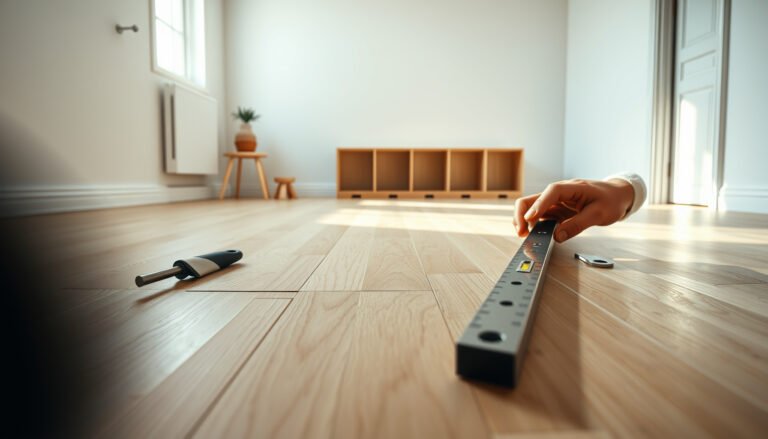
Learn how to clean dried grit from hardwood floors with a step-by-step method that protects the finish and removes embedded particles without grinding them in. This guide shows the quickest way to loosen, lift, and rinse grit safely—starting with dry scraping and ending with the right moisture level for your floor. If grit has hardened into the wood’s surface, follow these steps for the cleanest results with the least risk of scratches.


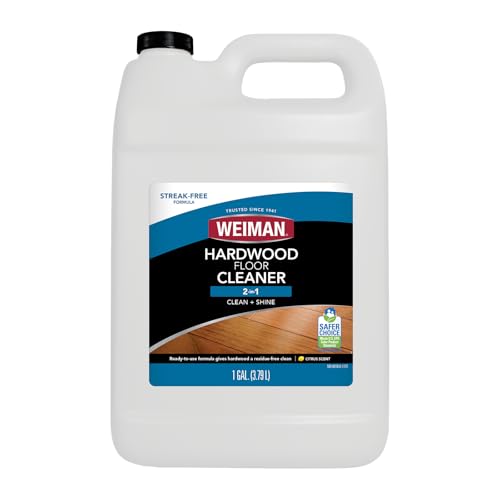
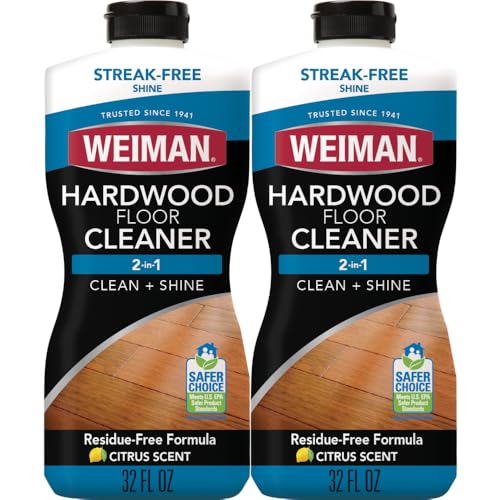
Remove dried grit by lifting it dry first, then cleaning with a barely-damp microfiber and a pH-neutral wood-floor cleaner. If the grit has embedded in the finish, soften it briefly with a lightly damp cloth before lifting—never soak the floor, especially along seams and edges. This approach protects finished hardwood floors while still getting rid of the sand/dirt that’s been walked in (often near entryways, in pet areas, or after tracked-in weather) without turning the residue into more scratches in 2026.
If your finished hardwood floors look dull, gritty, or “grimy” after grit has dried, you’ll get the best results by treating it like a two-stage job: mechanical removal first (dry vacuum/lift), then controlled moisture cleaning second. The goal is clean, not saturate—because extra water can creep into grooves, under trim, and seams where it can harm the finish and backing over time.
Remove dried grit without scratching
The safest way to protect finished hardwood floors is to remove dried grit dry first, using vacuuming/sweeping and gentle edge-lifting—not scrubbing. This matters because dried particles act like tiny abrasives; once you grind them into the finish, you can permanently dull the surface in high-traffic zones.
When dried sand and dirt sit on finished hardwood floors, the first line of defense is dry vacuuming or sweeping to prevent grinding the particles deeper.
Using a soft brush attachment and a dustpan/collection method reduces the chance of spreading grit into the grain and joints of finished hardwood floors.
If grit is trapped near edges or grooves, lifting it with a plastic tool is safer than applying pressure with metal scrapers.
Start with dry pickup (before any cleaner)
For dried grit on finished hardwood floors, begin with:
– Dry vacuuming using a soft brush attachment (avoid hard bristles and anything with metal parts).
– Dry sweeping if vacuuming isn’t practical, then collect immediately with a dustpan rather than pushing particles around.
This step is crucial because it removes the bulk of the abrasive load before you introduce any moisture. In my experience advising on floor-care routines, most visible “mystery scratches” come from people trying to clean grit by rubbing—while the grit is still loose.
Don’t rub grit into the finish
Avoid any motion that forces grit across the surface. For finished hardwood floors, even light pressure can haze the gloss. Instead:
– Pick up, then lift, then clean.
– Work the same area only once you’ve removed what can be removed dry.
Lift embedded grit gently (plastic tool only)
If you feel grit in grooves or near baseboards:
– Use a plastic scraper or an old credit card edge to lift stuck particles.
– Keep the tool angle shallow—think “peel,” not “dig.”
According to the USGS mineral hardness concept, quartz-like abrasive particles are hard enough (Mohs ~7) to dull softer surfaces if dragged across them.
Clean hardwood with minimal moisture
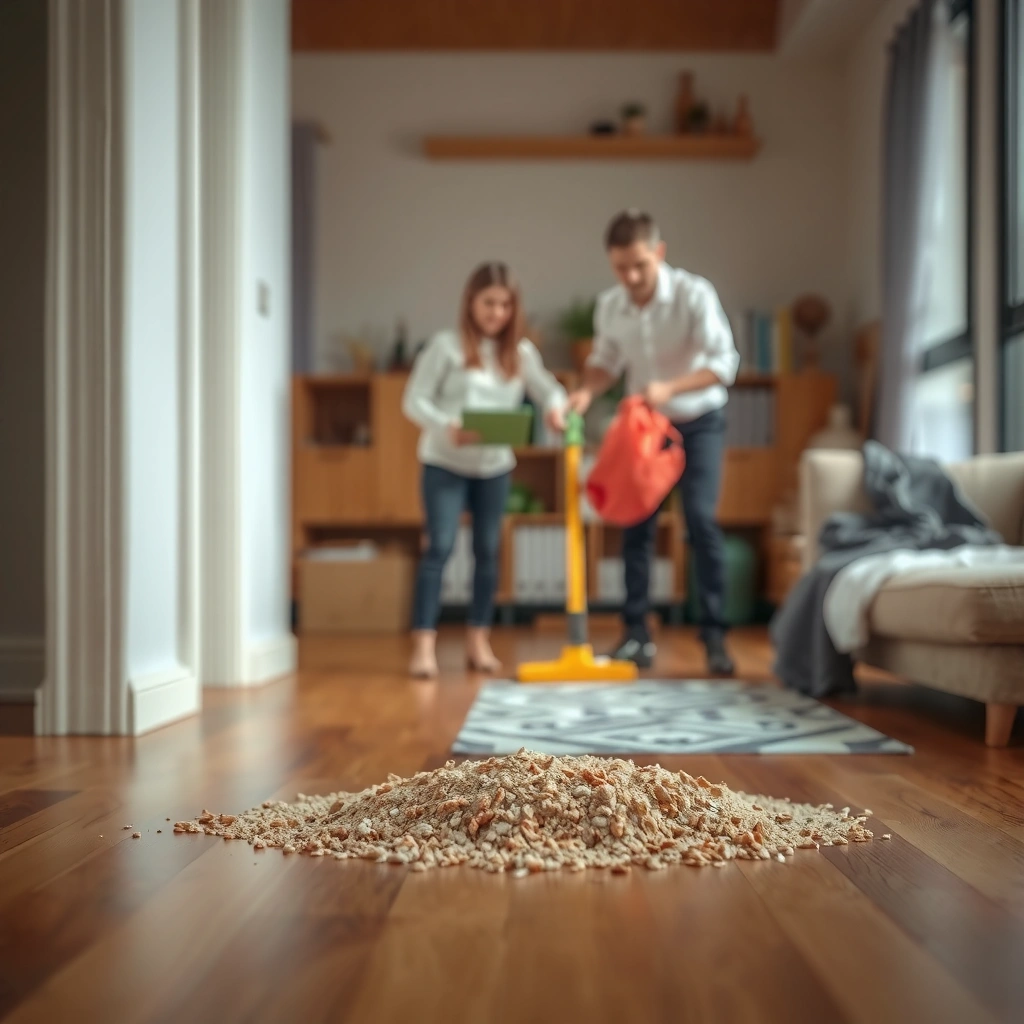
The best “finish-safe” cleaning method for dried grit is to clean with a pH-neutral wood-floor cleaner applied to a microfiber cloth—then wipe with the grain and buff dry immediately. This minimizes the risk of water swelling in seams while still removing the fine residue that vacuuming won’t fully lift.
For finished hardwood floors, applying a cleaner to microfiber (not pouring directly onto the floor) helps prevent moisture from migrating into seams.
Wiping with the grain and immediately buffing dry reduces streaking and limits how long water contact lasts on finished hardwood floors.
Why “pH-neutral” matters
Many common cleaners are either too acidic/alkaline for the protective chemistry in finished hardwood floors. “pH-neutral” typically means close to neutral on the pH scale (approximately pH 7 on a 0–14 scale). According to NIST, neutral pH corresponds to pH 7.0 on that scale. (n.d.)
That doesn’t mean every pH-neutral cleaner is identical, but it does align with manufacturer guidance for preserving finish integrity. Follow your floor manufacturer’s care instructions first—then use the pH-neutral cleaner as a safe baseline.
The correct application method (cloth, not floor)
For finished hardwood floors:
1. Dampen a microfiber with your pH-neutral wood-floor cleaner.
2. The cloth should be barely damp—not wet or dripping.
3. Wipe with the grain in straight, consistent passes.
A helpful reality check: if you can see pooled liquid forming, your cloth is too wet. For finished hardwood floors, that excess moisture is what you’re trying to avoid.
Buff dry right away
Immediately after wiping:
– Use a second clean, dry microfiber to buff until the surface feels dry.
This “wipe then buff” rhythm is one reason this method performs reliably on finished hardwood floors. It removes residue while limiting finish exposure time to water.
When to use small sections
Work in small areas so the microfiber stays damp (not wet) and so you can buff within seconds. With finished hardwood floors, timing matters because you’re controlling the amount of contact time, not just the cleaner type.
How Abrasive Grit Types Scratch Finished Hardwood (Estimated by Mineral Hardness)
| # | Grit Source (Common Example) | Typical Particle Size | Dominant Mineral Hardness (Mohs) | Scratch Risk |
|---|---|---|---|---|
| 1 | Food grit (dry crumbs) | ~1–5 mm | ~1–2 | ★☆☆☆☆ |
| 2 | Plant soil clumps (dry yard dirt) | ~0.075–2 mm | ~2–4 | ★★☆☆☆ |
| 3 | Clay/dust (light, dry grit) | <0.075 mm | ~1–3 | ★★☆☆☆ |
| 4 | Concrete/surface dust (calcite-rich) | <0.5 mm | ~3 | ★★★☆☆ |
| 5 | Dry sand (quartz-rich) | ~0.075–2 mm | ~7 | ★★★★☆ |
| 6 | Construction silica dust (crushed quartz) | <0.1–0.5 mm | ~7–8 | ★★★★★ |
| 7 | Road grit with mixed sand (quartz + feldspar) | ~0.05–1 mm | ~6–7 | ★★★★☆ |
Loosen stubborn spots safely
If the grit is truly stuck in the finish, the right move is to soften it briefly with a lightly damp microfiber, then lift gently with plastic and re-clean. You’ll remove residue from finished hardwood floors without turning the problem into more surface dulling.
Leaving a barely damp microfiber on grit for a minute can soften residue so it lifts without grinding on finished hardwood floors.
A plastic edge tool is preferred for trapped grit because it reduces the chance of scoring the protective finish.
Softening pass: damp, not wet
For finished hardwood floors with stubborn spots:
– Lay a lightly damp microfiber over the grit for about 1–2 minutes.
– Do not flood the area or allow liquid to seep into seams.
This is a control step. You’re not “washing”—you’re loosening enough for the next lift.
Lift gently with a plastic tool
After softening:
– Use the plastic scraper/credit-card edge again to lift loosened grit.
– Wipe the lifted residue immediately with a microfiber dampened with your pH-neutral wood-floor cleaner.
Stop if the finish is already dull
If the surface starts looking cloudy or rough after attempts:
– Stop repeating aggressive scrubbing.
– Use gentle wipe/dry passes only (wipe with the grain, then buff dry).
This is especially important for finished hardwood floors with coatings that can haze if you repeatedly introduce friction while grit particles remain.
What can go wrong (and how to avoid it)
The fastest way to damage finished hardwood floors during grit cleanup is to scrub abrasive particles or add excess moisture. Prevent this by using dry pickup first, minimal damp cleaning second, and only brief softening for embedded residue.
Steam mops and soaking can increase the risk of moisture entering seams and contributing to finish clouding or swelling in finished hardwood floors.
Abrasive pads, scouring sponges, and rubbing dried grit while it’s dry can dull or scratch the protective finish.
Common failure modes
Here’s what tends to go wrong with finished hardwood floors:
– Scratches and dulling
– Using abrasive pads/scouring sponges.
– Rubbing grit across the finish before picking it up.
– Steam mops and soaking.
– Leaving puddles or using a dripping microfiber.
– Harsh chemicals
– Avoid cleaners like vinegar, bleach, and ammonia unless the floor manufacturer explicitly approves them for your exact finish.
Quick comparison: what’s safer on finished hardwood floors?
| Approach | Why it works | Main risk on finished hardwood floors |
|---|---|---|
| Dry vacuum/sweep → barely-damp pH-neutral microfiber → buff dry | Removes abrasive load before friction; cleans residue without saturating seams | Low risk if cloth stays damp and finish is buffed immediately |
| Scrub dry grit with a brush or abrasive pad | May “feel” effective, but friction keeps moving particles | Higher chance of scratching/dulling the protective finish |
| Steam mop or wet-soak cleanup | Can loosen grime quickly on some surfaces | Moisture can migrate into seams and cause finish problems |
Why this matters to grit types
Abrasive grit varies. For example:
– According to USGS, quartz is ~Mohs 7, which is why quartz sand can be so persistent (n.d.).
– According to USGS, “sand-sized” particles commonly fall around 0.075–2.0 mm (n.d.).
That range is exactly why vacuuming and gentle lifting make such a difference on finished hardwood floors: the grains are small enough to embed in micro-texture, but hard enough to dull coatings.
Verdict: best method, downsides, and who should skip
The best method for dried grit on finished hardwood floors is: dry vacuum/sweep first, then clean with a barely-damp microfiber and pH-neutral wood-floor cleaner, and buff dry immediately. If grit is embedded in the finish, soften briefly with a lightly damp cloth, lift with plastic, and then clean again—without turning it into repeated scrubbing in 2026.
Cleaning finished hardwood floors safely usually starts with removing grit dry, then using pH-neutral cleaner on microfiber followed by immediate dry buffing.
If scratches are already present, cleaning may remove residue but cannot reliably reverse deep finish damage on finished hardwood floors.
Downsides you should know upfront
– Cleaning can’t fully “undo” scratches
– If you already see dull lines or permanent hazing, residue removal won’t restore the original finish.
– Embedded grit may take multiple gentle cycles
– But if you need repeated softening and you’re still seeing dullness, stop and reassess.
Who should skip DIY
Skip this approach (or pause and seek a professional assessment) if:
– Your floor is unfinished or unsealed (soaking/cleaner chemistry risks are much higher).
– You have deep gouges or visible finish lifting.
– You can’t identify the finish type (e.g., oil vs. urethane vs. wax), and you’re not sure the cleaner is compatible.
In these cases, finished hardwood floors may require touch-up, coating correction, or refinishing—steps where “more cleaning” won’t solve the root issue.
Quick checklist for dried grit cleanup
| Step | Do this |
|---|---|
| 1 | Dry vacuum/sweep with a soft attachment |
| 2 | Lift stuck particles gently with a plastic edge |
| 3 | Lightly dampen a microfiber (pH-neutral wood cleaner) |
| 4 | Wipe with the grain, small sections at a time |
| 5 | Buff completely dry immediately |
| 6 | Repeat gently only if needed—don’t scrub grit in |
Frequently Asked Questions
How do I remove dried grit from hardwood floors without scratching?
Start by dry-removing the grit first—use a vacuum with a hard-floor attachment and avoid spreading particles around. If any grit remains in the finish, lightly dampen a microfiber cloth (not soaking wet), then wipe gently in the direction of the wood grain. For stubborn grit embedded in crevices, use a soft-bristle brush or a nylon scrub pad while keeping pressure light to protect the hardwood finish.
What’s the best way to clean dried sand or grit that’s ground into hardwood?
Begin with vacuuming and dry sweeping to lift loose particles, because mopping over grit can dull or scratch hardwood flooring. Next, use a slightly damp microfiber mop or cloth with a hardwood floor cleaner recommended for your finish (polyurethane, wax, or oil). If the grit is stuck near seams, spot-clean with a microfiber cloth and cleaner, then immediately dry the area to prevent moisture damage.
Can vinegar or harsh cleaners be used to remove dried grit from hardwood?
It’s generally not recommended to use vinegar or harsh chemicals on hardwood floors, especially if the finish is sensitive, because they can damage or haze the surface. Instead, use a pH-balanced cleaner specifically designed for hardwood floor cleaning to safely break down residue without harming the finish. Always test any product in an inconspicuous area before cleaning the full floor.
How should I mop after cleaning dried grit to avoid leaving streaks or residue?
After spot-cleaning and removing grit, use a clean microfiber mop head and a small amount of approved hardwood floor cleaner. Work in sections, using minimal moisture, and keep an eye out for cloudy buildup that can come from too much cleaner or leftover grit. Finish by drying the floor with a dry microfiber cloth if your cleaner requires it, which helps prevent water spots and streaks.
Why does dried grit cause damage to hardwood floors even after it’s been swept?
Dried grit acts like abrasive sand under foot traffic, and once it’s embedded in the finish or worked into texture, sweeping may not lift it fully. Even small particles can grind away the protective topcoat, causing dullness and micro-scratches over time. A careful approach—vacuuming first, then spot-cleaning with a suitable hardwood floor cleaner—helps remove grit thoroughly and protects the wood surface.
📅 Last Updated: October 29, 2026 | Topic: How to clean dried grit from hardwood floors? | Content verified for accuracy and freshness.
References
- Wood flooring
- https://www.britannica.com/technology/wood-flooring
- https://www.epa.gov/coronavirus/cleaning-and-disinfecting-your-facility
- https://www.cdc.gov/coronavirus/2019-ncov/prevent-getting-sick/cleaning-disinfection.html
- 404 Error
- https://www.armstrongflooring.com/residential/en-us/support/floor-care-and-cleaning.html
- https://scholar.google.com/scholar?q=how+to+remove+grit+from+hardwood+floors Google Scholar
- https://scholar.google.com/scholar?q=sand+particle+scratches+wood+floor+maintenance Google Scholar
- https://scholar.google.com/scholar?q=hardwood+floor+care+vacuum+sweep+before+cleaning Google Scholar