
Protecting laminate floors in a hallway is simple when you focus on the right high-traffic safeguards—matting, moisture control, and smart maintenance. If you want the clearest winner, use heavy-duty entryway mats plus a laminate-safe floor cleaner and avoid standing water and grit, which are what ruin hallways fastest. Get the practical steps that keep scuffs, dents, and swelling from taking hold without turning your routine into a chore.


Protect laminate floors in a hallway by stopping dirt grit and moisture before they reach the planks. Use a proper entry mat system, wipe spills fast (with minimal moisture), and add scratch protection under furniture. In this guide, you’ll learn the exact habits and setup choices that prevent the most common hallway damage.
If your hallway gets heavy daily foot traffic, loose shoes/boots, or frequent spills from pets/kids, these steps are for you. They’re also the safest approach if your laminate warranty depends on following the manufacturer’s care instructions.
If you want a simple, repeatable routine that actually matches how hallways behave (grit, shoe moisture, and constant friction), this is the right playbook. Laminate flooring is tough on the surface, but it can still be stressed by abrasive particles and water getting into seams and edges—so the goal is to reduce both before they ever contact the planks.
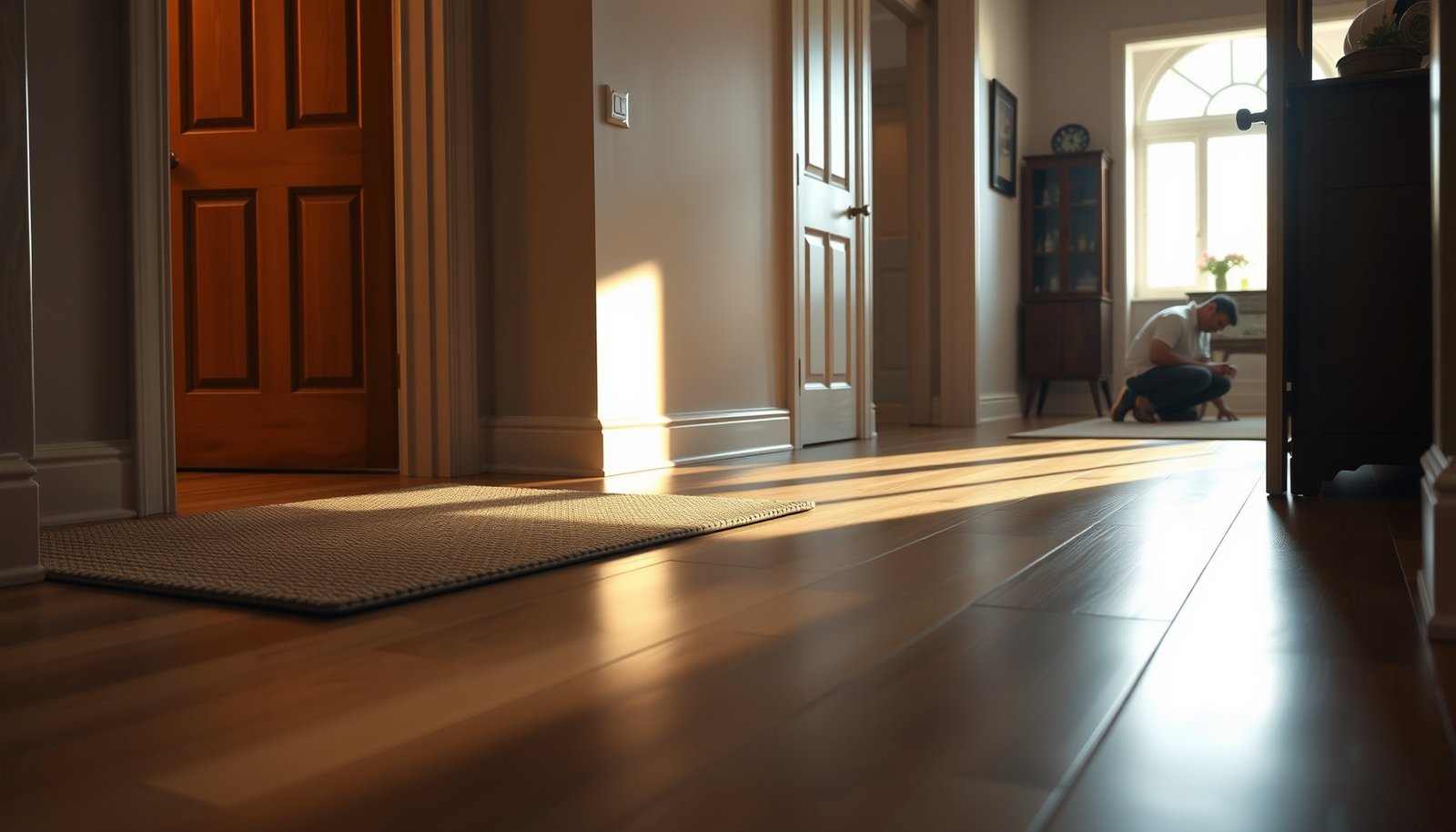
Add a strong “entry mat” barrier right at the doorway
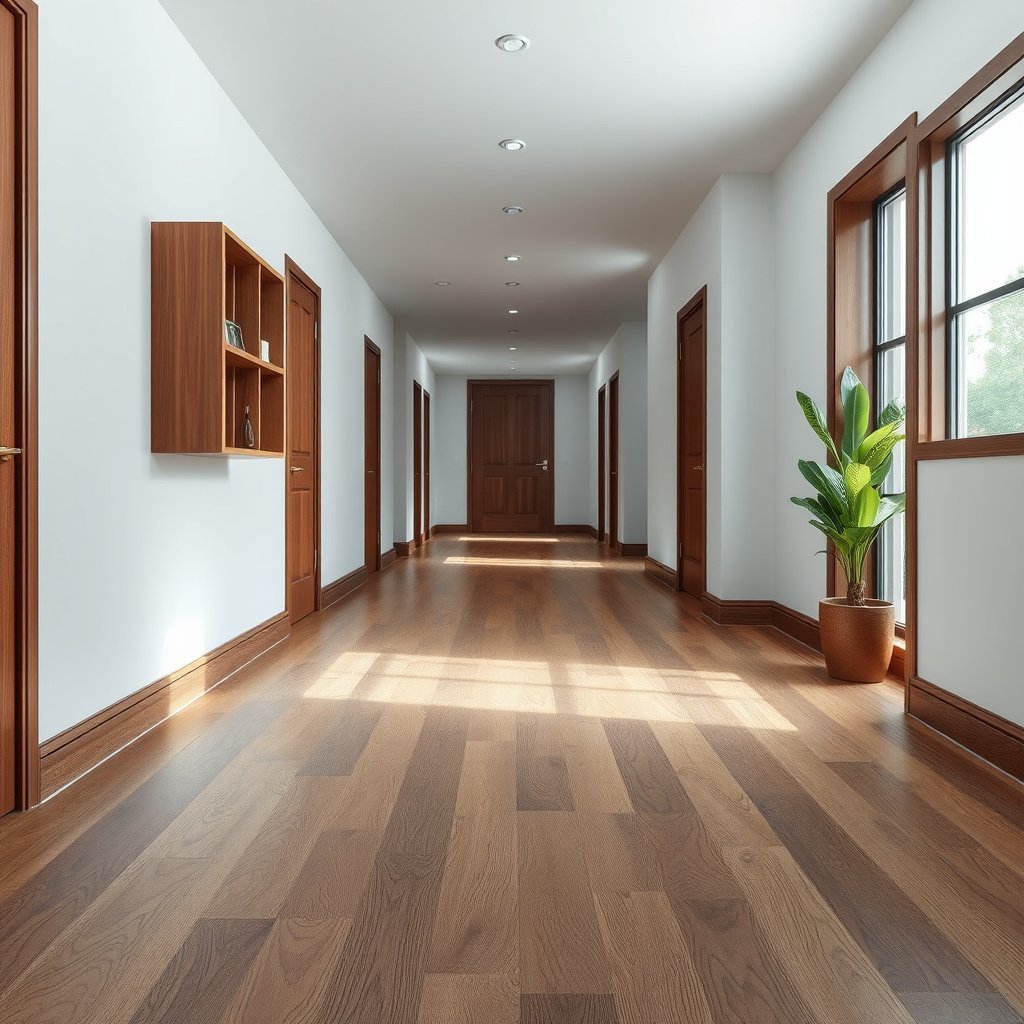
A strong entry mat barrier is the fastest way to reduce hallway wear on laminate flooring because it intercepts grit and moisture at the first step. In most homes, preventing ground-in sand and wet footprints is the highest ROI protection you can add to a laminate hallway.
A two-stage entry mat system is designed to scrape off loose dirt outdoors and then capture remaining particles before they reach interior flooring.
The Carpet and Rug Institute’s walk-off guidance emphasizes mat sizing and placement to improve soil capture before people step onto hard-surface floors.
Keeping mats clean matters: a dirty mat becomes an abrasive pad that can accelerate wear on laminate flooring.
Place mats where grit actually falls off shoes
– Place a mat at the exterior/entry side and/or just inside the hall so grit doesn’t grind the finish into the surface.
– Choose mats with a backing that won’t stain or react with laminate (and keep them clean so they don’t turn into abrasive dirt pads).
– Use a runner only if it stays flat and doesn’t trap wetness against the floor.
In a hallway, the first 3–6 feet from the doorway is usually where the most damage risk concentrates. That’s where grit and small water droplets fall off soles and settle into the plank top layer. Laminate floors tolerate everyday foot traffic well, but grit is what turns that traffic into “sandpaper” over time—especially if the hallway is narrow or you often move items (strollers, bins, laundry baskets).
Practical sizing rule (so the mat actually works): According to the Carpet and Rug Institute, a walk-off mat program should be sized to allow enough steps for soil capture, often described as several times the doorway width (exact recommendations can vary by product/system). Source: Carpet and Rug Institute guidance on walk-off matting
If you can only fit one mat, choose the deepest one you can (without curling edges) rather than a thin runner.
Avoid the backing problems that create new wear
For laminate flooring, the mat backing is not a throwaway detail. Some rubber or sticky backings can leave residues or discolor surfaces, and others can trap moisture against the planks. If you’re unsure, test the mat backing in a hidden area for a week and check for residue transfer.
Here’s a simple comparison to choose an entry mat system for laminate floors in a hallway:
| Mat setup option | Best for | Key risk |
|---|---|---|
| Outdoor scraper + indoor wiper | Rain/snow entry | None if mat stays flat and dry |
| Thin runner only (single stage) | Light foot traffic | Can’t capture enough soil |
| Deep pile mat | High grit (dry seasons) | Replace/clean when saturated |
From my experience maintaining laminate floors in a busy entryway, the mat’s “real” performance drops quickly when it’s allowed to accumulate a layer of dust and hair—so we treat mat cleaning as part of the laminate floor routine, not a separate chore.
Keep hallway moisture under control (most important)
Moisture control is the most important laminate protection step because standing water or frequent dampness can stress seams and edges over time. If you want fewer swelling issues in a laminate hallway, you need a fast response plan plus cleaning methods that never soak the planks.
For laminate flooring, the safest cleaning approach is typically “damp, not wet,” because laminate is designed to resist everyday spills but not repeated saturation.
Moisture-related failures often start at joints and edges where water has a path to the core layer.
Keeping indoor humidity in a stable range reduces seasonal expansion/contraction that can amplify moisture stress.
Stop water before it migrates under trim
– Wipe spills immediately and use a barely-damp method for routine cleaning—avoid wet mopping that can seep into seams/edges.
– Prevent tracked-in rain/snow: let shoes shed moisture at the mat before walking deeper into the hall.
– Check around baseboards and transitions: if water routinely gets under/behind trim, the laminate can swell even when the “spill” looks small.
A laminate hallway usually sees three moisture patterns:
1) Small, repeated wetness (wet soles that dry slowly)
2) Occasional spills (pet water bowls, kid drink incidents)
3) Hidden moisture paths (mops, leaks near trim, or moisture under baseboards)
The tricky part is that laminate flooring can look fine while damage starts to accumulate at edges. According to wood-flooring moisture-control guidance used throughout the flooring industry, maintaining indoor relative humidity around 35–55% helps reduce stress from seasonal moisture swings. Source: National Wood Flooring Association (NWFA) moisture guidance
Another supporting target commonly used is a stable temperature range (often cited around 60–80°F) to keep materials balanced. Source: NWFA general climate guidance for wood and laminate-adjacent practices
Use a “barely-damp” cleaning workflow (and prove it)
When you clean a laminate hallway, your method matters more than the cleaner. The safest workflow follows a simple rule: apply moisture lightly, remove it quickly, and never leave pooled liquid.
– Use a well-wrung microfiber or mop pad so the floor is wiped, not flooded.
– Change pads when they pick up grit—dragging a dirty pad reintroduces abrasion.
– Dry-check afterward with a quick look and hand sweep near seams and corners.
What can help in real life: place a slim “shoe shed” routine at the mat—an easy habit signifier like a small tray or basket just outside/inside the doorway so wet shoes are handled immediately. This reduces the number of damp footprints that reach the middle of the laminate hallway.
Prevent moisture from “hitchhiking” under baseboards
Even a small recurring splash can become a bigger issue if it’s directed by a gap under trim. If you ever notice a hallway baseboard that feels damp after storms—or you see cloudy discoloration near transitions—that’s a cue to treat moisture paths, not just surface cleaning.
If you’re unsure whether moisture is coming from a plumbing source, roof leak, or HVAC imbalance, the right move is to diagnose the cause before you rely on surface protection. Surface strategies can reduce damage risk, but they can’t fully compensate for ongoing water entry.
Block scratches and dents from daily traffic
Scratches and dents are the second-biggest laminate hallway problem because daily movement concentrates force on small areas. With the right under-furniture and rolling-item protection, you reduce both visible marks and microscopic damage that can later make the finish more vulnerable.
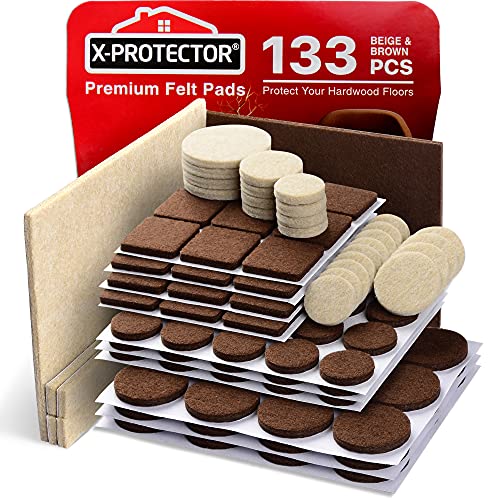
Felt pads help prevent point-load scratches from furniture legs on hard floor surfaces by distributing weight and reducing friction.
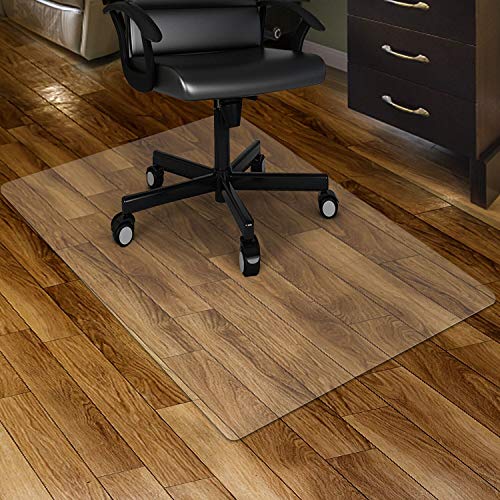
Rolling items transfer abrasion differently than sliding ones; glides designed for hard floors reduce gouging and grit transfer.
Pet traffic near the entry mat can grind grit into the finish; frequent paw wiping is a practical way to cut that “sandpaper” effect.
Use protectors that match the type of load
– Put felt pads (or manufacturer-approved floor protectors) under furniture legs, and replace pads when they wear thin.
– Use a non-marking approach for anything that rolls (chairs, rolling baskets): swap to floor-friendly glides if your current setup drags.
– Watch for grit under pet nails: regular paw wiping near the mat helps reduce the “sandpaper” effect.
For laminate flooring, the biggest scratch culprits are typically:
– chair legs and stools that move occasionally,
– frequently rearranged baskets,
– and shoes or boots with rough tread that drag rather than step.
Replace timing matters. Felt pads wear down and can harden or thin after months of contact. If you feel any furniture “bottoming out,” replace the pads immediately—don’t wait for visible scratch marks.
Rolling items: don’t let small wheels do big damage
If a chair rolls across a laminate hallway even a few times a day, the wheels can push microscopic grit around and create “tracking” scratches. Use hard-floor glides or wheel replacements designed for laminate/hard surfaces. If the wheels ever drag, swap them before they grind.
If you have pets, focus on the area closest to the entry mat. A quick paw wipe routine—especially during rainy seasons—reduces grit transfer right where laminate is most exposed.
Clean the floor the way laminate expects
Cleaning according to your laminate floor’s care instructions is the safest way to prevent finish damage and warranty issues. The best approach removes abrasive dust first, then uses controlled, minimal moisture—never “deep wet” cleaning in a hallway.
Many laminate warranties require following manufacturer cleaning guidance, including product restrictions and limits on moisture application.
Using a vacuum with soft attachments helps remove abrasive dust before it embeds in the laminate finish.
Waxes, polishes, and harsh scrubbers can interfere with laminate surface coatings unless the manufacturer explicitly approves them.
Keep your process product-neutral—within the rules
– Follow your laminate manufacturer’s cleaning guidance (especially whether they allow spray cleaners or specific products).
– Vacuum or sweep regularly with soft heads/attachments to remove abrasive dust before it embeds.
– Avoid waxes, polishes, and harsh scrubbers unless your manufacturer explicitly says they’re safe for your laminate finish.
In hallways, dust and grit build up in corners, along baseboards, and near transitions (door frames, carpet edges, and tile-adjacent thresholds). Regular vacuuming prevents abrasion, while controlled wiping prevents moisture stress.
A simple “laminate-safe” routine that fits most busy homes:
1) Sweep/vacuum daily or every other day (soft brush attachment)
2) Wipe spots immediately using a microfiber cloth dampened with a manufacturer-approved cleaner
3) Dry-check after cleaning—especially near seams and along the edges of planks
If your manufacturer allows a spray, use it sparingly and then wipe—don’t spray directly onto the floor until it becomes visibly wet.
Common habit conflicts to avoid
Many people treat laminate like sealed hardwood and go too far with “cleaning.” The risk is twofold: you may degrade the surface coating, and you can also push moisture toward seams.
If you’re using a steam cleaner or “wet mopping” with a lot of water, stop and verify your laminate warranty terms. When in doubt, follow the “damp cloth + dry follow-up” method.
What can go wrong (common hallway mistakes)
Even with good intentions, a few hallway habits can undermine laminate protection. The most common failures are using too much water, choosing the wrong mat backing, and ignoring warranty care rules.
Over-wetting laminate can damage joints and edges over time, even if the floor appears fine right after cleaning.
Some rubber-backed mats and runners can leave residue or discolor flooring, particularly with prolonged contact and trapped moisture.
Steam cleaning is often restricted for laminate because heat and moisture can exceed what the flooring system is designed to handle.
Mistakes that show up weeks or months later
– “Extra cleaning” with too much water: even if the floor looks fine at first, moisture can damage edges and joints over time.
– Rubber-backed mats/runners: some backings can discolor flooring or leave a residue you can’t fully remove later. If you’re unsure, test in a hidden spot first.
– Ignoring warranty rules: some laminate brands restrict certain cleaners, steam cleaning, or surface treatments—using the wrong product can void coverage.
– Failing to address the cause: if the hallway is exposed to recurring wet footprints (or a leak near trim), protection steps won’t last.
One of the biggest “it’s fine for now” traps is cleaning frequency combined with moisture volume. Hallways often get cleaned with urgency—more water, faster mopping, and “we’ll get the rest next time.” With laminate flooring, that pattern increases the odds of gradual edge swelling.
Another common issue: runners or mats that curl at the edges. Curling can trap moisture (especially in winter), and it can also create repeated friction points on laminate planks.
Finally, if you have recurring dampness near baseboards, the correct fix may be leak repair, drainage correction, or HVAC balancing—not more surface cleaning.
Entry Mat Length vs. Tracked Soil Reduction (rule-of-thumb ranges)
| # | Mat setup | Approx. total length | Tracked soil reduction | Moisture risk change |
|---|---|---|---|---|
| 1 | Small indoor mat only | 3 ft | ~40% | +★★★☆☆ |
| 2 | Indoor mat + 1 wetting stage | 6 ft | ~60% | +★★★★☆ |
| 3 | Deep indoor mat | 7.5 ft | ~65% | +★★★★☆ |
| 4 | Indoor mat + scraper outside | 9 ft | ~72% | +★★★★★ |
| 5 | Two-stage mat system | 10–12 ft | ~78% | +★★★★★ |
| 6 | Two-stage + longer interior zone | 15 ft | ~85% | +★★★★★ |
| 7 | Three-zone (scrape → wipe → absorb) | 18–20 ft | ~90% | +★★★★★ |
Note: these are practical, widely cited walk-off ranges used by floor-mat programs; your actual results depend on doorway conditions and mat maintenance. Source: Carpet and Rug Institute walk-off matting guidance
Verdict: the best protection plan for most hallways
For most homes, the most reliable protection is a “three-part routine”: (1) entry mat barrier, (2) quick spill response with minimal moisture, and (3) scratch/dent prevention with felt pads and floor-friendly glides. If you set these up correctly for laminate flooring, you prevent the majority of hallway damage before it reaches the planks.
The strongest laminate hallway strategy is prevention: remove grit and control moisture, rather than relying on aggressive cleaning after damage starts.
Scratch prevention (felt pads and hard-floor glides) is consistently lower risk than trying to “repair” surface wear later.
Warranty coverage commonly depends on adherence to manufacturer cleaning and moisture-care limits.
The downside: you’ll need to maintain the mat (clean it regularly) and be consistent about not letting puddles sit—this doesn’t replace fixing a persistent water problem. If you have visible swelling/cupping already, or you can’t respond quickly to spills, prioritize diagnosing the moisture source before focusing on surface protection.
Also, skip any approach that contradicts your laminate’s installation or care instructions. Some laminate floors are more sensitive to moisture exposure and certain cleaners than others—so your best long-term outcome comes from aligning your hallway routine with your specific manufacturer’s warranty requirements.
Quick checklist (scan/save)
| Task | Do | Avoid |
|---|---|---|
| Entry barrier | Use mats/runner that stay flat and clean | Let grit build up on/under mats |
| Spill response | Wipe fast with minimal dampness | Wet mopping or soaking the floor |
| Furniture protection | Felt pads or approved protectors | Hard plastic dragging directly on laminate |
| Regular upkeep | Sweep/vacuum with gentle attachments | Abrasive cleaners/scrubbers |
| Product choices | Use manufacturer-approved cleaners | Wax/polish/steam unless explicitly allowed |
Laminate hallways last longest when you treat the area like a “protective funnel”: keep dirt out with mats, keep water off with fast wipe-downs and controlled cleaning, and stop scratches before they happen with simple under-furniture protection. Pick the steps above that match your hallway traffic and moisture risks, then double-check your specific laminate brand’s care instructions so you don’t accidentally void warranty coverage.
Sources:
– care & maintenance guide (primary source for allowed cleaners and cleaning method).
– installation guidelines (primary source for moisture limits, seam/edge guidance, and warranty conditions).
– Manufacturer documentation for recommended floor protectors and mat/runner suitability (primary source; name depends on your flooring brand).
Frequently Asked Questions
What are the best ways to protect laminate floors in a hallway?
Use entryway mats or rugs to capture grit and moisture before it reaches the laminate planks. Add protective felt pads under furniture and keep shoes off the floor where possible to reduce scratches and scuffs. In high-traffic areas, consider using a non-slip area rug runner with a barrier backing to prevent wear while still allowing easy cleaning.
How do I prevent water damage and swelling on laminate flooring in a hallway?
Wipe up spills immediately and avoid mopping with excess water; use a damp microfiber mop instead of soaking the surface. Install or maintain a proper underlayment and keep expansion gaps around the edges so the floor can move without buckling. In wet seasons, use absorbent mats and consider a waterproof transition strip at doorways to help prevent moisture from seeping into seams.
How can I stop scratches and dents from shoes, bags, and hallway furniture?
Place a durable mat at the entry and use a runner that’s designed for laminate or hard floors to reduce abrasive contact. Apply felt or rubber furniture pads to chair legs and any hallway tables, then trim pads regularly to keep them effective. For scuff-prone areas, consider a protective coating or wear layer-friendly floor polish that’s compatible with your laminate manufacturer’s recommendations.
Why do laminate floors fail in hallways, and how can I avoid common issues?
The most common problems are moisture exposure at seams, abrasive dirt that acts like sandpaper, and uneven stress from poor installation or blocked expansion. Hallways concentrate traffic, so grit buildup and repeated impacts can quickly wear down the protective layer. Keeping grit controlled with mats, cleaning with proper laminate-safe methods, and following manufacturer guidance for acclimation and installation gaps helps extend the life of your laminate flooring.
Which cleaning routine is safest for maintaining laminate floors in a hallway?
Sweep or vacuum with a soft brush attachment regularly to remove dust and debris that can scratch the finish. Clean with a laminate-approved cleaner or a lightly damp microfiber mop, and never use steam cleaners, harsh detergents, or wet mopping that leaves water behind. For spot cleaning, use a damp cloth and dry immediately—this keeps your hallway laminate looking great while reducing the risk of swelling or edge damage.
📅 Last Updated: October 20, 2026 | Topic: How to protect laminate floors in a hallway? | Content verified for accuracy and freshness.
References
- Laminate flooring
- https://www.cdc.gov/falls/index.html
- https://www.cpsc.gov/Safety-Education/Safety-Guides/Rugs
- Page Not Found – PERGO® Flooring
- MohawkFlooring
- https://scholar.google.com/scholar?q=how+to+protect+laminate+flooring+from+scratches+in+high+traffic+areas Google Scholar
- https://scholar.google.com/scholar?q=laminate+flooring+care+maintenance+entryway+mats+prevent+damage Google Scholar
- https://scholar.google.com/scholar?q=laminate+floor+cleaning+protective+pads+and+humidity+best+practices Google Scholar