
Want to prevent water damage to parquet floors? Follow these practical, step-by-step measures—spot-wipe immediately, control humidity, and protect floors from leaks and standing water—to stop swelling, warping, and cupping before they start. You’ll learn the most effective actions to take at home and what to avoid so your parquet stays solid and beautiful.




Prevent water damage to parquet floors by controlling indoor moisture (humidity + leaks) and reacting quickly when water touches the surface. Use entry mats and protective pads to reduce wet contact and tracking, then blot spills immediately and dry with airflow—never flood, soak, or steam-clean. Below is a practical routine to reduce swelling, cupping, and dull spots.
This is especially for homes with high foot traffic, kids/pets, bathrooms/kitchens nearby, or anyone who has noticed gaps forming near doors, windows, or radiators. It also applies whether your parquet is oil-finished or lacquered—just make sure you follow the care guidance for your specific finish.
Control moisture and stop leaks before they reach the boards
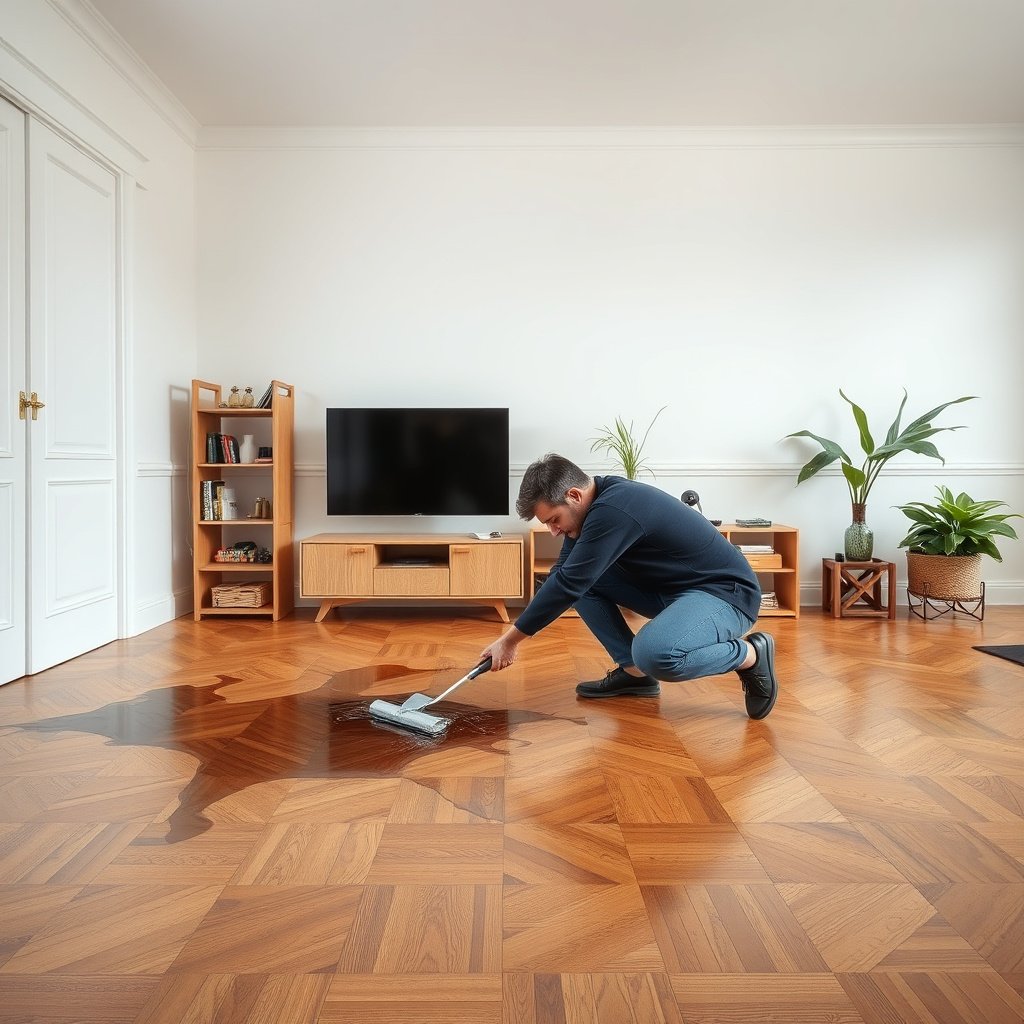
The most reliable way to protect parquet is to keep moisture movement under control—because parquet responds to humidity changes as much as to actual spills. In practice, you prevent damage by stabilizing indoor relative humidity, fixing leaks early, and managing condensation around the floor perimeter.
First, focus on humidity stability. If your HVAC or heating system causes repeated swings (for example, humid in the evening, then very dry overnight), parquet can expand and contract over and over. Second, eliminate “hidden water” sources—slow plumbing leaks, roof/condensation issues, wet HVAC condensate lines, and water that collects near exterior doors and windows before it ever becomes a visible puddle.
According to the National Wood Flooring Association (NWFA), indoor relative humidity is commonly recommended in the 35%–55% range to help minimize wood-floor dimensional movement.
According to the IICRC S500 (2021), moisture problems can escalate quickly, and mold growth may begin within 24–48 hours after water intrusion.
Use humidity control as “preventive maintenance”
Parquet damage often starts where airflow is worst and edges are weakest—door thresholds, radiator fronts, window lines, and corners. Use a hygrometer (humidity meter) to verify conditions instead of guessing. If your home sits below ~35% RH for long periods, parquet can shrink; if it rises above ~55% RH, boards can swell. Both conditions can open gaps and weaken the finish.
Also pay attention to seasonal patterns. If you run humidifiers/dehumidifiers without monitoring, you can accidentally create the very moisture swings that parquet is sensitive to.
Fix leaks early, not after “spotting the puddle”
Water doesn’t only come from accidents. Check:
– Plumbing supply lines under sinks and toilets
– Washing machine hoses and dishwasher connections
– HVAC condensate drains and any wet spots near floor vents
– Roof leaks or exterior wall condensation near parquet edges
If you ever see persistent dampness, discoloration, or a musty odor, treat it as an active moisture source, not a “surface issue.” Parquet needs a dry environment to maintain dimensional stability.
Address exterior door/window condensation
Even when no one spills, condensation can form on cold glass and frames, then drip down. That water may travel to skirting boards and the floor edge. Sealing gaps, improving insulation, and wiping condensation promptly can prevent repeated wetting at joints and seams—exactly where parquet is most vulnerable.
Equilibrium Moisture Content (EMC) vs. Indoor RH for Wood Floors (20°C)
| # | Indoor Relative Humidity (RH) | Expected Wood EMC | Stability Zone | Floor Risk |
|---|---|---|---|---|
| 1 | 30% RH | ~7.8% | Low | ★★☆☆☆ |
| 2 | 35% RH | ~8.9% | Lower bound | ★★★★☆ |
| 3 | 40% RH | ~10.0% | In range | ★★★★★ |
| 4 | 50% RH | ~11.6% | In range | ★★★★★ |
| 5 | 55% RH | ~12.6% | Upper bound | ★★★★☆ |
| 6 | 60% RH | ~13.8% | Above range | ★★★☆☆ |
| 7 | 70% RH | ~15.8% | Well above range | ★☆☆☆☆ |
Note: EMC is equilibrium moisture content; wood-floor movement increases when RH drives EMC away from the level the parquet was balanced at during installation.
Prevent water entry and reduce wet contact on the surface
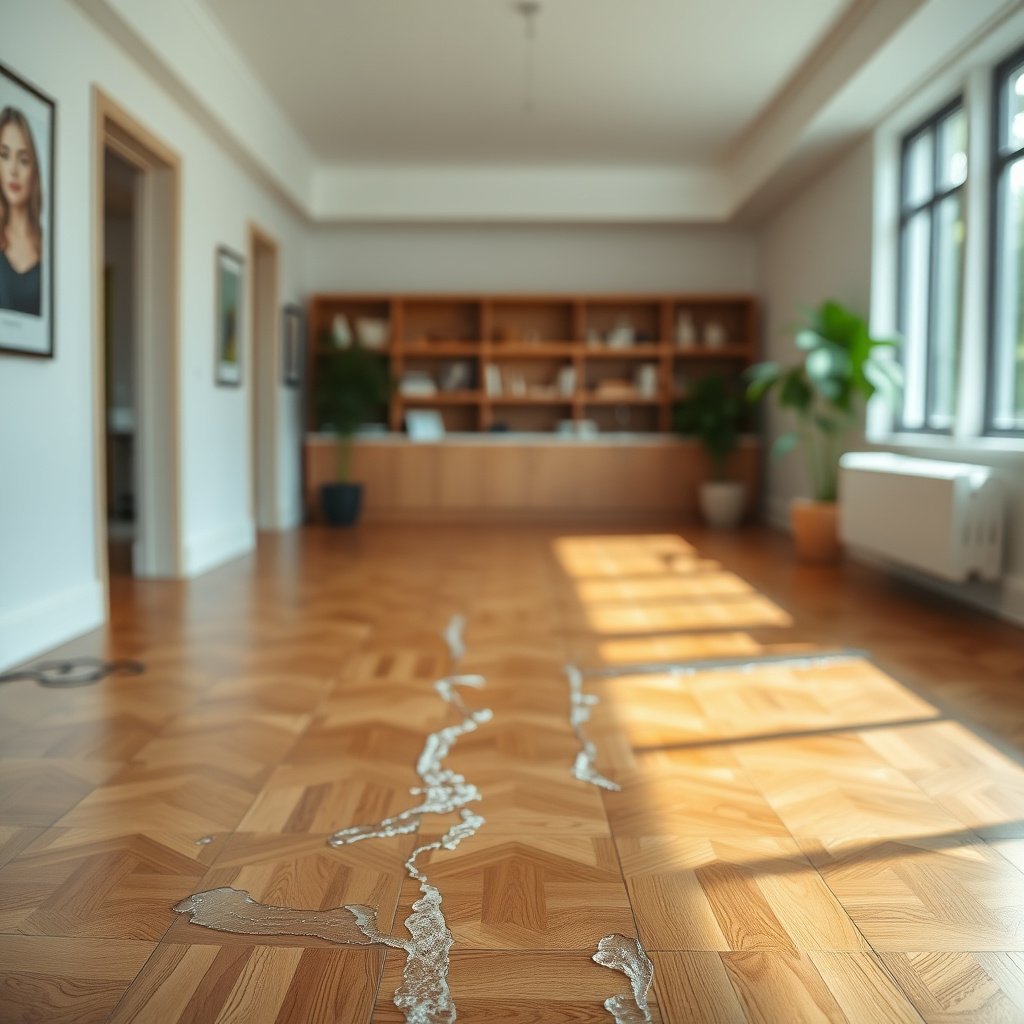
The fastest operational protection for parquet is to stop water at the source points—entries, splash zones, and furniture spill risks. In other words: block tracking, reduce direct wet contact, and keep the floor’s surface exposure time as short as possible.
A well-designed entrance mat reduces tracked moisture by catching debris and allowing “wipe + trap” of muddy or wet shoe soles before they reach the parquet.
Protective pads under furniture and spill barriers (e.g., plant coasters) reduce repeated micro-wetting at small contact points, which is often how dull spots and edge darkening start.
Use quality entrance matting (wipe + trap)
If you have a door near parquet, treat it like a “moisture gateway.” Place:
– One mat outside (optional but helpful) to catch heavy mud
– One mat inside the doorway as the main “wipe + trap” layer
Aim for a mat that physically holds moisture and debris—so water doesn’t get redistributed across the floor when someone walks.
Also set a household rule for wet weather when you can: quick foot wipe or shoes-off where practical. Parquet damage often comes from repeated small wet loads, not just one big accident.
Add protective pads and spill containment
Micro-spills and repeated drips accumulate over time. Use felt pads (or manufacturer-approved glides) under chairs, sofas, and tables. For plants and drinks:
– Use coasters sized to overhang the pot base
– Place drip trays where watering can produce runoff
– Avoid “just for today” cups directly on the finish
Use transition strips or rugs in splash zones
Bathrooms and kitchens near parquet create higher incident rates. Transition strips and rugs can act as a controlled barrier:
– In front of sinks where cleaning water might reach the edge
– In bathroom zones where splashes and wet footwear are common
– Where you mop nearby and the water path can reach parquet seams
If you use rugs, keep them from trapping moisture against the floor by ensuring they’re dry underneath and aren’t constantly damp.
Spill response: dry fast, remove water safely, and limit spreading

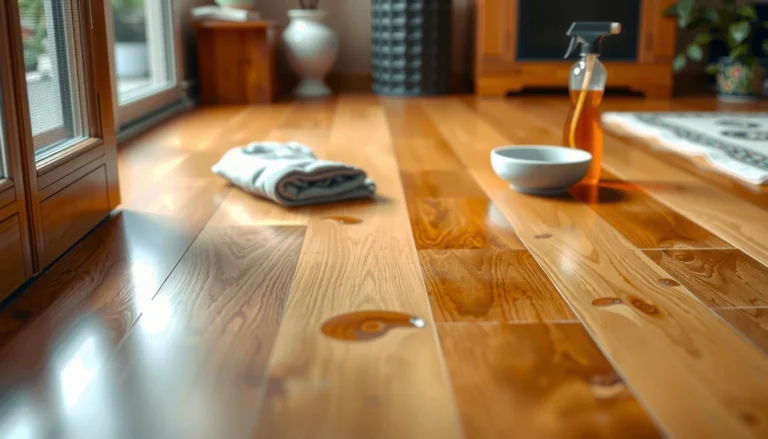
The right spill response is quick, low-force, and targeted: blot the water out of the finish, dry immediately, and check edges and seams. Done well, this prevents swelling, cupping, and permanent dull patches—especially at parquet borders.
Blotting (lifting water out) is usually safer than rubbing, because rubbing can push liquid deeper into joints and increase surface damage risk.
If moisture reaches parquet edges or skirting-board interfaces, water can migrate beyond the initial spill area, so edge and seam checks are essential after any wet incident.
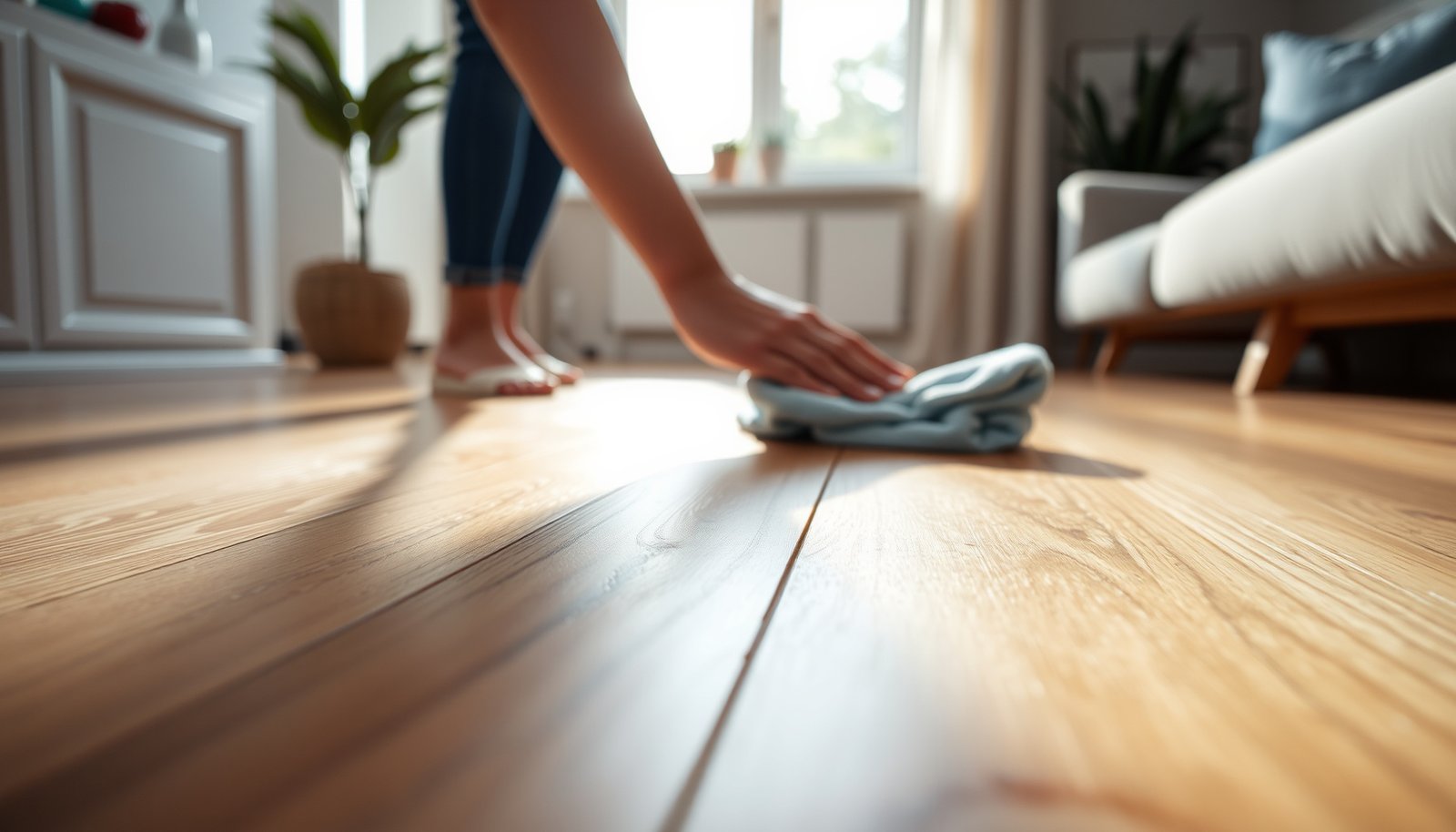
Blot, don’t rub—then dry with airflow
When water gets on parquet:
1. Blot with clean, dry cloths or paper towels to lift moisture.
2. Avoid spreading it with circular rubbing motions.
3. Use clean, dry cloths and place a fan to circulate air (not intense heat).
Repeat cloth swaps as needed. The goal is to remove liquid from the finish surface quickly, not to “let it evaporate slowly.”
Stop water pooling at edges and seams
Even a small spill can wick along edges because parquet boards have joint lines and micro-gaps. After you blot:
– Inspect seams around the spill area
– Check lines along skirting boards
– Look for water that has crept under nearby edges of the parquet pattern
If you see darkening that spreads after you stop blotting, assume moisture is moving laterally and keep drying.
Know when to pause DIY
If you observe swelling, lifted sections, persistent damp feel, or repeated edge bubbling, pause surface-only drying. At that point, you may need advice based on:
– Parquet construction (solid vs engineered)
– Installation method (glued, floating, nailed)
– Finish type (oil vs lacquer) and whether the surface has been breached
Safe cleaning and maintenance that won’t over-wet parquet
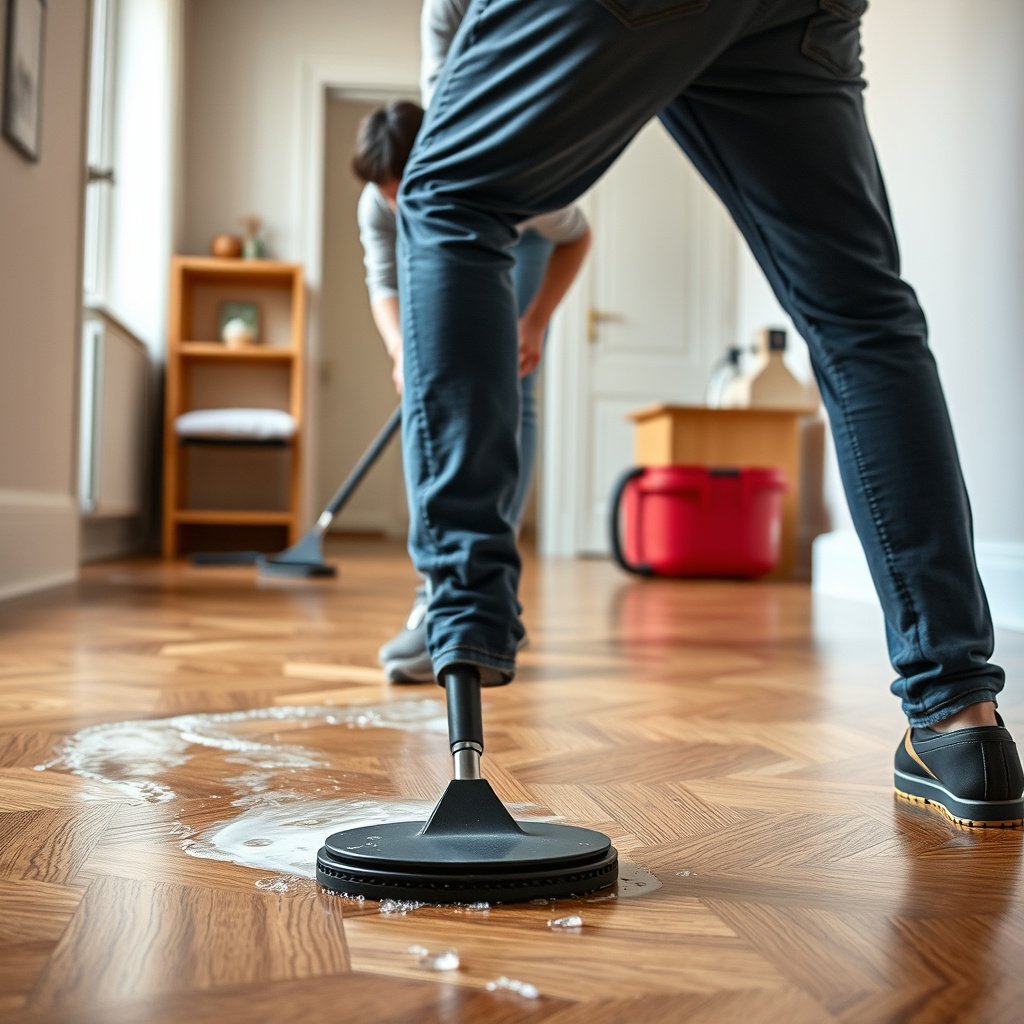
Safe cleaning prevents water damage before it starts by using barely-damp methods and finish-approved products. The core rule: don’t flood, don’t soak, and don’t leave standing moisture—because parquet expands when moisture content rises.
Clean with a well-wrung microfiber method
For routine cleaning:
– Vacuum or sweep first (dry debris removal prevents gritty particles from abrading finish when you wipe)
– Use microfiber with a cloth that’s only lightly damp
– Wipe in sections, then dry the surface if there’s any residual moisture
For oil-finished parquet, maintain the oil layer before it wears thin. For lacquered parquet, keep the topcoat intact to preserve the protective barrier over the wood.
Use finish-specific cleaners only
Oil and lacquer behave differently with respect to solvents and residue. Always use cleaners recommended for your finish type. If you’re unsure, rely on the manufacturer’s care instructions for your exact product line (oil system vs lacquer system, and whether they specify pH neutrality or “no wax/residue” rules).
Comparison: “barely-damp microfiber” vs water/steam approaches
Here’s a practical contrast that helps you decide quickly:
| Method | Best For | Main Risk | Parquet Recommendation |
|---|---|---|---|
| Barely-damp microfiber + finish-approved cleaner | Daily/weekly maintenance | Low (if cloth is well-wrung) | Recommended |
| Mopping with a wet head / frequent rinsing water | Heavy grime on sealed areas | Medium–high (excess moisture in joints) | Use carefully or avoid |
| Steam mop (heat + moisture) | Hard-surface deep sanitizing | High (can penetrate seams and soften finish) | Not recommended |
Steam mops add both heat and moisture, which increases the chance of water penetration into parquet joints and finish-layer compromise compared with a barely-damp microfiber approach.
What can go wrong (and how to avoid it)
Water damage is often the result of a “small, repeated” mistake—especially when homeowners clean more aggressively to remove visible dirt. The fixes are straightforward: correct method, correct product, and enough drying—without over-wetting parquet.
Over-mopping and leaving moisture to sit encourages swelling because parquet boards exchange moisture with the surrounding environment.
Using the wrong cleaner can degrade finish chemistry or leave residues that make dirt stick and can increase the time moisture remains on the surface.
Common failure points to avoid
– Over-mopping or “steam + water” cleaning: this can drive moisture into joints and undermine the surface layer.
– Wrong cleaner: some household chemicals can strip oils/lacquer or leave residues that trap dirt and water.
– Ignoring humidity swings: even without spills, seasonal HVAC changes can cause expansion/contraction cycles.
– Waiting too long after a spill: parquet damage often starts at seams and edges, not only where liquid first touched.
A note on finish types (oil vs lacquer)
Both oil-finished and lacquered parquet can suffer when water reaches joints and lingers. The difference is how the finish barrier handles exposure. That’s why your cleaning and maintenance schedule should match your specific finish system rather than using a one-size-fits-all approach.
Verdict / tip: a simple routine that works—with one big caveat
If you want the best protection without overcomplicating it, combine these: (1) stop leaks early, (2) block tracking with mats, (3) blot-and-dry spills immediately, and (4) clean with barely-damp methods only. The downside is consistency—one delayed spill response or frequent over-wet mopping can undo weeks of careful habits.
If your floor shows visible lifting, persistent gaps that keep widening, or repeated edge swelling, skip “more drying” and get guidance for repairs or refinishing based on your parquet installation and finish type.
Quick checklist (scan/save)
| Situation | What to do right away | What to avoid |
|---|---|---|
| Wet entry / muddy shoes | Wipe feet, use mats, keep water off the floor | Skipping mats in rain or snow |
| Small spill | Blot immediately, then dry with clean cloths + airflow | Rubbing, leaving it “to evaporate” |
| Wet cleaning | Use a barely-damp cloth method | Flooding, soaking, steam cleaning |
| Ongoing moisture risk | Check seams/edges regularly; address leaks fast | Ignoring damp smells or recurring condensation |
| Finish wear | Plan maintenance/refinish before resistance drops | Using random household chemicals |
Frequently Asked Questions
How do I protect parquet floors from water spills and leaks?
Wipe spills immediately with a soft, absorbent cloth and avoid letting water sit on the parquet surface. Use a damp (not wet) mop for routine cleaning and dry the floor promptly after cleaning. For recurring leak risks, inspect under sinks, around toilets, and near appliances, then address the source quickly to prevent water seeping into the wood seams.
What’s the best way to mop parquet floors without causing water damage?
Use a microfiber mop lightly dampened with a parquet-safe cleaner and keep excess water to a minimum. Never steam-clean parquet and avoid soaking the floor, since prolonged moisture can lead to swelling, cupping, or joint gaps. Finish by drying with a clean cloth or dry mop, especially along edges where water can accumulate.
Why does water cause parquet flooring to warp, and how can I reduce that risk?
Parquet is made of wood, and water can penetrate the finish and seams, disrupting the wood’s natural moisture balance. Over time, moisture can cause cupping, buckling, or discoloration, particularly if the floor isn’t sealed well. Keep indoor humidity stable (ideally around 40–60%) and use protective measures like door mats and area rugs to limit water exposure.
Which floor mats and rugs work best to prevent moisture tracking onto parquet?
Place high-absorbency doormats at entrances to catch rain, snow, and grit before it reaches your parquet. Use rug pads with a breathable, non-slip design so water from wet shoes doesn’t pool under the rug. Avoid rubber-backed rugs that can trap moisture and reduce airflow, which increases the risk of water damage over time.
How can I prevent water damage from humidity and condensation in rooms with parquet floors?
Control humidity with proper ventilation, dehumidifiers when needed, and exhaust fans in bathrooms and kitchens. Keep parquet away from direct water sources and ensure HVAC airflow reaches the floor evenly to prevent localized dampness. If you notice condensation or musty odors, investigate ventilation or plumbing issues early, because repeated moisture exposure can degrade the parquet finish and compromise the wood.
📅 Last Updated: October 15, 2026 | Topic: How to prevent water damage to parquet floors? | Content verified for accuracy and freshness.
References
- Parquet
- https://www.fpl.fs.usda.gov/documnts/fplgtr/fpl_gtr190.pdf
- https://www.epa.gov/mold/preventing-mold
- https://www.cdc.gov/mold/default.htm
- https://www.britannica.com/art/parquet-flooring
- Wood-decay fungus
- Wood flooring
- https://scholar.google.com/scholar?q=parquet+floor+water+damage+prevention Google Scholar
- https://scholar.google.com/scholar?q=wood+flooring+moisture+content+dimensional+stability+cupping+warping Google Scholar
- https://scholar.google.com/scholar?q=hardwood+floor+care+humidity+control+standing+water Google Scholar