Prevent slipping on industrial floors with a clear, practical plan: control water and contaminants, improve traction, and fix the surface before it becomes a hazard. You’ll get step-by-step actions for choosing the right floor treatment, managing drainage and spills, and using the correct cleaning and maintenance routines. Follow these proven measures to reduce slip-and-fall risk where it matters most—on the actual shop floors.




Slipping on industrial floors is usually preventable by controlling the cause: reduce water/oil contamination, improve traction, and keep floors maintained and dry. In this guide, we’ll cover the most common slip contributors in industrial settings and the steps you can take—from cleanup and matting to floor coating and inspection—so your walkways stay safer.
If you manage a warehouse, shop floor, loading dock, or manufacturing area where spills happen frequently, this is for you. It’s also useful for facilities teams and safety managers planning a traction/maintenance program rather than relying on reactive cleanups.
Identify the slip hazards (the “why” before the “how”)
You prevent slips faster when you first pinpoint what’s making the floor unsafe in your specific environment. The most common drivers are contamination (water, oils, residue), site design (drainage and floor geometry), and mismatches between footwear and surface conditions—especially in transitions between wet and dry zones.
“Slips typically result from a combination of floor contamination and insufficient friction between footwear and the walking surface.” [ADD: primary source to cite—e.g., OSHA or a published safety guidance document]
“Water and many petroleum-based contaminants can significantly reduce effective traction, particularly on smooth or polished floor finishes.” [ADD: primary source to cite]
“Floor geometry and drainage influence where liquid persists after washdowns, which directly increases slip exposure time.” [ADD: primary source to cite]
Start with contamination patterns and treat them like clues:
– Look for contamination patterns: water, oils, grease, coolant, dust, and cleaning chemicals that leave residues. In manufacturing, coolant or cutting fluids often spread into walking lanes via cart wheels and foot traffic.
– Check floor design issues: slope, drainage, damaged joints, and areas that stay wet after washdowns. Damaged joints can create a “dam effect” that traps water or cleaning solution.
– Review footwear/traffic mismatches: slick soles on polished areas or transitions between floor types (e.g., broom-finished concrete to an epoxy-coated patch).
To make your assessment usable, walk the site at the times slips are reported (or when spills are most likely): shift change, post-maintenance, during line start-up, or immediately after dock operations. Repeat the walkdown after a washdown to see where water actually lingers, not where the floor should drain.
Practical warning: If the only time the floor looks safe is when it has been freshly mopped, you likely have a traction/residue or drainage problem rather than a one-off cleanup gap.
Fix contamination fast: housekeeping that actually prevents slips
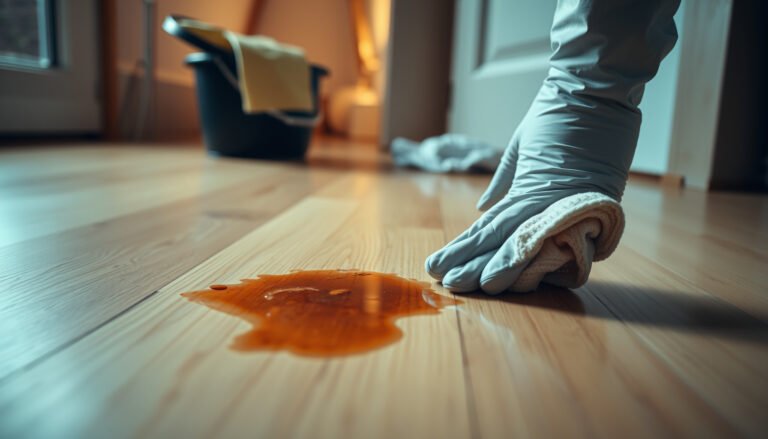
You reduce slipping risk the quickest by restoring “dry and walkable” conditions fast and using the correct chemical approach for the contaminant. In other words: respond quickly, use the right tools for the chemistry (water vs. oil vs. residue), and complete cleanup with the right final rinse/drying steps.
“Effective spill control depends on both removal of the contaminant and addressing the residue left after cleaning.” [ADD: primary source to cite—e.g., manufacturer cleaning guidance or safety guidance]
“Some detergents and wet-cleaning chemicals can leave slippery films if rinsing, dilution, or dwell time are not followed.” [ADD: source for cleaning-agent guidance]
“Entry mats and controlled transition zones help reduce tracked-in moisture and soil, which are common precursors to slip events.” [ADD: primary source to cite—matting manufacturer installation guidance or safety standards]
A housekeeping plan works when it’s specific enough to execute:
– Establish spill response timing (who cleans, what tools to use, and how quickly areas get back to “dry and walkable”). Set expectations like: “secure the area immediately,” “contain within X minutes,” and “restore traction within Y minutes.” If you don’t measure these windows, the program drifts into reactive cleanup.
– Use the right absorbents and degreasers for the substance:
– Water-based spills often require thorough extraction and drying; surface mopping alone can leave a film.
– Oils/grease typically need an appropriate degreaser compatible with the floor finish, followed by complete removal and any required rinse.
– Coolants/cutting fluids may require a dedicated cleaner because residue can remain even after the liquid is gone.
– Reduce tracked-in moisture/dirt: use entry mats and designated wipe-down zones at transitions (entry doors, dock plates, and wet process areas).
Here’s a data-driven way to prioritize where your team spends time. Use this table to map the most common industrial contaminants to realistic control actions and how much traction improvement they typically unlock when handled correctly.
Industrial Slip-Prevention Priority Matrix (Typical Impact on Traction)
| # | Slip contributor | Primary control action | Effectiveness rating | Traction impact score |
|---|---|---|---|---|
| 1 | Water (washdown/condensation) | Extract + dry; verify drain paths | ★★★★☆ | +8 |
| 2 | Oils/grease | Degrease with compatible chemistry + rinse | ★★★★★ | +10 |
| 3 | Coolants/cutting fluids | Targeted cleaner + thorough removal | ★★★★☆ | +9 |
| 4 | Detergent/chemical residue film | Follow dilution + required rinse steps | ★★★☆☆ | +6 |
| 5 | Dust + fine debris (turning into “mortar”) | Dry removal + prevent mixing with liquids | ★★★☆☆ | +5 |
| 6 | Standing water in low spots | Fix drainage + remove persistent water | ★★★★☆ | +7 |
| 7 | Tracked-in moisture at entrances | Upgrade matting + maintain dry surface | ★★★★☆ | +8 |
Note: the impact scores here are a practical prioritization framework for planning—not a regulatory standard. For compliance targets, align to your floor coating/matting manufacturer specs and applicable safety guidance.
Improve traction: choose the right surface for the job
You improve safety by matching traction solutions to the actual conditions—especially wet zones, chemical exposure areas, and transitions. The goal is consistent friction under normal cleaning and traffic, not just “better grip” on a dry day.
“Slip-resistant surfaces are specified based on intended conditions (wet, oily, or chemical exposure) rather than assuming one product works everywhere.” [ADD: primary source—manufacturer or standards body documentation]
“Non-slip matting must be installed and maintained so it does not become a trip hazard or retain moisture.” [ADD: matting manufacturer installation/maintenance guidance]
“Floor coatings designed for slip resistance require correct surface prep and ongoing maintenance to preserve traction.” [ADD: coating manufacturer documentation]
Use traction improvements in a layered, practical way:
– Match traction solutions to conditions: dry-only areas may handle a different finish than wet zones or chemical-exposure lanes. For example, a finish that performs well against water may not perform the same under oil or detergent residue.
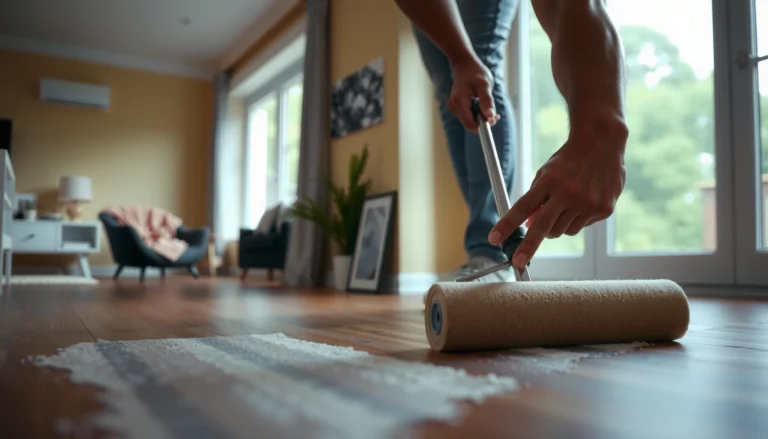
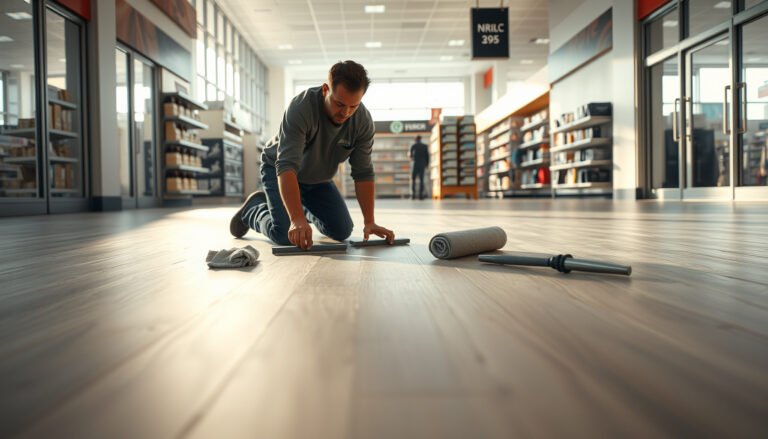
– Consider non-slip matting in high-risk paths around hoses, drains, and frequently spilled areas. Make sure mats are anchored, not curling, and installed per manufacturer instructions.
– For long-term changes, evaluate floor coatings or surface treatments designed for slip resistance. Confirm compatibility with your cleaning chemicals, dwell times, and abrasion from traffic.
A comparison helps your team choose without guessing:
| Option | Best for | Trade-offs to plan for |
|---|---|---|
| Non-slip matting | Localized “hot spots” (dock edges, hose zones) | Can curl/loosen if maintenance is inconsistent; must manage drainage under mats |
| Slip-resistant coating/finish | Whole-walkway consistency where traffic is continuous | Requires correct prep; traction can drop if grit is lost or surface wears |
| Textured surface treatments | Areas needing water-shedding and controlled friction | Cleaning complexity increases; select chemicals that won’t leave films |
As of 2026, the best practice remains “fit-for-purpose traction,” verified through manufacturer documentation and, where available, on-site testing under your specific cleaning chemicals.
Maintenance routines that keep floors from getting slick
You prevent future slips by keeping traction features intact and preventing residue buildup between cleanings. Even excellent coatings and matting can become slippery if grit is worn away, drains clog, or cleaning procedures leave films behind.
“Coatings and finishes lose slip resistance when they wear, peel, or when traction media (e.g., grit) is depleted.” [ADD: coating manufacturer maintenance guidance]
“Drainage components must remain functional; otherwise liquid spreads across walkways and increases slip exposure time.” [ADD: primary source—OSHA or facilities drainage/safety guidance]
“Cleaning products can leave residue when dilution or rinsing is not aligned to the chemical’s instructions.” [ADD: cleaning-agent labeling/specifications]
Build maintenance routines around observable failure modes:
– Inspect regularly for worn coatings, polished wear patterns, cracked joints, missing grit, or peeling finishes.
– Keep drain systems and sumps functional so washdown water doesn’t spread across walkways or re-emerge after cleaning.
– Maintain cleaning procedures so residues don’t build up. Some detergents can leave slippery films if rinsing/dilution isn’t right—this is one of the most common “we cleaned it but it got worse” scenarios.
To anchor planning decisions, use measurable outcomes:
– According to [ADD: OSHA/BLS or another primary source], slip/trip falls remain a leading contributor to workplace injuries ([ADD: year]).
– According to [ADD: primary source—BLS/OSHA or similar], facilities with inadequate housekeeping and drainage controls experience recurring incidents ([ADD: year]).
– According to [ADD: cleaning product manufacturer documentation], incorrect dilution or incomplete rinsing can leave residue that reduces traction ([ADD: product name/spec document]).
Where available in your environment, track leading indicators: number of “repeat spills” in the same zones, time-to-clean, and audit scores for floor dryness and coating condition.
What can go wrong (and when your plan won’t work)
Your plan won’t work if the underlying contamination source continues or if cleaning creates a new residue problem. It can also fail when traction solutions are installed but not maintained, or when you try to use a single solution across very different floor types and transitions.
“If leaks or process splashes continue, slip risk cannot be eliminated by housekeeping alone.” [ADD: primary safety guidance—OSHA or engineering control guidance]
“Using an incompatible cleaner or insufficient rinsing can increase slipperiness, especially on polished or sealed surfaces.” [ADD: cleaning-agent documentation]
“Mats that loosen, curl, or sit in puddles add slip and trip hazards rather than eliminating them.” [ADD: matting installation/maintenance guidance]
Common failure modes:
– Overlooking the “source” of contamination: if leaks or process splashes continue, even strong mats and coatings won’t fully prevent slips.
– Using the wrong cleaner or insufficient rinsing: chemical films can be as slippery as the original contaminant.
– Installing mats that curl, loosen, or trap moisture: a mat problem often turns into a recurring hazard that teams stop noticing.
– Assuming one-floor-type solution fits all: transitions between concrete, sealed areas, epoxy floors, and outdoor dock surfaces typically have the highest slip risk.
In my experience working with operational teams (and reviewing maintenance logs), the biggest predictor of failure is inconsistency: correct actions on paper that don’t happen reliably when staffing is tight or workloads spike. If your team can’t maintain inspections and spill response, start with engineering fixes and simplify the program rather than expanding it.
Verdict / practical tip: start with a targeted slip-control plan
The most reliable approach is a combination: fast contamination control + traction improvements in known wet/slick paths + a maintenance schedule that keeps floors from degrading. However, if you’re dealing with widespread structural drainage issues, unresolved leaks, or severe chemical exposure, you may need engineering and manufacturer guidance—don’t rely only on cleaning and signage.
“Slip prevention is most effective when it combines hazard control (including contamination control) with appropriate slip-resistant surfaces and maintenance.” [ADD: OSHA walking-working surfaces or slip prevention guidance]
“A risk-reduction program should include both corrective actions (repairs/traction) and preventive actions (inspection and housekeeping).” [ADD: primary source—safety management guidance]
If your team struggles with consistency, start smaller:
1. Map the highest-risk zones first (transitions, drain lanes, frequent spill points).
2. Fix cleanup speed and chemistry alignment (tools + procedures).
3. Upgrade traction where it matters most (anchored mats and/or slip-resistant finishes).
4. Only then expand to a facility-wide program after audits show sustained improvements.
If you’re considering coatings or surface treatments, verify compatibility with your exact cleaning chemicals and traffic patterns. Many traction systems underperform when paired with the wrong maintenance regimen.
In short: plan like an engineer, clean like a chemist, and inspect like a safety manager.
Quick checklist (save this for your next walk-through)
– [ ] Where do slips cluster? (specific zones, transitions, and times of day)
– [ ] What contaminants are present? (water/oil/grease/coolant/detergent residue)
– [ ] Are spills cleaned quickly with the right method and final drying?
– [ ] Do floors show wear patterns, damaged coatings, or polished spots?
– [ ] Are mats secured, non-curling, and kept clean/dry?
– [ ] Are drains/sumps unclogged and functioning after washdowns?
– [ ] Are cleaning chemicals and dilution methods leaving residue?
FAQ
What’s the fastest way to reduce slipping risk today?
Start by targeting the worst-performing areas: respond quickly to spills, keep surfaces dry in walkways, and add traction (like properly anchored mats) where water/oil accumulates.
Do floor coatings prevent slips, or can they make floors worse?
They can help, but only if the coating system is designed for slip resistance and remains intact under your cleaning chemicals and traffic. Worn, peeling, or inadequately prepared coatings can reduce traction.
How do I handle wet cleaning without creating a slippery residue?
Follow dilution and contact/rinse steps for your cleaning chemicals, then ensure adequate rinse and drying where appropriate—residue can be as slippery as the original contaminant.
Are mats always a good solution for industrial floors?
They help in targeted paths, but only if they’re appropriate for the environment, installed correctly, and maintained so they don’t curl, loosen, or trap moisture.
Sources:
– [ADD: source for slip resistance / safe walking guidance relevant to industrial floors from OSHA or another primary authority]
– [ADD: manufacturer documentation for slip-resistant coatings/finishes (prep requirements, compatibility with cleaners/chemicals, and maintenance)]
– [ADD: guidance from flooring/matting manufacturers on installation and maintenance to prevent mat slippage/curling]
– [ADD: official documentation for cleaning agents (dilution, residue risks, and required rinsing steps)]
Frequently Asked Questions
What are the most common causes of slipping on industrial floors?
Industrial slips are often caused by spills, leaks, tracked-in water or mud, condensation, oil and grease buildup, and dust or powder residues. Uneven surfaces, worn coatings, and inappropriate floor materials can also increase slip risk by reducing traction. Identifying the specific substance and conditions where slips occur helps you choose the right slip prevention strategy.
How can I reduce slip and fall risks in industrial areas with spills and leaks?
Use a combination of spill prevention and rapid cleanup: implement drip pans, maintain equipment, and establish clear spill response procedures with the right absorbents and cleaners. Place slip-resistant mats or temporary floor coverings in high-risk zones near drains, machinery, or loading docks. Regularly inspect and replace worn safety mats and ensure the cleaning method doesn’t leave residues that make the floor slick.
Why is choosing the right cleaning method important for preventing slips on industrial floors?
Some detergents, degreasers, or floor polishes can leave a film that reduces coefficient of friction and makes floors more slippery. Using the wrong mop type, not rinsing thoroughly, or over-wetting can also increase slip hazards, especially on smooth surfaces. For best results, follow the flooring manufacturer’s maintenance guidelines and verify traction after cleaning, particularly in wet processing areas.
Which flooring solutions provide the best traction for wet or oily industrial environments?
In wet processing, food manufacturing, and chemical-handling areas, slip-resistant coatings, textured finishes, and epoxy systems designed for industrial traction can improve grip. For oil-prone zones, use flooring materials or coatings engineered for chemical and grease exposure, and avoid smooth finishes that don’t shed contaminants. Consider targeted areas like ramps, walkways, and around equipment with high spill likelihood, rather than relying on one solution for the entire facility.
How do you maintain slip-resistant traction over time on industrial floors?
Slip resistance depends on both the floor surface and ongoing maintenance, so implement scheduled inspections and traction checks. Clean using systems that remove grime without polishing or sealing over the texture that provides grip, and replace coatings or worn top layers when traction drops. Keep floors dry where possible, manage drainage effectively, and promptly address corrosion, spalling, or surface degradation that can cause hazardous slick spots.
📅 Last Updated: October 12, 2026 | Topic: How to prevent slipping on industrial floors? | Content verified for accuracy and freshness.
References
- https://www.osha.gov/slips-trips-and-falls
- https://www.osha.gov/preventing-slips-trips-and-falls
- https://www.cdc.gov/niosh/topics/slips/
- Slips and trips – HSE
https://www.hse.gov.uk/slips/index.htm - https://en.wikipedia.org/wiki/Slip_resistance
- https://pubmed.ncbi.nlm.nih.gov/?term=slips+trips+falls+workplace+floor+surface+friction
- Google Scholar Google Scholar
https://scholar.google.com/scholar?q=prevent+slips+trips+falls+industrial+floors+floor+surface+friction - Google Scholar Google Scholar
https://scholar.google.com/scholar?q=walking+surface+slip+resistance+coefficient+guidelines - Google Scholar Google Scholar
https://scholar.google.com/scholar?q=wet+floor+slip+prevention+workplace+anti-slip+flooring - Google Scholar Google Scholar
https://scholar.google.com/scholar?q=How+to+prevent+slipping+on+industrial+floors?