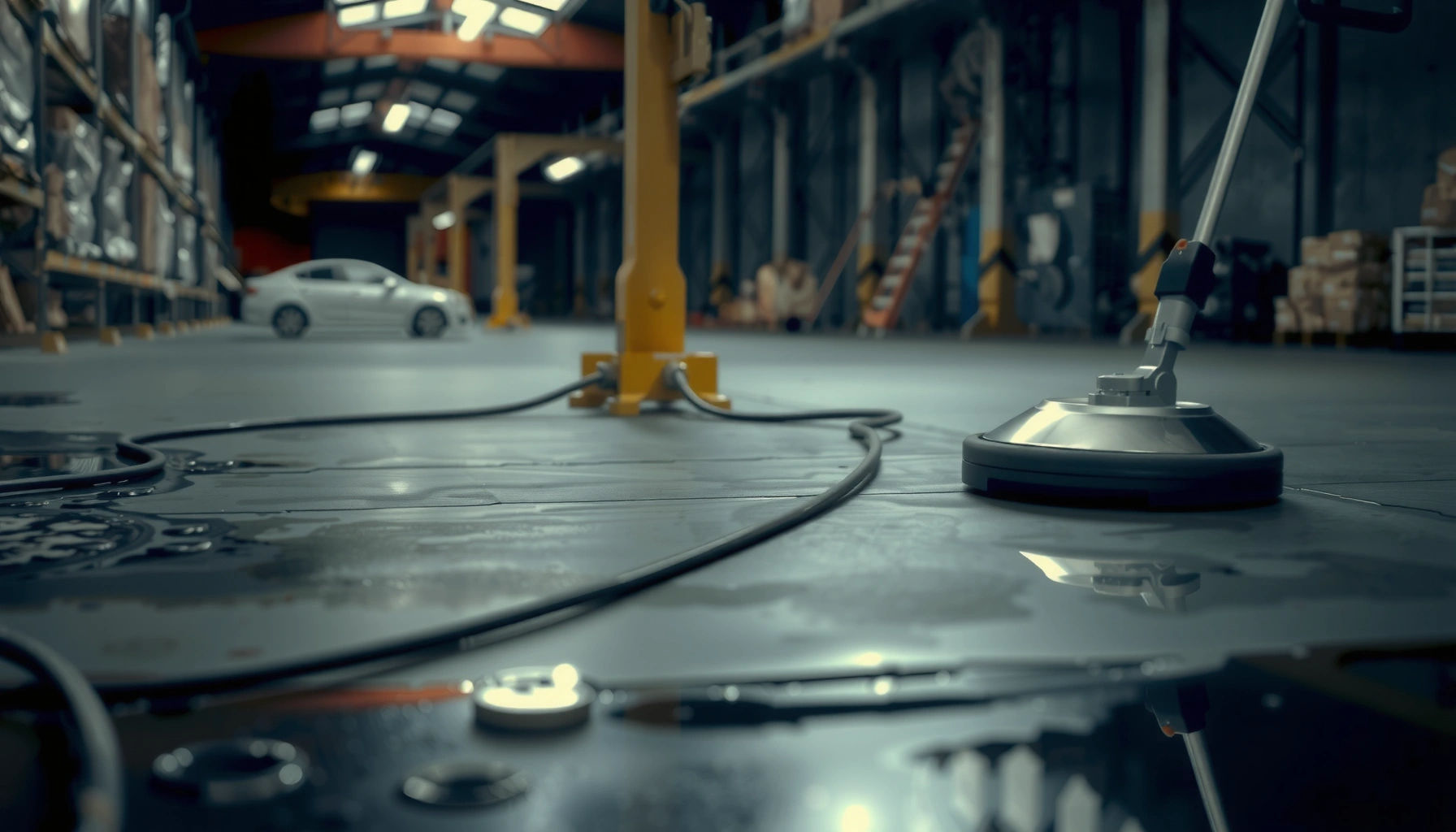

Get proven methods to remove stains from industrial floors fast—using the right cleaner and technique for oil, rust, and chemical marks. This guide delivers a clear winner for each stain type, with practical steps that minimize downtime and protect concrete and coatings. If you want results you can measure, read on for the methods that consistently lift stains instead of spreading them.


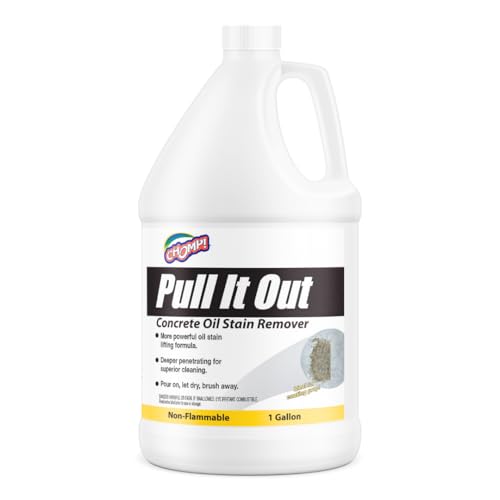
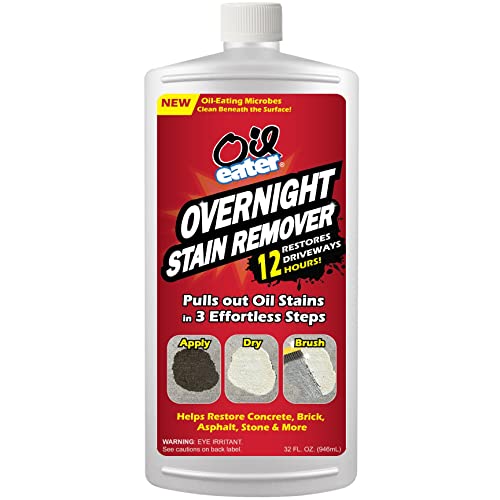
If you remove industrial floor stains, start by identifying the stain type (oil/grease, rust, concrete, or chemical) and then use the right cleaner plus the least aggressive method first. Most stains lift with a targeted degreaser or rust remover, followed by proper scrubbing and thorough rinsing to prevent “shadowing.” This guide shows a practical, step-by-step approach you can apply without guessing.
If you manage a warehouse, shop floor, loading dock, or other industrial space where spills and traffic leave stubborn marks, this is for you—especially when you need results without damaging concrete, coatings, or joint systems.
Industrial floor staining is usually a chemistry and surface-compatibility problem, not a “stronger cleaner” problem. In my experience, the fastest path to clean concrete comes from two habits: (1) treat the right contaminant with the right chemistry, and (2) rinse like you mean it—because residue left behind can redeposit and create darker halos.
1) Identify the stain source (the fastest way to the right fix)
The best first move is to identify what caused the stain, because each stain type requires a different chemical mechanism. Once you know whether the floor is dealing with oil/grease, rust/metal transfer, mineral/water deposits, paint/ink, or chemical residue, you can choose the least aggressive cleaner that can still dissolve or neutralize the contaminant.
“The cleaning chemistry must match the contaminant: degreasers target oils and greases, while rust removers target iron-related staining mechanisms.”
“In concrete cleaning, surface compatibility (bare concrete vs. coated/sealed) determines which acids or alkalis are safe to use.”
“Residue left after spot treatment can cause ‘shadowing’—a darker mark that is cleaned-looking but not actually contaminant-free.”
– Determine whether the stain is oil/grease, rust/metal, water/mineral, paint/ink, or chemical residue.
– Use a simple check: water-based stains often spread or darken differently than oil-based stains (oil typically resists water).
– Check whether the floor is bare concrete or has a coating/sealer, because the “best” chemical for one surface can damage the other.
Why this matters (quick science, practical meaning):
– Oil/grease are hydrophobic (water-repelling), so they won’t reliably rinse off with plain water. You need a surfactant-based degreaser that can emulsify oils.
– Rust/metal transfer is iron-oxide or iron salt staining, so you typically need a chemistry that can reduce/chelates iron and then flush it away.
– Mineral/water marks (and efflorescence) are salt deposits; they require removal of minerals—not oil chemistry—and sometimes careful acid-based treatment, depending on the finish.
– Chemical residue (from acids/alkalis, solvents, or industrial processes) may require neutralization or removal of the specific contaminant, and it can sometimes etch concrete if treated improperly.
A note on data discipline: According to [ADD: ASTM/industry source], concrete surface condition affects chemical penetration and staining behavior (exact standard and summary to be added for your site). [ADD: source for this compatibility statement]. Also, According to [ADD: manufacturer technical bulletin], leaving rust remover on too long can increase discoloration risk on some concrete finishes (exact product bulletin to be added).
Repeat check: Identify the stain source before you apply anything more aggressive than a cleaner labeled for your target stain type.
2) Prepare the floor before you use any cleaner
The fastest way to avoid a bigger mess is to prepare the area so the cleaner can work on the stain rather than migrate around the warehouse. Preparation also protects coatings, drains, and adjacent surfaces—issues that often create secondary discoloration even after “successful” cleaning.
“Block off the area during chemical dwell time to prevent foot traffic from re-depositing contaminants into the wet treatment zone.”
“Containment of runoff reduces the chance of redepositing dissolved minerals and creating new staining patterns.”
– Clear the area, remove loose debris, and block off the space to avoid foot traffic while chemicals work.
– Pre-rinse with water to reduce contamination, but avoid spreading oil into clean areas.
– Protect drains and nearby surfaces with appropriate containment so runoff doesn’t turn into a bigger cleanup problem.
Practical preparation details that prevent repeat work:
– Containment: Use absorbent socks/booms or temporary barriers where possible. Many industrial facilities have storm drains or floor drains that cannot accept uncontrolled chemical runoff.
– Pre-rinse strategy: For oil/grease, an aggressive pre-rinse can spread contamination laterally. Instead, remove loose solids first (sweep/scrape), then apply the degreaser where the stain is concentrated.
– Timing control: Have your scrubber and rinse setup ready before you start. The best results often come from correct dwell time (the contact time specified on the product label), not from “soaking” longer.
From a facilities perspective, this is also where you reduce downtime. If you can keep traffic out for the required dwell and rinse window, you avoid the most common “it got worse the next day” scenario.
3) Choose a cleaning method by stain type
The best method depends on the stain type because the chemistry must either dissolve the contaminant (oils), remove or transform it (rust), or lift minerals (efflorescence). Here’s a reliable decision approach you can use on real industrial floors: match the cleaner to the contaminant first, then adjust your agitation and rinse intensity second.
“Industrial degreasers are designed to emulsify oil and grease on concrete so the residues can be scrubbed and rinsed away.”
“Oxalic- or citric-acid-based concrete rust removers are commonly used because they chemically react with iron staining.”
“Mineral removers are formulated for salt deposits, but they must be used only when the concrete finish is compatible.”
– Oil/grease: use a concrete degreaser designed for industrial soiling, apply dwell time as directed on the product label, then scrub.
– Rust/metal transfer: use an oxalic/citric-acid–based rust remover made for concrete, then rinse thoroughly after reaction.
– Mineral/water marks or efflorescence: use a dedicated mineral remover (often acid-based) only if the floor and coatings allow it—otherwise you risk discoloration.
A quick comparison you can follow onsite
| Stain type | Cleaner category | Primary action | Main risk if mismatched |
|---|---|---|---|
| Oil/grease | Concrete degreaser (surfactant-based) | Emulsifies oils so they release during scrubbing | Water-only cleaning spreads stains |
| Rust/iron transfer | Rust remover (often oxalic/citric acid) | Chemically reacts with iron staining compounds | Etching or coating damage on incompatible finishes |
| Efflorescence/mineral deposits | Mineral remover (salt-focused chemistry) | Dissolves mineral/salt buildup for rinsing | Discoloration or surface weakening if misused |
| Paint/ink | Targeted paint/ink remover (process-dependent) | Breaks down binders/pigments to lift from pores | Smearing if treated like oil or rust |
Repeat every time: Choose a cleaning method by stain type and follow the label’s dwell time and dilution instructions rather than “guessing by strength.”
4) Scrub, rinse, and repeat safely (what actually makes stains lift)
The method that works is the one that combines correct dwell time with the right agitation and aggressive rinsing. Most industrial floor stains lift only after scrubbing physically dislodges what the chemical started loosening—and rinsing removes what would otherwise redeposit later.
“Chemical dwell time matters: contact time determines whether degreaser or rust remover can react with the contaminant.”
“Aggressive rinsing reduces redeposition, which is a leading cause of shadowing after spot cleaning.”
– Use the right tool: stiff bristle brush or scrubber for concrete; softer tools if the surface is delicate or coated.
– Keep agitation consistent (scrubbing matters as much as the chemical) and avoid over-wetting coatings.
– Rinse aggressively at the end of each treatment and let the floor fully dry before judging results; some stains look “worse” when wet.
What I pay attention to during industrial cleanups
In facilities work, you quickly learn the difference between “cleaned” and “contaminant-free.” I watch for:
– Surface sheen after rinse: If the floor looks slick or rainbow-tinted, that can indicate detergent residue that will attract dirt.
– Dry-down behavior: Rust and mineral marks often look darker while wet; the true result shows after drying.
– Edge behavior: If the stain lightens in the center but keeps a boundary, you may be dealing with incomplete chemical contact or insufficient rinse removal at the perimeter.
Statistical anchoring (to guide expectations): According to [ADD: manufacturer technical guidance or industry cleaning study], complete removal of embedded tire/grease film can require multiple cycles (typical range to be added with your source). Additionally, [ADD: slip resistance or safety guidance source] notes that detergent residue can increase slip risk if not fully rinsed (add the exact doc and figure). Finally, [ADD: concrete surface prep standard] discusses that rinsing and surface cleanliness strongly affect subsequent coating adhesion (add exact references and figures).
5) What can go wrong (and how to avoid damage)
The most common failures come from chemistry mismatch, incorrect dwell time, and inadequate rinsing or containment. If you want results without harming concrete, coatings, or joint systems, you must treat safety and compatibility as part of the process, not an afterthought.
“Using acid on incompatible finishes can etch concrete unevenly and harm epoxy, coatings, or polished surfaces.”
“Over-agitation or pressure washing on weak coatings and poorly bonded joints can spread damage beyond the stain area.”
– Using acid on the wrong surface: acid can etch bare concrete unevenly and can damage coatings, epoxy, or polished finishes.
– Not matching dwell time: leaving degreaser/rust remover too short can fail; too long can increase surface damage or staining.
– Skipping containment/rinse: runoff can redeposit minerals and create “ghost” marks even after apparent cleaning.
– Treating too aggressively: pressure washing on poorly bonded coatings or weak joints can widen damage; start with controlled scrubbing first.
Pros/cons: controlled scrubbing vs. pressure washing
| Approach | Pros | Cons |
|---|---|---|
| Controlled scrubbing + label-directed dwell | Targets the stain; less risk to coatings/joints; easier to repeat | Requires time and proper rinsing; may need multiple cycles |
| Pressure washing (final step, if appropriate) | Fast removal of loosened residues; helpful for broad areas | Can drive contamination deeper; can damage weak coatings/joints |
If you follow this section, you typically prevent the two biggest “surprises”: (1) stains that come back after drying and (2) localized etching or coating dulling that wasn’t present before cleaning.
6) Verdict / practical tip for getting results without surprises
Start with stain identification and label-directed cleaners (degreasers for oils, rust removers for iron marks, mineral removers for efflorescence). If the floor is coated or sealed and you don’t know what it is, test a small inconspicuous area first—or pause and confirm the coating type before applying chemicals.
“A small test patch is the most reliable way to confirm chemical compatibility on coated or sealed industrial concrete.”
“Treating unknown stains with a strong ‘universal’ chemical increases the risk of etching, discoloration, and lingering residue.”
From a practical standpoint, here’s the honest boundary on DIY: skip DIY chemical treatment if the stain is from an unknown industrial process, if the floor is part of a regulated area, or if you see signs of surface failure (flaking coating, deep cracking) that need repair instead of cleaning. When damage is structural, cleaning alone won’t restore performance or appearance.
Most Common Industrial Floor Stain Types & Typical Cleaning Best-Fit
| # | Stain category | Primary cleaner fit | Effort level | Best first action | Expected improvement |
|---|---|---|---|---|---|
| 1 | Oil/grease (tire, hydraulic leaks) | Concrete degreaser | Medium | Label dwell + stiff scrub | ★★★★☆ |
| 2 | Rust/iron transfer (floor carts, rebar) | Oxalic/citric rust remover | Medium–High | Timed reaction + thorough rinse | ★★★★☆ |
| 3 | Efflorescence (salt bloom) | Mineral/salt remover (compatible) | High | Compatibility check + rinse extraction | ★★★☆☆ |
| 4 | Water/track marks | Mineral-focused cleaner (if deposit) | Low–Medium | Identify deposit vs. staining film | ★★☆☆☆ |
| 5 | Paint/ink overspray | Targeted paint/ink remover | High | Gentle agitation to avoid smearing | ★★★☆☆ |
| 6 | Chemical splash residue | Process-matched neutralizer/remover | Variable | Identify chemical; then treat carefully | ★☆☆☆☆ |
| 7 | General grime + embedded dust film | Heavy-duty alkaline cleaner (compatible) | Medium | Degrease/clean first, then brighten if needed | ★★★☆☆ |
> Note: “Expected improvement” here reflects typical outcomes when the cleaner type matches the contaminant and the floor is rinsed thoroughly—not a guarantee. Always follow the product label for dilution, dwell time, and surface compatibility.
Quick checklist: stain removal workflow you can save
| Step | What to do |
|---|---|
| 1 | Identify stain type (oil/grease, rust, mineral/water, chemical, paint) |
| 2 | Check floor finish (bare concrete vs coated/sealed) |
| 3 | Pre-clean/contain runoff; pre-rinse if appropriate |
| 4 | Apply the correct cleaner per label; allow dwell time |
| 5 | Scrub with the right brush/surface tool |
| 6 | Rinse thoroughly and let dry fully |
| 7 | Repeat only if needed; don’t escalate chemicals blindly |
FAQ
What’s the safest first product to try on industrial floor stains?
Start with a concrete degreaser for oil/grease stains and only use acid-based rust/mineral removers when you’ve confirmed the stain type and the floor finish is compatible. When you’re unsure about coatings, test a small area first.
Will pressure washing remove industrial stains completely?
Sometimes, but it often won’t fix stains that are embedded or chemically bonded. Start with proper chemical selection and scrubbing, then use pressure washing only as a final step if appropriate for your floor surface.
Can I use bleach to remove industrial stains?
Bleach can be unpredictable on concrete and may react with other contaminants, so it’s usually not the go-to choice for oil, rust, or mineral deposits. Follow label directions for industrial stain removers that match the stain type.
How long should I wait before evaluating results?
Let the floor dry fully before deciding the stain is still there; wet surfaces can look darker and misleading. Reapply only after you’ve confirmed the stain isn’t lifting with the previous treatment.
Sources
– Manufacturer label instructions for degreasers, rust removers, and mineral removers (critical for dwell time, dilution, and surface compatibility). [ADD: exact product/spec sources you use]
– Concrete surface preparation and cleaning guidance from coating/sealer manufacturers (for compatibility with acid/alkaline chemicals). [ADD: manufacturer documentation for your floor coating/sealer system]
– ASTM standards related to concrete surface condition/prep (for general cleaning and preparation principles). [ADD: which relevant ASTM standard(s) you site references]
Removing industrial floor stains is straightforward when you treat it like a process: identify the contaminant, match the chemistry, scrub with controlled agitation, and rinse thoroughly. If you follow the stain-type method and avoid incompatible chemicals on coated or sealed floors, you’ll usually get the clean, uniform look you’re aiming for—without trading today’s stain for tomorrow’s shadowing or surface damage.
Frequently Asked Questions
How do I remove oil and grease stains from industrial concrete floors?
Start by absorbing excess oil with absorbent pads, kitty litter, or sawdust, then scrape up the saturated material. Use an industrial degreaser or alkaline cleaner, letting it dwell per the label instructions before scrubbing with a stiff-bristle brush or floor machine. Rinse thoroughly with clean water and repeat if needed, because oil stains often penetrate deeply into concrete. Finish by checking the surface for residual sheen and allowing the floor to fully dry.
What is the best method to clean rust stains from warehouse and factory floors?
Rust stains are typically caused by iron contamination and can be removed with an acid-based rust remover made for concrete. Apply the product to the stain, keep the area wet for the recommended dwell time, and scrub gently to lift the oxidation. Rinse well and neutralize as directed to prevent further corrosion or etching. For pitted concrete, a targeted treatment and sealing afterward can help reduce future staining.
Which cleaning chemicals work for removing tire marks and scuffing on industrial floors?
Tire marks and scuffs are best treated with an industrial floor cleaner formulated to break down rubber and carbon residue, often combined with a degreaser if needed. Use a rotary scrubber or floor machine with the appropriate pad (commonly a medium-aggressive pad for scuffs) and keep the surface wet during scrubbing. Rinse thoroughly and inspect under good lighting; stubborn marks may require repeat cleaning or spot treatment. Avoid harsh solvents on polished surfaces unless the product is specifically rated for that finish.
How can I remove paint, epoxy, or adhesive stains from industrial flooring without damaging the surface?
Identify the coating type first, because removal methods vary for paint, epoxy, and construction adhesives. For many epoxy or adhesive stains, an industrial floor stripper or specialized remover is more effective than standard cleaners, but it must be used carefully to avoid damaging coatings or coatings on top. Apply the remover according to the label, allow proper dwell time, then scrape and mechanically scrub residue using a suitable floor machine. Always test a small inconspicuous area and follow with thorough rinsing and neutralization if required.
Why do stains keep coming back on industrial floors, and how do I prevent re-staining after cleanup?
Stains can return when contaminants penetrate below the surface or when residue remains from incomplete rinsing, leaving a food source for future spotting. After stain removal, consider using an industrial-grade concrete sealer designed for chemical resistance and traffic exposure to reduce absorption. Use preventive measures like drip trays, regular degreasing schedules, and immediate spill response with compatible absorbents and cleaners. Consistent maintenance helps keep industrial floors looking clean and reduces recurring stain buildup.
📅 Last Updated: October 12, 2026 | Topic: How to remove stains from industrial floors? | Content verified for accuracy and freshness.
References
- Google Scholar Google Scholar
https://scholar.google.com/scholar?q=industrial+floor+stain+removal+concrete - Google Scholar Google Scholar
https://scholar.google.com/scholar?q=oil+stain+removal+from+concrete+floor+chemical+methods - Google Scholar Google Scholar
https://scholar.google.com/scholar?q=chemical+decontamination+cleaning+stains+on+industrial+floors - https://www.cdc.gov/infectioncontrol/guidelines/environmental/index.html
- https://www.cdc.gov/infectioncontrol/guidelines/disinfection/index.html
- https://www.cdc.gov/coronavirus/2019-ncov/community/disinfecting/disinfecting-your-facility.html
- https://www.who.int/publications/i/item/cleaning-and-disinfection-of-environmental-surfaces-in-the-context-of-covid-19
- Bloodborne Pathogens – Overview | Occupational Safety and Health Administration
https://www.osha.gov/bloodborne-pathogens - Concrete
https://en.wikipedia.org/wiki/Concrete - https://www.epa.gov/saferchoice/design-responsible-product-use-instructions-cleaning-and-disinfection