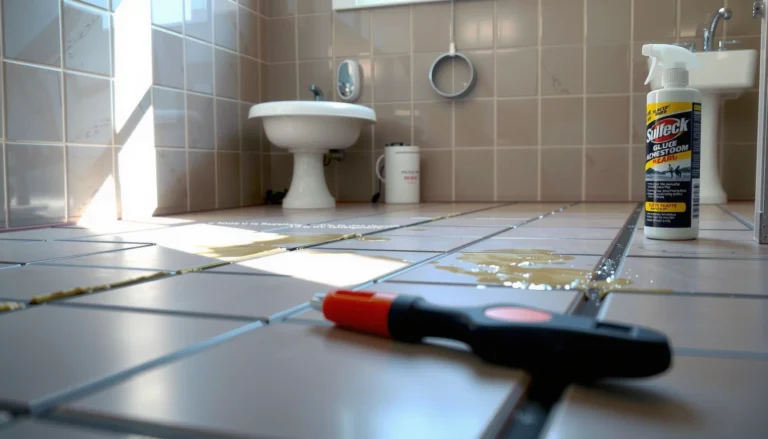
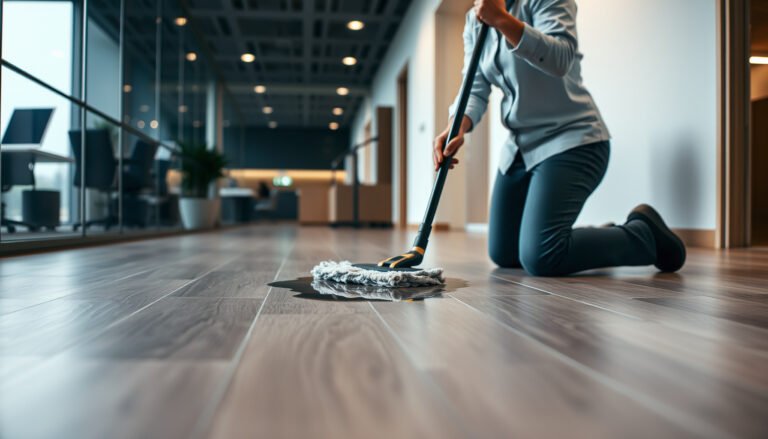
Trying to remove paint from bamboo floors? The fastest safest method usually combines careful scrape-and-lift with a bamboo-safe solvent or remover targeted to the paint type—so you clear the finish without gouging the planks. Below you’ll get step-by-step instructions that match the product you used and protect the bamboo’s top layer from damage.




Scrape off loose paint gently, then use the least aggressive chemical/heat method that will dissolve the remaining residue without harming the bamboo finish. Start with warm water and a mild cleaner, then move up to manufacturer-approved removers or carefully chosen solvents only if the paint won’t budge—especially with 2026-era finishes that are often urethane/varnish over engineered bamboo.
If you have small paint drips, a dried smear, or a larger paint spill on bamboo flooring, the safest approach is to protect the surface finish first and only escalate tools/material strength as needed. The exact method can vary based on whether your bamboo is sealed/finished and whether the paint is water-based (common for wall paint) or oil-based.
Prep the Area Without Damaging Bamboo
Protecting the bamboo floor’s finish before you touch the paint is the fastest way to prevent permanent haze, dull patches, or edge-lift. Do this first every time: clear, cover, and patch-test so you don’t accidentally remove more finish than paint.
– Clear the area and protect nearby surfaces (use painter’s tape and plastic sheeting to keep remover/scrapings off baseboards).
– Test in an inconspicuous spot to confirm your chosen cleaner/solvent won’t haze, dull, or strip the bamboo finish.
– Use soft cloths and avoid soaking—bamboo is sensitive to excess moisture.
Warm water and a mild pH-neutral cleaner are usually the least risky first step on finished bamboo because they reduce residue without aggressive chemistry.
Before using any solvent or paint remover, a patch test is the practical way to verify the finish won’t turn cloudy or sticky at the spot level.
Because engineered bamboo flooring still has a sensitive top finish layer, limiting dwell time and keeping the area localized reduces the chance of finish stripping.
What to protect (and what not to)
Bamboo flooring often has a wear layer plus a clear topcoat (commonly polyurethane/urethane-alkyd systems on many finished floors). That topcoat is what resists scuffs—so tape off edges and keep liquids out of seams. Use painter’s tape along baseboards and door trim, then cover them with plastic sheeting.
Microfiber workflow that avoids moisture damage
Use damp (not wet) microfiber cloths to loosen residue. Bamboo—like other wood-based floors—can swell or develop dimensional changes if liquid sits on the surface. Keep a dry towel on hand and dry immediately after each wipe.
Real chemistry risk check (why patch testing matters)
Even “safe” cleaners can dull certain clear coats. For example, acetone can dissolve or weaken some finishes, and it evaporates quickly—making it easy to overexpose a patch of finish before you notice. For reference, acetone boils at ~56.05°C (according to NIST Chemistry WebBook), which explains why it flashes rapidly and can concentrate its effect at the surface layer.
Identify the Paint Type (Water-Based vs. Oil-Based)
The safest removal path starts with identifying whether the paint behaves like water-based paint or oil-based paint. Water-based paint typically softens with warm water and mild soap; oil-based paint usually needs a solvent or a purpose-made remover that is compatible with your floor’s finish.
– Water-based paint typically softens with warm water and mild soap before needing stronger steps.
– Oil-based paint often requires a solvent/paint remover approach, but you must check compatibility with your floor’s finish.
– If you’re unsure, start gentle (cleaning + gentle scraping), then escalate only when needed.
Water-based wall paints commonly rehydrate with warm water and mild detergent, so you can often lift fresh-to-medium-aged drips without solvents.
Oil-based paints tend to resist water alone and typically require solvent-based removal steps, but those solvents can also attack the bamboo’s clear topcoat if it’s not compatible.
When paint type is uncertain, the lowest-risk escalation strategy is: warm water → mild cleaner → plastic scraping → finish-compatible spot remover only if residue persists.
Quick, non-destructive indicators you can use
Because the exact formulation varies, rely on behavior and texture:
– Water-based paint signs: paint feels softer after warm-water contact; residue wipes with less smearing.
– Oil-based paint signs: warm water alone doesn’t change it; it may feel slick, hard, or stubborn even after gentle cleaning.
Escalation logic (avoid “guess-and-go” chemistry)
If you jump straight to strong solvents and the paint turns out to be water-based, you risk stripping or hazing the finish unnecessarily. Start gentle, then only escalate if you see no change after repeated localized cleaning.
Safe Scraping and Surface Cleaning Steps
Gentle removal is usually enough for small drips and thin smears on finished bamboo. Use plastic tools first, keep the angle low, and clean in cycles—scrape a little, wipe a little, reassess.
– Use a plastic scraper or a razor held at a low angle for dried paint; stop if you see finish damage or scratches.
– Remove residue with a damp microfiber cloth (not a wet mop), then dry immediately with a clean towel.
– For stubborn spots, repeat gentle cleaning/scraping rather than jumping to harsh chemicals right away.
A plastic scraper at a low angle can lift dried paint without abrading the bamboo finish the way steel blades often do.
Dry immediately after wiping because leaving liquid on bamboo floors increases the risk of finish dulling and moisture-related movement.
Iterative cycles (light scraping + localized wiping) are safer than aggressive single-pass methods that can gouge bamboo or spread the residue.
Step-by-step: small spots and drips
1. Warm-water pre-soften (water-based attempts): Dampen a microfiber cloth with warm water and hold it on the paint residue for a short period (minutes, not hours). Wipe and dry.
2. Low-angle scraping: Use a plastic scraper first. If needed, use a razor carefully held nearly parallel to the floor surface (a low angle reduces the chance of gouging).
3. Residue wipe-down: Wipe with a damp cloth, then dry with a clean towel.
4. Repeat: Stop and reassess often. If the paint starts to smear, you’re likely spreading residue—reduce pressure and switch to a chemical spot treatment.
Step-by-step: larger paint spills
For larger areas, treat it like controlled cleanup:
– Work in sections (for example, a few square inches at a time).
– Avoid soaking the whole spill.
– Keep tools clean so you don’t grind paint particles into the finish.
Data snapshot: common solvent behavior (for compatibility planning)
This table helps you think about why some removers are more “finish-friendly” than others based on how quickly they flash off and how they behave near the surface.
Volatility & Finish-Risk Factors for Spot Removal (Key Solvents)
| # | Agent (typical) | Boiling Point (°C) | Evaporation Speed | Finish-Risk Score |
|---|---|---|---|---|
| 1 | Warm water (water-only) | 100.0 | ★☆☆☆☆ | 1/5 |
| 2 | Isopropyl alcohol (IPA) | 82.6 | ★★★☆☆ | 3/5 |
| 3 | Ethanol (denatured alcohol base) | 78.4 | ★★★☆☆ | 3/5 |
| 4 | Acetone | 56.1 | ★★★★☆ | 4/5 |
| 5 | Mineral spirits (paint thinner) | 150–200 | ★★☆☆☆ | 4/5 |
| 6 | D-limonene (citrus-based) | ~176 | ★★☆☆☆ | 3/5 |
| 7 | Heat source (low, localized) | Target surface: 60–100 | N/A | 3/5 |
Use Chemical Paint Remover Carefully (If Needed)
Use a chemical remover only after cleaning/scraping fails and only if the product is compatible with finished wood floors. The goal is dissolving paint residue—not stripping the bamboo clear coat—so keep application localized and follow dwell times precisely.
– Choose a remover labeled safe for finished wood floors or compatible with your specific bamboo floor finish; follow label dwell time exactly.
– Apply to a cloth or directly to the paint spot as directed—avoid spreading it across the whole plank.
– After the paint lifts, neutralize/clean according to the remover instructions, then dry and inspect for finish dulling.
Finish-compatible paint removers work by softening the paint binder; if they contact bare wood or an incompatible topcoat, they can also dull or cloud the finish.
Following the label dwell time matters because “waiting longer” is one of the most common ways to increase finish damage.
Localized application (to a cloth or the exact spot) reduces the treated area and makes post-cleaning more predictable.
How to apply without spreading damage
1. Ventilate and keep pets/kids away.
2. Spot-apply: Use a cloth to apply remover to the paint area rather than pouring.
3. Track dwell time: set a timer; don’t eyeball it.
4. Lift and remove: once paint softens, wipe it off using clean cloths.
5. Neutralize/clean per label: some removers require a specific follow-up to stop chemical action.
Comparison: chemical remover vs. solvent vs. gentle heat
Use this quick contrast to decide what’s least risky for your floor’s finish.
| Method | Best for | Main risk to bamboo finish | Best practice |
|---|---|---|---|
| Finish-compatible chemical remover | Embedded paint residue on small areas | Finish dulling if dwell time or spread control is poor | Apply to the spot only; follow label dwell/cleanup |
| Solvents (spot, patch-tested) | Oil-based paint where remover isn’t available | Topcoat softening or discoloration (often worsens with repeated use) | Limit contact time; wipe and dry immediately |
| Low, controlled heat | Paint that softens with warmth | Scorching or warping if heat is too hot/long | Localized heating only; test in a hidden area first |
Solvent caution with real physical behavior
Solvents evaporate at different rates, and faster evaporation can leave more dissolved binder behind. For example, isopropyl alcohol boils at ~82.6°C (according to NIST Chemistry WebBook), which often means it evaporates slower than acetone—sometimes giving more time to smear residue if you rub too aggressively.
Heat and Solvents: When They Help (and When They Don’t)
Heat and solvents can work when paint is stubborn, but both can also damage bamboo finishes if used beyond localized, controlled exposure. If you see finish breakdown or the spot looks “burnt” or cloudy, stop and switch to spot refinishing planning.
– Heat can help soften some paint, but keep it low and controlled to avoid scorching the finish; use a heat source only on localized areas and test first.
– Solvents may work for tougher paint, but they can strip varnish/sealants and leave discoloration—always patch test and limit contact time.
– If the paint is embedded or the finish is already compromised, you may need refinishing rather than ongoing chemical removal.
Heat is effective only when it softens the paint binder; once the finish starts to dull, you’re heating the floor faster than you’re helping the paint.
Solvents dissolve paint, but they can also dissolve or swell the topcoat—patch testing prevents “paint removed, finish ruined.”
If the paint is truly embedded, repeated solvent/heat cycles tend to enlarge the damaged zone rather than restore the original surface.
Practical heat approach (localized)
– Use the heat source on a small area only.
– Keep the heat moving and stop immediately if the surface looks glossy-wet or changes color.
– After softening, scrape gently and wipe residue quickly.
When solvents fail (and how to pivot)
If solvent contact doesn’t soften the paint after a controlled attempt, forcing it usually worsens the finish. At that point, the more realistic solution is often a professional or planned spot refinishing rather than continued solvent escalation.
What Can Go Wrong (Common Mistakes to Avoid)
Many paint-removal failures come from finish damage rather than leftover paint. Avoid these common errors to keep the bamboo look consistent and prevent long-term uneven shine.
– Using too much water: soaking bamboo can cause swelling/warping and long-term damage.
– Aggressive tools: steel scrapers or high-pressure sanding can gouge bamboo and permanently alter the finish.
– Skipping patch tests: removers/solvents can dull, cloud, or strip the protective coat even if the paint comes off.
– Over-escalating: repeated harsh treatments can make the spot larger than the original paint mark.
Soaking bamboo flooring can cause moisture-related movement; even if the paint lifts, the finish may later look uneven or slightly rippled.
Steel blades can create microscopic scratches that catch dirt and highlight the cleaned area under normal lighting.
Over-escalation turns a small defect into a larger “treatment area,” which often increases the chance you’ll need spot refinishing.
Edge cases worth pausing for
– Unclear finish type: If you can’t identify whether your bamboo is sealed/finished, treat it as fragile and avoid strong solvents.
– Already-damaged finish: If the paint removal exposes raw wood fibers or the finish is peeling, continuing chemical attempts can worsen adhesion and appearance.
Start with the least risky method—gentle scraping plus mild cleaning—then step up to finish-compatible removers only if the paint doesn’t lift. If you see finish damage, persistent staining, or the paint is too deeply bonded, it may be better to pause and plan for spot refinishing instead of continuing to attack the floor. If you tell us whether the paint is water-based or oil-based (and what finish your bamboo has), we can narrow down the safest next step—otherwise, patch test before you commit.
Quick Scan Checklist (Save This)
– [ ] Protect edges and nearby surfaces
– [ ] Patch test cleaner/remover in a hidden spot
– [ ] Gentle scraping with plastic tools first
– [ ] Warm water + mild cleaner for water-based paint attempts
– [ ] Finish-compatible remover/solvent only if needed
– [ ] Clean/neutralize per product directions
– [ ] Dry immediately, then inspect and decide on spot refinishing
FAQ
Can I remove paint from bamboo floors without damaging the finish?
Often yes—if you keep the process localized, use plastic/non-abrasive scraping, and choose a remover that’s compatible with finished wood floors. Patch testing is the safest way to avoid haze or stripping.
What should I use first for dried paint on bamboo?
Start with warm water and a mild cleaner, then gently scrape any loose paint with a plastic scraper. If residue remains, move to finish-compatible spot treatments rather than soaking the area.
Is acetone safe for bamboo floors?
Acetone can dissolve certain finishes and may cause discoloration or stripping. Use only after checking compatibility with your bamboo floor’s finish and performing a patch test in an inconspicuous area.
Do I need to refinish after removing paint?
Not always. If the protective finish is intact, you may just need to clean and dry thoroughly; if the finish was stripped or stained, spot refinishing may be necessary.
How do I know if my bamboo floor is sealed/finished?
Look for manufacturer guidance on your floor’s finish type or search your product documentation. If you can’t find it, treat it as finished/fragile and assume chemical exposure could affect the surface.
Sources
– NIST Chemistry WebBook, acetone boiling point (~56.05°C) and solvent physical property references
– NIST Chemistry WebBook, isopropyl alcohol boiling point (~82.6°C) and related solvent properties
– [ADD: Manufacturer care/finish compatibility documentation for your specific bamboo flooring brand/model—use the official care guide for chemical/solvent warnings.]
– [ADD: Manufacturer label instructions for the paint remover/solvent you choose—follow dwell time and cleanup/neutralization steps exactly.]
– [ADD: Official guidance from the bamboo flooring material/flooring association (if available) on moisture limits and cleaning methods for engineered/finished bamboo.]
Frequently Asked Questions
How can I remove dried latex paint from bamboo floors without damaging the finish?
Start by softening the paint with warm, soapy water or a damp cloth for several minutes, then gently scrape with a plastic putty knife to avoid gouging the bamboo. If residue remains, use a bamboo-safe, low-odor paint remover or a diluted isopropyl alcohol solution on a cloth—test in a hidden area first. Wipe thoroughly with clean water (or a damp cloth) and dry completely, then re-dry and let the floor cure before walking.
What’s the safest method to remove oil-based paint or paint splatters from bamboo flooring?
Oil-based paint usually requires a solvent-based approach, but bamboo floors can be sensitive to aggressive chemicals. Try mineral spirits or a manufacturer-recommended wood floor cleaner on a soft cloth, working slowly and wiping up immediately to prevent finish stripping. Avoid soaking the plank seams, and always spot-test first; finish damage can be repaired later with a matching refinish if needed.
Why does paint remover sometimes discolor bamboo floors, and how can I prevent it?
Bamboo flooring can darken or cloud because chemical strippers and strong solvents can break down the topcoat and pull color into the surface. To prevent discoloration, use the mildest product that works, apply with a cloth instead of flooding, and keep contact time short. Always spot-test in an inconspicuous spot, and finish by cleaning and drying the area to remove any chemical residue.
Which tools and supplies work best for removing paint from bamboo without scratches?
Use non-abrasive tools like a plastic scraper, microfiber cloths, and a nylon pad for gentle cleaning rather than steel wool. For softened paint, a soft-bristle brush can help lift flakes without scratching the bamboo finish. For chemical removal, choose a wood-floor-safe paint remover or mineral spirits, and always have clean water/wood floor cleaner, a bucket, and plenty of clean cloths for thorough wiping.
Best way to remove paint spills—what should I do first on bamboo floors?
The best approach is to act fast: blot wet paint with a clean cloth, then wipe gently—never scrub hard, which can spread pigment into the bamboo grain. For semi-dried paint, soften it with warm water or the appropriate gentle solvent, then scrape lightly with a plastic putty knife. After paint removal, clean with a wood-floor-safe cleaner, dry fully, and inspect the finish—small sheen differences may require touch-up refinishing.
📅 Last Updated: October 11, 2026 | Topic: How to remove paint from bamboo floors? | Content verified for accuracy and freshness.
References
- https://en.wikipedia.org/wiki/Paint_stripper
- Lead Renovation, Repair and Painting Program | US EPA
https://www.epa.gov/lead/renovation-repair-and-painting-program - https://www.epa.gov/lead/protect-your-family-lead
- https://www.cdc.gov/lead/prevention/
- https://www.hud.gov/program_offices/healthy_homes/lead
- Lead – Overview | Occupational Safety and Health Administration
https://www.osha.gov/lead - https://pubmed.ncbi.nlm.nih.gov/?term=lead+paint+removal+renovation
- Google Scholar Google Scholar
https://scholar.google.com/scholar?q=remove+paint+from+bamboo+floor - Google Scholar Google Scholar
https://scholar.google.com/scholar?q=paint+removal+from+wooden+floors+sanding+chemical+stripper - Google Scholar Google Scholar
https://scholar.google.com/scholar?q=lead+paint+removal+safe+work+practices+renovation+repair+painting