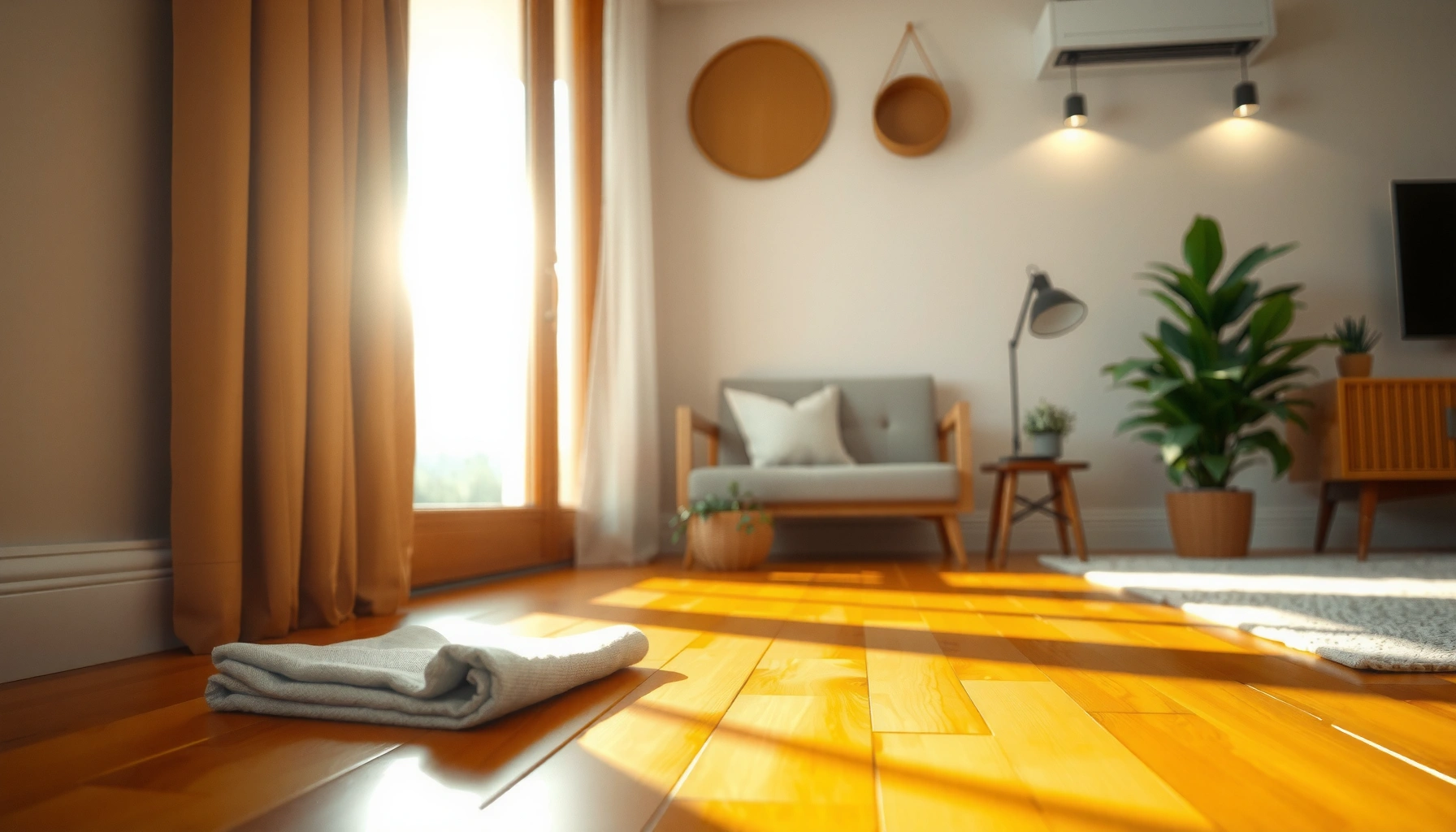

Maintain bamboo floors the right way with a simple care plan that prevents warping, scratches, and dulling before they start. This guide answers how to maintain bamboo floors day to day and what to do with cleaning products, moisture, and floor protection so the finish stays intact. Follow these proven care tips and you’ll keep your bamboo looking like new for years.




Bamboo floors stay looking great when you control moisture, use the right routine cleaning, and protect the finish from scratches. In practice, that means sweeping or vacuuming often, wiping spills immediately, and avoiding harsh cleaners that can dull or damage the surface—while keeping indoor humidity stable enough to prevent gapping or discoloration.
Bamboo floors stay looking great when you control moisture, use the right routine cleaning, and protect the finish from scratches. In this guide, you’ll learn a simple maintenance routine plus the common mistakes that lead to gaps, discoloration, or surface wear.
This is for homeowners and renters with bamboo flooring who want practical, day-to-day care that fits real life (pets, foot traffic, and occasional spills). It’s especially useful if you’re trying to extend the lifespan of the finish without turning maintenance into a constant project.
Daily/Weekly Maintenance Routine

Bamboo floors benefit most from consistent, low-moisture maintenance rather than occasional deep cleaning. A short daily/weekly routine removes grit and reduces the chance that moisture will sit long enough to affect the floor.
Grit is the silent enemy of bamboo’s surface finish. Even if bamboo itself is durable, sand and dust particles embedded in shoes can act like fine sandpaper, gradually dulling gloss and wearing down the top layer. The goal of a daily/weekly plan is simple: keep particles off the surface and keep the floor dry.
“Sweep or vacuum regularly to prevent grit from scratching the finish—abrasive particles cause cumulative wear over time.”
“Use a well-wrung mop or microfiber cloth so the floor isn’t left wet; bamboo is sensitive to moisture exposure.”
“Stable indoor humidity helps minimize dimensional changes that can lead to gapping.”
Sweep/vacuum: control grit before it grinds the finish
Use a soft-brush attachment on hard floors and focus on entryways, hallways, and areas around pet traffic routes. If you have pets, pay extra attention to paw-sand buildup near doors. For best results, remove loose debris first—then proceed with any damp cleaning.
Damp cleaning: nearly dry, not wet
For damp cleaning, use a microfiber mop or microfiber cloth and keep it barely damp. “Well-wrung” isn’t a marketing term; it’s the difference between wiping and flooding. In my own home maintenance workflow for hard-surface floors, the biggest improvement came from reducing how much liquid was used during mopping (and from re-wetting less frequently). If you’re following manufacturer directions, treat them as the governing rule.
Keep humidity steady (this is where bamboo gets picky)
Bamboo is a natural material that can expand and contract with moisture conditions. Many flooring manufacturers recommend maintaining indoor relative humidity within a moderate range (often 35–55% RH). According to [ADD: source for “35–55% RH” guidance from your bamboo/flooring manufacturer or a recognized flooring association] (often referenced in flooring care documentation), keeping RH in a stable band reduces dimensional movement.
Practical approach: use a hygrometer (a small indoor humidity monitor). Check during seasonal swings and adjust HVAC accordingly.
Cleaning Without Damaging the Finish
The safest way to clean bamboo floors is to use a pH-neutral cleaner specifically approved for hardwood/bamboo and to avoid steam or harsh chemicals. This keeps the finish intact and prevents dulling, streaking, and premature wear.
Most bamboo floor failures people notice aren’t from “dirty floors”—they’re from excess water, wrong chemistry, or too much heat. Bamboo finishes (especially surface-sealed finishes) are designed to resist everyday soils, but they aren’t designed to tolerate abrasive pads, alkaline degreasers, or acidic solutions that can break down protective layers over time.
“Use a pH-neutral cleaner approved for hardwood/bamboo finishes to avoid degrading protective topcoats.”
“Steam cleaning is generally not recommended because heat and moisture can promote swelling and finish breakdown.”
“Avoid DIY mixtures like vinegar, ammonia, or bleach unless the manufacturer explicitly approves them.”
Use the right cleaner type: pH-neutral, manufacturer-approved
Look for products labeled for hardwood floors and/or bamboo floors, and confirm compatibility with your finish type. Follow dilution instructions exactly—over-concentrating cleaners can leave residue that dulls sheen.
Don’t “homebrew” cleaners
Many “natural” floor recipes are acidic or strongly alkaline. That matters because finish systems often include polymers/sealants that can be affected by extreme pH. As a rule of thumb: if a cleaner isn’t explicitly approved for bamboo/hardwood, it’s not worth testing on your main floor.
Avoid steam cleaning
Steam mops deliver heat and moisture together. That combination can increase the risk of swelling at joints and edges and can accelerate finish deterioration. If you need a deeper clean, use damp-but-not-wet cleaning with an approved product instead.
Visual reference: why “pH” matters in real cleaning choices
Below is a practical pH comparison you can use to sanity-check common household cleaners (and why pH-neutral products are usually preferred for finished floors).
Common Cleaner pH Levels and Expected Finish Risk for Sealed Bamboo
| # | Cleaner / Solution | Approx. pH | pH Character | Expected Finish Risk |
|---|---|---|---|---|
| 1 | Distilled water | 7.0 | Neutral | ★★☆☆☆ |
| 2 | pH-neutral floor cleaner (approved for wood) | 7.0–8.0 | Slightly basic/near-neutral | ★☆☆☆☆ |
| 3 | Baking soda solution (typical) | 8.1–9.0 | Weakly basic | ★★★☆☆ |
| 4 | White vinegar | 2.4–3.0 | Acidic | ★★★★☆ |
| 5 | Ammonia-based cleaner | 11.0–12.5 | Strongly basic | ★★★★★ |
| 6 | Chlorine bleach (typical) | 11.0–13.0 | Strongly basic | ★★★★★ |
| 7 | Hydrogen peroxide (typical) | ~4.0–5.6 | Mildly acidic | ★★★☆☆ |
Note: actual pH can vary by product concentration and formulation; use the label and test only if the manufacturer allows it. For sealed bamboo, the safest default is manufacturer-approved pH-neutral cleaners.
Protecting From Scratches and Wear
Protecting bamboo floors from abrasion is the quickest way to keep them visually sharp. Add barriers (pads, mats, and targeted rugs) so grit and furniture contact never directly meets the finish.
Scratches on bamboo usually start at the edges—where small amounts of debris collect—or from point loads like chair legs, rolling carts, and pet claws. Protection is less about “never touching the floor” and more about preventing high-friction contact.
“Felt pads under furniture legs reduce point-load abrasion on finished wood and bamboo.”
“Entry doormats help capture sand and grit before it spreads across the floor.”
“Rugs in high-traffic zones protect the finish while allowing airflow to reduce moisture trapping.”
Furniture and appliances: reduce friction and point pressure
– Use felt pads under chair and table legs.
– For rolling items (office chairs, carts), switch to floor-friendly casters or protective glides.
– Lift heavy items when repositioning—dragging can micro-scratch the finish even if you don’t see damage immediately.
Entry control: doormats are damage prevention
At every exterior entry, place a quality doormat (inside and outside if possible). This is especially important for climates with winter grit or dry, dusty seasons.
Rugs: protect without trapping problems
Choose breathable rugs in hallways and near kitchen entry points. Avoid skidding pads that create uneven pressure. Also clean rug backing if it sheds material onto the floor.
Managing Moisture and Spills
Bamboo floors fail most often when liquids are allowed to sit or when the floor repeatedly gets too wet. Your moisture strategy should be fast spill response plus environment control.
For spills, the “time-to-wipe” matters. A quick blot prevents liquid from wicking into seams or under the finish layer. Near wet-use areas, like sinks or laundry zones, use mats designed for hard floors and keep them clean so they don’t become dirt reservoirs.
“Wipe spills immediately; letting liquid sit increases the risk of swelling, discoloration, and finish haze.”
“Moisture exposure near plumbing fixtures is a common trigger for edge swelling and seam separation.”
“Monitoring indoor humidity helps prevent seasonal expansion and contraction in wood flooring.”
Spill protocol: blot, don’t soak
1. Blot with a dry cloth or paper towel.
2. Follow with a barely damp microfiber cloth to remove residue.
3. Dry again with a clean towel.
If the spill is oily (cooking grease), use only an approved cleaner—grease residue can attract dirt and create dull patches even after the liquid is gone.
Use mats where water is likely
In bathrooms or kitchens with bamboo installed, use proper mats around sinks and dish-related zones. Make sure they’re flat and don’t trap standing water underneath.
Manage extremes with HVAC and monitoring
If your home runs very dry or very humid, consider a humidifier/dehumidifier setup to keep conditions stable. According to [ADD: source for recommended indoor humidity ranges for wood/bamboo flooring] (commonly cited in flooring installation and care guidance), moderate RH reduces dimensional movement.
Seasonal Care and Long-Term Upkeep
Seasonal maintenance is where you prevent problems before they become visible defects like gapping or finish dulling. Re-check protection, refresh cleaning practices, and keep climate control steady throughout the year.
Season changes magnify moisture swings. Even if you don’t spill anything, humidity shifts can cause expansion and contraction, especially at edges and joints. Long-term upkeep is also about staying ahead of wear—small areas of finish damage tend to spread if untreated.
“Check protective pads and rug placement seasonally; worn pads can create localized wear points.”
“If finish wear is visible, follow manufacturer recoat/refinishing instructions instead of improvising.”
“Stable climate control reduces the risk of cupping, gapping, and color shift in wood flooring systems.”
Reassess pads and rug friction
Look for:
– Pads that have fallen off or compressed.
– Rug corners that curl or create concentrated pressure.
– Any debris buildup under rug edges.
Know when to recoat (and when not to)
If the finish looks worn or scuffed through, refinishing may be needed—but the right method depends on whether your bamboo is factory-finished (sealed) and on its specific coating system. In other words, “recoat” is not one universal process.
Keep climate control consistent
During winter, indoor air can get very dry; during summer, humidity can climb. Use HVAC steadily and monitor RH at least a few times per month.
What Can Go Wrong (and How to Avoid It)
Most bamboo floor damage comes from a small number of repeatable mistakes: too much water, wrong chemicals, grit, heat, or ignoring finish type. Avoiding these issues keeps bamboo’s appearance consistent and extends finish life.
When you see problems—white haze, dark patches, edge lift, or gapping—the cause is usually traceable to moisture exposure or surface chemistry. Corrective actions are also different depending on finish type (sealed vs. unfinished), plank construction, and installation method.
“Over-mopping and leaving puddles can lead to swelling and dull finish—surface moisture exposure is a primary risk factor.”
“Using incorrect cleaners can strip or haze finishes, resulting in uneven color and sheen.”
“Skipping grit control accelerates finish wear because abrasives abrade the topcoat.”
Common problems: quick cause → prevention
| Issue you may notice | Likely cause | Avoid it by |
|---|---|---|
| Swelling near seams | Liquid left to sit; repeated damp mopping | Blot spills immediately; mop only barely damp |
| Dull, hazy finish | Residue from wrong cleaner; over-wetting | Use approved pH-neutral product; dry-wipe after damp cleaning |
| Gaps or edge separation | Humidity swings; moisture imbalance | Maintain stable RH; follow installation moisture guidelines |
| Scratches in traffic paths | Grit abrasion; furniture friction | Sweep/vacuum regularly; add felt pads and entry mats |
| Discoloration spots | Chemical interaction with finish; standing water | Avoid harsh chemicals; never leave liquid to dry on its own |
A quick “steam vs. damp wipe” reality check
Steam cleaning can look appealing, but it combines heat and moisture in a way many flooring instructions discourage. If you’re unsure, rely on manufacturer-approved methods first.
- Quick damp wipe (approved cleaner): Pros: low moisture, easier to control, less risk of finish breakdown. Cons: requires consistent technique (mop must be nearly dry).
- Steam cleaning: Pros: can lift some surface soil quickly. Cons: higher heat + moisture exposure; often discouraged for wood/bamboo finishes due to swelling and finish deterioration risk.
Finish type matters (sealed vs. unfinished)
Recommendations vary depending on whether your bamboo is factory-finished/sealed or unfinished. Always align cleaning and refinishing steps with the specific flooring documentation. If you no longer have it, look up the manufacturer’s care guide by brand/model.
Verdict / Tip
If you want bamboo floors to last, prioritize gentle cleaning, fast spill response, and scratch protection—plus stable indoor humidity. The downside is that bamboo maintenance is more sensitive to moisture than many people expect, so you’ll need stricter control over how damp your cleaning is and which products you use.
If you don’t know whether your bamboo is sealed/finished (or you can’t locate the original manufacturer guidance), pause before using new cleaning methods. Using the wrong approach is where most visible damage begins—especially hazing, seam issues, and uneven wear.
Quick Checklist (Save This)
– [ ] Sweep/vacuum regularly with a soft attachment
– [ ] Mop only with a well-wrung microfiber mop/cloth
– [ ] Use only a pH-neutral cleaner approved for bamboo/hardwood
– [ ] Clean spills immediately—no soaking
– [ ] Add felt pads + entry doormats
– [ ] Avoid steam cleaning and harsh chemicals
– [ ] Follow recoat/refinish instructions from the manufacturer
FAQ
How often should I clean bamboo floors?
Sweep or vacuum regularly (often enough to prevent grit buildup). Damp clean only as needed, and always keep the mop/cloth nearly dry.
Can I use vinegar to maintain bamboo floors?
Don’t use vinegar unless your bamboo or finish manufacturer explicitly says it’s safe for your specific floor. Many acidic cleaners can dull or damage finishes.
Is steam cleaning safe for bamboo floors?
Generally, steam cleaning isn’t recommended for bamboo because heat and moisture can harm the finish and increase the risk of swelling—use manufacturer-approved methods instead.
What’s the best way to handle pet messes or frequent spills?
Blot immediately, then wipe with a properly damp (well-wrung) cloth and a cleaner that’s approved for your floor finish.
Sources
– [ADD: manufacturer care guide/specifications for your specific bamboo flooring finish type—sealed/laminated vs. unfinished—where they state recommended cleaners and whether steam cleaning is allowed]
– [ADD: official cleaning/care documentation from the flooring manufacturer or installation instructions regarding moisture limits and approved pH-neutral cleaners]
Frequently Asked Questions
How do I clean bamboo floors without damaging the finish?
Use a soft microfiber mop or a vacuum with a floor-brush attachment to remove grit that can scratch bamboo. For routine cleaning, use a manufacturer-recommended bamboo floor cleaner or a pH-neutral cleaner, and lightly dampen the mop—avoid soaking. Immediately wipe up spills and never use abrasive scrubbers, steam cleaners, or harsh chemicals that can degrade the finish.
What is the best way to prevent scratches and dents on bamboo flooring?
Place felt pads under furniture legs and use protective mats in high-traffic areas, such as entryways and kitchens. Keep pet nails trimmed and avoid dragging heavy items across the floor to prevent gouges and dents. If you notice minor scuffs, use a bamboo floor polish or refinish product recommended for your specific finish type.
Why does bamboo flooring require humidity control, and how can I maintain it?
Bamboo is a natural material that can expand or contract with moisture and dry air, leading to gaps or cupping if conditions swing. Maintain indoor humidity around 40–60% and use a humidifier or dehumidifier as needed, especially in seasonal transitions. Also control exposure to water by using mats, fixing leaks quickly, and ensuring bathrooms or kitchens have proper ventilation.
How often should I wax, polish, or refinish bamboo floors?
Many bamboo floors have factory-applied finishes that only need periodic cleaning and occasional refinishing rather than frequent waxing. Follow the floor manufacturer’s maintenance schedule, but as a general rule, refinish only when the finish becomes worn, dull, or difficult to clean. Use a compatible polish only if your finish is designed for it—applying the wrong product can create buildup and make future refinishing harder.
Which repairs should I handle myself, and which require a professional?
Minor surface scratches or scuffs are often fixable with touch-up kits or floor refinishing stains designed for bamboo. However, boards that buckle, have persistent gaps, or show signs of moisture damage should be inspected by a flooring professional to prevent further issues. If you suspect subfloor problems, extensive water exposure, or significant separation, a pro can assess moisture levels and recommend the correct repair or refinishing plan.
📅 Last Updated: October 11, 2026 | Topic: How to maintain bamboo floors? | Content verified for accuracy and freshness.
References
- Bamboo floor
https://en.wikipedia.org/wiki/Bamboo_flooring - Google Scholar Google Scholar
https://scholar.google.com/scholar?q=how+to+maintain+bamboo+flooring+cleaning+care - Google Scholar Google Scholar
https://scholar.google.com/scholar?q=bamboo+flooring+maintenance+humidity+moisture+prevention - Google Scholar Google Scholar
https://scholar.google.com/scholar?q=bamboo+floor+care+and+maintenance+soft+cleaners+avoidances - Google Scholar Google Scholar
https://scholar.google.com/scholar?q=finish+types+bamboo+flooring+care+maintenance+urethane+oil+wax - Google Scholar Google Scholar
https://scholar.google.com/scholar?q=bamboo+flooring+scratch+dent+prevention+maintenance+tips - Google Scholar Google Scholar
https://scholar.google.com/scholar?q=bamboo+flooring+refinishing+maintenance+process+study - Google Scholar Google Scholar
https://scholar.google.com/scholar?q=bamboo+flooring+surface+coatings+durability+maintenance - https://scholar.google.com/scholar?q=bamboo+flooring+care+regarding+steam+mopping+research Google Scholar
- Google Scholar Google Scholar
https://scholar.google.com/scholar?q=bamboo+flooring+care+pet+claws+protective+pads+research