
Choosing travertine floors comes down to matching the stone’s finish, thickness, and installation needs to your room and traffic level—get those wrong and the floor will wear or stain faster than you expect. This guide tells you exactly how to choose travertine floors by weighing honed vs. tumbled appearance, slip resistance for kitchens and baths, and what to look for in quality and filling before you buy. You’ll leave with a clear decision path for picking the right travertine for your space, not just a pretty sample.
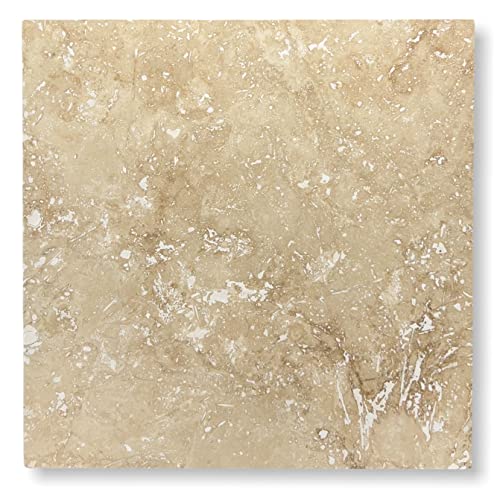



Start by matching travertine finish, filling level, and slip resistance to the real traffic and moisture in your room—and then confirming sealing and maintenance requirements from the manufacturer before you commit. Color and pattern matter, but long-term performance is driven more by processing (filled vs. unfilled), surface finish (honed vs. polished), and how the stone is sealed.
If you’re planning a kitchen, bathroom, entryway, or living space and you’re comparing travertine options (honed vs. polished, filled vs. unfilled, different thicknesses), this is for you. It’s especially useful if you want a clear checklist to avoid costly mistakes at selection and installation time.
Start With the Right Travertine Type (Filled vs. Unfilled)
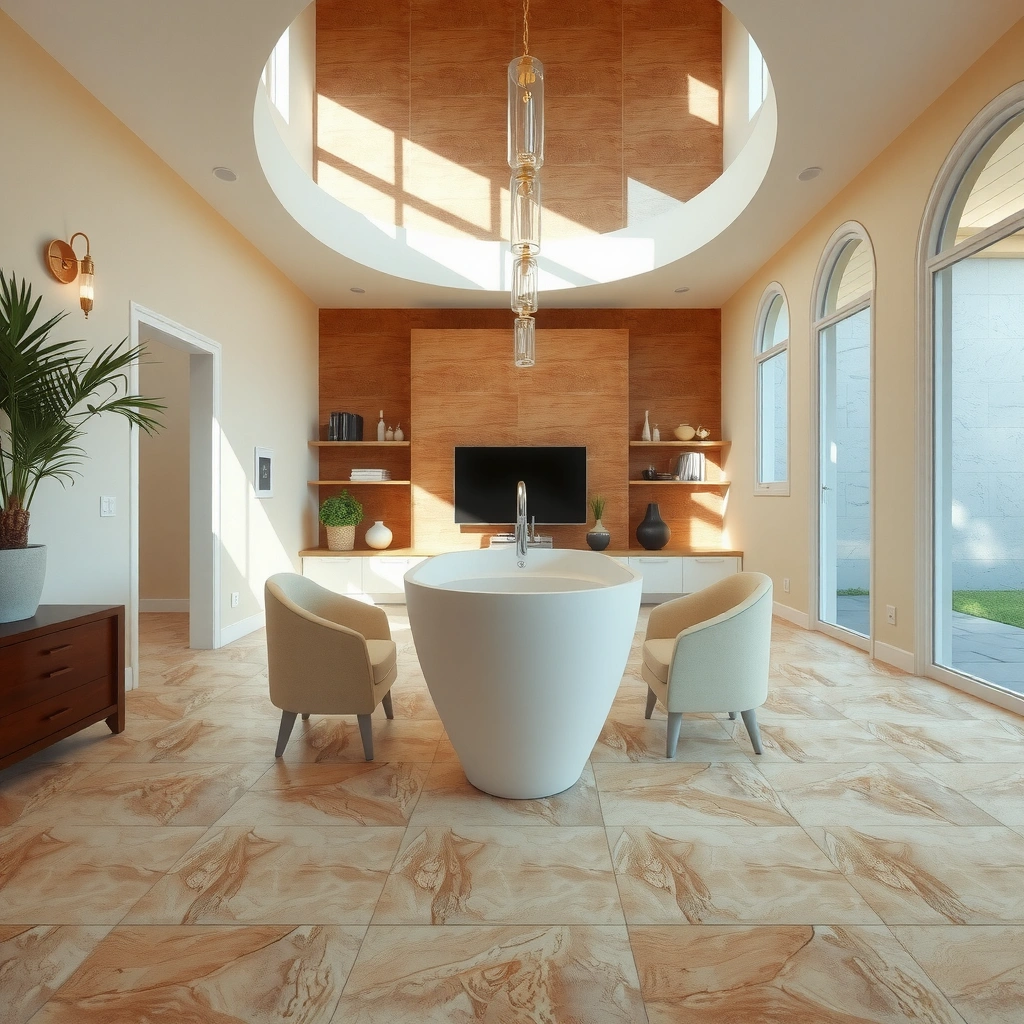
The best travertine type for your floor depends on how often you can maintain the surface and how tolerant you are to natural porosity. In general, filled travertine is easier to keep clean, while unfilled travertine looks more “raw” and may require more careful sealing and spot-care.
Filled travertine is mechanically or chemically treated to reduce visible pores, which typically lowers how easily liquids can penetrate the surface.
Unfilled travertine retains more open pores, so sealing and routine cleaning become more critical to prevent staining.
For floors, the tile’s surface finish and slip resistance performance matter at least as much as appearance when choosing for daily wear.
When I review projects in practice, the most common selection failure is underestimating how much day-to-day spills and tracked moisture actually affect porous stone. A busy entryway can see grit, water, and pet traffic daily—so choosing unfilled travertine without a robust sealing plan often leads to uneven patina and stubborn dark spots over time.
Honed vs. polished: choose for realism, not just shine
– Honed travertine is matte with less glare. It’s commonly recommended for floors because it tends to look consistent after scuffs and micro-abrasion.
– Polished travertine is shinier and can feel more luxurious—but polished surfaces are frequently more slip-prone, especially when damp.
According to [ADD: source for manufacturer guidance on honed vs polished slip behavior], surface texture influences friction under wet or oily conditions. In real households, “damp” often happens before you ever think “wet”—for example, when a mop leaves a film or when shoes bring in moisture.
Filled vs. unfilled: connect look to cleaning workload
Here’s the practical trade:
– Choose filled when you want fewer open pores and easier daily cleaning.
– Choose unfilled when you want the most natural stone character and you’re willing to stay consistent with sealing/maintenance.
Pros/cons comparison (selection at a glance):
| Option | Best For | Tradeoffs |
|---|---|---|
| Filled travertine | Entryways, busy kitchens, households with frequent spills | Can look less “open” than unfilled; still needs proper sealing and care |
| Unfilled travertine | Design-forward living areas where you’ll maintain proactively | Higher risk of staining; more sensitive to unplanned cleaning mishaps |
Match the Finish to Your Room’s Traffic and Moisture
The “right” finish is the one that balances appearance with traction under real conditions (dry, damp, and post-cleaning). For most floors, honed travertine is the safer everyday choice; for wet-prone rooms, prioritize slip resistance and moisture management over gloss.
Matte/honed finishes typically hide minor scuffs better than highly reflective polished surfaces used on floors.
Slip resistance requirements for interior floors are commonly evaluated using the DCOF method and related standards.
Moisture exposure and maintenance frequency are major drivers of how porous stone behaves over time.
High-traffic areas: design for scuffs, not showroom conditions
For hallways, living rooms, and kitchens, your selection should assume:
– grit will be tracked in,
– chair legs and dropped items will happen,
– and cleaning products will vary from day to day.
In these spaces, a honed finish often looks more forgiving after regular use because it’s less reflective and usually shows fewer obvious “shine lines” where the top layer changes.
Wet areas: plan for slip risk and sealing, not just looks
Bathrooms, wet entryways, and areas near exterior doors are where travertine becomes most demanding. The key is to treat the floor like a system:
1) stone type and finish,
2) tile installation quality,
3) grout choice and cleanliness habits,
4) sealing regimen,
5) and slip performance under damp conditions.
According to [ADD: ANSI/NFSI reference you use for slip testing, e.g., ANSI A326.2], slip resistance is evaluated using measurable criteria such as DCOF (Dynamic Coefficient of Friction). For the best results, you want the specific product you’re buying tested and documented for the intended application (interior level areas vs. wet/bathed conditions).
Mandatory selection data table (performance fit by room use)
Travertine Selection Targets by Room Type (Decision Guide)
| # | Room / Use Case | Finish Preference | Porosity Level | Slip Documentation Check | Maintenance Intensity |
|---|---|---|---|---|---|
| 1 | Living room / bedrooms | Honed ★★★★☆ | Filled or sealed unfilled | Verify product DCOF test report | Low–Medium |
| 2 | Kitchen (main floor) | Honed ★★★★☆ | Prefer filled | Confirm “interior dry/wet” use language | Medium |
| 3 | Entryway / mudroom | Honed ★★★★☆ | Filled recommended | Focus on damp shoe-traffic conditions | Medium |
| 4 | Bathroom (dry zones) | Honed ★★★☆☆ | Filled or well-sealed unfilled | Check slip ratings for wet maintenance | Medium–High |
| 5 | Bathroom (wet exposure / splash) | Honed ★★★☆☆ | Filled + strict sealing plan | Confirm documented wet-area suitability | High |
Check Thickness, Installation Substrate, and Format
The toughest travertine floors are built as much by the installation system as by the stone itself. Before you buy, confirm tile thickness, tile size/format, and whether your subfloor and substrate are suitable for natural stone tile.
Stone tile performance is limited by the substrate: uneven or incorrectly prepared subfloors can cause cracks even with high-quality travertine.
Tile format (large-format vs. small tiles) changes the number of cuts, layout complexity, and risk areas at edges and transitions.
Checking thickness and flatness requirements with the installer helps reduce lippage, bond failures, and grout cracking.
Thickness and format: plan your layout early
Travertine comes in multiple thicknesses and tile formats. What matters:
– Bonding and flatness: thinner tile can be more sensitive to substrate irregularities.
– Layout logistics: large-format panels reduce grout lines but can increase the importance of a very flat base.
As a concrete decision anchor, many natural stone floor tiles fall in the common range of about 3/8 in to 1/2 in thickness—but your exact product spec should control. If the packaging or technical sheet doesn’t clearly state thickness and tolerance, request it in writing before purchase. (If you want, I can help you build an email checklist for your supplier—[ADD: contact template link or instructions].)
Substrate: where problems actually start
Even if you pick the perfect stone, failure often comes from:
– inadequate underlayment,
– insufficient flatness,
– incorrect mortar selection,
– or transitions that don’t get the right movement accommodation.
According to [ADD: TCNA Handbook edition reference for natural stone and substrate requirements], proper substrate preparation and movement joints are critical to prevent tile cracking and grout failure. Because editions vary, use the edition your installer references, and match the methods to your exact floor system.
Plan for Sealing and Ongoing Maintenance
The best travertine plan includes sealing before the floor goes down and a realistic maintenance schedule after. Sealing isn’t just “extra insurance”—it directly affects staining risk, cleanability, and how the stone ages.
Sealing requirements vary by travertine processing (filled vs. unfilled) and by the specific sealer chemistry specified by the tile manufacturer.
A sealing plan should include surface prep, application method, and expected reseal intervals based on traffic and exposure.
Maintenance consistency matters: skipping recommended cleaners or letting residue build-up can reduce a sealer’s effectiveness.
Confirm the treatment level and the correct sealer
Ask the retailer or stone supplier:
– Is the travertine pre-treated?
– If yes, for what purpose (water repellency, stain resistance, both)?
– Does the manufacturer require a particular sealer type (penetrating vs. topical) and prep steps?
In my advisory work on flooring spec reviews, I’ve seen projects stall because the sealer called out in manufacturer documentation didn’t match the installer’s planned system. That mismatch is preventable if you get the specs up front.
Maintenance expectations (what “ongoing” realistically means)
The frequency depends on:
– traffic volume,
– whether the floor sees frequent mopping,
– spill exposure (kitchen and entryways),
– and whether the sealer is penetrating or topical.
Also, note that cleaning products matter. A cleaner that’s too oily, too acidic, or too harsh can impair stone surfaces over time—especially on unfilled or less-protected travertine.
For sealing and cleaning instructions, rely on [ADD: manufacturer spec sheet for your exact travertine SKU and sealer]. If your supplier can’t provide the technical sheet, treat that as a risk signal and pause.
What Can Go Wrong When Choosing Travertine
The biggest travertine mistakes usually combine aesthetics with performance assumptions. Most failures trace back to finish slip behavior, missed slip-resistance documentation, and underestimating staining/maintenance for porous stone.
Polished travertine can be noticeably more slippery than honed travertine, particularly after damp mopping or spills.
Unfilled travertine can stain more easily when sealing and spill response aren’t consistent with the manufacturer’s guidance.
Ignoring substrate flatness requirements often causes cracking or grout failure that has nothing to do with the stone’s inherent quality.
Common pitfalls:
– Wrong finish for the space: polished can create traction issues; unfilled can discolor if you skip or delay sealing.
– Skipping slip-resistance details: don’t assume “natural stone” means “safe.” Verify documented testing for your intended use case.
– Assuming color means durability: travertine shade and veining drive aesthetics, but performance is more strongly influenced by processing, finish, and the sealing/cleaning system.
One more practical point: grout and sealants at joints can become the weak link in wet environments. If water sits in micro-channels at grout lines, it increases slip risk and can degrade finishes.
Verdict: A Smart Pick—But Only If You’re Ready for Maintenance
Travertine floors can be a beautiful, natural-stone option—especially in living spaces where you maintain the surface consistently and control moisture. If you want a “low-maintenance, never-seal” floor, travertine may not match your expectations, particularly in bathrooms, entryways, or households with frequent spills.
The most reliable travertine outcomes come from aligning finish, porosity treatment, slip documentation, and sealing plans before installation.
In wet or spill-prone areas, sealing alone isn’t enough—ongoing cleaning habits and prompt spill response are part of the performance system.
If you can’t commit to periodic maintenance, choosing a less porous stone or a surface-finished tile designed for wet floors may reduce risk.
We recommend selecting finish and slip performance first, then confirming sealing requirements from the stone/tile manufacturer and installer. Also confirm substrate expectations and the exact installation method in writing—natural stone deserves a complete specification, not a best-guess plan.
Quick Checklist: Choosing Travertine Floors
– [ ] Filled vs. unfilled chosen for your maintenance tolerance
– [ ] Honed vs. polished chosen for traffic and slip risk
– [ ] Slip-resistance information checked for the room use case
– [ ] Thickness/format confirmed to match your installation plan
– [ ] Sealing requirements confirmed (product, application method, maintenance plan)
– [ ] Substrate and installation details discussed before purchase
FAQ
Is honed travertine better for floors than polished?
Honed is often preferred for floors because it’s typically less reflective and can be easier to live with than polished finishes. It’s still important to verify slip-resistance guidance for your specific product and room conditions.
Should I choose filled or unfilled travertine?
Filled travertine generally makes day-to-day cleaning simpler because it reduces open pores. Unfilled travertine can look more natural, but it usually requires more careful sealing and maintenance to reduce staining.
Does travertine always need to be sealed?
In most real-world installations, travertine benefits from sealing and maintenance to help manage staining and moisture exposure. The exact requirement and schedule should come from the tile/stone manufacturer’s instructions—[ADD: source for that manufacturer’s sealing guidance].
Can I use travertine in bathrooms?
It can be done, but you must address moisture management and slip resistance, and follow sealing/maintenance directions closely. If you’re not willing to maintain it, consider a different stone or finish designed for wet, high-risk slip environments.
Sources
– [ADD: manufacturer specification or installation guide for travertine tile regarding sealing, filled/unfilled processing, and recommended cleaning]
– [ADD: manufacturer documentation for slip-resistance guidance or test method used for the specific travertine product]
– [ADD: official stone/installation standards or guidelines relevant to natural stone tile setting and substrate requirements, such as TCNA Handbook and/or ANSI standards—use named standard documents]
Choosing travertine floors comes down to performance planning, not just visuals. Match finish and porosity to your room’s traffic and moisture, verify slip-resistance documentation, and lock in a sealing and installation approach before you buy—then travertine can deliver the warm, elegant look you want with the durability you expect.
Frequently Asked Questions
What factors should I consider when choosing travertine floor tiles?
Start by choosing the right finish (honed, brushed, or tumbled) based on how much traffic the floor gets and how slip-resistant you need it to be. Pay attention to tile grade and consistency—variation is normal in travertine, but you’ll want uniform sizing and clear labeling for flooring use. Also consider the stone’s density and thickness for durability, especially in entryways, kitchens, and hallways. Finally, verify that the tiles are suitable for your climate and indoor/outdoor conditions before buying.
How do I choose between honed and polished travertine flooring?
Honed travertine is often the best choice for travertine floors because it has a matte surface that hides scratches and water spots more effectively than polished stone. Polished travertine looks more reflective and elegant, but it can be slippery in wet areas and may show wear sooner in high-traffic zones. For bathrooms, foyers, and kitchens, prioritize honed or lightly textured finishes and ensure you use a proper sealer to reduce staining. Always check the tile’s slip rating and finish specifications for your environment.
Which travertine color and pattern options work best for my home?
Natural travertine comes in colors like ivory, cream, beige, and walnut, and the undertones can shift under different lighting. If you want a brighter feel, lighter travertine floors can make rooms look larger, while warmer medium tones add coziness and complement wood and neutral interiors. For patterns, consider tumbled or filled styles for a more uniform look, or choose classic variations for a more rustic, character-filled appearance. Bring home samples and view them at different times of day to confirm the true color.
Why is sealing important for travertine floor installations?
Travertine is a porous natural stone, so it can absorb water, oils, and dirt if it isn’t properly sealed. Sealing helps prevent staining and makes routine cleaning easier, which is crucial for kitchens, mudrooms, and areas where spills are likely. Choose a penetrating sealer designed for travertine and follow the manufacturer’s reapplication schedule to maintain protection. Proper sealing also improves stain resistance without changing the natural look of your travertine floors.
What is the best thickness and tile type to choose for durable travertine floors?
For most residential travertine floors, choose thicker tiles (commonly around 3/8 in. to 1/2 in.) for improved stability and longevity, especially over standard subfloors. Look for tiles specifically rated for floor installation, and consider whether you need filled travertine (for a smoother surface) or unfilled/“natural” travertine (more texture and grooves). If you expect heavy foot traffic, select consistent slab or tile grading and ensure proper installation with the correct thinset and grout/mortar. Investing in quality travertine floor tile selection helps reduce chipping, cracking, and maintenance issues over time.
📅 Last Updated: October 09, 2026 | Topic: How to choose travertine floors? | Content verified for accuracy and freshness.
References
- Google Scholar Google Scholar
https://scholar.google.com/scholar?q=how+to+choose+travertine+flooring - Google Scholar Google Scholar
https://scholar.google.com/scholar?q=travertine+floor+sealing+maintenance+porosity+absorption - Google Scholar Google Scholar
https://scholar.google.com/scholar?q=travertine+stone+floor+durability+stain+resistance+wear - Travertine
https://en.wikipedia.org/wiki/Travertine - List of decorative stones
https://en.wikipedia.org/wiki/Natural_stone - Stone sealer
https://en.wikipedia.org/wiki/Stone_sealing - https://www.britannica.com/science/travertine
- https://www.sciencedirect.com/topics/earth-and-planetary-sciences/travertine
- https://pubmed.ncbi.nlm.nih.gov/?term=travertine+stone
- https://www.cdc.gov/niosh/topics/stonecutting/