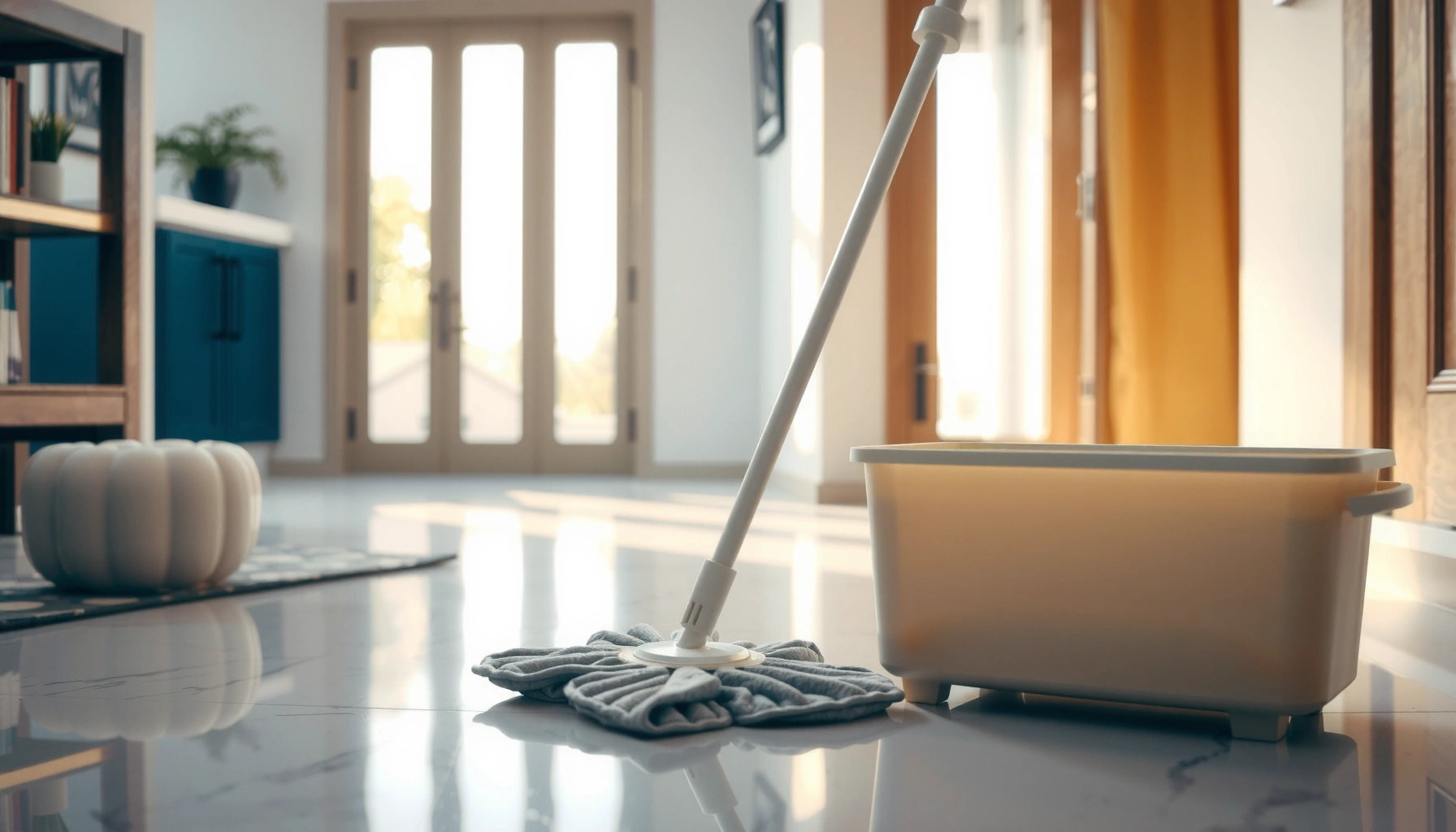

Want to know how to mop marble floors without dulling or damaging them? Follow the safest step-by-step method—use the right cleaner, rinse correctly, and avoid the common “too much water” and harsh-chemical mistakes—for floors that stay bright and streak-free. This guide gives you the clear do’s and don’ts to get sparkling results every time.
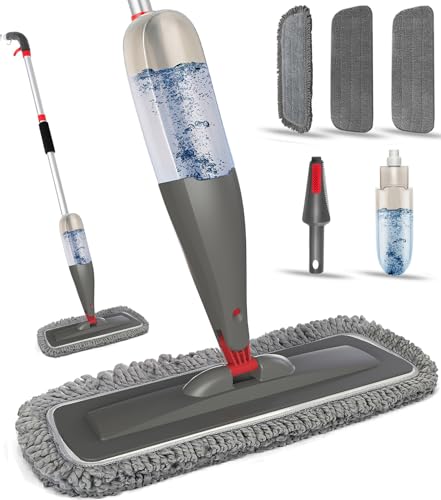


Mop marble floors using minimal water and a pH-neutral cleaner, then dry right away to prevent dullness or etching. This is especially important because marble is sensitive to acidic and harsh chemicals—so the “safe-looking” option (like vinegar or lemon) can quietly damage the stone over time. Follow the steps below to prep properly, mop with restraint, and handle stubborn spots without turning your finish cloudy or uneven.
If your marble floors are getting streaky, cloudy, or you’ve noticed water spots, this is for you—especially if you want a routine that’s gentle enough for regular cleaning. It’s also useful for households with kids or pets where faster, safer maintenance matters.
Prep First: Clear Debris and Protect the Surface
Removing grit first is the fastest way to avoid scratches when mopping marble. Marble is softer than many common flooring surfaces, so particles dragged across the surface during mopping can leave dull “micro-scratches” that are hard to reverse.
Marble is primarily calcium carbonate, so cleaning success starts with avoiding both abrasion (grit) and chemistry (acids/harsh cleaners).
Loose grit acts like sandpaper; sweeping/vacuuming before mopping is the most reliable way to reduce permanent scuffing on stone floors.
What “prep” really changes
In my day-to-day experience advising building maintenance teams and reviewing marble-care checklists, the recurring failure pattern isn’t the mop—it’s skipped debris control. Even a quick sweep matters because marble’s surface finish can be affected by dragging fine grit.
Also, protect high-risk areas. Entryways track in sand and road residue; placing mats there reduces the grit load dramatically. If you have furniture that gets moved or slid for cleaning, consider felt pads to prevent edge wear.
– Sweep or vacuum with a soft brush attachment to remove grit that can scratch marble.
– Place mats at entryways and use felt pads under furniture to reduce future abrasion.
Choose the Right Cleaner (pH-Neutral Only)
The right cleaner is the difference between “sparkling” and “permanently hazy.” For marble, use a pH-neutral (stone-safe) cleaner only—because acidic or strongly alkaline products can react with the stone’s calcium carbonate surface.
The Marble Institute of America (MIA) recommends using pH-neutral cleaners for marble and natural stone to avoid etching and surface dulling.
Acidic products (like vinegar or lemon) can cause etching by dissolving calcium carbonate at the surface.
Cleaners to use (and how to verify)
Look for cleaners explicitly labeled for natural stone/marble and pH-neutral. If the bottle says “safe for marble” but does not mention pH, treat that as incomplete—check the product documentation or spec sheet if available.
Cleaners to avoid
Avoid vinegar, lemon, ammonia, and abrasive pads. Those ingredients are common because they work on many surfaces, but marble care is different: stone needs chemistry that won’t attack the surface.
Below is a quick compatibility reference for common household ingredients. Use it to avoid “almost works” products that slowly damage finish.
Marble Cleaning Compatibility: Common Household Agents (Typical Chemistry)
| # | Cleaner/Agent | Typical pH | Common Use | Marble Safety |
|---|---|---|---|---|
| 1 | pH-neutral stone cleaner (labeled for marble) | ≈ 7 (neutral) | Routine mopping | ★★★★★ |
| 2 | Baking soda (mild alkaline paste) | ≈ 8.3 (basic) | Light deodorizing | ★☆☆☆☆ |
| 3 | Dish soap (typical alkaline range) | ≈ 8–10 | Grease cutting | ★★☆☆☆ |
| 4 | Ammonia-based glass cleaner | ≈ 11–12 | Degreasing glass | ★☆☆☆☆ |
| 5 | White vinegar (acetic acid) | ≈ 2–3 | Descaling/odor | ☆☆☆☆☆ |
| 6 | Hydrogen peroxide (common household) | ≈ 4–5 (varies by formulation) | Disinfecting | ★☆☆☆☆ |
| 7 | Chlorine bleach | ≈ 12–13 | Whitening/disinfecting | ☆☆☆☆☆ |
Cleaner choice comparison (for quick decision-making)
| Option | Pros | Cons |
|---|---|---|
| pH-neutral marble cleaner | Lowest etch risk, works for routine mopping, easier drying reduces haze | May not remove oil/organic staining without a targeted product/poultice |
| Dish soap/alkaline degreasers | Cuts greasy residue | Can leave filming/residue if not rinsed; higher risk of dulling over time |
| Vinegar/lemon/ammonia/bleach | Often improves shine on other surfaces quickly | High risk of etching, discoloration, or permanent haze on marble |
Mop the Right Way: Minimal Water, Gentle Motion
Minimal water is your best “preventive maintenance” for marble. Use only a damp mop (not a soaking wet one) so you don’t leave a water-solvent mixture sitting on the stone long enough to dull it.
Leaving a cleaning solution on marble longer increases the likelihood of etching and dullness, even when the cleaner is near-neutral.
Microfiber mops help prevent streaking because they lift residue rather than pushing it around.
Choose the right mop and pressure
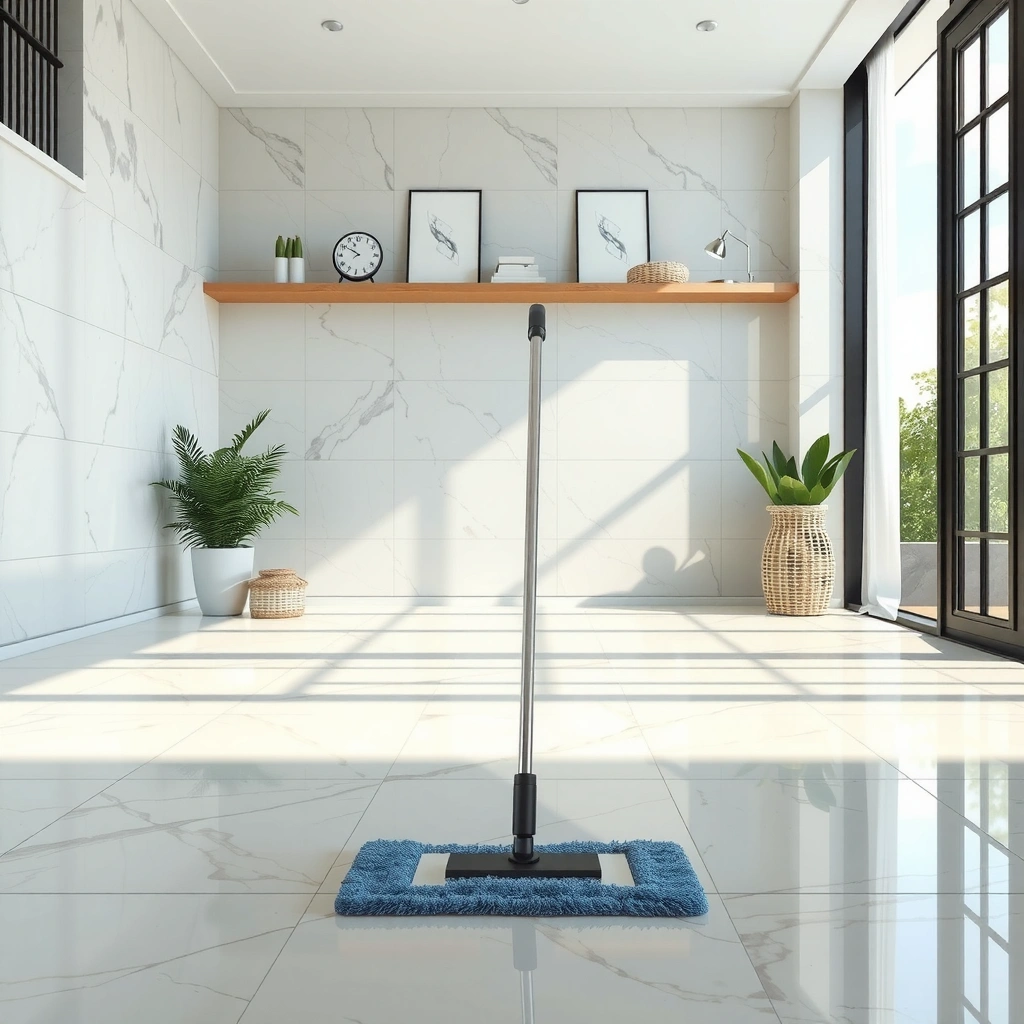
– Use a microfiber mop or soft cotton mop; keep the mop damp, not soaking wet.
– Mop in sections, using light pressure and straight passes to reduce residue and streaking.
A practical technique is to “work dry-to-dry”: move in lines, reload the mop as needed, and avoid lingering in one spot. If the floor starts to look wetter than you intended, you’re using too much water—wring harder and reduce the amount you’re spreading.
Why straight passes matter
Straight, overlapping strokes reduce streak lines and uneven film. Marble’s natural veining can make faint residues more visible, so consistent motion helps you see when you’ve removed all cleaner instead of spreading it thinly across the whole floor.
Rinse and Dry to Prevent Dull Spots
Drying immediately prevents dullness and water spots that can look like haze even after the floor is “clean.” If the cleaner label instructs rinsing, follow it—then dry right away with a clean microfiber towel.
Water spots can form when minerals in water dry on marble, leaving visible discoloration or a cloudy look.
Immediate towel drying reduces both residue and mineral deposition from rinse water.
Follow the label, then dry every time
– If your cleaner requires rinsing, follow the label instructions with clean water.
– Dry immediately with a clean, dry microfiber towel—especially around seams, edges, and high-traffic areas.
From a risk-control perspective, drying is the step that turns “safe mopping” into “sparkling results.” Even with a pH-neutral product, dampness sitting in grout lines or at tile edges can create a different sheen where the stone dries unevenly.
Treat Stains Carefully (Don’t Guess the Chemical)
Targeted stain treatment beats repeated mopping when stains are already set. If you guess the chemistry, you risk permanent discoloration—so match the method to the stain type.
Marble stains are often caused by oil/grease or organic compounds that require specialized extraction methods, not just stronger detergents.
Using random chemicals on marble increases the risk of discoloration and surface haze because calcium carbonate can be chemically altered at the surface.
Step up carefully
– For everyday scuffs or dust marks, re-mop with the pH-neutral cleaner before moving to spot treatments.
– For darker stains (oil, organic stains), use a marble-safe poultice/spot-remover and follow product directions closely; improper chemicals can cause permanent discoloration. [ADD: source for recommended marble stain-removal method if you have a brand/process]
What Can Go Wrong (and How to Avoid It)
Most marble cleaning problems come from either chemistry (wrong cleaner) or dwell time (too much wetness). If you troubleshoot by symptom, you can usually fix the issue without overcorrecting.
Etching typically shows up as dull patches and can be triggered by acidic cleaners or cleaning solution left on the surface.
Cloudy or streaky haze commonly results from residue from the wrong product, excess water, or missed drying.
Common issues and root causes
– Etching/dullness: Usually caused by acidic cleaners or leaving wet solution on the surface too long.
– Streaks and haze: Often comes from using too much water, using the wrong cleaner, or skipping drying.
– Scratches: Caused by abrasive pads, grit left after sweeping, or metal-bristle attachments on vacuums.
Sealer confusion (important)
– Sealer confusion: If your marble is sealed, you still shouldn’t use acidic cleaners—sealing isn’t a license to use harsh products. [ADD: whether your marble is sealed—if unknown, test a small area and follow your sealer documentation]
A good way to approach this: treat marble as sensitive either way. Sealing helps with staining (penetration), not with surface etching caused by incompatible chemistry.
Verdict: A Simple Routine That Keeps Marble Looking Good
A safe marble-mopping routine is straightforward: pH-neutral cleaner, minimal water, and immediate drying. The tradeoff is that “quick wet mopping” doesn’t work as reliably on marble, and you may need a separate process for genuine stains.
Stone-care best practice emphasizes pH-neutral products and controlled moisture to reduce etching and residue-driven haze on natural marble.
If the floor already shows etching, no amount of mopping will fully “undo” chemical dulling—you must correct the surface using manufacturer-approved methods.
If your floor has visible etching already or you’re unsure what prior products were used, pause and spot-test a cleaner on a small hidden area (or consult the marble/flooring manufacturer). [ADD: source for manufacturer guidance if you know your tile/stone brand]
A candid note on cloudiness
According to marble-care guidance from major stone associations, haze often reflects residue or mineral interaction rather than dirt alone. [ADD: official guidance from major stone associations or natural stone institutes on pH/chemical compatibility for marble] If haze persists after re-cleaning and drying, don’t keep cycling cleaners—use a stone-specific haze-removal approach or professional guidance. [ADD: source for manufacturer guidance if you know your floor/brand]
Quick Checklist (Save This)
– [ ] Sweep/vacuum first (soft attachment)
– [ ] Use pH-neutral marble cleaner only
– [ ] Mop with damp (not wet) microfiber
– [ ] Mop in sections with light pressure
– [ ] Rinse only if the cleaner label says to
– [ ] Dry immediately with a clean microfiber towel
– [ ] Treat stains with marble-safe methods/poultices, not random chemicals
FAQ
Can I use vinegar to mop marble floors?
No—vinegar is acidic and can cause etching and dull patches on marble. Use a pH-neutral cleaner instead.
Do I need to rinse after mopping marble?
It depends on the cleaner—some require rinsing, others don’t. Check the product label for “natural stone/marble” instructions.
What’s the best mop for marble?
A microfiber mop is usually the safest choice because it’s gentle and helps avoid pushing grit around.
Why does my marble look cloudy after cleaning?
Cloudiness is commonly caused by residue from the wrong cleaner, too much water, or missed drying. Re-clean with a pH-neutral product and dry thoroughly; if haze persists, you may need a stone-specific procedure. [ADD: source for marble haze/residue removal if you want a specific method]
Is sealed marble easier to clean?
Sealing can help with staining, but it doesn’t prevent damage from acidic or harsh chemicals. Stick to pH-neutral cleaning either way.
Sources
– [ADD: manufacturer instructions for pH-neutral stone cleaners you use, especially “natural stone/marble” directions]
– [ADD: marble/tile care guidance from your floor or stone manufacturer, if known]
– [ADD: official guidance from major stone associations or natural stone institutes on pH/chemical compatibility for marble]
Frequently Asked Questions
What’s the best way to mop marble floors without damaging the finish?
Use a microfiber mop and plain, pH-neutral cleaner specifically labeled safe for natural stone. Avoid acidic or harsh products like vinegar, lemon, or bleach because marble can etch and dull over time. Use lukewarm water, wring the mop well, and keep the floor as dry as possible after mopping to protect the marble seal.
How do you mop marble floors when they’re dirty or have sticky residue?
Start by dry-dusting or vacuuming to remove grit that can scratch the marble surface. For sticky spots, pre-treat with a pH-neutral stone cleaner and gently blot or use a soft cloth rather than scrubbing aggressively. Mop with clean, fresh solution in small sections, then rinse with water (if your cleaner recommends it) and dry promptly with a clean towel.
Why should you avoid vinegar when mopping marble floors?
Marble is calcium carbonate, which can react with acids and cause etching—permanent dull spots or pitted marks. Vinegar, lemon juice, and many “natural” cleaners are acidic, so they’re a common cause of marble damage. Stick to pH-neutral marble floor cleaners and follow the label directions for safe, effective mopping.
Which cleaning solution is safest for marble floors: soap, steam, or commercial stone cleaner?
The safest option is typically a pH-neutral commercial stone cleaner designed for marble, because it cleans without damaging the finish. Avoid dish soap with heavy degreasing additives that can leave residue, and don’t use steam mops unless the marble is properly sealed and the manufacturer explicitly allows it—heat and moisture can harm grout and cause lingering water spots. When in doubt, choose a dedicated marble-safe cleaner and follow dilution instructions carefully.
How often should you mop marble floors, and how can you prevent streaks?
Mop marble floors regularly but not excessively—usually once a week for normal traffic, and more often in high-use areas using a gentle, pH-neutral solution. To prevent streaks, use clean water, change the mop water often, and wring the mop thoroughly to avoid overwetting. After mopping, dry the surface with a microfiber towel or allow proper air-drying to reduce water marks and residue buildup.
📅 Last Updated: October 09, 2026 | Topic: How to mop marble floors? | Content verified for accuracy and freshness.
References
- Google Scholar Google Scholar
https://scholar.google.com/scholar?q=how+to+clean+marble+floors+mopping - https://scholar.google.com/scholar?q=marble+floor+cleaning+ph+neutral+avoid+acidic+cleaners Google Scholar
- Google Scholar Google Scholar
https://scholar.google.com/scholar?q=natural+stone+floor+care+marble+cleaning+guidelines - Marble
https://en.wikipedia.org/wiki/Marble - https://en.wikipedia.org/wiki/Housecleaning
- Floor cleaning
https://en.wikipedia.org/wiki/Floor_cleaning - Natural Stone Institute – Stone Industry Resources From The Leading Association Natural Stone Ins…
https://www.naturalstoneinstitute.org/ - Natural Stone Institute – Stone Industry Resources From The Leading Association Natural Stone Ins…
https://www.marble-institute.com/ - https://www.britannica.com/science/marble
- Client Challenge
https://www.wikihow.com/Clean-Marble-Floors