
Want slip-resistant ceramic tile floors that actually reduce slips? This guide lays out the practical steps that make ceramic tile safer, focusing on the fastest wins: choosing the right high-traction tile finish, using the correct thinset and grout, and applying proper surface sealing and cleaning practices. Follow these moves and you’ll get a floor with stronger grip under real-world wet and high-traffic conditions—without guessing.



If you want slip-resistant ceramic tile floors, the fastest route is to choose slip-resistant tile and finish the surface correctly (sealants and cleaning matter). In wet or oily areas, traction depends on the tile’s tested surface performance and the way you prep, treat, and maintain the floor so texture stays effective.
This guide is for homeowners and facilities teams upgrading a bathroom, entryway, kitchen, pool deck, or any space where water, soap, sunscreen, or cooking oils show up. The right approach changes depending on whether you’re installing new tile, replacing existing tile, or retrofitting traction to what’s already down.
Start with slip resistance: tile texture and rating
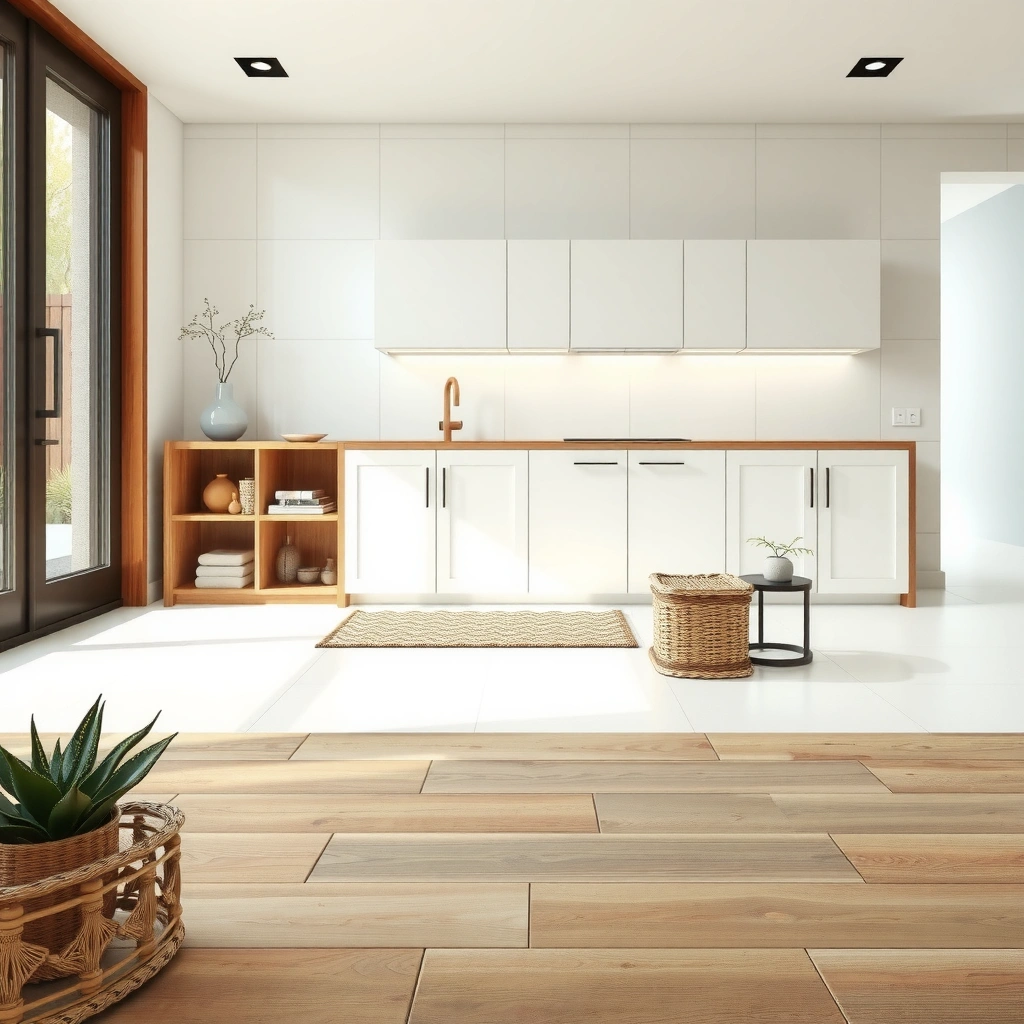
Slip resistance starts at the tile surface: choose a ceramic product specifically designed for wet-foot traffic and confirm its rating before installation. Structured micro-texture usually performs better than high-gloss, smooth finishes because water is less able to form a continuous lubricating film.
Here’s what to look for when evaluating ceramic tile for slip-resistant floors:
– Use the product’s published slip test method and result. Many “slip-resistant” tiles reference a measurable performance standard rather than relying on marketing alone.
– Prefer micro-texture/structured finishes for wet zones. Matte, honed, or engineered texture typically outperforms polished or mirror-smooth surfaces in wet conditions.
– Match the finish to the environment. Bathrooms, pool decks, and entryways require a different performance expectation than dry-only corridors.
To anchor decisions in spec-driven testing, focus on the same test frameworks installers use for tile slip performance:
– Dynamic Coefficient of Friction (DCOF) is commonly referenced for level interior/wet areas. One widely cited threshold is DCOF ≥ 0.42 under ANSI A326.3 when tested via ASTM C1028.[ADD: ANSI A326.3 and ASTM C1028 references/links from your local spec sheet or project code requirements]
– For more formal characterization across geographies, ISO 10545-17 is another key standard used to evaluate slip resistance on ceramic tiles.[ADD: ISO 10545-17 reference]
Slip-resistant tile selection should be based on published test results, not appearance alone—look for slip testing methods referenced on the manufacturer spec sheet.
ANSI A326.3 commonly uses DCOF measured by ASTM C1028, and one frequently cited requirement for level interior wet areas is DCOF ≥ 0.42.
ISO 10545-17 provides a framework for determining slip resistance of ceramic tiles, supporting more standardized comparisons by method.
Slip-Resistance Testing Frameworks Commonly Referenced for Ceramic Tile
| # | Standard / Metric | What It Measures | Typical Threshold (When Listed) | Best Use Case | Fit Rating |
|---|---|---|---|---|---|
| 1 | ANSI A326.3 (DCOF framework) | Dynamic Coefficient of Friction (DCOF) | DCOF ≥ 0.42 (level interior wet) | Wet interiors | ★★★★★ |
| 2 | ASTM C1028 | Coefficient of friction testing method | Method (thresholds set by other docs) | Consistent lab test basis | ★★★★☆ |
| 3 | ISO 10545-17 | Slip resistance determination for tiles | Thresholds vary by spec | International comparisons | ★★★★☆ |
| 4 | DIN / regional friction test variants (as cited by makers) | Friction under specified conditions | Varies by region/spec | Code-driven projects | ★★★☆☆ |
| 5 | Manufacturer slip rating label (method-specific) | Test result tied to a named method | Varies by tile line | Shopping with spec clarity | ★★★★☆ |
| 6 | Surface appearance guidance (matte vs. polished) | Texture proxy (not a formal test) | No numeric threshold | Quick first-pass selection | ★★☆☆☆ |
| 7 | Anti-slip treatment compatibility testing (system-specific) | Effect after coating/sealer | Varies; rely on system docs | Retrofitting traction | ★★★☆☆ |
Pick the right method: choose repair vs. retrofit
For most owners, the best path is determined by whether you’re starting with new tile or trying to improve an existing, already-finished floor. New installation gives you the most predictable traction because the tile surface and finish are controlled from day one; retrofits can work, but only when the treatment system is compatible with the current sealer and wear layer.
Use this decision logic:
– New installation: select slip-resistant ceramic rated for wet use (not just “slip-resistant” in general). Plan for the right underlayment and grout as part of the traction strategy.
– Existing floors: decide between professional resurfacing/grinding (to restore engineered texture) and a compatible anti-slip treatment system (to increase friction without erasing texture).
– Repair-first scenarios: if grout is failing or tile is loose, fix that first—no coating can fix a structural slip hazard caused by movement or uneven joints.
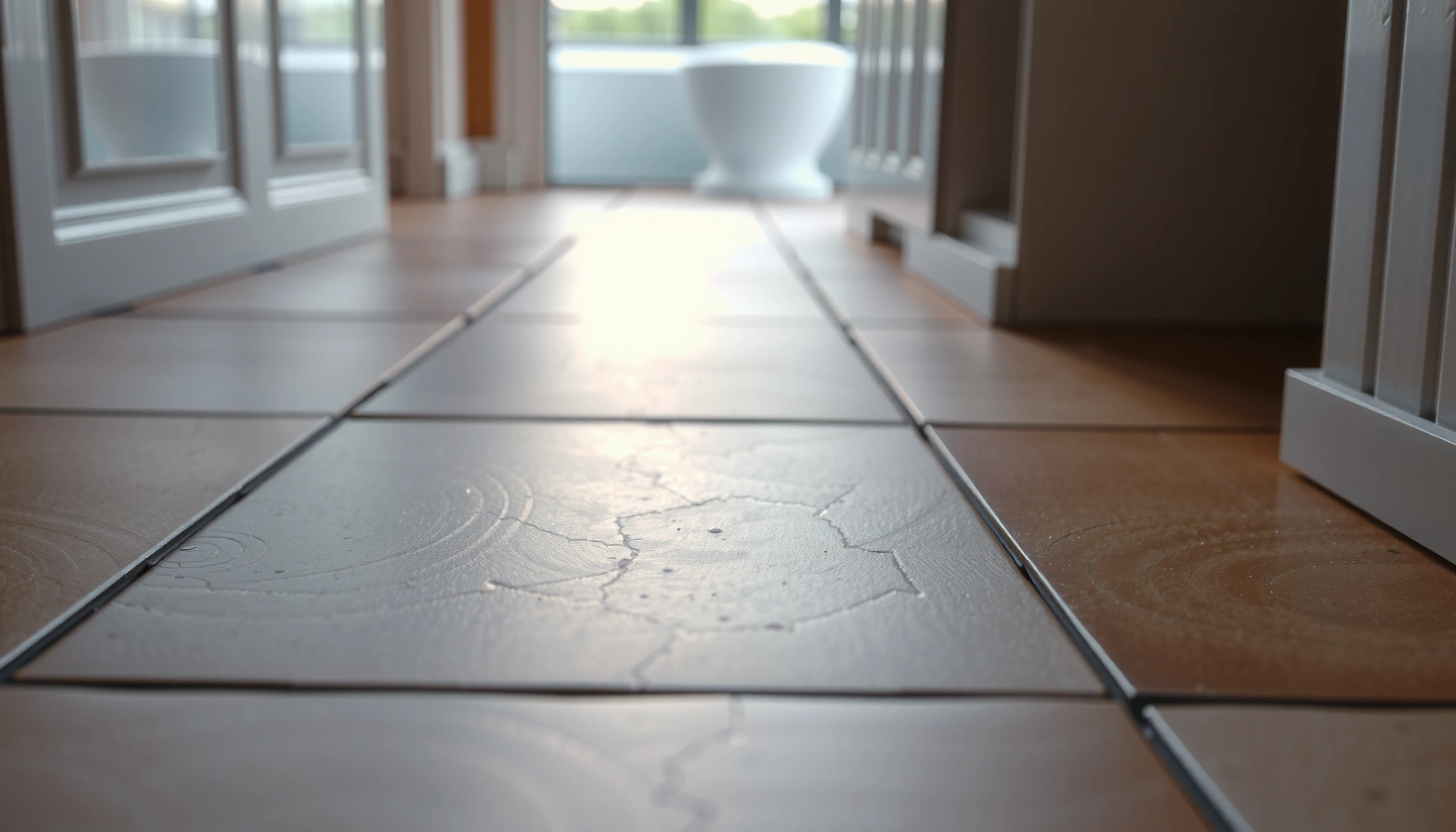
A key point many teams miss: traction isn’t only the tile. Grout joints, uneven lippage (tile edges slightly higher than neighbors), and deteriorated grout can create micro-steps that defeat even the best tile texture.
The most reliable traction comes from controlling the tile surface and installation variables from the start (tile finish, grout selection, and lippage control).
For existing floors, fixing failing grout and unevenness is a prerequisite—anti-slip treatments cannot compensate for mechanical height differences.
Retrofit coatings and treatments must be compatible with the floor’s current finish/sealer to avoid peeling, haze, or traction loss.
- Replace tile: Best when existing texture is worn smooth, tiles are cracked/loose, or the floor needs a full rework for safety and waterproofing.
- Professional texture restoration: Best when the tile is structurally sound but surface micro-texture has been dulled by previous refinishing or wear.
- System-based anti-slip treatment: Best when you need minimal downtime and the existing surface can be properly cleaned and bonded-to per manufacturer instructions.
Prepare the floor correctly (this makes or breaks traction)
Preparation is where slip resistance successes are won or lost—most adhesion and performance failures come from insufficient cleaning or incompatible residues. Before any treatment or coating, your priority is to create a clean, bondable surface while also addressing grout and geometry problems that cause slipping.
Follow these steps:
1. Deep-clean to remove oils, soap scum, and residues. Use the cleaner recommended by the slip-resistance product system you choose—generic degreasers can leave films or change surface chemistry.
2. Evaluate grout joints and lippage. Loose, cracked, or uneven grout can create both slip and snag hazards. Patch and level as needed using a system compatible with ceramic floors.
3. Remove anything that blocks bonding. If you previously used an incompatible wax, acrylic finish, or heavy sealer layer, you may need removal/stripping per product documentation.
4. Dry/cure conditions matter. Apply treatments under the required temperature and humidity conditions so the system can cure correctly (follow the manufacturer’s window).
In the field, I’ve seen many “slip-resistant” upgrades underperform because the floor already had an unknown sealer or had been cleaned with a product that leaves a slick surfactant layer. The fix is not another coat—it’s using the correct surface prep chemistry from the treatment system’s own documentation.
Anti-slip treatments depend on bond performance; manufacturer-directed cleaning and surface prep are critical to prevent adhesion failures.
Failing grout can create a slip risk independent of tile texture, so repair uneven or deteriorated joints before adding traction.
If an existing sealer or finish is incompatible, treatments can haze or peel, reducing the intended friction benefit.
Apply slip-resistance treatments safely and evenly
A slip-resistant treatment only works if it’s applied as a controlled, uniform surface system—not as “one more coat.” The best outcome comes from strict adherence to coverage rate, application method, and cure/dry times in the manufacturer’s instructions.
Practical application guidance:
– Use the exact product system steps. Many systems include a primer/cleaner stage, a treatment layer, and sometimes an additive or topcoat. Mixing brands or skipping steps can change friction.
– Respect coverage rate. Over-applying can create ridges or thick film texture; under-applying can leave smooth patches.
– Maintain wet/dry cure sequencing. Don’t foot-traffic the floor until the system reaches the documented readiness state.
– Aim for uniformity at the tile-and-grout scale. Uneven buildup concentrates slip risk in low-friction areas.
If you’re working on a floor with grout, confirm whether the system is designed to alter friction through both tile and grout lines. Some solutions primarily change the tile surface; others are intended for the whole installed field.
Coverage rate and uniform application are central because uneven buildup can create ridges that feel worse than the original smooth surface.
Cure and dry times in manufacturer documentation determine final performance; premature exposure can leave the treated surface under-developed.
Anti-slip systems should be treated as an integrated method; substituting steps or mixing chemistries can compromise friction results.
Maintain traction: cleaning habits and sealant choices
Long-term slip resistance is not just about the initial treatment—it’s about maintaining texture and preventing residues that reduce grip. For wet spaces, compatible cleaning and correct sealer choices are what keep the floor from gradually becoming slick again.
A reliable maintenance routine typically includes:
– Use compatible cleaners (the product system’s recommended cleaner, or at minimum one that doesn’t aggressively strip the treated surface).
– Avoid residue-forming products. Some cleaners leave films that can lower friction; others can soften or dull the treatment’s micro-texture.
– Check sealer compatibility before re-sealing. If you sealed previously, confirm the new treatment won’t be blocked, discolored, or weakened by the existing sealer chemistry.
– Train cleaning staff on “what not to do.” Skipping rinsing, using hard pads, or applying wax/finish products can erase traction.
Maintenance also means knowing when you should stop trying to “restore” traction with cleaners or aggressive restoration methods. If the texture has been removed, repeated re-treatment may not restore the original engineered friction performance.
Cleaning chemistry can reduce slip resistance by leaving residues or by stripping a treated surface; compatibility with the treatment/sealant system matters.
Sealers can change surface friction depending on type and finish; manufacturer guidance should be followed for slip-critical wet-area applications.
Preventing waxes and restoration products from covering micro-texture is often as important as the initial anti-slip treatment.
What can go wrong (and when to stop)
Slip-resistant upgrades tend to fail for a few repeatable reasons, and the fixes are straightforward when you identify the root cause early. If you see peeling, haze, or spotty traction, stop and reassess compatibility and prep—don’t just apply another layer.
Common issues:– Wrong product compatibility: Treatments that aren’t meant for ceramic or that conflict with an existing sealer can peel, haze, or become slick.
– Inconsistent prep: If the floor isn’t degreased/cleaned per the system instructions, adhesion failures are common.
– Over-polishing or aggressive restoration: Restoration that removes micro-texture defeats the purpose of slip-resistant finishes.
– Structural hazards ignored: Loose tile, cracked grout, and uneven joints can still cause slips even with the best surface chemistry.
When to stop DIY and go professional:
– If the floor has significant cracking, loose tiles, or failed waterproofing (especially in showers), the traction solution comes after stabilization.
– If you can’t identify the current sealer/finish or prior restoration methods, you should rely on the treatment system’s compatibility guidance—or an installer who can test adhesion safely.
If a treatment is incompatible with an existing sealer, visible haze or peeling can indicate traction loss and reduced adhesion.
Aggressive surface restoration can remove engineered micro-texture, eliminating the very friction mechanism targeted by slip-resistant tiles.
Quick checklist (save this before you start)
You’ll get the safest, most predictable traction outcome by treating this as a system—tile, prep, treatment, and cleaning must align. Use this checklist to reduce guesswork during planning and installation.
– ☐ Identify wet vs. dry use area (bathroom/entry/pool vs. hallway/kitchen dry zones)
– ☐ Confirm tile slip-resistance specs/rating from the manufacturer (method + result, not just label text)
– ☐ Decide: new tile vs. retrofit treatment vs. professional surface texturing
– ☐ Deep-clean using the compatible cleaner for your chosen system
– ☐ Repair/level failing grout before adding traction
– ☐ Apply treatment evenly, respecting cure/dry times and coverage rate
– ☐ Maintain with recommended, compatible cleaning products
Planning around the tile’s rated slip performance and the maintenance chemistry helps prevent traction from degrading after installation.
Repairing grout and controlling surface flatness are prerequisites; coatings do not fix mechanical slip hazards.
FAQ
Can I make existing smooth ceramic tile slip-resistant without replacing it?
Yes—often you can add traction via an approved slip-resistance treatment or by restoring/altering the surface texture. The key is compatibility with your current sealer/finish, plus following the product system’s prep and application instructions. [ADD: examples of specific retrofit treatment categories your site stocks, and include the compatibility note required by each brand’s documentation.]
Do sealers reduce slip resistance on ceramic tile?
They can, depending on the sealer type and the tile’s surface finish. Some sealers are designed to preserve traction or are intended for slip-critical applications; others may create a slick film. Check the manufacturer guidance for slip-critical use, and don’t apply a general-purpose sealer over texture unless the spec explicitly allows it. [ADD: exact sealer guidance source if you tell me the brand/type.]
What’s the safest way to improve traction in wet bathrooms?
For wet bathrooms, start with slip-resistant tile rated for wet use where possible, then maintain using compatible cleaners that don’t leave residues. If retrofitting, prioritize systems explicitly designed for ceramic in wet conditions and apply them evenly across both tile and grout surfaces per documentation.
Will DIY anti-slip coatings last long?
Longevity depends on foot traffic, cleaning chemicals, and whether prep enabled strong bonding. For the most reliable expectations, use the product documentation’s stated service life or maintenance intervals rather than generic claims. [ADD: expected service life from the product documentation you choose.]
Sources
– ANSI A326.3 — Slip Resistance of Ceramic Tile (DCOF approach)
– ASTM C1028 — Standard Test Method for Determining the Static Coefficient of Friction of Ceramic Tile and Other Like Surfaces by the Horizontal Dynamometer Pull Method
– ISO 10545-17 — Determination of Slip Resistance
– [ADD: Manufacturer application instructions for your chosen slip-resistant treatment/coating system, including surface prep, coverage rate, cure/dry times, and cleaner compatibility.]
– [ADD: Manufacturer guidance for cleaners compatible with your sealer/treatment system.]
Choosing slip-resistant ceramic tile floors is most effective when you treat it like a full safety system: select tile with tested slip performance, fix grout and flatness first, apply compatible treatments evenly, and maintain with chemistry that preserves traction. If your current floor is structurally compromised, or if you don’t know what sealer/residue you’re dealing with, pause and get the right compatibility guidance—because the wrong prep or product can make traction worse rather than better.
Frequently Asked Questions
What makes ceramic tile floors slip-resistant?
Slip resistance depends largely on the tile’s surface texture, coefficient of friction (COF), and whether the finish is matte versus glossy. Look for ceramic or porcelain tiles rated for floors and rated for “wet” or “R” slip resistance standards where available. Proper installation and grouting also matter because worn grout or uneven edges can reduce traction and increase slipping.
How do I improve traction on existing ceramic tile floors?
Start by cleaning the floor thoroughly to remove soap film, wax, hard-water deposits, or oily residue that can make ceramic tile slippery. If the surface is too smooth, consider using a commercial tile-safe slip-resistant treatment designed for ceramic/porcelain, or adding non-slip floor mats in high-risk areas like bathrooms and entryways. For a longer-term fix, refinishing with a slip-resistant coating or replacing tiles with a higher-traction, textured finish may be necessary.
How can I install ceramic tile to reduce slip risk?
Use the correct thin-set mortar and follow the manufacturer’s installation guidelines to avoid lippage and uneven surfaces that cause foot drag and loss of grip. Ensure proper back-buttering (if required) and full coverage so tile edges don’t flex, which can contribute to instability. Choose slip-resistant ceramic tile with a suitable COF, keep grout lines level, and cure the grout fully before exposing the floor to water.
Which ceramic tiles are best for wet areas like bathrooms and kitchens?
For wet areas, choose textured or matte-finish ceramic or—often better—porcelain tiles that are specifically labeled for floor use and slip resistance. Look for tiles with higher COF ratings and surfaces designed to grip when damp, such as micro-textured patterns or lightly honed finishes. Avoid highly polished glazed tiles in areas where spills and water are common, because polishing tends to reduce traction.
Why does my ceramic tile floor feel slippery even when it’s not polished?
Even non-polished ceramic can become slippery due to contamination like cleaner residue, grease from cooking, or mildew on grout lines. Over time, grout wear, missing caulk at transitions, or improper sealing (some sealers leave a slick film) can also change how the tile performs when wet. Address slip by using a tile-safe degreaser/cleaner, inspecting grout for deterioration, and applying only products that are recommended to maintain slip resistance.
📅 Last Updated: October 08, 2026 | Topic: How to make slip-resistant ceramic tile floors? | Content verified for accuracy and freshness.
References
- Google Scholar Google Scholar
https://scholar.google.com/scholar?q=slip+resistant+ceramic+tile+flooring+coefficient+of+friction - Google Scholar Google Scholar
https://scholar.google.com/scholar?q=tile+floor+slip+resistance+DCOF+microscopy+surface+finish - Google Scholar Google Scholar
https://scholar.google.com/scholar?q=tribology+slip+resistance+floor+surfaces+ceramic+tiles+shoe+influence - https://en.wikipedia.org/wiki/Slip_resistance
- Preventing slips and trips at work – HSE
https://www.hse.gov.uk/pubns/indg225.htm - Final Rule to Update General Industry Walking-Working Surfaces and Fall Protection Standards | Oc…
https://www.osha.gov/walking-working-surfaces - Redirecting…
https://www.ada.gov/2010ADAstandards_index.htm - https://www.cdc.gov/homeandrecreationalsafety/falls/prevention.html
- https://pubmed.ncbi.nlm.nih.gov/?term=slip+resistance+floor+surfaces+ceramic+tile
- https://www.sciencedirect.com/search?qs=slip%20resistance%20ceramic%20tile