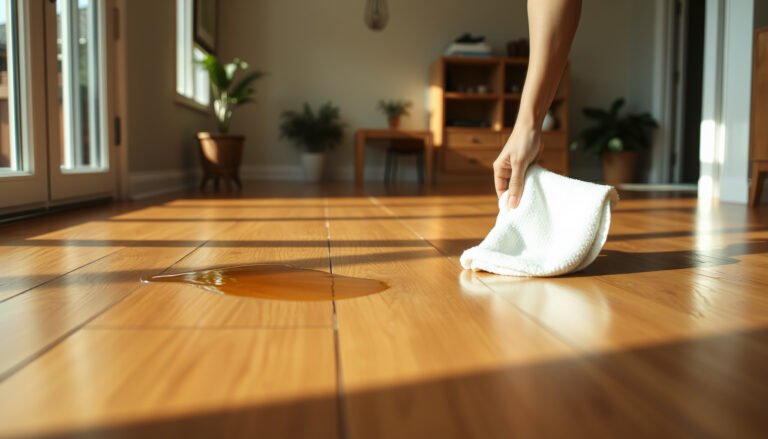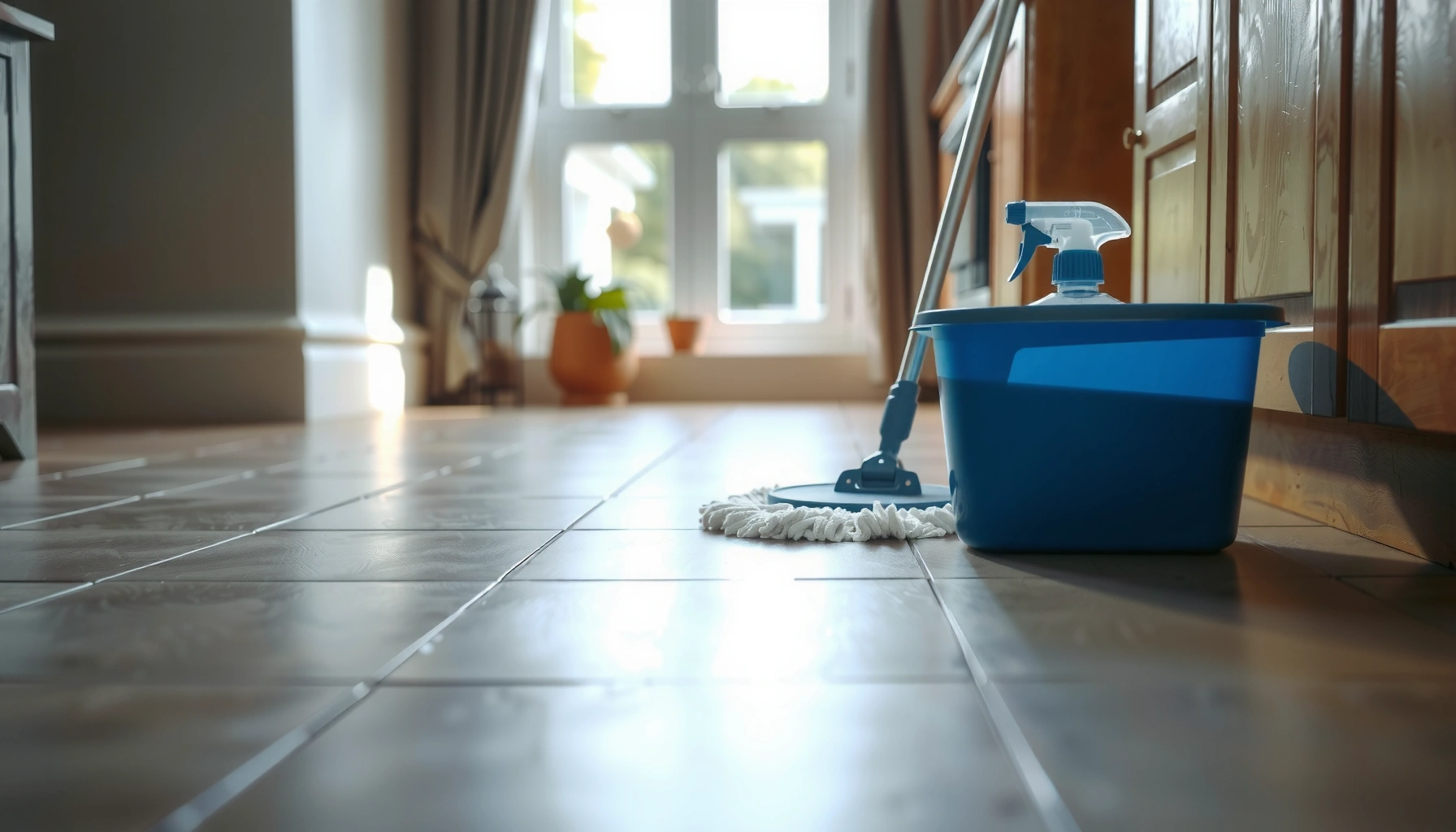

Learn how to clean porcelain tile floors with a simple, step-by-step method that restores shine without damaging the grout or finish. This guide tells you exactly what to use—starting with the right dry sweep, then the best cleaner and mopping approach—plus how to handle tough spots like grease and scuffs. Follow these steps and you’ll get a streak-free clean you can see immediately.



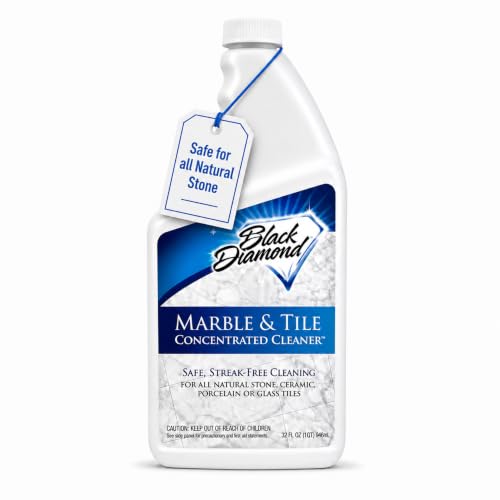
Porcelain tile floors clean best when you use a pH-neutral cleaner, warm water, and the right method for the mess (dry grit first, then wet cleaning). Start by sweeping or vacuuming to remove dust and grit, then mop with a gentle solution and rinse if your cleaner recommends it. This approach helps avoid streaks, dulling, and buildup in grout lines.
Porcelain tile is designed to resist staining and everyday moisture, but it still needs the right cleaning chemistry and technique to keep its surface clear and consistent. If your porcelain tile is dealing with everyday dirt, sticky residue, or occasional deeper grime, the steps below will help you get it looking clean without damaging the surface. This is especially useful for homes with kids/pets, high-traffic entryways, and grout that tends to hold onto discoloration.
Gather the right supplies
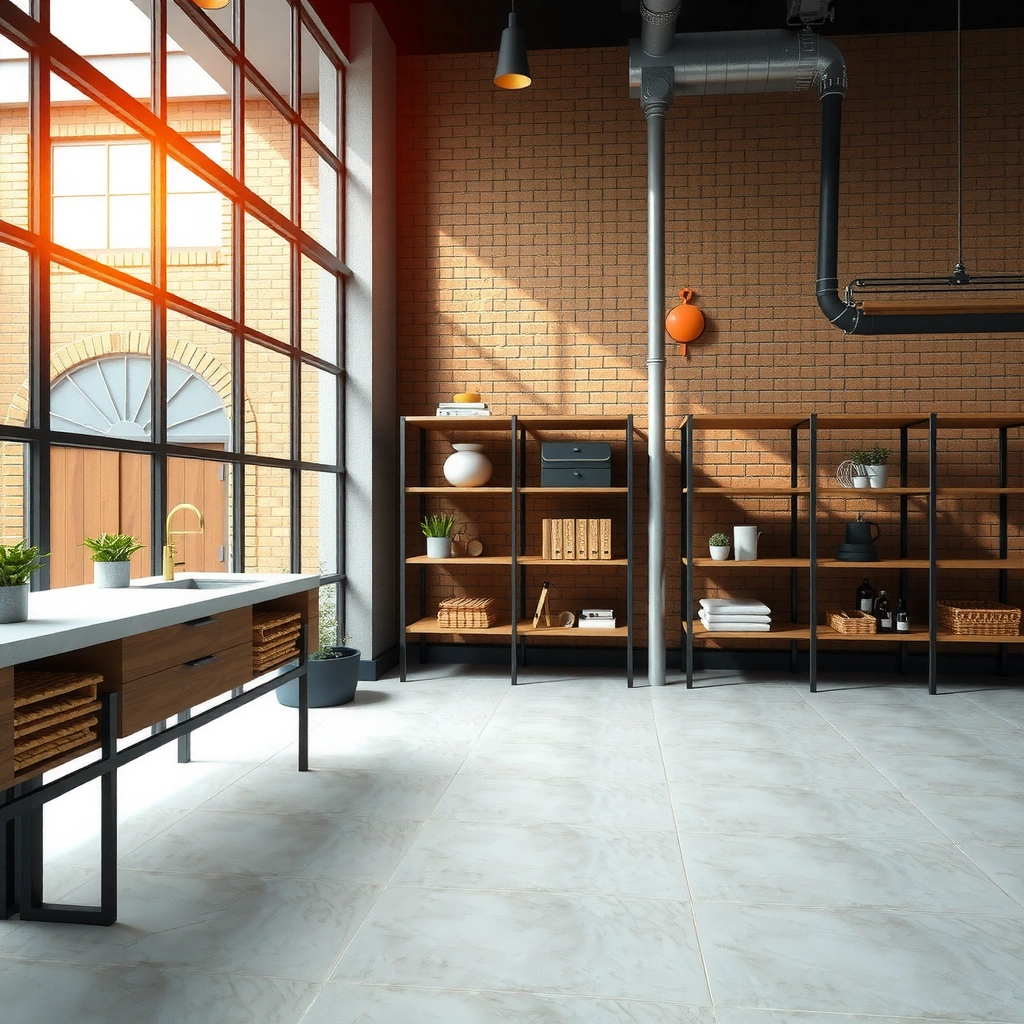
You get the best results by pairing pH-neutral cleaning chemistry with microfiber tools that lift soil instead of grinding it in. If you already own a mop, the “upgrade” is usually the mop head and the cleaner—not more aggressive chemicals.
Here’s what matters most for porcelain tile care: using the correct pH-neutral cleaner (instead of acids/alkalis), avoiding abrasive pads, and keeping clean rinse water available when the product directions call for it.
Porcelain tile is commonly defined by very low water absorption (often ≤ 0.5%), which means surface residue—not deep water penetration—is what usually causes haze and dullness.
ISO 10545-3 (porcelain tile water absorption test method) is the standard test approach referenced for these absorption performance categories.
For routine maintenance, pH-neutral cleaners help reduce the risk of leaving soap films or residues that later turn into dull streaks.
Recommended supplies (what to use)
– A pH-neutral floor cleaner made for tile: Look for “pH-neutral,” “safe for natural stone/tile,” or explicit porcelain guidance on the label. Avoid harsh acids/alkalis unless the manufacturer explicitly says the cleaner is safe for your exact tile and grout.
– Microfiber mop(s) and/or microfiber pads: Microfiber captures fine dust and helps prevent streaks versus cotton string mops.
– Soft brushes:
– A soft nylon scrub brush for stuck-on spots.
– A grout brush only when you’re cleaning grout (use grout-safe chemical guidance).
– Two-bucket workflow (optional but effective):
– Bucket 1: cleaner solution
– Bucket 2: clean water rinse (helps when your cleaner directions require rinsing)
What to avoid (to prevent long-term dulling)
– Abrasive pads (and especially metal scrubbers): porcelain is tough, but grout edges and finish can be scratched over time.
– “Stronger is better” chemical overuse: using more cleaner than the label calls for often creates residue haze instead of faster cleaning.
Cleaning Chemistry Risk vs. Porcelain Tile Floors (Routine Use)
| # | Cleaner type | Typical pH range | Porcelain routine risk | Best for |
|---|---|---|---|---|
| 1 | pH-neutral tile & floor cleaner | ~6.5–7.5 | Low ★★★★★ | Weekly mopping & light grime |
| 2 | Mild detergent (fragrance-free) | ~7–8 | Low ★★★★☆ | Everyday dirt (rinse if advised) |
| 3 | Neutral cleaner + surfactants | ~6–8 | Moderate ★★★★☆ | Sticky residue removal (spot-level) |
| 4 | Alkaline degreaser (moderate) | ~8.5–10.5 | Higher ★★☆☆☆ | Targeted grease zones only (if grout-safe) |
| 5 | Heavy-duty alkaline cleaner (strong) | >10.5 | Very high ★☆☆☆☆ | Not for routine mopping |
| 6 | Acid-based descaler | <6 | Very high ★☆☆☆☆ | Only if manufacturer approves |
| 7 | Mixed/unknown chemical residues | Unknown | Unpredictable ★☆☆☆☆ | Avoid—identify label/SDS first |
Prep the floor before you mop
You should always start with dry removal because grit and dust act like sand when you mop. The direct payoff is fewer scratches, less haze, and cleaner grout lines.
Sweeping or vacuuming before mopping prevents abrasive particles from being dragged across porcelain, which can dull grout edges over time.
Porcelain’s low water absorption means much of what you see as “dirt” is residue on the surface, so initial dry pickup still matters.
If a cleaner requires dilution and dwell time, prep time is where you make the process efficient without increasing chemical strength.
Steps that prevent “mop scratches”
– Sweep or vacuum first: Use a soft brush attachment on vacuum if available.
– Get corners and edges: Baseboards and tile edges trap dust that later reappears as gray streaks.
– Don’t grind sticky spots dry: If there’s sticky residue (food, pet accidents, tracked-in mud), dampen first to soften it before you apply cleaner.
Why this matters (quick causality)
When grit is trapped in microfiber, your mop becomes a “polisher,” not a cleaner. Even on hard tile, repeated micro-scratches can make the floor look less reflective, and grout lines typically show wear sooner.
Clean with a pH-neutral mopping routine
The quickest path to a consistently clean porcelain floor is a pH-neutral cleaner mixed exactly as directed, applied in controlled sections. The outcome is fewer streaks, less residue buildup, and easier maintenance between deeper cleanings.
Cleaner dilution accuracy is crucial: labels are designed to achieve cleaning performance without leaving excess surfactants or film.
Mopping in sections with overlapping strokes reduces streaking by distributing cleaner evenly and preventing “dry lines.”
If the product directions call for rinsing, a clean-water follow-up removes residue that can otherwise dull tile over repeated cleanings.
Step-by-step pH-neutral mopping method
1. Mix cleaner exactly per label
– Measure concentrate precisely.
– Avoid “overdosing” in the hope of faster results—this is a common cause of sticky film later.
2. Mop in small sections
– Use warm water (not hot enough to warp adhesives or discomfortably sanitize; follow manufacturer guidance where relevant).
– Overlap passes so you don’t leave cleaned-but-drying “lanes.”
3. Use light pressure
– Let the microfiber do the work.
– For textured finishes, use extra care—pressing hard can force soil into micro-pits.
4. Rinse only when required
– If your cleaner’s directions specify rinsing, mop again with clean water.
– If not, still consider a light rinse for heavily used entryways, especially when you’ve had buildup issues.
A note on grout lines
Porcelain tile and grout behave differently. Porcelain resists moisture; grout is more porous and more chemically sensitive. That’s why pH-neutral routines are usually safer for ongoing maintenance, while grout-specific products are reserved for grout-focused cleaning.
Spot-clean stains and stuck-on messes
You remove stains faster by targeting the chemistry and technique to the residue type—don’t treat every problem like it’s oily. For porcelain floors, “spot clean first, then maintain” prevents smeared rings and grout darkening.
For localized spots, microfiber cloths and soft nylon brushes typically clean effectively without the abrasion risk of scrub pads.
When grease is present, stronger degreasers may be effective, but only use products explicitly rated safe for grout and compatible with your tile finish.
Grout discoloration usually responds better to grout-safe cleaners and gentle agitation than to regular tile mopping.
How to handle the most common mess types
– Everyday smudges and fingerprints
– Apply the same pH-neutral cleaner to a microfiber cloth.
– Wipe, then rinse-wipe with clean water if the label recommends it.
– Sticky residue (food, tape residue, pet mess residue)
– Dampen first, then clean with pH-neutral solution and gentle brushing.
– Keep the area wet long enough for the cleaner to work; avoid scrubbing dry.
– Grease in kitchen entries and near cooking
– Use targeted cleaning rather than increasing chemical strength across the whole floor.
– If you use a degreaser, confirm it’s grout-safe and follow the dwell time precisely.
– Grout discoloration
– Use a grout brush and a grout-safe cleaner.
– Scrub gently—aggressive scrubbing can wear grout edges and open up surface texture.
Quick pros/cons decision table (spot vs. chemical strength)
| Approach | Pros | Cons / Limits |
|---|---|---|
| pH-neutral spot clean | Lower risk of haze; safe for routine maintenance; good for film and everyday residue | May take longer for heavy grease or deep staining |
| Grout-safe grout cleaner | More effective on discoloration in joints; better chemistry for porous surfaces | Can’t “fix” failed grout; requires careful rinsing and targeted use |
| Stronger degreaser/descaler (only if approved) | Helps with tough grease or mineral deposits | Higher risk of dulling, haze, or damage to grout/finishes if misused |
What can go wrong (and how to prevent it)
Most porcelain cleaning problems come from mismatched chemistry, skipping rinses when required, or scrubbing too aggressively. The prevention strategy is consistent: follow the label, use microfiber, and separate tile cleaning from grout cleaning.
Acidic or harsh alkaline cleaners can leave visible haze or contribute to finish dulling, especially when used repeatedly.
If a cleaner requires rinsing, skipping that step increases the chance of residue film turning into streaks over time.
Abrasive tools can damage grout edges faster than they wear porcelain, making floors look uneven even when the tile remains intact.
Common mistakes
– Using the wrong cleaner
– Acidic cleaners and strong alkalis may react with grout materials and can create surface dullness.
– Skipping the rinse when required
– Residue from surfactants (soap-like cleaning agents) can attract dirt and make the floor look worse after drying.
– Scrubbing too aggressively
– Metal brushes and scouring pads may scratch grout edges and worsen joint appearance on older installs.
– Leaving soap film
– Repeated “strong-mopping” without rinsing can lead to a waxy film effect.
– Treating grout like porcelain
– Grout often needs different chemical compatibility and agitation level.
A measurement that explains why porcelain often “looks clean” but still feels dirty
According to ISO 10545-3 (tile water absorption test method), porcelain tile is categorized by very low water absorption (commonly ≤ 0.5%). That low absorption means soil often sits on the surface as film; removing that film requires correct cleaning chemistry and, sometimes, a rinse step.
Best-practice verdict (when to do this vs. when to stop)
This routine is the best low-risk approach for most porcelain tile floors because it uses pH-neutral chemistry, controlled agitation, and (when needed) rinsing. Stop or escalate to professional guidance when damage, unknown coatings, or severe grout failure is present.
For most maintenance schedules, a pH-neutral cleaner plus microfiber mopping provides consistent results without finish-risk that comes from aggressive acids or alkalis.
If previous cleaning involved strong chemicals, you should pause and identify what was used before repeating the same products on grout and tile.
When grout is crumbling, joints are widening, or stains persist after grout-safe cleaning, the issue may be structural or deep-set contamination rather than surface grime.
When to follow the routine
– Light to moderate grime
– Entryways with tracked dust and grit
– Households with kids/pets where regular maintenance matters
– Grout that is discolored but still structurally intact
When to stop (or get help)
– Your tile or grout is already damaged (spalling, cracking, crumbling joints)
– You don’t know what chemicals were used previously
– Staining is deep-seated or widening joints suggest grout failure
– You suspect the floor has a specialized coating/sealer with cleaning restrictions
Honest downside to be aware of
This approach is not designed for mineral scale or heavy grease that needs specialized chemistry. Trying to “force” tough stains with stronger cleaners can create haze or grout degradation, so when the label says a targeted product is required, follow that path.
Quick checklist: clean porcelain tile floors
– [ ] Sweep/vacuum to remove grit
– [ ] Mop with pH-neutral cleaner mixed per label instructions
– [ ] Mop in sections to avoid streaking
– [ ] Spot-clean with microfiber cloth/soft brush
– [ ] Rinse only if cleaner directions require it
– [ ] Clean grout with grout-safe products (gentle scrubbing)
FAQ
Can I use vinegar or bleach to clean porcelain tile floors?
Check the cleaner/manufacturer guidance first. In general, vinegar (acidic) and bleach (strong oxidizer) can be risky for some tile/grout finishes—use pH-neutral cleaners unless the label and grout/tile instructions explicitly approve.
Why does my porcelain tile look streaky after mopping?
Most often it’s residue from using too much cleaner, not following dilution instructions, or not rinsing when required. Using a microfiber mop and fresh rinse water can help.
How often should I clean porcelain tile floors?
For routine maintenance, clean regularly based on foot traffic. Many households do daily sweep/vacuum (or as needed for grit), and then a mopping session weekly or biweekly—adjust based on how quickly buildup appears.
What’s the safest way to clean grout with porcelain tiles?
Use a grout-safe cleaner and a soft grout brush, keeping scrubbing gentle. If grout discoloration doesn’t improve, the stain may be deep-seated or related to grout deterioration.
How do I remove sticky residue from porcelain tile?
Dampen the area first, then use a pH-neutral cleaner on a microfiber cloth or soft brush. Avoid abrasive pads that could scratch the surface.
Sources
– ISO 10545-3 — Test method for water absorption (used to define porcelain tile performance categories)
– ISO 13006 — Ceramic tiles definitions and classifications (including porcelain-oriented requirements)
– [ADD: manufacturer guidance for your specific porcelain tile brand’s cleaning methods and recommended cleaners]
– [ADD: manufacturer instructions for the specific pH-neutral cleaner used (dilution, whether rinsing is required)]
– [ADD: grout manufacturer guidance for grout-safe cleaners and scrubbing limits]
Porcelain tile floors clean best when you remove grit first, then mop with pH-neutral cleaner mixed exactly per label directions, using light pressure and microfiber tools to avoid streaking. Spot-clean sticky residue and stains with targeted, grout-aware methods—don’t increase chemical strength as a shortcut. If you follow these steps consistently in 2026 (especially after recent spills or high-traffic seasons), you’ll reduce haze, keep grout lines looking clearer, and extend the clean “finish” you want without risking damage to tile or joints.
Frequently Asked Questions
How do I clean porcelain tile floors without streaks?
Sweep or vacuum first to remove grit that can cause scratches and dullness. Use a pH-neutral porcelain tile cleaner mixed with warm water, then mop using clean water for the final rinse if your cleaner recommends it. Avoid soaking grout lines and dry the floor with a microfiber mop or soft towel to reduce streaking.
What is the best way to remove tough stains from porcelain tile floors?
For everyday stains, spot clean with a pH-neutral cleaner and a soft brush or microfiber pad. For organic stains, try a hydrogen peroxide-based cleaner (always test in an inconspicuous area first), and for mineral deposits use a product labeled for porcelain tile or a diluted vinegar solution only if your tile and grout are compatible. If stains persist, use a targeted stain remover and gently scrub—avoid harsh abrasives that can damage tile glaze and grout.
Which cleaning products should I avoid on porcelain tile floors?
Avoid acidic cleaners (like strong vinegar, muriatic acid, or descaling agents not designed for tile) because they can etch surfaces and weaken grout over time. Skip bleach and abrasive powders unless the product is specifically formulated for porcelain tile, as they can lead to discoloration or surface haze. Also steer clear of steel wool or scouring pads that can scratch glazed porcelain and make future cleaning harder.
How do I clean porcelain tile floors with grout safely?
Use a pH-neutral cleaner to protect both the porcelain tile and grout, and mop without over-wetting to prevent grout saturation. If your grout is dirty, scrub it with a soft nylon brush using a grout cleaner that matches your grout type (unsanded vs. sanded, sealed vs. unsealed). After scrubbing, rinse with clean water and dry promptly to help prevent lingering residue.
Why does my porcelain tile look dull after mopping, and how can I fix it?
Dullness is often caused by residue buildup from soap, steam cleaner deposits, or an incorrect cleaning solution leaving films on the tile surface. Rewash with a pH-neutral porcelain tile cleaner, using fresh water and a microfiber mop, then do a thorough rinse to remove any remaining film. If buildup is stubborn, use a tile-safe cleaner/degreaser formulated for porcelain and follow with drying to restore shine.
📅 Last Updated: October 08, 2026 | Topic: How to clean porcelain tile floors? | Content verified for accuracy and freshness.
References
- Google Scholar Google Scholar
https://scholar.google.com/scholar?q=how+to+clean+porcelain+tile+floors - Google Scholar Google Scholar
https://scholar.google.com/scholar?q=porcelain+tile+floor+cleaning+methods+and+grout - Google Scholar Google Scholar
https://scholar.google.com/scholar?q=tile+and+grout+cleaning+and+disinfection+recommendations - Tile
https://en.wikipedia.org/wiki/Ceramic_tile - https://www.epa.gov/coronavirus/disinfecting-your-home
- https://www.cdc.gov/coronavirus/2019-ncov/prevent-getting-sick/cleaning-disinfection.html
- How to Prevent Norovirus | Norovirus | CDC
https://www.cdc.gov/norovirus/about/prevention.html - https://www.who.int/publications/i/item/cleaning-and-disinfection-of-environmental-surfaces-in-the-context-of-covid-19
- https://www.tileusa.com/consumer/cleaning-and-maintenance/
- https://www.tcnatile.com/care-and-maintenance/