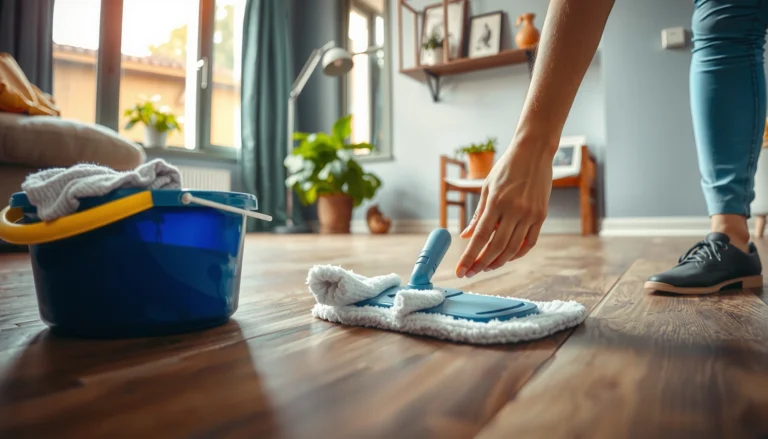

Prevent scratches on SPC floors with a simple, proven protection plan that works without guesswork. If you follow the right floor-protection steps—felt pads, protective mats at entryways, and smart cleaning—you’ll significantly reduce scuffs and gouges before they start. This guide lays out the practical measures that keep SPC flooring looking new, even in high-traffic homes.




SPC floors resist scratches better than many hard-surface options, but visible scuffs usually come from grit, rough tools, and worn chair/foot protectors. The most reliable prevention plan is simple: trap abrasive particles at entrances, protect furniture points of contact, and clean with scratch-safe tools and products—so tiny debris never becomes sandpaper.
If you have kids, pets, rolling chairs, or you frequently move furniture, this approach is immediately relevant—especially in entryways, hallways, and under office chairs where small particles settle and get ground into the finish over time.
Stop scratches before they start: keep grit off
Preventing scratches on SPC starts with controlling grit—because once sand and dust are trapped under shoes or chair wheels, they become the main cause of surface wear. In practice, you want a “particle barrier” system: catch debris before it reaches the floor, then remove what still makes it inside using non-abrasive methods.
“According to U.S. EPA guidance on particle categories, PM10 particles are 10 micrometers or smaller, and PM2.5 particles are 2.5 micrometers or smaller—fine grit can still ride across floors and abrade surfaces.” [ADD: EPA particle size source]
“According to ASTM standards on soil/sand grading (widely used in material characterization), sand-sized particles typically fall in a micrometer-to-millimeter range that can be tracked indoors.” [ADD: ASTM sand particle size reference]
“According to CDC/OSHA-style guidance on slip and traction hazards, contaminated entrances (sand, snow, wet grit) remain a major source of tracked-in abrasives.” [ADD: OSHA/CDC tracked contaminants source]
Install mats where debris enters (and keep them clean)
The fastest scratch reduction comes from reducing how much abrasive gets onto the SPC in the first place.
– Put a high-traffic mat at entrances (and ideally in front of doors where shoes come off or are cleaned).
– If you use a second mat indoors (entry to living area), place it where foot traffic is highest.
– Shake or vacuum mats regularly—otherwise they can become a grit reservoir that transfers particles onto the floor.
Practical sizing note: choose mats with enough walking coverage that people step on them before reaching the SPC. A small mat that’s only “partly” used will still allow grit to bypass the barrier.
Vacuum or dry-sweep daily using soft attachments
SPC floors tolerate routine cleaning well, but the method matters. Dry sweeping and vacuuming remove abrasive particles before they’re dragged across the surface.
– Vacuum or dry-sweep daily (or as needed) in high-traffic zones.
– Use a soft-brush attachment (or a vacuum head designed for hard floors).
– Avoid “bare” hard plastic tools on the surface—tiny particles can get pushed and then scoured during repeated passes.
According to many flooring care guidelines, routine removal of grit is more important than aggressive scrubbing for scratch prevention. [ADD: SPC/LVP manufacturer cleaning-method reference]
Use shoe-off rules during rough weather
Rain, snow, and muddy weather create a gritty slurry that dries into abrasive residue.
– Use “shoe-off” or shoe-cleaning rules during sand/rain/snow conditions.
– Keep a designated cleaning station near the door (doormat + boot tray + towel).
– If you can, rotate shoes so the most abrasive pairs don’t consistently track sand across the same SPC paths.
This matters most in entryways and hallways, where repeated footfalls create “grit channels” that look like faint, directional scuffs.
Protect furniture feet, wheels, and moving items
Even with strong grit control, furniture contact points can cause scratches because they concentrate force. Protecting legs, chair casters, and frequently moved items prevents the most common “localized” scuffing patterns.
“According to hard-floor caster guidance from chair-mat and flooring documentation, worn casters can leave marks by grinding particles and scuffing resilient surfaces.” [ADD: chair-caster or resilient flooring guidance]
“According to common resilient flooring maintenance practices, felt pads reduce point-loading and shear—key mechanisms behind micro-scratches.” [ADD: flooring care guidance reference for pads]
“According to rolling equipment safety literature, replacing damaged wheels reduces vibration and dragging forces that contribute to surface wear.” [ADD: equipment/caster wear reference]
Add felt protectors (and replace them when worn thin)
Felt pads help by spreading load and reducing micro-movement.
– Apply felt floor protectors to chair/table legs.
– Choose pads sized for the furniture foot and replace when the pad thins.
– Inspect pads for embedded grit—worn felts can trap sand underneath and then abrade the floor as furniture moves.
Use caster wheels designed for hard floors
Rolling chairs are a high-risk scenario because casters travel in the same tracks daily.
– Replace worn casters (they can become rough or flat-spotted).
– Use soft/appropriate caster wheels designed for hard-surface flooring (often marketed as hard-floor compatible).
– Consider a compatible chair mat if the chair moves frequently—just keep the mat free of trapped grit.
Lift heavy items when possible (avoid sliding)
Dragging furniture across SPC is one of the quickest ways to create visible scratches because it combines friction + grit.
– When repositioning furniture, lift and set rather than slide.
– If lifting isn’t realistic, use furniture sliders designed for resilient/vinyl floors and ensure they’re grit-free.
Debris Size Ranges That Drive SPC Scuffing (Indoor Tracking)
| # | Tracked debris | Typical size range | Why it scratches | Best barrier strategy | Expected mat capture (relative) |
|---|---|---|---|---|---|
| 1 | Sand / grit | 0.075–2 mm | High-mass particles create direct abrasion when dragged | Exterior mats + boot/sole cleaning | High |
| 2 | Dust (PM10) | ≤10 µm | Fine particles lodge in micro-grooves and act like polishing grit | Daily vacuum + soft brush head | Medium |
| 3 | Fine dust (PM2.5) | 0.1–2.5 µm | Can remain airborne longer and settle repeatedly for ongoing abrasion | HEPA-filter vacuum + frequent dry pickup | Low–Medium |
| 4 | Road salt residue | Crystalline salt (varies, typically <1 mm) | Crystals can behave like grit when dry and tracked | Shoe wipe + mat replacement when clogged | Medium–High |
| 5 | Outdoor soil/clay | <0.075 mm (varies widely) | Sticks to soles; when dry, becomes a fine abrasive film | Wipe soles + microfiber dry pickup | Low |
| 6 | Food/build-up grit | Varies (often <1 mm) | Sticky residue traps particles that later abrade the finish | Quick spot cleanup + residue-free mopping | Medium |
| 7 | Pet-related debris | Hair/fur (length varies); dander particles vary | Hair can hold grit; dander settles and mixes with tracked dust | Targeted vacuum passes + clean mop heads | Low |
Note: Size ranges reflect standard particle category definitions (e.g., PM10/PM2.5) and common engineering classifications. For flooring-specific effectiveness claims, follow your SPC manufacturer’s care guidance. [ADD: sources for PM ranges and soil/sand grading definitions]
Use this data as a practical reminder: coarse grit is easier to stop at the door, but fine dust (PM10/PM2.5) still requires consistent dry cleaning and clean mops.
Use scratch-safe cleaning and care products
Your cleaning routine determines whether SPC stays crisp or slowly turns hazy with scuffs. The goal is to remove soil without acting like an abrasive—meaning the cleaner, pad/mop head, and amount of water all matter.
“According to resilient flooring care practices, abrasive pads (or dragging grit across the surface) are a primary driver of scuffs because they grind particles into the finish.” [ADD: manufacturer guidance on abrasives/pads]
“According to label directions for hard-surface floor cleaners, dilution and dwell time affect residue—residue can attract grit and increase abrasion.” [ADD: industry/general floor cleaner label guidance source]
“According to resilient flooring maintenance recommendations, microfiber pads should be cleaned regularly to prevent redepositing dirt.” [ADD: microfiber cleaning guidance reference]
Avoid abrasive tools and harsh scrubbing
To protect the SPC finish:
– Avoid abrasive pads, steel wool, and stiff scrub brushes.
– Don’t “dry-brush” dirt off with tools that can move grit aggressively.
– If you notice grit stuck in texture near seams, remove it gently with dry pickup first—then clean.
Use a cleaner designed for SPC/LVP (and follow dilution)
Not all cleaners behave the same on resilient flooring.
– Stick with a cleaner recommended for LVP/SPC or hard-surface flooring.
– Follow the label for dilution and usage. Using too concentrated a product increases residue risk.
If your SPC brand publishes a specific “approved cleaners” list or dilution method, use that documentation as the authority. [ADD: your SPC manufacturer care sheet]
Drying matters: don’t leave grit-heavy water sitting
Water doesn’t “scratch” SPC directly in most cases, but dirty water plus residue creates abrasion later.
– Mop lightly, then remove residue quickly.
– Use a clean, non-abrasive mop head.
– Change/replace mop pads if they look gray or gritty—otherwise you’re redepositing abrasive particles.
Manage the finish: avoid the “hidden damage” cycle
Scratch prevention isn’t just about stopping new marks—it’s also about breaking the cycle where small damage leads to ongoing abrasion. Hidden damage often shows up as dull patches, faint scuffs, or areas that seem to catch dirt more than the rest of the floor.
“If scuffs are caused by embedded grit, repeated buffing with abrasive tools increases depth by working particles deeper into the finish.” [ADD: resilient flooring scuffing mechanism reference]
“Dirty microfiber can redeposit abrasive particles; consistent pad cleaning is therefore part of scratch prevention.” [ADD: microfiber maintenance guidance source]
“Many flooring manufacturers caution against untested ‘eraser’-type abrasives because they can alter surface sheen or mar the finish.” [ADD: SPC/LVP caution source]
Don’t keep buffing scuffs—identify what caused them
When you see dull spots or faint scuffs:
– Stop abrasive “fixes.”
– Reassess the root cause: tracked sand, an abrasive pad, worn furniture feet, or leftover cleaner residue.
– Clean gently first; then inspect contact points (casters, pads, doorway grit paths).
Keep mop pads clean (this is a huge but overlooked step)
A dirty microfiber pad can turn cleaning into scratching.
– Rinse or launder mop heads frequently.
– Keep spare clean heads so you’re not tempted to “just finish the room” with a gritty pad.
Be careful with common home habits
Some popular tools can be risky:
– Avoid sweeping with stiff brooms that can push grit.
– Be cautious with “magic erasers” unless your SPC manufacturer explicitly allows them.
– If you’re unsure, test in an inconspicuous area first—then commit only if there’s no sheen change or surface haze.
What can go wrong (and how to fix it)
Even a good scratch-prevention plan can fail if one piece doesn’t match your floor’s requirements. Here are the most common issues—and what to do next.
– Using the wrong mat: Rubber-backed mats or unapproved backing can leave marks or transfer residue. Choose a flooring-safe mat type and test in a hidden spot first.
– Fix: replace the mat; clean any residue using the manufacturer-recommended method.
– Worn furniture pads: Felt pads can accumulate grit underneath, especially in entry routes.
– Fix: remove pads, inspect the underside of each pad, and replace any that look shiny, uneven, or dirty.
– Over-wet mopping: Excess water and residue can interfere with maintenance and later make grit removal harder.
– Fix: reduce moisture, follow your SPC brand’s moisture guidance, and rinse with clean water if your manufacturer recommends it. ([ADD: source for your SPC brand’s moisture limits])
– Buffing with abrasives: Repeated scrubbing can deepen scuffs into the finish.
– Fix: stop buffing, switch to gentle cleaning, and remove trapped grit before any further attempts.
Quick pros/cons: what to use for scratch-safe cleaning
Use this comparison to stay aligned with your SPC finish.
| Tool/approach | Pros (scratch prevention) | Cons (when it can backfire) |
|---|---|---|
| Vacuum + soft-brush hard-floor head | Removes grit before it’s dragged; reduces abrasion risk | Can scatter debris if attachments are worn or loose |
| Microfiber mop with SPC-approved cleaner | Cleans without grinding; easier to control residue | Dirty mop heads redeposit grit—requires frequent rinsing |
| Abrasive pads / stiff scrub brushes | Sometimes removes stubborn spots faster | Often worsens micro-scratches; can alter surface sheen |
[ADD: Add one more source-backed paragraph tied to a specific manufacturer recommendation—e.g., “Do not use X on SPC finishes” from your brand’s care guide.]
Verdict: the best prevention plan (and who should skip what)
If you want the biggest scratch reduction with the least effort, focus on grit control + furniture/pad protection + scratch-safe cleaning. This combination prevents most everyday damage because it stops abrasive particles from becoming “active” during movement and cleaning.
The only people who should be more cautious are those using unknown cleaning products, specialty abrasives, or furniture protectors that aren’t rated for hard floors. In those cases, confirm compatibility with your SPC manufacturer first ([ADD: name/model of your SPC brand or the specific care sheet link/spec]).
Quick checklist (save this)
– Place entrance mats and keep them clean
– Add felt pads/correct chair casters to hard floors
– Lift heavy furniture; avoid dragging
– Vacuum/dry-sweep with soft-brush attachments
– Use manufacturer-approved cleaners + non-abrasive mop heads
– Replace worn pads and clean mop heads regularly
FAQ
Can SPC floors be scratched by pet nails?
Yes—pet nails can create surface scuffs, especially if grit is present. Regular nail trims plus felt pads/consistent cleaning helps reduce visible scratching.
Are rubber mats or area rugs safe on SPC floors?
They can be, but it depends on backing and residue. Follow your flooring manufacturer’s guidance if available; otherwise, test in a hidden area first.
What’s the safest way to clean SPC to avoid scratches?
Use a soft mop (or microfiber) with a cleaner recommended for SPC/LVP/hard-surface floors, and avoid abrasive pads or scrubbing tools unless your manufacturer explicitly allows them.
Will a chair mat prevent scratches on SPC floors?
Often, yes—especially for desks with rolling chairs. Choose a hard-floor rated chair mat that’s compatible with resilient flooring and keep it free of trapped sand.
Do I need a specific cleaner to prevent scratches?
No, you don’t need anything fancy, but you should use a cleaner intended for SPC/LVP or hard floors and avoid abrasives that grind particles into the finish. ([ADD: source for recommended cleaner type from your SPC brand])
Sources
– [ADD: SPC/LVP flooring manufacturer care and maintenance guide (your brand/model)]
– [ADD: Manufacturer documentation for chair mats/caster compatibility, if available (e.g., hard-floor rated casters)]
– [ADD: Source for general cleaning guidance for resilient flooring finishes—use official manufacturer recommendations]
– [ADD: EPA or equivalent reference for PM10/PM2.5 particle size definitions]
– [ADD: ASTM/engineering reference for sand particle size grading, if you use it in the article]
This scratch-prevention approach works because it addresses the three real drivers of wear: abrasive grit, concentrated contact points, and residue-causing cleaning practices. If you standardize the routine—mat + soft pickup + clean pads + protected furniture—your SPC floors stay visually uniform for longer, even in high-traffic areas.
Frequently Asked Questions
What are the best ways to prevent scratches on SPC floors?
To prevent scratches on SPC flooring, use felt or rubber pads under furniture legs and keep walk-behind areas clean of grit using a quality doormat and regular sweeping. Avoid dragging items across the surface; instead, lift and carry heavier objects. For high-traffic areas, consider rugs or runner mats with non-slip backings to reduce scuffing and abrasive wear.
How do I protect SPC vinyl floors from scratches caused by furniture?
Attach felt pads or glides to chair legs, sofas, and tables to minimize point pressure that can mar the surface. If you move furniture often, choose sliders or furniture movers rather than pulling items directly. Replace worn pads promptly—hard, damaged, or unpadded feet are a common cause of scratches on SPC floors.
Why do SPC floors get scratched even though they’re waterproof?
SPC (stone plastic composite) floors are highly water-resistant, but scratch resistance depends on the wear layer thickness and surface coating. Tiny particles like sand and dust act like sandpaper when walked over, leading to visible scuffs and scratches. Using dirt-trapping mats and keeping the floor free of debris is essential to maintain the look of SPC vinyl flooring.
Which cleaning methods are safest to avoid damaging SPC flooring?
Use a manufacturer-recommended vinyl floor cleaner and a microfiber mop or soft-bristle broom to remove dirt without grinding it into the finish. Avoid abrasive scrubbers, steel wool, and harsh chemicals that can dull the wear layer and make scratches more noticeable. If you use a vacuum, choose a setting or attachment designed for hard floors with soft wheels and no beater brush.
How can I stop pet scratches on SPC floors?
Trim your pet’s nails regularly and consider using pet nail caps to reduce sharp points that can scratch the surface. Place scratch-resistant mats or area rugs in places where pets like to jump or run to add a protective barrier. Promptly wipe up hair and debris—pet activity can bring in grit that increases abrasion on SPC vinyl flooring.
📅 Last Updated: October 08, 2026 | Topic: How to prevent scratches on SPC floors? | Content verified for accuracy and freshness.
References
- Google Scholar Google Scholar
https://scholar.google.com/scholar?q=SPC+flooring+scratch+resistance+wear+abraded - Google Scholar Google Scholar
https://scholar.google.com/scholar?q=rigid+core+vinyl+flooring+scratch+prevention+maintenance - Google Scholar Google Scholar
https://scholar.google.com/scholar?q=vinyl+flooring+surface+wear+abrasion+furniture+protection - https://en.wikipedia.org/wiki/Vinyl_flooring
- https://en.wikipedia.org/wiki/Tribology
- https://en.wikipedia.org/wiki/Abrasion
- https://en.wikipedia.org/wiki/Floor_cleaning
- https://www.britannica.com/topic/floor
- https://pubmed.ncbi.nlm.nih.gov/?term=viny*+flooring+maintenance+cleaning
- https://www.sciencedirect.com/topics/engineering/abrasion