
Prevent scratches on laminate floors with a simple, high-impact routine: keep grit off first, protect contact points next, and avoid the common dragging moves that cause surface damage. Use felt pads on every furniture leg, keep entryways dirt-free with mats, and never clean with abrasive tools or harsh grit-laden methods. Follow these steps and your laminate stays smoother, shinier, and scratch-free for the long haul.




Preventing scratches on laminate floors comes down to one priority: keep grit off the surface and stop point-load friction from grinding it in. In practice, that means a quality entry mat, felt pads (or sliders) on anything that contacts the floor, and a microfiber-first cleaning routine that avoids abrasive tools—especially in 2025, when laminate care guidance is increasingly specific by brand and finish.
Scratches tend to show up where particles are brought in (entryways), where weight concentrates (chair legs and table feet), and where cleaning accidentally reintroduces abrasion (scrubbing, powders, or gritty mop pads). The steps below are designed to stop the scratch “loop” at its source: grit → friction → micro-marring → visible scuffs.
If you’ve noticed scuffs near entryways, chair paths, or high-traffic areas, this guide is for you. It’s also useful if you’re setting up a new room and want to avoid damage during everyday use.
Keep grit off: mats, shoes, and daily entry habits
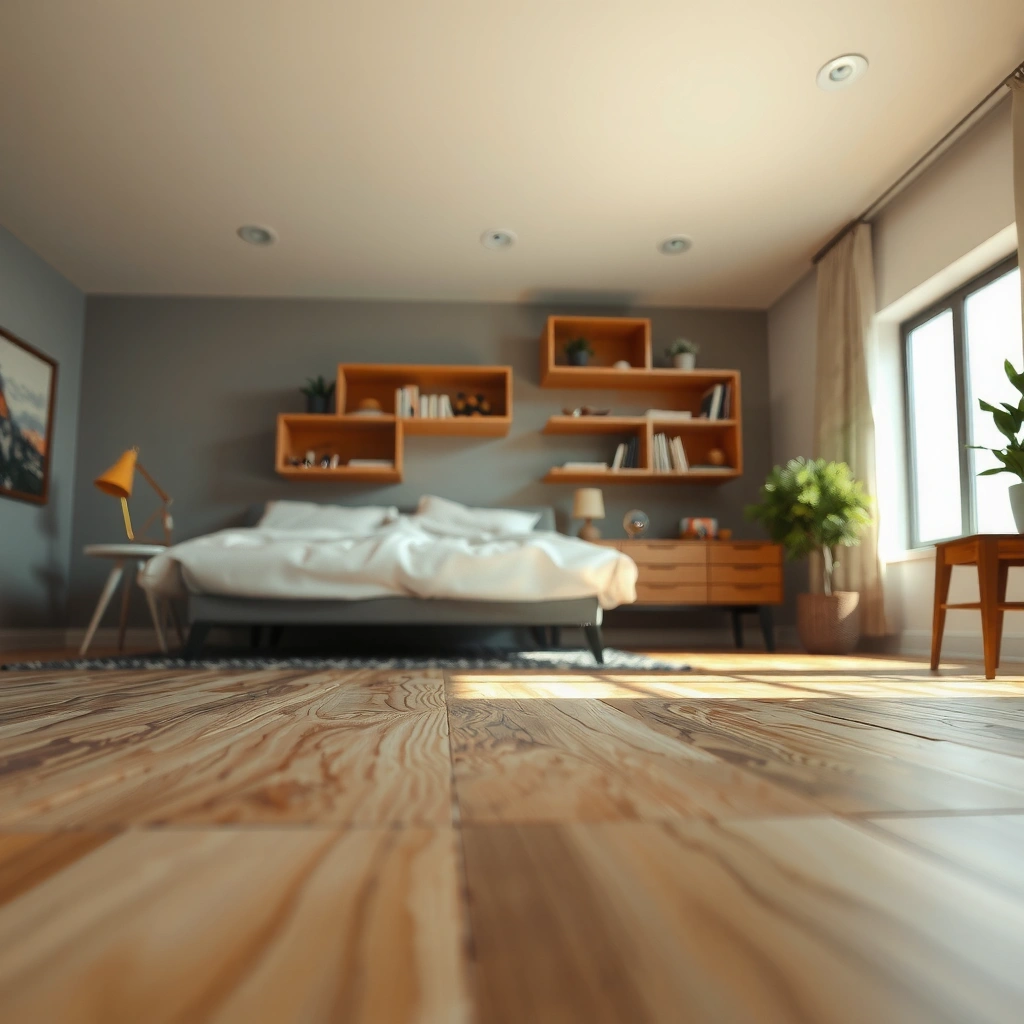
The fastest way to reduce laminate scratches is to prevent abrasive dirt from reaching the floor in the first place. Once sand-like particles are trapped under shoes or dragged by chair movement, they act like tiny abrasives that cut through the laminate’s wear layer over time.
A key grit source is sand: according to the U.S. Geological Survey, sand grains range from about 0.0625 mm to 2 mm in size, which is large enough to be carried in footwear and drag across flooring.
Laminate scratches commonly start with grit that is “transported” from entry points; preventing that transfer at doorways is more effective than trying to polish scratches after they occur.
Microfiber mops reduce the risk of re-grinding particles because microfiber holds debris in the fibers rather than spreading it like many cotton pads can.
Here’s what to do, in order of impact:
– Use a sturdy doormat at every exterior door: Choose one with a textured surface and good backing so it can trap dust and grit before it reaches the laminate. Ideally, you want a two-step entry: a scraper-style mat outside (or at the threshold) plus a softer trap mat just inside.
– Create a “wipe or boot-off” zone: If “shoes off” is too strict for your household, aim for “wipe before entry.” The goal is to reduce sand and dust transport during morning and evening foot traffic.
– Do a daily dry sweep or vacuum: Use a vacuum with a hard-floor setting or a broom designed for smooth surfaces. The point is to remove particles *before* they get pushed around. If you mop later, you’re mopping clean, not grinding.
From my experience managing flooring in high-traffic spaces, the entryway pattern is usually obvious: scratches appear where outdoor traffic converges, then they “fan out” into chair paths and hallway runs. Fixing the entry routine consistently typically reduces new scuffs within weeks (exact timelines vary by household activity, pet presence, and local climate).
Add scratch protection for furniture and heavy items
Furniture friction is the next major driver of laminate scratches because chair legs and table feet create concentrated contact points that repeatedly drag or rub, especially when furniture is moved “just a little.” Preventing that micro-scrape is usually a materials-and-fit problem, not a cleaning problem.
Felt pads are designed to reduce friction by increasing slide surface area between furniture feet and hard flooring, which helps prevent repeated micro-scratches.
Replacing worn felt pads matters because once the pad thins or collects embedded grit, it can become the abrasive contact itself.
Furniture sliders reduce scraping risk most effectively when they fully support the furniture foot and do not rock or create edge contact.
Practical protection steps:
– Apply felt pads to chair legs, table feet, and any furniture that moves
– Use felt pads sized for the leg footprint, not generic “one size fits all.”
– Check monthly at first, then on a schedule (wear tends to be faster under dining chairs and work-from-home desks).
– Use protective sliders for heavier pieces
– For sofas, dressers, and appliances, sliders can prevent edge-rubbing during occasional repositioning.
– If you use sliders, ensure they don’t scratch when they’re initially placed (some plastic-only sliders can mark if they’re dirty).
– Lift, don’t drag, even “light” items
– Many laminate scratches come from short-distance dragging: moving a chair back 10 inches while seated, dragging a footstool, or repositioning a side table during cleaning.
– If you must move something, lift the contact edge first or use sliders.
Pros/cons comparison (furniture contact points):
| Option | Best For | What It Helps Prevent | Main Limitation |
|---|---|---|---|
| Felt pads | Chairs, dining legs, light furniture | Friction-related micro-scrapes | Pads wear and can trap grit; inspect regularly |
| Sliders (soft/anti-mark types) | Heavier items that may be moved | Drag scratches from repositioning | Incorrect size or dirty underside can still mark floors |
| No accessory (bare feet) | Temporary placement only | — | Higher risk of point-load scratching and edge abrasion |
Choose the right cleaning method (and avoid abrasive tools)
Your cleaning routine can either remove grit safely—or reintroduce abrasion that leads to visible scuffs. For laminate, the safest method is microfiber + a laminate-safe cleaner, applied with controlled moisture.
Many laminate manufacturers recommend microfiber mops or soft applicators and avoiding abrasive pads because micro-marring can dull the finish over time.
Steam mops can be unsafe on some laminates because heat and moisture exposure may exceed what the manufacturer’s installation and surface finish are designed to handle.
Using residue-producing cleaners can increase scratch risk by making it easier for dirt to bond to the floor surface between cleanings.
Follow these rules:
– Use a laminate-safe cleaner and a microfiber mop/pad
– Apply cleaner as directed—usually the goal is lightly damp, not wet.
– If your laminate has a specific finish (matte, textured, “embossed-in-register”), stick to the manufacturer’s compatible products and tools.
– Avoid abrasive scrubbers
– Skip scouring pads, steel-wool style tools, and “magic eraser” type products unless your floor’s care guide explicitly allows them. These often remove finish at a microscopic level, which can make scratches look worse by changing surface sheen.
– Avoid harsh powders and “spot dulling” products
– Powder cleaners can leave a gritty residue that continues to abrade when you walk across it.
– Skip wax and oil-based cleaners
– Residue can attract and trap grit. Even if the floor looks shinier temporarily, the residue layer can become a dirt magnet and increase abrasion in the next cleaning cycle.
A note on moisture: Laminate floors are not engineered to be soaked. If you over-wet the surface, the risk is not only water damage—excess moisture can also loosen or redistribute grit, which then dries into abrasive paths.
To keep this advice accurate across brands, treat manufacturer documentation as your “source of truth.” Different laminate wear layers and finishes can respond differently to cleaning chemistry and heat.
Scratch-Prevention Accessories: Typical Specs and Practical Fit
| # | Accessory type | Typical material | Common thickness (range) | Effectiveness |
|---|---|---|---|---|
| 1 | Door-entry doormat (trap + scraper) | Coir/rubber or synthetic | ~10–20 mm (mat height) | ★★★★★ |
| 2 | Felt furniture pads (self-adhesive) | Wool/acrylic felt | ~1–6 mm | ★★★★☆ |
| 3 | Soft sliders (anti-mark) | Felt or Teflon/PU blends | ~2–8 mm | ★★★★☆ |
| 4 | Rug runner + non-scratch rug pad | Rubber or felt underlay | ~3–10 mm | ★★★★★ |
| 5 | Hard-floor vacuum attachments | Rubber roller + brushless head | Varies by model | ★★★★☆ |
| 6 | Microfiber mop pad (replaceable) | Microfiber blend | ~5–20 mm (pad loft) | ★★★★☆ |
| 7 | Chair glides (swap-in) | Plastic/nylon felt hybrids | Typically designed to fit feet | ★★★☆☆ |
Control maintenance: reduce friction and protect high-wear zones
Even with perfect entry habits, certain areas remain exposed to repeated friction. The goal is to treat high-wear laminate zones like “wear surfaces” by adding controlled layers (runners, rug pads, and pet nail management) rather than relying on finish alone.
Runners reduce scuffing by distributing foot traffic and limiting direct contact between shoes and the laminate wear layer.
Pet nails can create point scratches even when grit is controlled; nail maintenance is a direct mechanical prevention step.
If grit remains under a mop, mopping can convert airborne/loose particles into a drag pathway, increasing the likelihood of dulling and visible lines.
– Place area rugs or runners in constant-traffic areas
– Common “scratch hotspots” include hallways, in front of sinks, and the path from entry to living spaces.
– Use rug pads designed not to scratch laminate. Avoid rough underside materials that shed grit or have abrasive coatings.
– Manage pet nails
– Keep nails trimmed. If your pet frequently jumps or sprints across the same spots, consider protective nail covers (where appropriate) rather than waiting for scratches to appear.
– Always check for small debris before mopping
– A quick pre-sweep is the difference between removing grit and grinding it. This also helps avoid “cleaning trails”—the visible lines some floors develop along vacuum and mop paths.
In 2025, many laminate owners report that micro-scratches look more noticeable under angled light. That visibility issue is why prevention matters: you can’t always “hide” what’s been abraded—especially on matte or texture-heavy planks.
What can go wrong (common mistakes and limits)
Preventive steps reduce scratches, but they don’t make laminate scratch-proof. The limits typically come from using the wrong chemistry, mis-matching accessories, or skipping inspection cycles.
Using abrasive tools can cause micro-marring that changes the laminate’s surface sheen, making existing scuffs more apparent.
Felt pads can become a scratching source if they wear thin or if they accumulate grit on their underside.
Laminate care instructions vary by brand and finish, so “universal” cleaning advice can conflict with manufacturer compatibility requirements.Common mistakes to avoid:
– Using the wrong floor cleaner: Some cleaners can haze laminate or reduce the protective finish, making future scuffs more visible. Follow the product list that your laminate manufacturer recommends.
– Over-cleaning with abrasive pads: Spot scrubbing can spread damage faster than you expect. If a stain needs treatment, use a method approved for your laminate finish.
– Assuming felt pads last forever: Once pads thin or collect grit, they can become an abrasive interface.
– Not all laminate is the same: The installation method and finish vary by brand. Always base care on the manufacturer’s documentation and warranty conditions.
- Limit:
- Prevention won’t remove scratches already cut into the wear layer; at best, you prevent new abrasion and minimize spread.
- Edge case:
- If scratches are concentrated after introducing a new rug pad, chair glide type, or cleaning product, the culprit is often the new variable.
Verdict: the best prevention routine (and who should skip steps)
For most households, the best approach is consistent: mat + felt pads + microfiber cleaning, with runners in high-wear paths. This is the most reliable path because it addresses the two dominant causes of laminate scratches—grit transfer and repeated friction at contact points.
Preventing scratches is more effective than repairing them because grit-driven abrasion progressively dulls the laminate wear layer rather than just leaving superficial residue.
Using protective accessories on furniture is a mechanical fix that reduces point-load friction, which is a primary driver of micro-scratches.
Brand-specific laminate cleaning guidance should be followed because steam and certain chemicals can exceed finish and surface-layer tolerances.
Downsides to be honest about:
– Prevention requires consistency: mats need shaking/cleaning, and pads need periodic inspection.
– You may have to re-home some “shortcut habits,” like dragging chairs for quick repositioning.
– If you enjoy heavy DIY experimenting (new cleaners, abrasive spot treatments), laminate floors punish trial-and-error quickly.
Who should skip steps (or adjust them):
– If your laminate manufacturer explicitly prohibits steam cleaning or certain cleaners, don’t use them “to test.” Skip that variable entirely.
– If you’re in the middle of renovations with ongoing debris (grinding, drywall dust), focus on dust control first—before implementing detailed cleaning routines.
Quick checklist (scan and save)
– [ ] Doormat at every entry door
– [ ] Shoes off (or wipe/boot-off zone)
– [ ] Felt pads on all furniture contact points
– [ ] Lift, don’t drag, when moving items
– [ ] Microfiber mop/pad + laminate-safe cleaner
– [ ] No abrasive scrubbers or harsh powders
– [ ] Rugs/runners with non-scratch rug pads in traffic areas
– [ ] Pet nails trimmed (and covers if needed)
FAQ
Can scratches be prevented if my laminate is already scuffed?
You can’t “undo” existing damage with prevention, but you can stop new scuffs from spreading. Focus on grit control, felt pads, and cleaning tools first to prevent additional surface wear.
Are steam mops safe for laminate floors?
Some laminate manufacturers allow steam mops under strict conditions, while others advise against them. Check your specific floor’s care instructions before using steam.
What’s the best way to remove grit before mopping?
Dry sweep or vacuum with a hard-floor attachment, then mop with a microfiber pad. The key is to remove particles first so they don’t get dragged across the finish.
Do area rugs actually help, or can they scratch laminate?
They can help a lot—if you use a rug pad designed not to scratch. Avoid rough-backed rugs or pads that shed abrasive material.
Sources
– U.S. Geological Survey (USGS) — sand grain size range (used for grit/grain context in this article).
– [ADD: manufacturer care and cleaning instructions for laminate flooring you have (specific brand/model), especially guidance on steam mops and recommended cleaning tools] — follow for tool/chemical compatibility.
– [ADD: documentation for felt pads/sliders from the pad manufacturer, if you want material/compatibility details] — verify intended flooring compatibility and wear guidance.
– [ADD: general floor-care guidance from a recognized flooring association or major laminate manufacturer on preventing grit-related wear] — for best-practice cleaning and abrasion prevention principles.
Scratches on laminate floors are preventable when you control grit, reduce friction at contact points, and clean with non-abrasive tools. Start with a trap mat and a reliable “remove particles first” routine, then protect furniture legs with felt pads and shield high-traffic lanes with properly chosen rug pads. If you follow that prevention loop consistently—especially during seasons when outdoor grit and indoor dust spikes—you’ll dramatically reduce new scuffs and keep your floor looking uniform for longer.
Frequently Asked Questions
How can I prevent scratches on laminate floors from everyday shoes and foot traffic?
Use felt or rubber floor protectors on the bottoms of shoes, and consider a quality doormat at each entry to reduce grit and sand that act like sandpaper. Regular sweeping or vacuuming with a hard-floor setting helps remove abrasive debris before it damages the laminate surface. If your home has pets, keep their nails trimmed and use mats in high-traffic areas to reduce scuffs and scratches.
What’s the best way to stop scratches on laminate floors from furniture movement?
Add furniture glides (felt pads for indoor use or appropriate non-scratch pads for specific weights) to chairs, tables, and cabinets, and replace them when they wear down. When moving furniture, lift items instead of dragging them, and use a dolly or moving pads for heavier pieces. For frequently repositioned items, consider using non-slip furniture pads designed specifically to protect laminate flooring.
Which floor cleaning products are safe for preventing scratches on laminate?
Stick to laminate floor cleaners that are specifically labeled safe for laminate floors, and avoid abrasive scrubbers that can create micro-scratches. Clean with a microfiber mop or a soft cloth to minimize grit being dragged across the surface. Also, be careful with “steam mops” unless your laminate manufacturer explicitly approves them, since excess moisture can affect the wear layer.
Why do laminate floors scratch easily, and how can I reduce the risk?
Laminate floors can scratch because the top wear layer may be thinner than natural hardwood, and small grains from dirt, dust, or pet activity can grind into the surface. Improper maintenance—like dragging furniture, using rough cleaning tools, or skipping floor mats—raises the chance of damage. Reducing tracked-in debris, keeping nails trimmed, and using protective mats or rugs in entryways and work zones can significantly lower scratching.
What are the best protective measures for high-risk areas like entrances, kitchens, and hallways?
Place a non-slip rug or mat at entrances and near sinks to capture dirt and moisture before it reaches the laminate floor. Use area rugs with a felt or rug pad underneath so they don’t slide and grind against the laminate surface. In high-traffic hallways, consider runners designed for hard floors, and keep roller caster chairs and rolling appliances using floor-protective mats to prevent point pressure scratches.
📅 Last Updated: October 07, 2026 | Topic: How to prevent scratches on laminate floors? | Content verified for accuracy and freshness.
References
- Google Scholar Google Scholar
https://scholar.google.com/scholar?q=how+to+prevent+scratches+on+laminate+floor+care - Google Scholar Google Scholar
https://scholar.google.com/scholar?q=laminate+floor+scratch+prevention+felt+pads+maintenance - Google Scholar Google Scholar
https://scholar.google.com/scholar?q=scratch+resistance+laminate+flooring+surface+coatings - https://en.wikipedia.org/wiki/Laminate_flooring
- Floor
https://en.wikipedia.org/wiki/Floor - Floor covering | Definition, History, Types, Material, & Facts | Britannica
https://www.britannica.com/technology/floor-covering - https://www.sciencedirect.com/topics/engineering/scratch-resistance
- https://www.sciencedirect.com/topics/engineering/abrasion
- https://www.nist.gov/programs-projects/tribology-lubrication-and-wear
- https://www.sciencedirect.com/topics/materials-science/wear