Tag vinyl flooring

How to Make Vinyl Plank Floors Shine

make vinyl floors shine

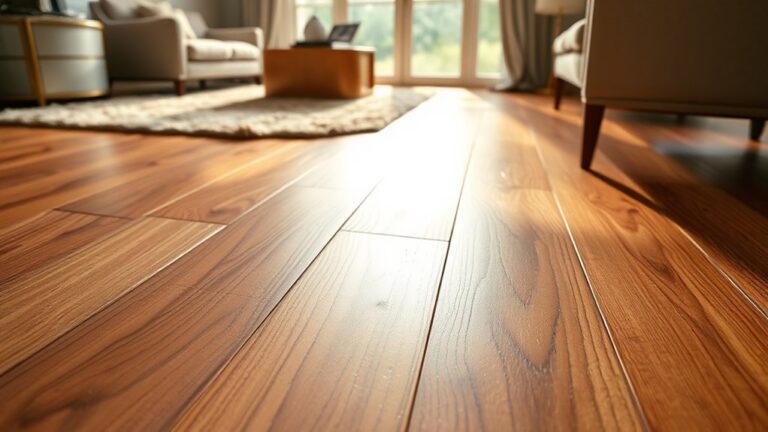
To make your vinyl plank floors shine, start by sweeping or vacuuming to remove dirt. Use a damp microfiber mop with a pH-neutral cleaner, avoiding excess water to prevent damage. After cleaning, apply a thin, even layer of vinyl floor…

How to Lay Vinyl Flooring

install vinyl flooring properly

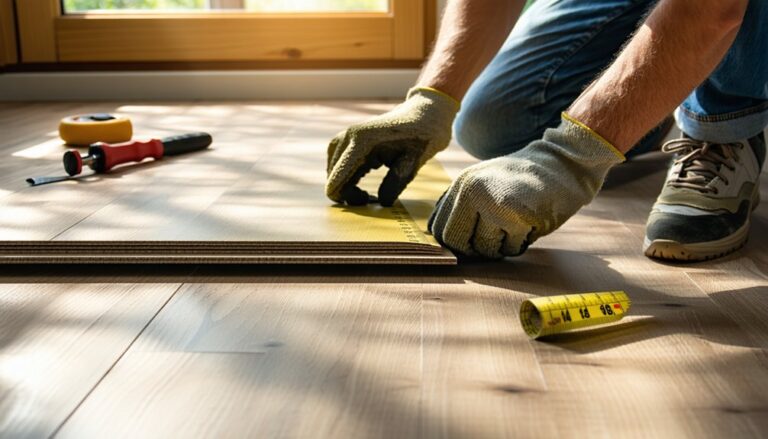
To lay vinyl flooring, start by choosing the right type of vinyl—options include planks, tiles, or sheets. Prepare your space by ensuring the subfloor is clean, dry, and free of imperfections. Gather essential tools like a utility knife, measuring tape,…

How to Choose Rug Backing Safe for Vinyl Plank Flooring

safe rug backing options

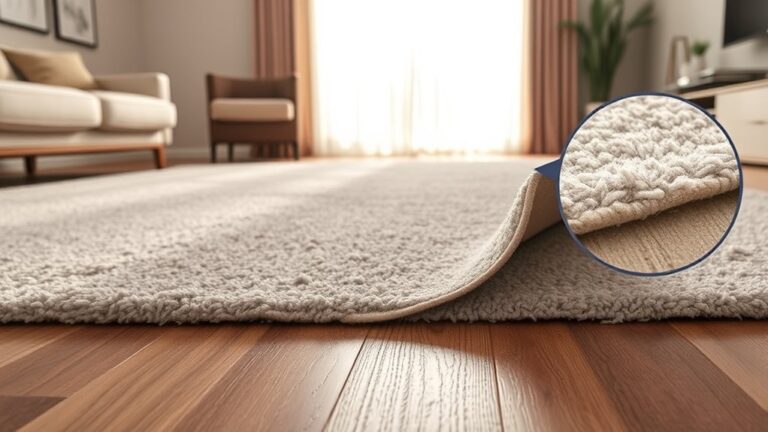
When choosing rug backing for vinyl plank flooring, go for non-staining, pH-neutral, breathable materials like natural fibers or felt pads to prevent moisture buildup and chemical damage. Avoid latex or rubber backings, as they can cause discoloration, adhesive breakdown, and…

Does Vinyl Flooring Absorb Sound

vinyl flooring sound absorption

Yes, vinyl flooring does absorb sound, making it a fantastic choice for a quieter home. Its softer surface dampens footfalls and reduces echoes, creating a more tranquil environment. Compared to options like hardwood or tile, vinyl shines in both style…

How to Lay Down Vinyl Flooring

install vinyl flooring properly

To lay down vinyl flooring, start by ensuring your subfloor is clean, level, and dry, adding a moisture barrier if it’s concrete. Measure your space carefully, cutting vinyl sheets with a utility knife and straightedge for exact fit. Apply an…

Does Vinyl Floor Need to Acclimate

vinyl floor acclimation necessary

Yes, vinyl flooring needs to acclimate to guarantee peak performance. Bringing the planks or tiles into the installation area for 48 to 72 hours allows them to adjust to room temperature and humidity levels between 30% and 50%. This process…