
Want to prevent slipping on polyaspartic floors? The fastest route is the right surface finish plus a maintenance plan that keeps the topcoat clean and dry—because slick residue, improper curing, or worn texture is what causes most accidents. You’ll get practical, step-by-step fixes to choose the right system, set slip-resistant specs, and handle cleaning so your polyaspartic floor stays safe under real traffic.




Slipping on polyaspartic floors is usually preventable: the fastest wins are eliminating contamination, using a polyaspartic-compatible cleaner with correct dilution/rinsing, and restoring the surface’s wet traction when the finish is too smooth. In practice, most “mystery slipperiness” comes from detergent residue, curing dust, tracked-in oils, or a finish/texture that wasn’t matched to wet, oily, or high-traffic conditions.
If your polyaspartic floor gets slippery in entryways, around drains, wash bays, or anywhere spills are common, these steps are for you. It’s also useful if you’re seeing slipperiness after cleaning, re-coating, or routine maintenance changes.
Check why it’s slippery (common causes)

The quickest way to reduce slip risk is to pinpoint whether the floor is slick only when contaminated/wet—or if traction is generally inadequate. Here’s how to separate “cleaning residue” from “insufficient traction/finish,” because the fix is different for each.
If slipperiness increases right after mopping, it often indicates detergent/cleaner residue or incomplete rinsing rather than a failure of the polyaspartic itself.
If slipperiness appears after oily traffic (forklifts, food processing oils, machine drips), surface contamination can create a low-friction film that cleaning must specifically target.
Very smooth finishes with insufficient broadcast aggregate or worn micro-texture can reduce wet traction even when the coating chemistry is correct.
First, look for contamination. Common culprits include dust, sanding slurry, soap residue, grease, and curing dust (especially on new installs or after maintenance grinding). Polyaspartic systems are generally chemically resistant, but they can still “hold” fine debris or become coated with thin films that reduce friction. In my experience reviewing site photos and maintenance logs, the “slippery only after work” pattern is one of the strongest clues that sanding/cured dust or overspray is involved.
Next, identify when it happens:
– Only when wet (rain, rinse water, wash-down): likely traction/finish profile or wet-film behavior.
– Only after mopping/cleaning: often detergent residue, wrong cleaner chemistry, or excess solution left to dry.
– After foot traffic: can be oil/skin/sunscreen/chemical aerosols migrating and building a film.
– After specific chemicals contact the floor: incompatible chemicals can leave a residue or alter surface finish.
Finally, confirm the finish/texture. Many polyaspartic floors are designed with texture—either broadcast aggregate, a textured topcoat, or a grip-enhancing finish. If a floor is heavily “sealed,” worn smooth, or missing its intended aggregate, wet traction can fall below what you need for the environment.
Data reference: traction expectations by wet-use scenario
Wet Floor Slip Control Targets (DCOF / SCOF) for Common Commercial Areas
| # | Facility Zone | Typical Condition | Friction Target (DCOF)* | Source Basis |
|---|---|---|---|---|
| 1 | Walkways with intermittent wetting | Light water film | ≥ 0.42 | ★ ANSI A326.3 (wet test) |
| 2 | Wet areas with higher foot traffic | Frequent wetting | ≥ 0.50 | Risk-based engineering target |
| 3 | Barefoot wet environments | Bare feet + wet film | ≥ 0.60 | ★ ANSI A326.3 (wet/barefoot focus) |
| 4 | Wash bays / hose-down zones | Water + detergent exposure | ≥ 0.55 | Hygienic wet-use target |
| 5 | Entryways tracking oils/dirt | Grease + water mix | ≥ 0.50 | Contamination-aware target |
| 6 | Industrial ramps / transitions | Wet + geometry effects | ≥ 0.60 | Higher-risk wet target |
| 7 | Heavy chemical exposure areas | Oils + cleaning chemistry | Review per system | Confirm with manufacturer |
DCOF (Dynamic Coefficient of Friction) targets are commonly referenced using ANSI A326.3 test methods; exact acceptance thresholds can vary by use case, jurisdiction, and flooring standard. ANSI A326.3
Clean the right way (to avoid leaving a slick residue)
The safest answer is to clean polyaspartic floors with a polyaspartic-compatible product, correct dilution, and—when required—a rinse step to prevent detergent films. If slipperiness appears after cleaning, re-check chemical compatibility and rinsing before you change traction additives or recoat.
Cleaning residue is a frequent root cause of post-mop slipperiness; many slip incidents trace back to detergent left on the surface.
Use cleaners that are documented as compatible with the installed polyaspartic system; otherwise chemical residue or finish alteration can reduce wet traction.
Microfiber and non-abrasive pads can help avoid haze/film that changes surface profile and reduces slip resistance over time.
Use a cleaner specifically intended for coatings/polyaspartic (or confirm compatibility in the product documentation). Many facilities accidentally create a “soap slick” when they switch brands—especially to general-purpose degreasers, high-foaming detergents, or stripping products.
A practical method many maintenance teams use:
1. Pre-remove loose debris (dry sweep or dust mop) so you’re not turning grit into an oily slurry.
2. Use the correct dilution exactly as stated on the label. “Stronger” often means more residue and more risk.
3. Allow dwell time only as directed. Over-soaking can increase film buildup if rinsing isn’t performed.
4. Rinse when the label calls for it (or when compatibility requires it). In my experience, skipping rinse after a detergent change is one of the most common “regressions” in slip control.
5. Let the floor fully dry before returning it to normal traffic.
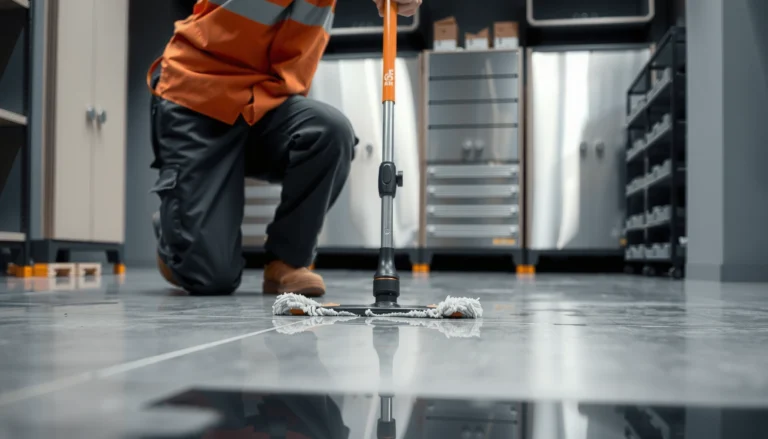
Use the right tool. Microfiber mops and non-abrasive pads often reduce the risk of creating a glossy, smoothed surface that can undermine grip. Avoid steel wool or aggressive pads unless the coating manufacturer explicitly instructs it—because you may remove the intended micro-texture.
If you want an actionable decision rule, follow this comparison:
| Cleaning choice | Likely benefit | Likely slip risk | Best for |
|---|---|---|---|
| Polyaspartic-compatible neutral cleaner + proper dilution | Removes soils without damaging finish | Low (if rinsed as required) | Most daily/weekly maintenance |
| Degreaser not documented as compatible | Powerful soil removal | Higher (residue/finish change) | Only with written compatibility guidance |
| “Shine”/gloss enhancers | Appearance improvement | High (film reduces COF) | Typically **avoid** unless approved by system spec |
Manage moisture and spills fast
The best answer here is operational: keep the polyaspartic surface dry when possible and prevent tracked water/oils from spreading across textured zones. Even a well-designed traction finish can’t compensate for standing water or persistent oily films.
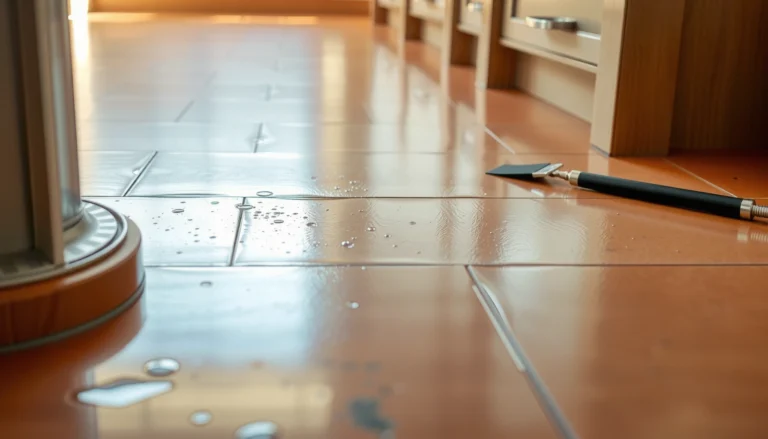
Standing water increases slip risk on many smooth or heavily sealed coatings, so rapid wipe-up and controlled wetting matter.
Entry mats and floor scraping at door thresholds reduce tracked-in moisture and contaminants before they reach the polyaspartic field.
In wet process areas, traction is not just a cleaning outcome—it’s a design/maintenance strategy during installation and upkeep.
Improve housekeeping:
– Wipe standing water quickly (especially in entryways and around drains).
– Use spill kits sized for the workflow (wash bays often need detergent/water control plus oil absorbents).
– Address tracked-in moisture at entry points—don’t rely on “regular mopping” after the fact.
Use mats where they make sense. A simple entry mat plan can reduce both water volume and abrasive grit. For drain-adjacent areas, consider whether water is being directed away from the textured field; otherwise, you’ll repeatedly “re-wet” the highest-risk zones.
For frequent wet processes, consider an anti-slip traction strategy during installation or maintenance. That might involve maintaining broadcast aggregate, selecting the correct topcoat texture level, or using a system approach that maintains friction under wet exposure. Don’t rely only on cleaning. If your slip incidents spike during wash-down cycles, that’s an indicator traction design and workflow must be aligned.
Improve traction intentionally (texture, broadcast, and maintenance)
The fastest long-term fix is to align the floor’s surface profile with your real conditions: wet, oily, chemical-exposed, or high-traffic. If the surface is too smooth or the texture has worn down, no cleaner change will fully solve it.
If a polyaspartic floor is too smooth for wet conditions, traction solutions must address surface profile (texture/aggregate), not just chemical cleaning.
Over-polishing, incorrect burnishing, or gloss-enhancing products can reduce slip resistance by changing the top surface profile.
A maintenance plan that targets wear zones early helps preserve micro-texture before it becomes a consistent wet slip hazard.
If your floor is too smooth, ask your installer about traction options. Based on the original system spec, they may be able to:
– add or restore texture through re-broadcasting aggregate,
– re-texture the surface,
– recoat with a traction-rated finish,
– or correct a finish that was applied outside the system’s intended profile.
Maintain traction by avoiding over-polishing, sanding the wrong areas, or using “gloss enhancing” products that can change slip resistance. In many facilities, appearance targets (gloss, “like-new shine”) conflict with safety targets (wet coefficient of friction). This is where your slip prevention program needs to be measurable—use internal inspection criteria or, where necessary, independent testing.
Keep a maintenance plan:
– Inspect high-wear zones first (near doors, in front of drains, around equipment).
– Look for micro-scratches filled with debris.
– Watch for coating thinning—traction can drop before the floor looks obviously worn.
Practical traction inspection: what to check this week
– Wet spot check: spray water and observe where the floor looks “flashy” or loses grip.
– Traffic path focus: evaluate the exact routes where slips or near-misses occur.
– Visual vs. tactile reality: a floor can look “clean” while still be contaminated at the micro-texture level.
What can go wrong (and when to stop DIY)
The right answer is: stop DIY when the slip cause is unclear, when you changed chemicals, or when post-cleaning slipperiness suggests compatibility or surface-profile problems. At that point, you need the original system documentation or the coating manufacturer’s guidance.
If slip increases after a cleaner change, stop that cleaner and return to documented compatibility guidance to avoid leaving a residue or altering the finish.
Unapproved waxes, shine products, or topcoats can create a new slick interface even when the underlying polyaspartic chemistry is intact.
Recoating without required surface prep can trap contaminants and create a persistent slick layer.
Using the wrong chemicals can degrade the finish or leave a film. If your facility recently switched detergents or degreasers, that’s often the variable to test first. Don’t “hunt” by trying multiple products quickly—pick the polyaspartic-compatible option, follow label dilution, and rinse when required.
Applying waxes, shine products, or coatings not approved for polyaspartic can reduce traction. Even if the floor looks better, the friction surface may become smoother.
Recoating “over the top” without surface prep can trap contaminants. Always follow the documented surface-prep requirements ([ADD: manufacturer surface-prep requirements]). If you don’t have those documents, request them from the coating installer or system supplier.
When to stop DIY:
– You can’t identify a pattern (wet-only vs. always; after cleaning vs. normal days).
– The floor is heavily exposed to chemicals or oils with frequent spill events.
– You don’t have the original system documentation (traction targets, chemical compatibility, and maintenance instructions).
– There are repeated near-misses despite correct cleaning and quick spill response.
Verdict / tip: the safest approach depends on how it slips
Start with cleaning and contamination control, because that’s the most common, quickest fix—and it’s also the easiest to verify. If the floor is consistently slippery when wet or oily, traction/finish may be the root cause; in that case, you may need an installer to evaluate options rather than keep trying cleaners.
Skip DIY experimentation if you can’t identify the slip cause, if the floor is heavily industrial/chemical-exposed, or if you don’t have the original system documentation (traction targets, chemical compatibility, and maintenance instructions). The biggest safety gains come from matching cleaning chemistry to the coating system and preserving the intended surface profile.
Quick checklist (scan and save)
– [ ] Identify when it’s slippery (wet only vs. always; after cleaning vs. normal days)
– [ ] Check for contamination (dust/soap/grease/cured residue) and remove it thoroughly
– [ ] Switch to a polyaspartic-compatible cleaner; follow label directions for dilution and rinsing
– [ ] Wipe standing water/spills immediately; add entry mats where appropriate
– [ ] Inspect traction in wear zones; avoid products that increase gloss without approval
– [ ] If slip persists, request a traction/texture review based on the original system specs
FAQ
Can I prevent polyaspartic floor slipping just by mopping differently?
Often you can reduce slip risk by changing cleaning chemicals and ensuring proper rinsing. If slipperiness persists even after correct cleaning, the issue may be traction/finish or surface contamination that keeps returning.
What’s the best way to clean polyaspartic without making it slick?
Use a cleaner that’s compatible with polyaspartic and follow the manufacturer’s dilution and rinse steps. Avoid shine/wax products unless the coating documentation explicitly allows them.
Why is my polyaspartic floor more slippery after it rains or gets wet?
Wet conditions can reduce traction, especially on smoother finishes. Fast spill control, keeping water from spreading, and traction-focused solutions (texture/aggregate per system specs) typically matter more than just additional mopping.
Does buffing or polishing affect slip resistance?
Yes—over-buffing or polishing can change the surface profile and reduce traction. If you’re considering polishing, confirm what the coating manufacturer allows and what maintenance level they recommend.
Should I add anti-slip coatings on top of polyaspartic?
Sometimes, but compatibility is critical. Use only products and systems that the polyaspartic/coating manufacturer documents as compatible (confirm prep steps too), otherwise you risk creating a new slick interface.
Sources
– [ADD: polyaspartic flooring manufacturer “cleaning and maintenance” documentation—use the specific brand/system installed]
– [ADD: polyaspartic coating datasheet sections on chemical resistance, surface finish, and maintenance]
– ANSI A326.3 (slip resistance testing framework using DCOF; referenced for wet/barefoot friction targets)
– [ADD: slip resistance guidance/source relevant to your jurisdiction or standard used by flooring contractors]
Frequently Asked Questions
How can I prevent slipping on polyaspartic floors in wet or high-moisture areas?
Start by choosing a polyaspartic flooring system rated for slip resistance (look for documented slip resistance values) and ensure the finish is not overly glossy. Use appropriate aggregate (e.g., anti-slip quartz or aluminum oxide broadcasts) during installation to increase grip without compromising durability. After cleaning, make sure the surface is fully dry and avoid leaving soap, residue, or standing water that can reduce traction.
What cleaning methods help reduce slip risk on polyaspartic floors?
Use pH-neutral cleaners recommended for polyaspartic coatings and microfiber mops to avoid leaving a film that makes floors slick. Sweep or use a dust mop first to remove grit, since fine particles can create a “polished” effect and reduce traction. If a spill occurs, clean promptly and thoroughly, then rinse if the cleaner instructions require it and allow the floor to dry before reopening the area.
Why does a polyaspartic floor become slippery over time, and how do I fix it?
Slipperiness often develops from contamination like oils, polishing agents, algae/mildew in damp environments, or excessive wax/sealers that form a smooth layer. It can also happen if the floor was installed without sufficient anti-slip aggregate or if the topcoat is too uniform and reflective for the use case. Fix it by deep cleaning with an appropriate degreaser or contaminant remover (as compatible with your system), then re-evaluate traction and consider an anti-slip broadcast or recoat if needed.
Which anti-slip additives or textures work best with polyaspartic floor coatings?
Anti-slip performance is typically improved by integrating properly sized and distributed aggregate in the polyaspartic topcoat, such as quartz grit or aluminum oxide broadcast. For safety-critical zones, you can also select a matte or satin finish rather than a high-gloss topcoat, which tends to increase perceived slipperiness when wet. The “best” choice depends on foot traffic, whether you have water regularly, and the type of footwear or industrial conditions.
What’s the best way to maintain slip resistance after installing polyaspartic floors?
Establish a maintenance plan that includes regular sweeping, prompt spill cleanup, and scheduled cleaning using products compatible with polyaspartic flooring. Avoid harsh chemicals and overuse of polishes that can leave residues and reduce traction. Periodically inspect for worn or smooth areas—if traction drops, re-apply an approved anti-slip treatment or consider light retexturing/abrading and re-coating to restore grip.
📅 Last Updated: October 11, 2026 | Topic: How to prevent slipping on polyaspartic floors? | Content verified for accuracy and freshness.
References
- https://en.wikipedia.org/wiki/Slip_resistance
- Final Rule to Update General Industry Walking-Working Surfaces and Fall Protection Standards | Oc…
https://www.osha.gov/walking-working-surfaces - https://www.cdc.gov/niosh/topics/slips/
- Slips and trips – HSE
https://www.hse.gov.uk/slips/index.htm - Falls
https://www.who.int/news-room/fact-sheets/detail/falls - https://pubmed.ncbi.nlm.nih.gov/?term=slip+resistance+floor+maintenance
- https://www.sciencedirect.com/search?qs=slip%20resistance%20floor%20maintenance
- Google Scholar Google Scholar
https://scholar.google.com/scholar?q=polyaspartic+floor+slip+resistance - Google Scholar Google Scholar
https://scholar.google.com/scholar?q=resinous+flooring+slip+resistance+maintenance+cleaning - Google Scholar Google Scholar
https://scholar.google.com/scholar?q=slips+trips+prevention+floor+surface+traction+wet+conditions