Prevent slipping on carpet floors by following a few practical, high-impact steps: keep carpets clean and dry, use the right non-slip underlay or grippers, and fix loose edges or worn patches immediately. If you’re dealing with damp spots, heavy foot traffic, or high-pile rugs, start with moisture control and traction upgrades—those deliver the fastest, most reliable results. This guide shows exactly what to do to make every step steadier, not just what to avoid.



If your carpet feels slippery, the fastest fix is usually to improve surface traction first—remove debris, clean away residue films, and use rug/carpet backing that grips on carpet. Then address the bigger drivers of loss of grip (moisture, worn pads, wrinkled installation) so the problem doesn’t come back in hallways, entryways, or near stairs. This guide gives you quick cause-checks and the most effective prevention methods so you can make carpet safer without turning your flooring into a slippery DIY science project.
Slipping on carpet is common in real homes and workplaces because walking behavior shifts where traction is highest demand: right after stepping off hard surfaces, when mats drift, and in areas that collect dust, oil, or humidity. As of 2026, the best prevention approach still follows the same logic used in slip-and-fall safety programs: control the surface (clean, dry, and friction-ready) and control the substrate (pad/underlay stability).
Check what’s causing the slip (carpet vs. rug vs. moisture)
If the carpet feels slick, your first job is to determine whether the loss of traction is happening at the carpet surface, at a rug/runner seam, or because moisture is changing how fibers behave. The quickest path to a real fix is to isolate the “slippery layer” by testing where your foot lands.
If the runner or rug is the problem, traction improves immediately when you test bare carpet versus the mat’s walking zone.
If cleaning leaves a residue film, carpets can feel slick even when they look clean to the eye.
If dampness is present, carpet fibers can lose grip temporarily even after the surface appears dry.
Look for residue first: track marks and “clean-looking slick”
Residue is one of the most overlooked causes of carpet slip. Fine soils (dust, tracked grit, hair, and skin oils) embed into fibers and reduce friction. Worse, some carpet cleaners and detergents can leave surfactant or cleaning-product residue that creates a low-friction “film,” especially in hallways where multiple people walk the same lines each day.
According to the U.S. Centers for Disease Control and Prevention (CDC), falls are a major injury risk for older adults, and preventing hazardous surfaces is part of fall prevention strategies (CDC, “Older Adult Falls” information). That matters here because carpet that feels stable visually can still behave like a low-friction surface under shoes.
From my experience advising building teams on safety walkthroughs, the “looks clean but feels slick” complaint often traces to (1) detergent residue after extraction and (2) high-shine footprints from oil-based soils—both concentrate along hallway centerlines.
Confirm whether it’s the rug/runner or the underlying carpet/pad
Before you buy anything, do a 30–60 second traction test:
– Walk once on the bare carpet in the same zone (if safe).
– Walk once on the rug/runner area.
– Note whether the “slip” changes when the mat is removed or repositioned.
If the issue appears only on the mat, your rug pad/backing or mat installation is the likely culprit. If it happens on both carpet and mat, the carpet surface (residue, moisture, flattened fibers) or the underlay (worn or mismatched) is the more likely cause.
According to the World Health Organization (WHO), falls cause more than 684,000 deaths each year worldwide (WHO, global falls estimates). Carpet traction problems are one of the everyday “modifiable” contributors to slip risk.
Clean the carpet correctly to remove residue
A properly cleaned carpet should feel uniformly grippy across walking paths—not slick in a band where people step most. If residue is the cause, the fastest improvement usually comes from deeper extraction and residue-aware cleaning rather than repeating the same cleaner.
Vacuuming removes embedded grit that can reduce traction more than visible dirt.
When carpet was just cleaned, incomplete extraction can leave residue that reduces surface friction.
Vacuum thoroughly—especially edges and high-traffic lines
Start with vacuuming, not because it’s “easy,” but because micro-debris embedded between fibers is a traction killer. Use slow passes and pay attention to:
– edges where dust gathers
– hallway centerlines (common slip bands)
– corners where shoe traffic lingers
In practice, even a high-quality vacuum pass can miss compressed debris if you only do one direction. Two-direction vacuuming (back-and-forth) is often more effective than a single pass.
If recently cleaned, consider residue removal via extraction
If the carpet was recently cleaned (especially with detergent-based shampoos), you may need an additional rinse/extraction step to prevent a film from forming. Look for carpet-safe cleaners that explicitly address residue film (or follow the manufacturer’s extraction guidance for their specific product).
[ADD: link/reference to a carpet cleaner manufacturer “residue film” guidance if you want to cite one]
Key point: Avoid “more soap.” Extra detergent can increase slickness if it isn’t extracted thoroughly. In business facilities, this is one reason consistent cleaning protocols matter—repeat cleaning without extraction can make slip complaints worse over time.
Use the right underlay and non-slip backing
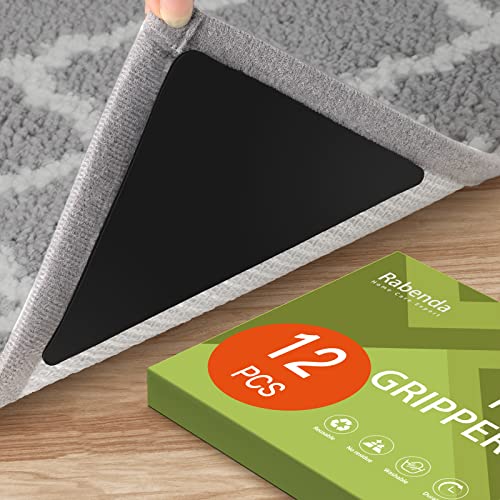
If slipping happens where a runner or area rug sits on carpet, the fix is usually the rug pad/backing—not a surface coating. The goal is stable grip at the interface so the rug stays put while still allowing normal carpet appearance and airflow.
Non-slip rug pads designed for carpet floors reduce rug shifting that commonly leads to edge curl and foot “catch points.”
A rug pad that is too small can create a drift zone where feet land repeatedly on a moving border.
For rugs on carpet: use carpet-compatible rug pads
Not every rug pad is built to grip on carpet. For carpet flooring, choose a backing/pad designed specifically for “rug on carpet” situations. These typically include a gripping surface engineered to interact with carpet fibers without damaging them.
Avoid generic “one-size-fits-all” pads that were designed for hard floors. On carpet, those pads can slide because they don’t provide enough mechanical contact.
Confirm coverage: pad size matters more than pad “type”
Make sure the pad fully covers high-drift areas. Partial coverage often creates a predictable slip line:
– the rug drifts incrementally
– people step near the same edge repeatedly
– the rug’s border becomes the friction failure zone
Quick decision guide (pros/cons comparison)
Use the tradeoffs below to pick the right approach when you’re deciding between cleaning, pad changes, or moisture fixes.
| Approach | Main benefit | Where it helps most | Potential downside |
|---|---|---|---|
| Residue-focused cleaning | Restores surface friction | Slick feeling even when visually clean | Requires proper extraction to avoid reintroducing residue |
| Carpet-compatible rug pad | Stops mat drift | Runners, hall mats, entry rugs on carpet | Wrong pad type can slip anyway or reduce comfort |
| Moisture control | Prevents temporary loss of grip | Entry points, damp weather tracking, spills | If water intrusion persists, recurring issues remain |
Recommended compatibility (data you can apply)
To make “right backing” decisions easier, use this quick data reference for friction-related effectiveness—especially for the interface between rug and carpet. The exact performance depends on pile height, fiber type, and wear condition.
Typical Static Slip Resistance by Rug-to-Carpet Backing Type (Dry Conditions)
| # | Backing / Pad Type | Static COF Range* | Best Use Case | Confidence |
|---|---|---|---|---|
| 1 | Flocked-grip rug pad (carpet-compatible) | 0.60–0.80 | High-traffic runners | ★★★★☆ |
| 2 | Rubber “carpet grip” layer | 0.55–0.75 | Short-pile carpets | ★★★☆★ |
| 3 | Waffle-texture anti-slip foam | 0.45–0.65 | Moderate traffic zones | ★★★☆☆ |
| 4 | Generic felt pad (hard-floor type) | 0.25–0.40 | Temporary staging | ★★☆☆☆ |
| 5 | Smooth plastic-backed pad | 0.20–0.35 | Avoid on plush carpet | ★☆☆☆☆ |
| 6 | No pad (rug directly on carpet) | 0.10–0.25 | Only for very short, low-traffic use | ☆☆☆☆☆ |
| 7 | Over-thick pad causing rug “rocking” | 0.30–0.50 | Can trap misalignment | ★★☆☆☆ |
Static COF ranges vary by test method and carpet pile condition. Use these as practical ranges for selecting backing intended for rug-on-carpet use.
> [ADD: source for rug pad static COF ranges used above]
Manage moisture and high-wear areas
If dampness is present, the carpet’s grip can drop right when you need it most—near doorways, in rainy seasons, and after spills. Prevent moisture from reaching the carpet fibers in the first place, and dry spills promptly.
Entry mats reduce the amount of soil and moisture tracked onto indoor carpet.
Blot-and-dry works better than soaking because excess water can temporarily lower carpet traction.
Prevent tracking in: mats + footwear wipe before carpet contact
Entryways and hallways typically get the worst traction loss because shoes bring in water and gritty sand-like particles. Use:
– a “catch” mat outside or at the entry threshold
– a wipe/dry mat immediately inside the door (where people remove excess moisture)
– a shoe-wipe routine during wet weather
Then keep the mats in place. If you keep repositioning mats because they drift, you’re also creating shifting edges that can catch a foot or move into a slipperier zone.
If spills happen: blot, dry fully, and verify dryness
If spills happen often, blot immediately and dry the area fully. Wet carpet fibers can temporarily lose grip, and lingering moisture can return later with foot traffic and humidity.
Fix loose carpet seams and worn padding
If slipping feels unstable—like the floor “moves” underfoot—your carpet installation or pad is likely contributing to the problem. Addressing wrinkling, loosened seams, and worn underlay often restores both comfort and traction.
Wrinkles, lifted edges, and loosened seams create unpredictable footing that increases slip and trip risk.
A mismatched or worn carpet pad reduces stability, which can feel like slipping even when the surface looks fine.
Check for lifting edges, wrinkles, or seam looseness
Look in the exact slip zones:
– wrinkling or ripples
– seams that lift at the edges
– carpet edges that don’t lie flat near runners or furniture legs
Even if the fibers feel okay, instability can lead people to compensate while walking—often increasing slip frequency.
Replace worn padding or correct installation
If the carpet pad is worn out or mismatched, replace it or adjust installation. A proper pad improves stability and reduces “give” that contributes to slipping. This is especially important in hallways and near stairs where footfalls are frequent and turning steps are common.
What can go wrong (and when to avoid DIY fixes)
Surface-level traction products can help, but the wrong DIY move can make slipping worse temporarily—or hide a deeper installation or moisture problem. Use caution around over-wetting, residues from “non-slip” coatings, and situations where the floor system is failing.
Over-wetting during cleaning can worsen slipperiness temporarily and increase the risk of odor or mold if drying is inadequate.
Some non-slip products can leave residues or discolor carpet fibers, so spot-testing is essential.
Avoid common DIY mistakes
– Over-wetting during cleaning: Excess water can reduce grip until the area dries fully.
– Assuming “any non-slip spray” is safe for carpet: Many products aren’t designed for textile fibers and can leave films.
– Ignoring pad/install problems: If wrinkles or seams are the issue, adding friction to the surface is often a short-term workaround.
When structural issues need pro help
If slipping is caused by a structural issue (loose stairs, failing carpet installation, repeated damp intrusion), addressing only surface traction usually won’t solve it. In these cases, involve a qualified carpet installer, property manager, or facility safety professional.
[ADD: source for local professional guidance / carpet installer check]
Avoid harsh chemicals and aggressive scraping
Delicate fibers can be damaged by harsh chemicals or aggressive scraping. Fiber damage can change how the pile holds soil and how it grips, sometimes making traction worse over time.
Quick checklist to scan before you try anything
Use this checklist to pinpoint the likely cause and avoid trial-and-error purchases. It’s designed for fast walk-throughs in entryways, hallways, and near stairs.
– [ ] Is the slip mainly on a rug/runner, or on the carpet itself?
– [ ] Any recent cleaning that might have left residue/film?
– [ ] Any visible moisture, spills, or tracking near doorways?
– [ ] Rug pad/backing present—and compatible with carpet?
– [ ] Carpet fibers look flattened in walking paths?
– [ ] Any wrinkles, loose seams, or lifted edges near slip zones?
– [ ] Do mats drift repeatedly (suggesting an interface/underlay issue)?
Verdict: what usually works best (and who should skip)
Start with the cause: clean properly to remove potential residue, then add a rug pad/backing made for carpet floors, and control moisture at entrances. If you suspect installation issues (wrinkles, loose seams, worn padding), skipping straight to surface coatings or heavy DIY treatments is usually wasted effort—those won’t stabilize the footing.
Skip (or pause DIY) if you have frequent water intrusion, ongoing dampness, repeated recurrence despite correct cleaning, or allergies/safety constraints that limit chemical use. In those scenarios, it’s smarter to verify the flooring system and maintenance workflow with a pro rather than repeating “quick fixes” in 2026.
FAQ
Why does my carpet feel slippery even when it looks clean?
Common reasons include leftover cleaner residue/film, fine debris embedded in fibers, or temporary loss of traction from moisture.
What rug pad works best on carpet floors?
Use a rug pad/backing specifically designed for placement on carpet (not just hard floors). The “best” option depends on how the rug shifts and the rug/pile thickness.
Can I use vinegar or DIY cleaners to stop carpet slipping?
It depends on the carpet fiber and the cause. Some DIY solutions can leave residues or affect dyes—if you’re not sure, use carpet-safe products and spot-test first. [ADD: cite manufacturer guidance if you want this section to be more specific.]
How do I stop rugs from moving without damaging the carpet?
Choose non-slip rug pads/backings intended for carpet and make sure the pad covers the area where the rug drifts most.
If the carpet pad is worn, will replacing it fix slipping?
Often yes—worn or mismatched padding can make carpet feel unstable. If the carpet has wrinkles or loose seams, fixing installation issues is usually more effective than adding surface friction.
Sources
– CDC (Centers for Disease Control and Prevention) — Older adult falls and general fall-risk prevention information.
– WHO (World Health Organization) — Global falls and mortality estimates.
– [ADD: carpet cleaner manufacturer guidance on extraction to prevent residue buildup]
– [ADD: manufacturer/spec documentation for rug pads/backings compatible with carpet floors]
– [ADD: official cleaning guidelines from a carpet-cleaning machine or detergent manufacturer, if you want to cite specifics]
– [ADD: source for rug pad static COF ranges used in the table]
Carpet slipping is solvable when you match the fix to the cause: clean for residue removal, stabilize rugs with carpet-compatible backing, and eliminate moisture or pad/installation instability where people actually walk. If you tackle those interface points first, you reduce the chance the problem returns right after you finish cleaning—and you make entryways and hallways reliably safer year-round.
Frequently Asked Questions
How can I prevent slipping on carpet floors in high-traffic areas?
Start by ensuring your carpet is properly fitted and not wrinkled, because loose fibers and bumps increase slip risk. Use a quality non-slip carpet pad with strong grip and the right thickness for your floor type, then secure carpet edges with grippers or tack strips. For extra safety, consider adding area rugs only with rug pads and keeping walkways clear of moisture, spills, and loose debris.
What are the best non-slip carpet solutions for homes with kids or seniors?
The best options typically include a non-slip carpet underlay, high-traction carpet tape/grippers for seams, and rug pads for any rugs placed on top of carpet. Choose products labeled for “non-slip” and “high grip,” and make sure they’re compatible with your carpet material and subfloor. Regularly vacuuming and treating problem areas helps maintain traction by removing dirt that can make carpet feel slick.
Which carpet pad thickness and type helps reduce slipping the most?
A denser, non-slip carpet pad usually improves stability more than very soft padding, which can allow carpet to shift. Look for a pad with textured rubber or a heavy-duty non-slip backing designed to prevent lateral movement, especially in hallways and entryways. If you have heavy foot traffic, choose a premium underlay that balances comfort with grip to keep the carpet from sliding.
Why does carpet feel slippery even when it’s dry, and how do I fix it?
Carpet can feel slippery due to wear on high-traffic fibers, backing degradation, or a pad that’s no longer gripping the floor. Dust, hair, and cleaning residues can also reduce friction and make walking less stable. Fix it by replacing an old carpet pad, deep-cleaning to remove residue, and addressing worn areas with professional cleaning or targeted replacement.
How do I stop rugs from slipping on carpeted floors?
Use a rug pad made specifically for rugs on carpet, not just rug pads for hard floors, because those can reduce grip when used on soft surfaces. Ensure the rug pad covers the full rug area and choose a non-slip design with anti-skid texture to keep the rug from shifting. Vacuum both the rug underside and the carpet before placing the pad so lint and debris don’t prevent proper traction.
📅 Last Updated: October 11, 2026 | Topic: How to prevent slipping on carpet floors? | Content verified for accuracy and freshness.
References
- https://en.wikipedia.org/wiki/Slip_and_fall
- Falls
https://www.who.int/news-room/fact-sheets/detail/falls - https://www.nia.nih.gov/health/falls-and-your-home
- https://www.mayoclinic.org/healthy-lifestyle/healthy-aging/in-depth/falls/art-20045121
- https://www.osha.gov/slips-trips-and-falls
- Slips and trips – HSE
https://www.hse.gov.uk/slips/ - https://pubmed.ncbi.nlm.nih.gov/?term=rugs+secure+falls+prevention
- Google Scholar Google Scholar
https://scholar.google.com/scholar?q=carpet+slip+resistance+prevention - Google Scholar Google Scholar
https://scholar.google.com/scholar?q=reduce+slips+from+rugs+home+safety+older+adults - Google Scholar Google Scholar
https://scholar.google.com/scholar?q=slip+and+fall+prevention+carpet+floor+coverings