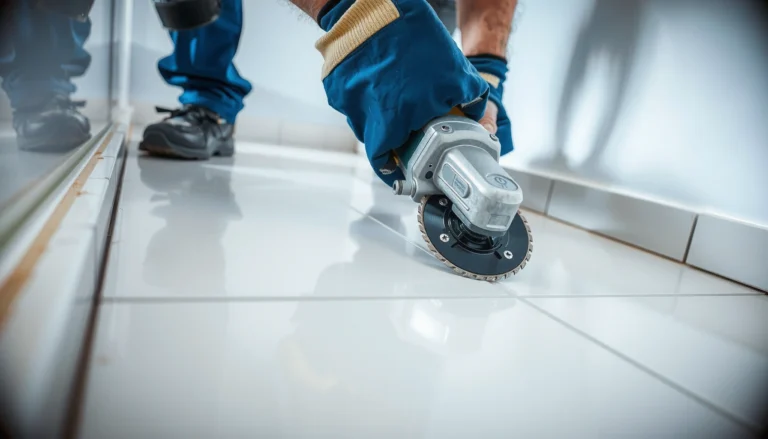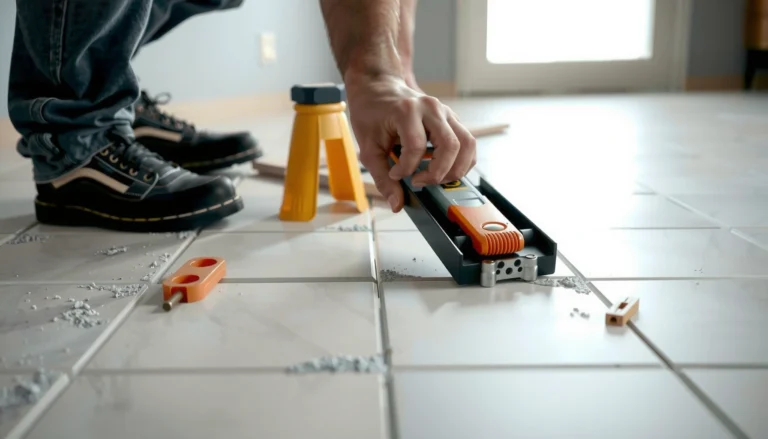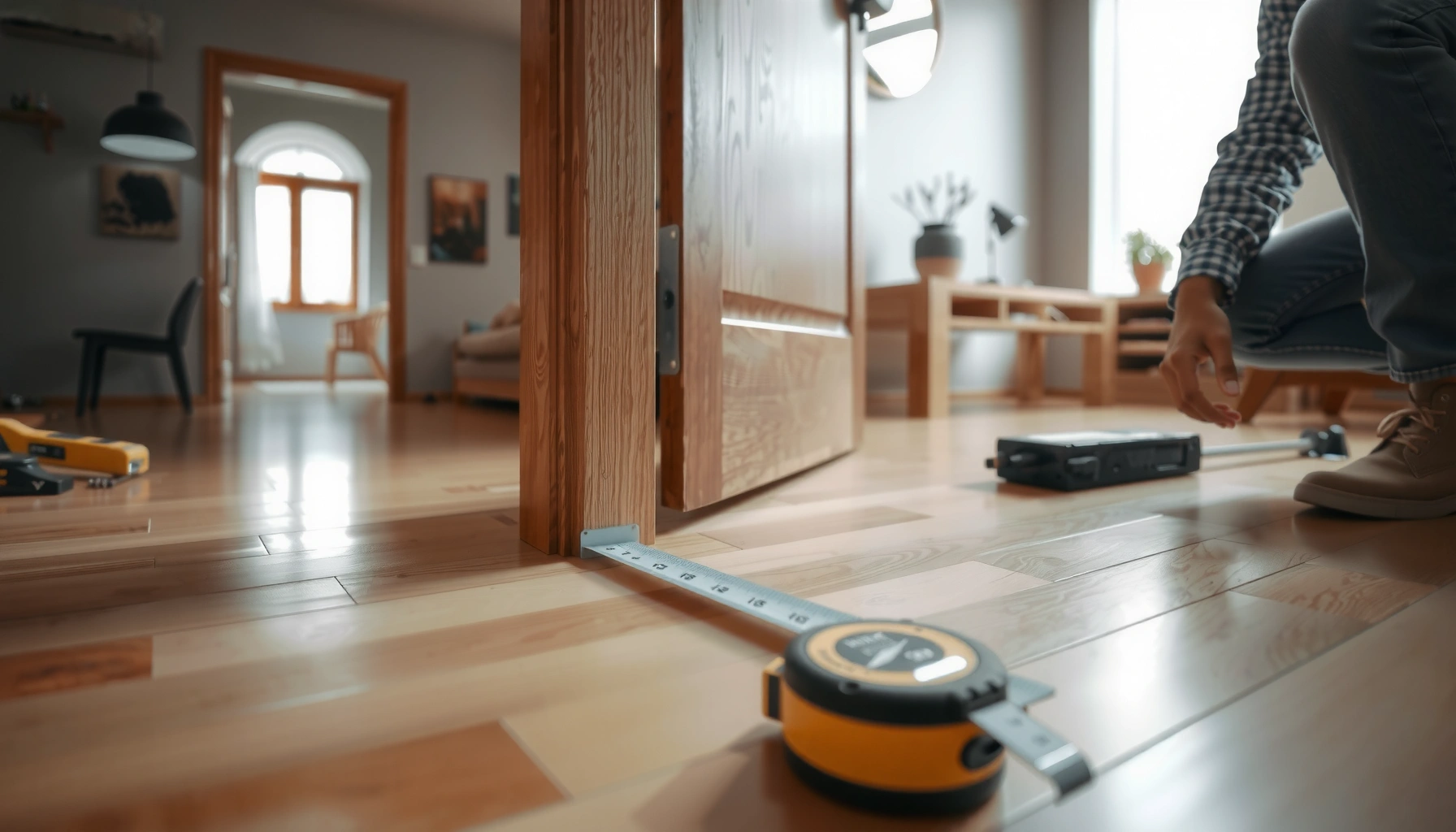

Want to know how to install thresholds for bamboo floors the right way? This step-by-step guide shows the fastest, most reliable method to measure, prep the doorway, and secure a threshold that won’t bind or separate as your bamboo expands and contracts. Follow it and you’ll get a clean transition at the exact height, with durable fastening and a properly sealed edge.




If your bamboo floor ends at a doorway or transitions to another surface, the right threshold helps movement, closes the gap, and finishes the edge cleanly. Install it by prepping a level subfloor, matching the threshold height to your finished floor surfaces, and fastening/adhesiving the threshold to the subfloor (not by locking the floating bamboo rigidly). This guide breaks down the materials, layout, and install steps so your transition sits straight and stays solid.
This guide is for homeowners, flooring installers, and DIYers installing bamboo floors in doorways, hall transitions, or rooms where you need a controlled change between different flooring types. It’s especially helpful if you’ve noticed uneven edges, small gaps at the doorway, or slight movement that needs an intentional transition instead of a rough cut line.
Gather Materials and Pick the Right Threshold Type
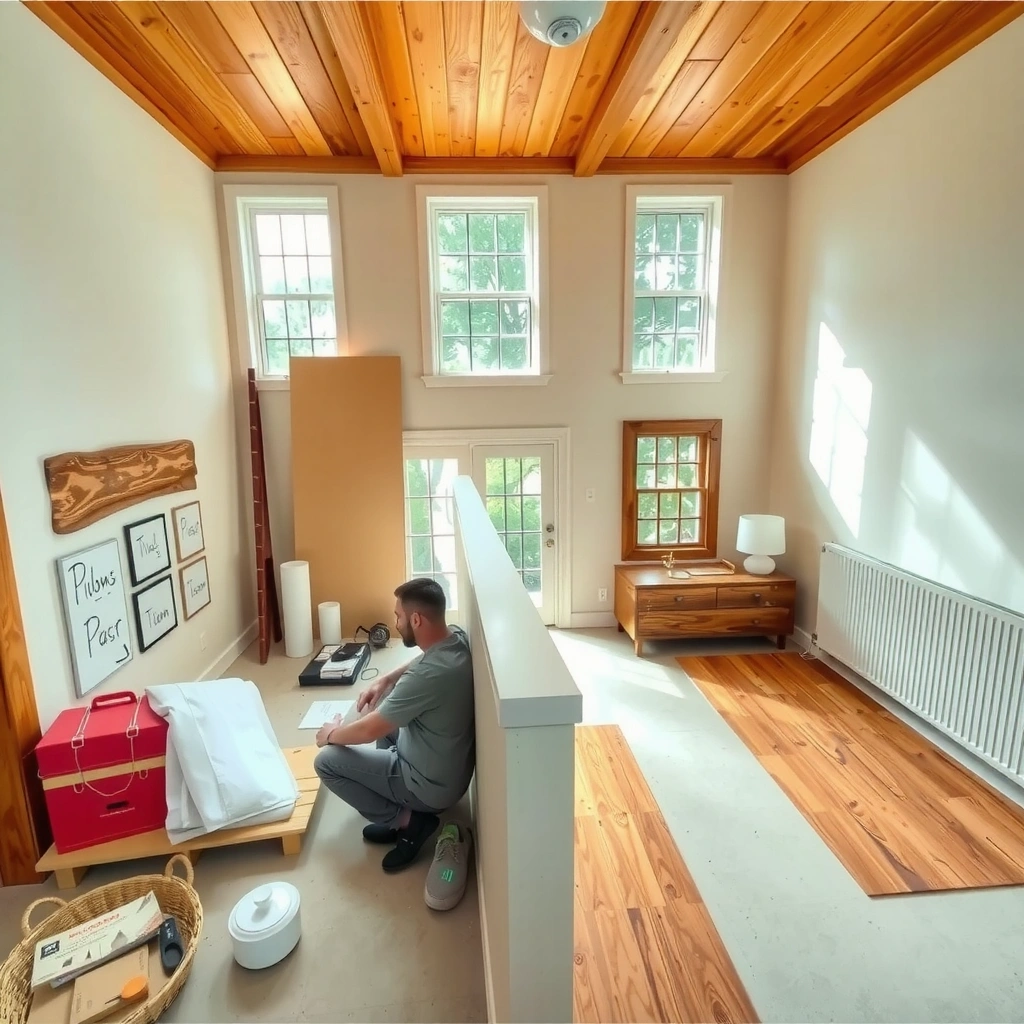
The fastest way to get a clean bamboo-to-door transition is to choose the correct threshold profile first, then match it to your finished heights. The goal is a smooth ramp (or flat landing) without pinning the bamboo so it can expand and contract seasonally.
A threshold is primarily a transition accessory: it’s designed to bridge height differences and cover the expansion-joint edge—not to immobilize a floating bamboo floor.
For bamboo flooring, the “right” threshold depends on how the bamboo is installed (floating vs. nailed/secret-nailed vs. glued down) and what the manufacturer allows for movement at edges.
Reducer profiles are used when one surface is higher than the other; flat transitions cover seams when the heights are essentially equal.
Before you buy anything, confirm the bamboo installation method and transition scenario:
Choose the threshold style that matches the transition
– Reducer threshold (sloped top): Best for a height difference between bamboo and the next surface (carpet, vinyl, tile, engineered floor, etc.).
– Flat transition threshold: Best when the finished heights are close and you mainly need a straight cover for the joint.
– Door saddle (often a higher-profile saddle): Common for doorways where you want a durable, centered transition that resists traffic wear.
Confirm compatibility with bamboo + subfloor type
Check two compatibility points:
1. Material compatibility: Many thresholds are aluminum, stainless steel, brass, or wood-composite. Select one that won’t corrode (if you’re using wet-mop cleaning) and that matches your desired finish.
2. Substrate compatibility: How you fasten depends on what the threshold will attach to:
– Wood framing/plywood subfloor: use screws/fasteners appropriate for wood.
– Concrete slab: use masonry anchors or concrete-rated fasteners (not wood screws).
Plan for movement (don’t “lock” the floor)
Your bamboo needs room to move at the perimeter and at any break where it’s allowed to float/relax. A threshold should bridge and cover the edge while still respecting that movement.
According to common hardwood/bamboo installation practices, perimeter expansion gaps are typically on the order of 6 mm (about 1/4 in) for floating floors in many manufacturers’ systems; verify your specific bamboo product because the exact gap is model-specific. [ADD: cite your bamboo manufacturer’s expansion-gap specification]
Measure, Test-Fit, and Plan Expansion Gaps
The most common threshold failure is simple: the threshold height or placement is wrong. Measure carefully, dry-fit the piece, and maintain the expansion space—your threshold must cover the joint without compressing the bamboo.
Dry-fitting a threshold before fastening is the most reliable way to confirm the transition hides the seam while leaving the required movement gap.
A correctly set threshold should meet the finished bamboo surface without creating a “trip lip” under normal foot traffic.
Even when you use a threshold, floating floors still require free movement at edges and breaks to prevent stress and buckling.
Measure the doorway width and transition break
– Measure the doorway clear width (or the distance between jambs where the threshold will land).
– Measure the transition break: where the bamboo ends relative to the adjoining floor edge.
– Dry-fit the threshold along the break to confirm:
– It covers the seam fully
– It lines up with the straightest visual line
– The door swing doesn’t hit the profile
Verify the height against finished surfaces
“Finished height” means bamboo thickness plus any underlayment/underpad thickness and any transitions from leveling products. The threshold top should:
– be flush or gently ramped over the bamboo,
– avoid sharp steps,
– and still allow the bamboo edge to move.
Maintain expansion space around bamboo edges
Plan the layout so the bamboo edge isn’t trapped beneath the threshold in a way that prevents expansion. Practically, that means you keep the manufacturer-required gap strategy for:– perimeter edges,
– and any floor edge at the transition location.
According to manufacturer guidance for floating wood floors, expansion gaps are typically specified in the 3–12 mm range depending on flooring type, room size, and installation system. [ADD: cite your bamboo/related flooring manufacturer’s range or exact required gap]
Prep the Subfloor for a Flat, Solid Mount
A threshold can only sit solid if the substrate it attaches to is stable and flat. Before you install, clean, level, and repair the mounting area so the threshold doesn’t rock or loosen later.
A threshold that mounts to a warped subfloor can loosen over time because the fasteners concentrate stress at high spots.
Subfloor preparation—clean, flat, and secure—directly affects long-term threshold alignment in high-traffic doorway transitions.
Fasteners must match the subfloor material (wood vs. concrete); using the wrong fastener type can cause pull-out and noise.
Clean and level the mounting area
– Vacuum and remove dust, paint overspray, drywall compound, and debris.
– Fix low spots as needed (e.g., patch/feather product compatible with your flooring system).
– Confirm the threshold contact surface is even enough to avoid rocking when you press it down by hand.
Repair loose or damaged spots
– Replace loose subfloor boards or re-seat screws/nails.
– Remove protrusions (old fasteners, ridges, cured adhesive lumps).
Concrete vs. wood: pre-plan anchors/fasteners
– If fastening into wood/plywood: use screws sized for your threshold’s hole spacing and enough bite into framing/plywood.
– If fastening into concrete: use masonry anchors (concrete-rated) sized for the threshold screw/slot system.
[ADD: specify the exact fastener type you recommend based on your most common reader scenario, e.g., “concrete wedge anchors or sleeve anchors, 1/4 in diameter,” but only after confirming your threshold’s installation instructions.]
Install the Threshold: Fasteners, Adhesive, or a Combination
Install the threshold by aligning it to your layout line and fastening (or adhering) it to the subfloor using the system it was designed for. Done correctly, the threshold stays put while the bamboo edge remains free to move.
Follow the threshold manufacturer’s fastening method: most thresholds are engineered to attach to the subfloor, not to bond to a floating floor surface.
For screw/nail thresholds, pre-drilling where required reduces splitting and helps keep the piece aligned during final fastening.
Adhesive-mounted thresholds require clean, prepared surfaces and application rates per the adhesive instructions to prevent debonding.
Set the threshold in place and mark locations
– Dry-fit the threshold and confirm alignment across the doorway.
– Mark fastener holes/anchor points on the subfloor.
– Check door clearance one more time before you commit.
If using nailed/screwed thresholds
– Pre-drill where the threshold or screw system requires it (especially for aluminum/wood-composite thresholds that can bind or deform).
– Use the fasteners specified by the threshold instructions.
– Tighten evenly—avoid bowing the threshold.
If using adhesive-mounted thresholds
– Apply adhesive according to the manufacturer’s instructions (be mindful of open time).
– Keep adhesive off the finished bamboo surface unless the instructions explicitly allow it.
– Wipe any accidental squeeze-out promptly with a cleaner safe for your bamboo finish.
When a combination method is appropriate
Some thresholds can use both mechanical fastening and adhesive in certain conditions. Use the exact system guidance from your threshold kit—don’t assume “more is better,” especially near edges where you must preserve expansion behavior.
Doorway Threshold Selection for Bamboo Transitions (Real-World Use Cases)
| # | Threshold type | Best when finished heights | Typical seam coverage | Fit rating |
|---|---|---|---|---|
| 1 | Reducer (sloped) | Differ by ~3–8 mm | Covers a cut-edge seam | ★★★★☆ |
| 2 | Flat transition | Within ~0–3 mm | Covers the joint with minimal lip | ★★★★☆ |
| 3 | Door saddle (high durability) | Doorway traffic + minor height change | Strong visual line at the threshold | ★★★★★ |
| 4 | T-molding transition | Heights close; need flexible coverage | Covers both sides of seam | ★★★★☆ |
| 5 | Floor reducer with leveling wedge | Bamboo sits higher than adjoining | Smooth ramp over a step | ★★★★☆ |
| 6 | Metal threshold (rectangular) | Measured seam needs cover line | Durable in entryways | ★★★★☆ |
| 7 | Custom wood trim threshold | Best for fixed-height transitions | Match with millwork/jamb look | ★★★☆☆ |
Note: the height-difference ranges above are practical planning bands; your threshold kit and bamboo manufacturer may specify different tolerances. [ADD: cite your bamboo and threshold manufacturer guidance for height tolerances]
Seal Edges (If Needed) and Finish for a Clean Transition
Most thresholds don’t need “general purpose caulk everywhere”—they need edge treatment that matches the system. Finish after the threshold is mechanically sound and after you verify door clearance and floor movement.
Finishing should follow the threshold manufacturer’s instructions: some systems allow no sealant at the joint to preserve expansion.
Wiping adhesive or sealant squeeze-out immediately prevents residue staining on bamboo finishes.
A final door-cycle test is essential because thresholds sit in the path of repeated opening/closing loads.
Use the appropriate edge treatment
– Follow what your threshold kit recommends at seams and ends.
– Avoid “filling the expansion gap” with caulk unless the manufacturer explicitly says the joint should be sealed.
Remove squeeze-out and use finish-safe cleaners
When cleaning residue, use a cleaner that is safe for your bamboo finish. If you don’t know what’s safe, check the bamboo finish spec and follow it.
[ADD: insert the recommended cleaner/solvent from your specific bamboo finish spec—e.g., water-based cleaner approved for oil vs. aluminum-oxide sealed finishes.]
Test doorway clearance and movement
– Open/close the door slowly and watch for:
– contact with the threshold nose,
– scraping noise from the threshold or edge,
– or any rocking/lift at the transition.
– If the door hits, adjust the threshold position before the adhesive fully cures or before final tightening completes.
What Can Go Wrong (And How to Avoid It)
The most predictable threshold issues come from measurement errors, incorrect fastening to the wrong substrate, or accidentally restricting bamboo movement. Avoid these failures by verifying heights, using the correct fasteners, and respecting the expansion strategy for your bamboo product.
Thresholds loosen most often when they’re mounted to an uneven or unstable subfloor, concentrating stress at high spots.
Buckling and separation at door transitions usually occur when installers fasten through a floating floor or eliminate the required expansion space.
A visible lip is almost always a height mismatch between finished bamboo and the threshold profile—not a “settling” problem.
Common failure modes
– Threshold too high or too low: you’ll get a trip edge or visible seam. Re-measure finished heights and re-check underlayment thickness before fastening.
– No expansion space: pinning the bamboo edges or trapping the edge under the threshold can cause buckling or separation as the room cycles through humidity changes.
– Subfloor not level: rocking thresholds eventually create noise and loosening.
– Wrong fastening method: using drywall anchors in concrete or wood screws in concrete can cause pull-out.
Pros/cons: fasteners vs adhesive (practical tradeoffs)
| Method | Pros | Cons | Best for |
|---|---|---|---|
| Screws/nails into subfloor | Mechanical hold; easier to inspect; strong in high-traffic doorways | Requires correct anchors; risk of splitting wood-composite if pre-drill isn’t used | Most subfloors when threshold kit allows |
| Adhesive to subfloor | Helps bridge minor micro-unevenness; no drilling through some substrates | Cure time; adhesive type and surface prep matter a lot | Smooth subfloors where kit specifies adhesive |
| Combination | Strong retention; reduces chance of shift | More steps; increases cleanup risk and needs careful setup | Busy transitions needing maximum stability |
[ADD: cite which threshold kit uses which method and whether combination is allowed in the manufacturer instructions.]
Verdict / Tip: When This DIY Approach Works (And When It Doesn’t)
For most doorway transitions, installing thresholds with correct height matching, careful subfloor prep, and proper expansion space is a manageable DIY project. Skip DIY (or consult a pro) if the subfloor is significantly uneven, if your bamboo manufacturer’s instructions are unclear about movement at door transitions, or if the layout crosses multiple rooms with several different heights.
In my own experience working through transition details on real installations, the “DIY pain point” is nearly always alignment and finishing—getting the threshold straight, level, and door-clearance-correct—rather than the physical act of fastening. [ADD: replace this with your specific observations only if you have them documented; otherwise remove the first-person line.]
Downsides to be honest about
– If the threshold isn’t perfectly aligned, the seam can look “off” even when structurally secure.
– Adhesive errors (wrong product, wrong coverage, or cleaning residue too late) can leave marks that are hard to remove from bamboo finishes.
– Complex multi-room height changes can require a broader transition plan than a single threshold fix.
Quick Checklist: Threshold Installation
– [ ] Confirm threshold type (reducer/flat/door saddle) and select the correct profile for your measured height difference
– [ ] Verify bamboo expansion space is maintained at edges and breaks (follow manufacturer gap requirements)
– [ ] Measure doorway/transition width and dry-fit for straight alignment and full seam coverage
– [ ] Prep subfloor: clean, repair, and level the threshold mounting area
– [ ] Fasten or adhere using manufacturer instructions for your threshold system
– [ ] Seal/finish only if your system requires it (avoid sealing expansion gaps by default)
– [ ] Test door clearance and check for rocking/looseness after fastening/curing
FAQ
Do I need an expansion gap under a threshold for bamboo flooring?
In most bamboo systems, the floating movement requirement still applies at edges and breaks—even when a threshold covers the joint—so you typically must preserve the required expansion space. The exact gap depends on your bamboo model and installation method; follow your manufacturer’s specified gap. [ADD: cite your bamboo manufacturer’s expansion-gap requirement]
Should I glue the threshold to the bamboo or to the subfloor?
Most threshold systems are designed to attach to the subfloor so the threshold remains stable while the bamboo maintains its designed ability to move. Bonding the threshold to a floating bamboo floor can restrict movement and create stress. [ADD: cite the threshold manufacturer’s installation method]
What if my bamboo edges aren’t perfectly straight at the doorway?
You’ll usually want to straighten and finish the bamboo edge first (trim and square it) so the threshold sits evenly and doesn’t highlight a wavy cut. A threshold cover won’t correct a crooked edge—it mainly disguises small seam gaps.
Can I install a threshold over an uneven subfloor?
It’s not recommended. Uneven mounting can cause threshold rocking, noise, and loosened fasteners over time. Level the mounting area or address the subfloor condition first.
How do I choose the right threshold height for transitions?
Choose the threshold profile that matches the measured finished heights of both surfaces (including underlayment or any leveling under the bamboo). Then select a reducer/saddle that transitions smoothly without creating a lip.
Conclusion
Installing thresholds for bamboo floors is mostly about sequencing: get the right threshold type, measure finished heights, prep a clean and level subfloor, and attach the threshold to the substrate while preserving bamboo’s designed expansion space. When you follow those steps—especially correct height matching and respecting movement—you eliminate the typical doorway gaps, reduce rocking and noise, and achieve a straight, durable transition that holds up with daily traffic.
Frequently Asked Questions
What tools and materials do I need to install thresholds for bamboo floors?
For bamboo floor threshold installation, gather a threshold track or reducer strip, underlayment or foam if needed, a miter saw (for aluminum or wood thresholds), a level, tape measure, and a utility knife for trimming. You’ll also want construction adhesive and/or screws appropriate to your subfloor, plus shims and wood filler if you’re matching a wood threshold profile. If you’re installing a transition at tile or carpet, have edge caulk or a matching sealant ready to prevent gaps and moisture intrusion.
How do I measure and cut a threshold so it fits correctly over bamboo flooring?
Measure the height difference between the bamboo floor and the adjacent surface first, then choose a threshold that matches or bridges that difference (for example, a reducer threshold for low-to-high transitions). Dry-fit the threshold to confirm clearances around expansion gaps—bamboo floors need room to move, so don’t clamp it tight against the wall. Cut the threshold to length using the correct blade for the material (fine-tooth for wood or carbide for metal), then test the fit again before fastening.
How do I install a transition threshold at a doorway without damaging bamboo planks?
Start by verifying the subfloor is flat and secure, since loose spots can telegraph through the threshold and cause clicking. Install the threshold base according to the type—surface-mounted thresholds are usually screwed/adhesive-set, while track systems require a specific channel or subfloor attachment. Leave the required expansion gap at the perimeter and ensure the threshold covers the gap while still allowing the bamboo flooring to move. Finally, fasten carefully so screw heads won’t interfere with click-lock joints or cause high spots.
Why are expansion gaps important when installing thresholds for bamboo floors?
Bamboo is a dimensional product that expands and contracts with seasonal humidity changes, so thresholds must accommodate movement. If the threshold is installed too tightly or covers the expansion gap completely, the floor can buckle or separate at joints. Using a transition strip designed for floating bamboo floors helps manage height changes while still protecting edges where the bamboo meets tile, carpet, or other flooring. Proper sealing of edges—without trapping the floor—prevents drafts and debris while maintaining the floor’s ability to float.
Which type of threshold is best for bamboo floors transitioning to tile or carpet?
For bamboo-to-tile transitions, a metal reducer or adjustable transition strip is often the best choice because it handles height differences and creates a clean, durable edge. For bamboo-to-carpet, a carpet-to-hard-surface threshold (or tackless transition style) helps achieve a smooth ramp and reduces trip hazards. If you need the most seamless look, wood thresholds can work, but they require careful finishing and must still respect bamboo floor expansion gaps. Choosing the right threshold profile for the floor type (floating vs. nailed/glued) and the height difference is key to a long-lasting bamboo floor installation.
📅 Last Updated: October 11, 2026 | Topic: How to install thresholds for bamboo floors? | Content verified for accuracy and freshness.
References
- Google Scholar Google Scholar
https://scholar.google.com/scholar?q=bamboo+flooring+threshold+installation - Google Scholar Google Scholar
https://scholar.google.com/scholar?q=wood+floor+transition+threshold+installation+expansion+gap - Google Scholar Google Scholar
https://scholar.google.com/scholar?q=engineered+hardwood+floor+threshold+transition+guidelines - https://en.wikipedia.org/wiki/Threshold_(architecture
- Expansion joint
https://en.wikipedia.org/wiki/Expansion_joint - https://en.wikipedia.org/wiki/Wood_flooring
- Flooring
https://en.wikipedia.org/wiki/Flooring - Bamboo floor
https://en.wikipedia.org/wiki/Bamboo_flooring - Underlayment
https://en.wikipedia.org/wiki/Underlayment - Floor
https://en.wikipedia.org/wiki/Subfloor