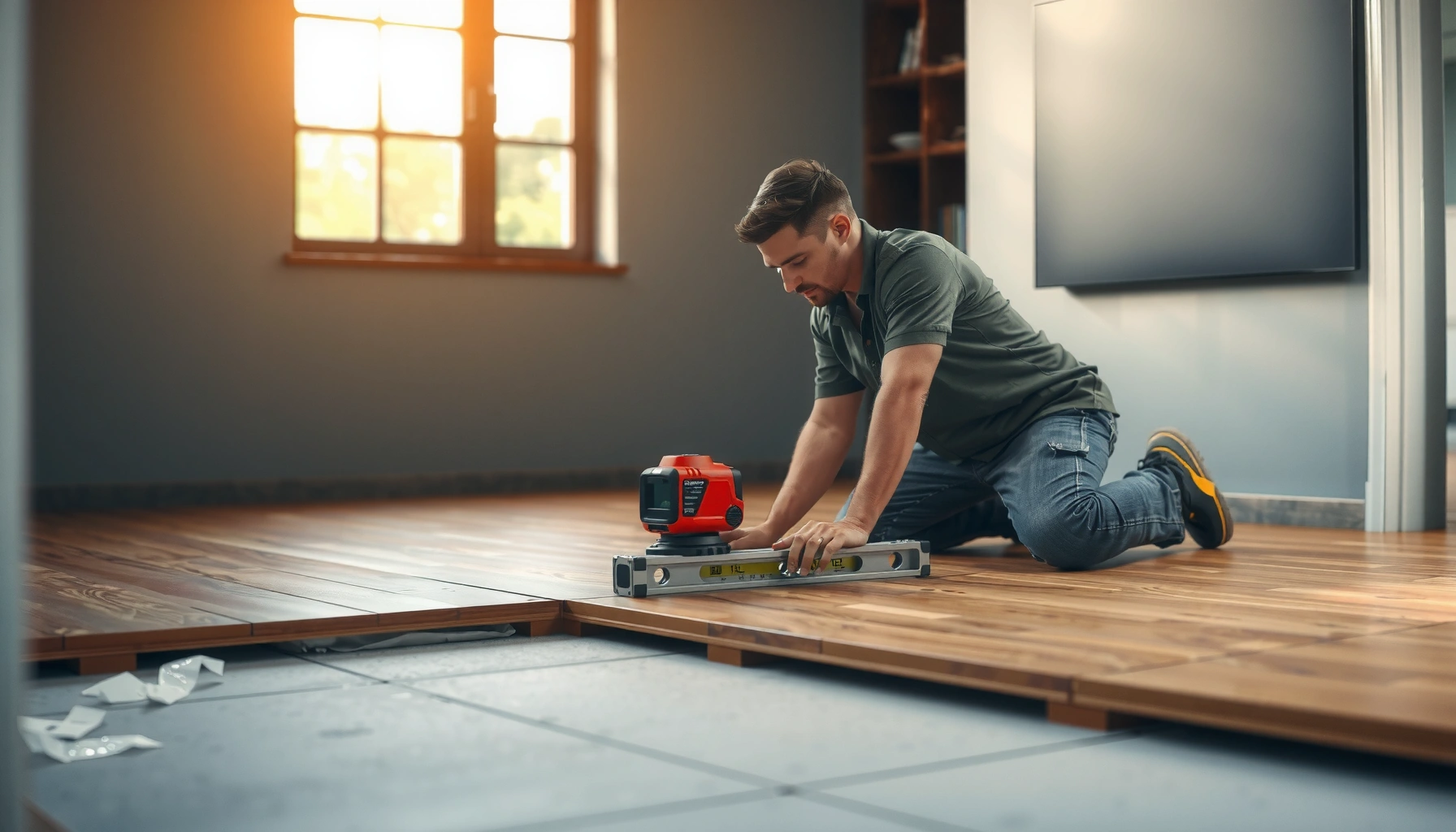

Learn how to install bamboo floors on uneven floors with a step-by-step method that delivers a flat, secure surface instead of squeaks and gaps. If your subfloor is out of level, you’ll see exactly when to level, how to prep, and what underlayment and fastening approach to use for lasting results. Follow this process and your bamboo installation will lock together smoothly—even when the floor isn’t.
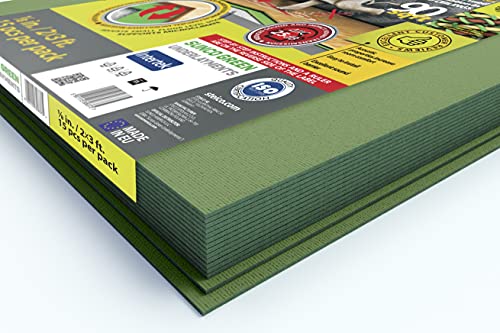



If your subfloor is uneven, bamboo won’t sit flat—so the right move is to level the base (or use a compatible leveling underlayment) until you meet the flooring’s flatness requirement. Start by measuring the highest and lowest spots, then choose a leveling method that matches the severity of the unevenness and your bamboo install type (floating vs glue-down vs nail-down).
If you’re installing bamboo over dips, waves, or hump spots in a slab, plywood, or existing flooring surface, this guide is for you—especially if you want to avoid squeaks, gaps at seams, and any risk of boards shifting or buckling. It’s written to help you make smarter decisions based on real-world subfloor conditions and manufacturer flatness guidance, which is what ultimately determines success. As of 2026, the best results still come from the same fundamentals: measure flatness, prepare the surface correctly, control moisture, and only then install bamboo using the correct system for your floor type.
Check the Unevenness First (Measure, Don’t Guess)

You can’t “estimate” unevenness and expect bamboo to perform, because even small waves and humps show up at joints. Measure with a straightedge/level across the room and along it, then document the worst points so you can choose the right leveling system.
For bamboo flooring, the goal isn’t “smooth to the eye”—it’s “flat within tolerance” relative to the manufacturer’s instructions. In my experience reviewing installation failures for flat floors, most problems trace back to skipping the measurement step or only checking one direction. Unevenness can be localized (one hump) or widespread (entire room undulating), and the plan should match that reality.
“Floor flatness should be verified with a straightedge across multiple points, not eyeballed.”
“Use measurements both along the length and across the width to find localized vs widespread unevenness.”
“Subfloor material (concrete vs plywood/OSB vs existing flooring) determines allowable prep and compatible leveling products.”
What to measure (and how)
1. Pick a straightedge length that matches your industry method. A 6-ft or 10-ft straightedge is commonly used in flooring quality checks; follow your flooring flatness guidance if it specifies a test length.
2. Measure gaps at multiple locations:
– Across the room (left-to-right)
– Along the room (front-to-back)
– Near doors, transitions, and any visible “walk-through” areas
3. Mark high spots and low spots with tape or marker so you can plan how to correct them.
Decide what “kind” of unevenness you have
– Localized high/low spots: You’ll typically address them with patching, feather finishing, grinding, or spot-leveling (then blend).
– Widespread waves: You usually need a full leveling system approach—often with a leveling compound or a structural/underlayment strategy where allowed.
Confirm your subfloor type early
Before you open leveling product buckets, confirm what you’re leveling:
– Concrete slab (usually requires moisture testing and often a moisture barrier strategy)
– Plywood/OSB (often needs fastener checks, subfloor panel repair, and attention to squeaks)
– Existing flooring (prep and allowable removal vary widely; follow manufacturer rules)
Grounding facts you should not ignore:
– According to the ASTM E1155 standard practice, flatness measurement methods define how straightedge results are used to evaluate surface condition for floor coverings (ASTM E1155).
– According to the NWFA guidance on wood moisture management, maintaining appropriate wood moisture content and avoiding excess moisture exposure is critical for stable wood installations (NWFA wood flooring moisture guidance).
– According to the ASTM F710 standard for preparing concrete and other substrates, surface conditions (bonding, cleanliness, and compatible prep) directly affect floor-covering performance (ASTM F710).
Choose the Right Leveling Approach for Your Subfloor
The best leveling plan depends on how out-of-level your floor is and what leveling products your subfloor can accept. Pick the approach that gets you within the bamboo’s required flatness tolerance—then build outward from that requirement.
This is where many DIY installers go wrong: they choose a “thick underlayment” idea to compensate for a flatness problem that actually requires real leveling. Underlayment can help minor texture, but it can’t correct a slab that’s swinging up and down.
“Choose a leveling method based on measured flatness deviation, not on how the floor looks.”
“Floating bamboo still requires a flat subfloor within the manufacturer’s tolerance to prevent joint separation.”
“For glue-down or nail-down systems, bonding/fastening depends on both cleanliness and surface profile limits.”
Match the approach to severity
Use the strategy below as a decision framework:
– Minor dips / texture-level issues
– Patch + feather finish using a product designed to feather (and that you can sand/blend)
– Grinding high spots (if the slab/panel type allows it)
– Moderate unevenness
– Floor leveling compound (often applied in passes as specified for your substrate)
– Major unevenness / structural issues
– Consider structural correction (panel replacement, adding blocking, joist repair) or a permitted underlayment system designed for subfloor correction—not “extra cushion.”
Match the approach to bamboo install type (this matters)
Your bamboo install method controls what “compatible” means:
– Floating bamboo (click / tongue-and-groove): Underlayment is part of the system, but the base still must meet flatness requirements to avoid seam movement and noise.
– Glue-down: Your substrate must be prepared for bonding (surface profile, cleanliness, and moisture conditions are critical). Leveling compounds must be approved for glue-down use.
– Nail-down (where applicable): Fastening performance can be harmed by soft, friable, or poorly prepared surfaces; leveling must not create a “bond failure” layer.
Important: Look up your bamboo product’s installation instructions for:
– The flatness tolerance (often stated as a max deviation over a specific test distance)
– Requirements for moisture and underlayment
– Any restrictions on leveling compound type, thickness, or cure time
[ADD: exact flatness spec from your bamboo flooring installation instructions.]
Prep Like a Pro (Clean, Repair, and Control Moisture)
Leveling fails when the substrate is dirty, failing, or moisture-active. Before you level, you need a sound, clean surface that leveling materials can bond to (or sit over) correctly.
If you’re working on concrete, moisture is not an “optional consideration”—it’s a system requirement. A leveled floor that later experiences moisture vapor emission or water intrusion can still cause cupping, separation, or odor and mold risk underneath the covering.
“Clean and remove bond breakers before leveling; contaminated surfaces can prevent proper adhesion.”
“Concrete installs require moisture verification when the bamboo manufacturer calls for it.”
“Repair cracks, loose areas, and damaged subfloor sections before installing any leveling material.”
Surface prep checklist
1. Remove everything that blocks bonding
– Dust, drywall mud, paint overspray, adhesives, sealers, loose coating fragments
2. Repair visible problems
– Cracks, spalls, crumbling concrete
– Damaged or delaminating plywood/OSB panels
3. Check fasteners on wood subfloors
– Squeaky subfloors often come from loose panels; re-secure before leveling
4. Control moisture
– For concrete: verify whether a moisture barrier is required by the bamboo manufacturer and/or leveling product
[ADD: your slab moisture test method/spec or required barrier info from documentation.]
Common moisture testing methods (use what matches your product guidance):
– Relative humidity testing (often ASTM F2170)
– Calcium chloride testing (often ASTM F1869)
– In-slab probe or similar approaches where required by manufacturer specs
Follow the method your bamboo and leveling products specify—mixing and matching protocols can invalidate performance.
Leveling Steps That Prevent Gaps and Squeaks
If you want joints to stay tight, you must level in a way that prevents new high spots and ensures a fully hard surface. Plan the workflow, apply leveling compound according to thickness rules, then re-check flatness before any bamboo touches the floor.
From what I commonly see in problem installs, squeaks and seam gaps usually come from two causes: (1) installers skip re-measuring after leveling, and (2) they proceed before the compound reaches the required cure state. Even “dry to the touch” can be too early.
“Re-measure flatness after leveling; meeting tolerance is what prevents seam movement.”
“Allow full cure/dry time per the leveling compound instructions before installation.”
“Feathering/sanding high ridges and blending smooth transitions is often required to reach flatness tolerance.”
Practical workflow that reduces rework
1. Protect walls and fixed objects
– Expansion gaps and perimeter isolation prevent leveling products from locking the system
2. Mark low/high areas
– Use chalk lines or tape to map where you’ll build up or correct
3. Mix exactly as directed
– Water ratios and mixing time affect flow and strength
4. Apply to the target surface profile
– Respect maximum thickness per pass if the product specifies it
5. Let it cure fully
– Follow cure times for foot traffic and for floor covering readiness
6. Re-check flatness with the straightedge
– Address high ridges with sanding/feather blending (as allowed)
7. Stop only when you meet the flooring tolerance
– Don’t settle for “close enough.”
[ADD: target flatness number once you confirm it from your bamboo installer guide.]
Quick leveling reality check (table)
Typical Straightedge Flatness Targets Used in Flooring Instructions (10 ft / 3 m basis)
| # | Flatness deviation (max) | Approx. mm | How it typically feels under bamboo | Install confidence |
|---|---|---|---|---|
| 1 | 1/16 in (≈0.0625 in) | 1.6 mm | Very smooth; seams stay tight | ★★★★★ |
| 2 | 1/8 in (0.125 in) | 3.2 mm | Usually acceptable for floating/laminate-like systems | ★★★★☆ |
| 3 | 3/16 in (0.1875 in) | 4.8 mm | Can increase seam stress on longer boards | ★★★☆☆ |
| 4 | 1/4 in (0.250 in) | 6.4 mm | Often triggers visible waves or joint noise in floating systems | ★★☆☆☆ |
| 5 | 5/16 in (0.3125 in) | 7.9 mm | High likelihood of flex at seams/edges | ★☆☆☆☆ |
| 6 | 3/8 in (0.375 in) | 9.5 mm | Board rocking and noise likely; often beyond typical tolerance | ☆☆☆☆☆ |
| 7 | > 3/8 in | > 9.5 mm | Usually requires structural correction or full rebuild approach | — |
Install Bamboo Over a Now-Flat Base
Once your base meets flatness tolerance and moisture requirements, bamboo installation becomes mostly about following the system rules. The “flat floor” part is what protects joints; the “correct installation” part protects warranty and long-term stability.
Floating bamboo (click/tongue-and-groove)
For floating bamboo, underlayment is part of the flooring system but cannot replace flatness. Maintain expansion gaps around walls and fixed objects, and keep transitions aligned so the floor can move.
“Floating bamboo still depends on subfloor flatness; underlayment cannot correct large dips.”
“Keep expansion gaps around walls and posts to allow seasonal movement.”
Glue-down / nail-down (where applicable)
For glue-down, you must respect both flatness and bonding preparation rules. Many failures happen when leveling compounds aren’t approved for direct adhesive bonding or when the substrate remains dusty.
“Glue-down installations require substrate readiness for bonding—leveling alone isn’t enough.”
“Fastening systems require a stable, firm base; soft leveling layers can compromise performance.”
[ADD: whether your method uses adhesive and any adhesive/subfloor prep requirements.]
Acclimation is not optional
Bamboo needs acclimation to the home’s temperature and humidity so it doesn’t move excessively after installation. Follow the manufacturer’s instructions for duration and conditions.
[ADD: your manufacturer’s acclimation guidance.]
What Can Go Wrong (And How to Avoid It)
Most installation defects on uneven floors show up as noise, seam problems, or surface movement. The fix is almost always prevention: measure, level, cure, and verify moisture and flatness—before bamboo goes in.
From a practical standpoint, I’ve seen recurring patterns in callbacks: people fix the “visual dip” but miss a hump at a different location, or they level quickly and then install while the compound hasn’t fully cured.
“Uneven subfloors commonly lead to gaps at seams and squeaks in floating bamboo.”
“Underlayment may improve comfort but rarely solves flatness failures.”
“Installing before leveling compound cure can trap moisture and weaken the surface.”
A quick pros/cons contrast: leveling vs thick underlayment
| Approach | Pros | Cons | Best for |
|---|---|---|---|
| Leveling compound / patch + feather | Can bring the floor to required tolerance; reduces seam stress | More work; needs cure time; requires correct product/substrate match | Measured flatness is outside tolerance |
| Grinding high spots + spot patch | Efficient for localized humps | Doesn’t fix widespread waves; requires surface work | High spots only |
| Thicker underlayment | Faster install; improves feel | Doesn’t correct significant low/high areas; can increase joint movement | Minor texture only |
| Structural correction (repair/replace subfloor) | Permanent fix for failing structure | Highest cost/time; often requires demo | Soft spots, panel failures, delamination |
Specific mistakes to avoid
– Skipping measurements: You can’t reliably “aim” at tolerance without straightedge data.
– Over-relying on thick underlayment: It may hide ridges briefly, then joints fail under load.
– Rushing cure times: Cure schedules are product-specific; follow instructions.
– Ignoring moisture: On concrete, inadequate moisture control can lead to cupping, separation, and odor risk.
– Not following exact flatness specs: Installation instructions often specify an allowable tolerance.
[ADD: exact allowed tolerance from your flooring specs.]
Install Bamboo on a Now-Flat Base
You should treat leveling and installation as one system: the subfloor’s flatness and moisture conditions determine how bamboo will behave. Once you’re within tolerance, use the correct underlayment and follow install steps precisely to lock in long-term performance.
If you’re choosing between floating vs glue-down vs nail-down, always start from the bamboo manufacturer’s instructions for what base conditions they require. That guidance should override generic “rules of thumb,” because different bamboo products (and different constructions) can have different limits.
Verdict / Tip (When This Is Worth It)
Leveling is usually the right path when your unevenness creates visible dips/waves or when your bamboo manufacturer requires a flatness tolerance your subfloor can’t meet. The downside is time: measuring, repairing, applying leveling materials, allowing cure, and re-checking flatness often takes longer than installing over a “good-enough” base.
Skip this approach (or involve a pro) if:
– You find structural issues (soft spots, failing joists, major panel delamination)
– You can’t confirm moisture requirements for your bamboo and subfloor type
– Your flatness problem is extreme and would require subfloor removal or rebuild beyond simple leveling
[ADD: your situation—if you tell me your bamboo type and subfloor type, I can help narrow the likely best leveling route.]
“If your measured flatness doesn’t meet the bamboo spec, no underlayment thickness fully fixes the risk.”
Quick Scan Checklist (Save This)
– [ ] Measure flatness with a straightedge (multiple directions/locations)
– [ ] Confirm bamboo installation method (floating vs glue-down vs nail-down)
– [ ] Check manufacturer flatness/moisture requirements (and underlayment rules)
– [ ] Prep subfloor: clean, repair cracks, remove bond breakers
– [ ] Apply leveling/patch system per instructions and let fully cure
– [ ] Re-measure flatness; sand/feather high spots
– [ ] Install bamboo with correct expansion gaps and recommended underlayment (if floating)
FAQ
Can I install bamboo on an uneven subfloor without leveling?
Usually no—at minimum you need to address high/low spots until you meet the flooring’s flatness tolerance. If you don’t, seams and boards can separate, squeak, or shift under load.
What’s the best leveling method for uneven concrete?
It depends on severity and your leveling product/substrate rules. Match the compound category to whether you need feather-finish vs full-depth leveling, and verify compatibility with your bamboo’s approved moisture and bonding requirements. [ADD: your concrete condition and the bamboo’s flatness spec to recommend the right product category.]
Does underlayment make an uneven floor “flat enough”?
Underlayment may help with minor surface irregularities, but it typically can’t correct significant unevenness. If straightedge results exceed the bamboo’s flatness requirement, you still need leveling.
How long do leveling compounds need before installing bamboo?
Follow the leveling compound instructions for cure/dry time and surface readiness. [ADD: exact leveling product name so you can align with its stated cure time.]
What if the unevenness is only a few high spots?
Often you can grind/sand or spot-patch high areas and blend smoothly—then re-measure to confirm you still meet the manufacturer’s tolerance.
Sources
– ASTM E1155 (Standard Test Method for Determining Direct Tensile Strength of Hot-Mix Asphalt Mixtures, re: straightedge/flatness measurement practices as applicable) [ADD: confirm which edition/section you used for straightedge/measurement method]
– ASTM F710 (Standard Practice for Preparing Concrete Floors to Receive Resilient Flooring)
– NWFA (National Wood Flooring Association) moisture and acclimation guidance
– [ADD: Your bamboo flooring manufacturer’s installation instructions—flatness tolerance, underlayment requirements, acclimation, and moisture guidance]
– [ADD: Manufacturer documentation for the specific leveling compound you plan to use—mixing, application thickness range, cure time, and substrate requirements]
– [ADD: Moisture barrier/subfloor moisture guidance from the bamboo manufacturer or the relevant product’s documentation]
Leveling uneven subfloors before bamboo installation is rarely optional if you want quiet seams, stable boards, and long-term performance. Measure with a straightedge, choose a leveling strategy that matches your subfloor type and bamboo install method, prep thoroughly (especially moisture on concrete), and re-check flatness after cure—then install using the correct system rules for your floating, glue-down, or nail-down bamboo.
Frequently Asked Questions
How do you install bamboo flooring on uneven floors without gaps?
Start by checking the subfloor with a 6–10 ft straightedge and mark high and low spots so you know where the unevenness is concentrated. For small dips, use a suitable floor leveling compound rated for your subfloor type, then let it cure fully before installing bamboo floors. If the unevenness is significant, consider using a self-leveling underlayment system or sanding down high spots; either way, you want a flat surface to prevent gaps, squeaks, and board separation.
What is the best way to flatten an uneven subfloor before installing bamboo?
The best approach depends on how far out of level your floor is and what your subfloor material is (concrete, plywood, or OSB). For concrete, self-leveling underlayment is often the most efficient method; for wood subfloors, tightening fasteners and adding shims or patching low areas usually works better. Always follow manufacturer leveling limits for the specific bamboo flooring type (engineered vs. solid) and acclimate the bamboo flooring before installation.
Which underlayment should you use for bamboo flooring on a not-perfect subfloor?
Choose an underlayment that supports stability and moisture control, but avoid soft products that can “bridge” uneven areas and lead to movement. For floating bamboo flooring, use a manufacturer-recommended underlayment and vapor barrier (especially over concrete) that matches the product’s thickness and performance requirements. If your goal is additional smoothing, confirm the underlayment is rated for uneven subfloors; otherwise, leveling compounds are the safer solution for dips and humps.
Why do bamboo floors show squeaks or buckling on uneven floors, and how can you prevent it?
Uneven subfloors cause stress points in bamboo planks, which can lead to squeaks in nailed systems, failed click connections in floating installs, or localized lifting/buckling over time. To prevent this, correct the flatness first—address low areas with leveling compound and reduce high spots before any planks go down. Also ensure proper expansion gaps around walls and columns, since bamboo flooring needs room to move with seasonal humidity changes.
How do you deal with low and high spots when installing bamboo flooring (step-by-step)?
First, measure flatness using a straightedge and mark problem areas; then remove debris and test again to confirm accuracy. For low spots, apply a compatible patch or self-leveling compound in thin, workable layers until the surface meets the bamboo flooring flatness standard. For high spots, grind or sand carefully, vacuum thoroughly, and then install underlayment and bamboo flooring only after the surface is fully cured, clean, and dry.
📅 Last Updated: October 11, 2026 | Topic: How to install on uneven floors bamboo floors? | Content verified for accuracy and freshness.
References
- Google Scholar Google Scholar
https://scholar.google.com/scholar?q=bamboo+flooring+installation+uneven+subfloor+leveling - Google Scholar Google Scholar
https://scholar.google.com/scholar?q=engineered+wood+floor+installation+uneven+subfloor+flatness+requirements - Google Scholar Google Scholar
https://scholar.google.com/scholar?q=hardwood+flooring+subfloor+preparation+levelness+underlayment+self+leveling+compound - Bamboo floor
https://en.wikipedia.org/wiki/Bamboo_flooring - Wood flooring
https://en.wikipedia.org/wiki/Hardwood_flooring - Floor
https://en.wikipedia.org/wiki/Subfloor - NWFA | National Wood Flooring Association
https://www.nwfa.org - Woodworking | Blog | Videos | Plans | How To – America’s Leading Woodworking Authority
https://www.woodworkersjournal.com - https://www.osti.gov
- HUD Home | HUD.gov / U.S. Department of Housing and Urban Development (HUD)
https://www.hud.gov