Category Floor Care

UV-Curable Floor Coatings: Benefits and Challenges

benefits and challenges overview

UV-curable floor coatings offer numerous advantages, like rapid curing, exceptional durability, and low VOC emissions. You'll benefit from reduced project downtime and minimal maintenance due to their impressive resistance to scratches and chemicals. However, be mindful of compatibility issues with…

Anti-Slip Coatings for Tile and Stone Floors

slip resistant floor coatings

Anti-slip coatings are essential for tile and stone floors, boosting safety by improving traction and lowering the risk of slips and falls, especially in high-traffic areas. You'll find various types, including epoxy and polyurethane coatings, each offering unique benefits. These…

How to Strip Old Floor Wax and Refinish

To strip old floor wax and refinish effectively, start by inspecting your floor for damage and identifying any previous wax applications. Gather necessary tools, including a floor stripper, scrub brush, mop, and safety gear like gloves and goggles. Apply the…

Tips for Applying Floor Finishes Evenly

evenly apply floor finishes

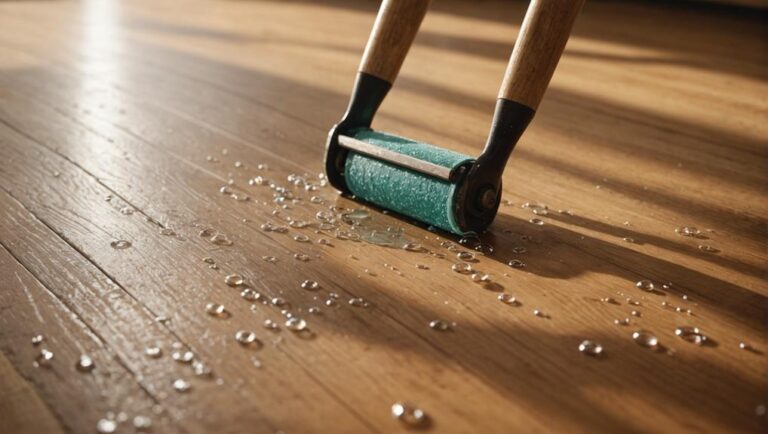
To apply floor finishes evenly, start by selecting the right finish for your flooring type. Confirm the surface is clean and free from imperfections, addressing any repairs before applying the finish. Use quality tools like rollers for large areas and…

Avoiding Yellowing in Floor Coatings

preventing floor coating yellowing

To avoid yellowing in floor coatings, focus on using high-quality, UV-resistant products that contain stabilizers. Proper surface preparation is essential; make certain the substrate is clean to enhance adhesion. Pay attention to application techniques—maintain consistent speed and pressure, and guarantee…

Floor Finish Bubbles: Causes and Fixes

bubbles in floor finish

Floor finish bubbles often arise from improper application techniques, environmental factors, and insufficient surface preparation. Key causes include trapped moisture, high humidity, and using the wrong tools. To prevent bubbles, verify the surface is clean and adequately prepared, and maintain…

Repairing Faded Floor Finishes

reviving worn wood floors

To repair faded floor finishes, first identify your floor type, whether it's hardwood, laminate, or vinyl. Clean the surface thoroughly using a suitable, pH-neutral cleaner and a microfiber mop. For hardwood, sand the finish and apply a compatible stain, followed…

Pros and Cons of Polyurethane Vs Oil-Based Finishes

polyurethane vs oil finishes

When comparing polyurethane and oil-based finishes, you'll find distinct pros and cons. Polyurethane offers exceptional durability and moisture resistance, making it ideal for high-traffic areas. It dries quickly but may exaggerate wood imperfections. In contrast, oil-based finishes provide a warm,…

Choosing the Right Finish for Hardwood Floors

selecting hardwood floor finish

Choosing the right finish for your hardwood floors involves evaluating durability, aesthetics, and maintenance specifics. Oil-based finishes offer greater resilience, ideal for high-traffic areas, while water-based options are safer with lower VOCs and quicker drying times. Consider sheen levels too;…

Flooring Care Tips for Renters

essential flooring maintenance guide

To keep your rental flooring in top condition, start by identifying its type. For hardwood, use felt pads under furniture and damp mops, avoiding excessive water. If you've got carpet, vacuum high-traffic areas regularly and tackle spills immediately to prevent…