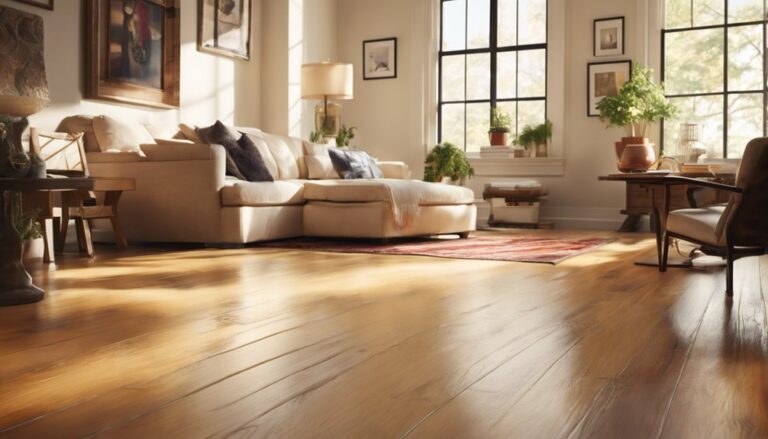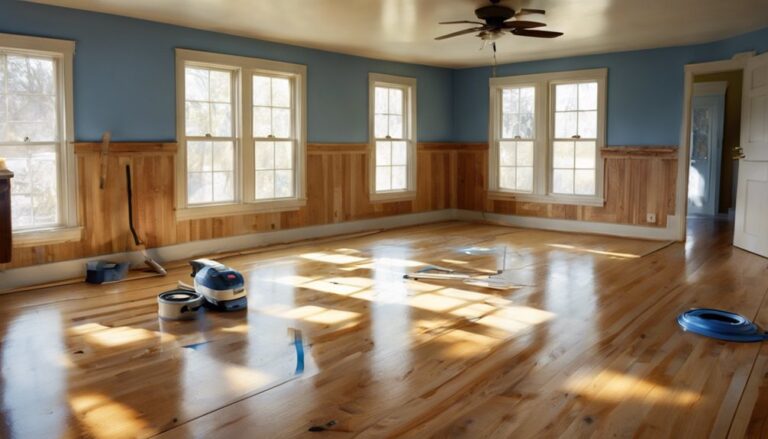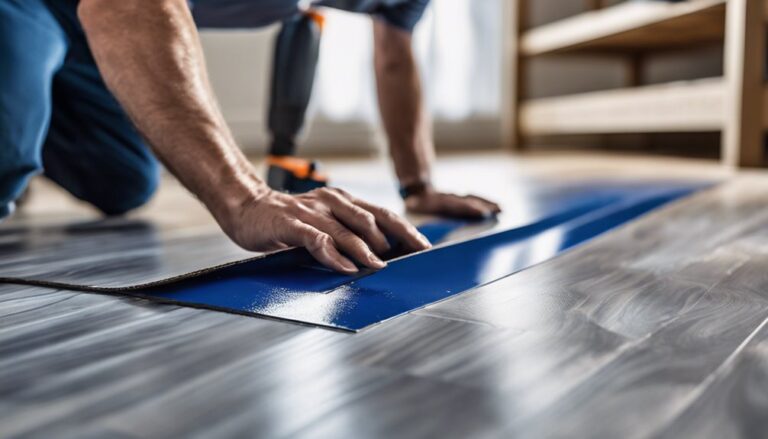

Yes, you can definitely paint linoleum floors! This cost-effective option allows you to refresh the look of your space without the hassle of a full renovation. To get started, guarantee proper surface preparation by cleaning and letting it dry completely. Choosing the right type of paint is essential—go for floor-specific options like acrylic or epoxy for durability. Apply the paint evenly, and don't forget a clear sealer for a long-lasting finish. With a few simple steps, your linoleum floors can look brand new. Discover more about the painting process and maintenance tips to keep your floors vibrant!
Understanding Linoleum Flooring
Linoleum flooring, often mistaken for vinyl, is a resilient and eco-friendly choice for many homes. Its history dates back to the mid-19th century when it was first created from natural materials like linseed oil, cork, and wood flour. This sustainable option not only offers durability but also a variety of styles to fit your aesthetic. There are different linoleum types, including sheet, tile, and click-lock, each providing unique benefits for your space. Sheet linoleum offers seamless installations, while tiles allow for creative patterns. Understanding these options helps you make informed decisions that align with your lifestyle. With linoleum, you're choosing a flooring solution that combines practicality and a commitment to sustainability, giving you the freedom to design your home as you wish.
Benefits of Painting Linoleum
While many homeowners may not realize it, painting linoleum floors can breathe new life into a space without the expense of a complete renovation. You can achieve a stunning aesthetic upgrade while enjoying significant cost savings. Instead of tearing out old flooring, a fresh coat of paint can transform dull, outdated linoleum into a stylish feature.
Here's how painting can benefit you:
| Benefit | Description | Impact |
|---|---|---|
| Cost Savings | Avoids expensive flooring costs | Increased budget flexibility |
| Aesthetic Upgrade | Customizable colors and designs | Enhanced home appeal |
| Quick Transformation | Fast application process | Minimal downtime |
| Eco-Friendly Option | Extends the life of existing floors | Reduces waste |
Embrace the freedom to express your style!
Preparing Your Linoleum Floors
Before diving into painting your linoleum floors, it is crucial to prepare the surface properly to guarantee the best possible results. Start with a thorough surface assessment; check for any damage like tears or bubbles that need fixing. Next, use effective cleaning techniques to remove dirt, grease, and grime. A mixture of warm water and a mild detergent works wonders, but make sure to rinse well and let it dry completely. If you're dealing with stubborn stains, try a gentle scrub or specialized cleaner. Once the floor is clean and dry, you'll have a solid foundation for your paint. Proper preparation is the key to ensuring your beautiful new finish lasts. So, roll up your sleeves and get started!
Choosing the Right Paint
When it comes to painting linoleum floors, selecting the right type of paint is essential for achieving lasting results. You'll want to choose paints specifically designed for floors, as they provide durability and adhesion. Additionally, proper surface preparation techniques will guarantee that the paint adheres well, giving you a beautiful finish that stands the test of time.
Types of Paint
Choosing the right paint for your linoleum floors is essential for ensuring a long-lasting finish. You'll mainly consider two types of paint: acrylic and epoxy. Acrylic paint is flexible and easy to apply, making it great for DIY projects. It dries quickly and is available in various colors. On the other hand, epoxy paint provides a durable, hard finish that's resistant to stains and moisture, ideal for high-traffic areas.
Here's a quick comparison:
| Type | Advantages | Disadvantages |
|---|---|---|
| Acrylic | Easy to apply, quick drying | Less durable |
| Epoxy | Highly durable, moisture-resistant | More complex application |
Surface Preparation Techniques
Getting the right paint is just the first step; surface preparation is key to achieving a smooth and lasting finish on your linoleum floors. Start with thorough surface cleaning to remove dirt, grease, and any wax. A clean surface guarantees better paint adhesion, so don't skip this vital step. Once it's clean, consider surface sanding. Lightly sand the linoleum to create a textured surface that helps the paint stick. You don't need to strip it down; just a gentle scuffing will do. After sanding, vacuum away any dust and wipe down the surface again. This prep work might seem tedious, but it's your ticket to a beautiful, durable finish that'll let your creative spirit shine through.
Step-by-Step Painting Process
Now that you've chosen the right paint, it's time to jump into the step-by-step painting process. First, you'll need to prepare the surface to guarantee the best adhesion, followed by applying your chosen paint. Finally, sealing the paint will help protect your newly transformed linoleum floor and keep it looking fresh for longer.
Prepare the Surface
Preparing the surface is essential for a successful paint job on linoleum floors. Start with thorough surface cleaning to eliminate dirt, dust, and grime. Use a mild detergent and water solution, scrubbing gently to avoid damage. Rinse and let it dry completely. Next, check for any stubborn adhesive left from old tiles or flooring. For adhesive removal, try using a putty knife or a commercial adhesive remover, following the manufacturer's instructions. After removing the adhesive, verify the area is smooth and clean. If needed, consider sanding any rough spots to create an even surface. This preparation sets the stage for a beautiful, long-lasting finish, giving you the freedom to enjoy your transformed space!
Choose the Right Paint
Once your linoleum floor is clean and smooth, selecting the right paint is the next step to guarantee a durable and attractive finish. You'll want to choose paint types specifically designed for vinyl flooring, like acrylic or specialized floor paint, as these provide the best adhesion and durability. Consider the finish, too—matte or glossy options can dramatically change the look of your space.
Next, think about color selection. Light colors can make a room feel larger and more open, while darker shades can add warmth and coziness. Don't forget to test sample colors in your space, as lighting can alter how they appear. With the right paint and colors, you'll be well on your way to a stunning new floor!
Apply and Seal
Get ready to transform your linoleum floors by following a step-by-step painting process that guarantees a professional finish. Start with paint application: use a high-quality brush or roller to apply your chosen paint evenly, working in small sections to avoid drips. Be sure to let the first coat dry completely before adding a second layer for a rich color. Once you've achieved the desired coverage, it's time to seal the deal. Choose appropriate sealing techniques, like a clear acrylic sealer, to protect your newly painted floors. Apply the sealer with a clean roller, ensuring even coverage. Allow it to dry thoroughly before walking on your floors. Enjoy your refreshed space, knowing you've released your creativity!
Tips for a Durable Finish
When aiming for a durable finish on your painted linoleum floors, it's essential to focus on proper preparation and the right materials. Start by cleaning the surface thoroughly to remove dirt and grease. Choose high-quality, water-based paint specifically designed for floors; these paints offer better adhesion and durability. When applying, use a roller for even coverage, and consider multiple thin coats rather than one thick layer. This guarantees stronger, more durable finishes. Don't forget to allow ample drying time between coats and finish with a clear polyurethane sealant for added protection. Finally, avoid heavy foot traffic for at least a week after painting to let the finish cure properly. With these tips, you can enjoy a vibrant, long-lasting floor!
Common Mistakes to Avoid
Achieving a beautiful painted linoleum floor can be rewarding, but it's easy to make mistakes along the way that could compromise your hard work. One of the most common pitfalls is skipping proper cleaning and preparation. If you don't thoroughly clean the surface, dirt and grime can interfere with paint adhesion, leading to peeling. Another frequent preparation mistake is neglecting to prime the floor first. A good primer creates a better bond with the paint, enhancing durability. Additionally, don't rush the drying process; impatience can lead to smudges and uneven surfaces. Finally, avoid using the wrong type of paint—always choose one specifically designed for linoleum to guarantee a long-lasting finish. Keep these tips in mind to achieve the freedom of a gorgeous, painted floor!
Maintenance After Painting
To guarantee your newly painted linoleum floor remains vibrant and intact, ongoing maintenance is essential. Start with post paint cleaning; gently sweep or vacuum to remove dirt and debris. Avoid harsh chemicals that could damage your paint. Instead, use a mild soap solution for mopping, ensuring you don't soak the floor.
For floor care, consider placing rugs in high-traffic areas to minimize wear. If you notice scuffs, a soft cloth can often work wonders. Regularly check for any peeling or bubbling, addressing issues early to prevent further damage. By keeping up with these simple steps, you'll enjoy your beautifully painted linoleum floor for years, maintaining that fresh look you love while embracing freedom in your space.
Frequently Asked Questions
Can I Paint Over Damaged Linoleum Floors?
If you're considering painting over damaged linoleum floors, it's essential to assess the extent of the damage first. You might need to use some repair techniques to fix any significant issues before painting. While painting can give your floors a fresh look, there are also several flooring options that might be more durable in the long run. Weigh the benefits of painting against these alternatives to guarantee you make the best choice for your space.
How Long Does Painted Linoleum Last?
When you paint linoleum, the longevity of the finish largely depends on durability factors like the type of paint used and foot traffic. Generally, a well-painted linoleum floor can last from three to five years. To maximize its lifespan, you should follow some maintenance tips: clean it regularly, avoid harsh chemicals, and consider applying a protective sealant. With care, you can enjoy your vibrant floors while embracing the freedom of a fresh, customized look!
Is It Safe to Paint Linoleum Floors Indoors?
Painting linoleum floors indoors can feel like dancing on a tightrope; it requires balance and caution. While it's generally safe, you need to be mindful of indoor air quality. Paint fumes can linger, so make sure you're in a well-ventilated space. Open windows and use fans to keep the air fresh. With proper precautions, you can transform your floors without compromising your comfort. Just remember to prioritize safety while releasing your creativity!
Will Painting Linoleum Floors Affect Their Texture?
Painting linoleum floors can indeed affect their texture. You might notice a slight change in feel after applying paint, especially if you use a thicker coating. For peak paint adhesion, it is crucial to prepare the surface properly; clean it thoroughly and consider using a primer. While you can achieve a fresh look, keep in mind that the new texture might differ from the original, so be ready for a unique finish!
Can I Use Leftover Wall Paint on Linoleum?
Did you know that 70% of homeowners are opting for DIY projects to refresh their spaces? If you're considering using leftover wall paint on linoleum, it's essential to assess wall paint compatibility first. Proper linoleum surface preparation is key; clean and lightly scuff the surface to guarantee better adhesion. While it's possible, results may vary, so testing a small area is smart before diving in. Enjoy experimenting with your unique style!