
Are you planning to give your floor a fresh, new look with tiles? Wondering how much it might cost?




You’re not alone. Many homeowners like you are curious about the expenses involved in tiling a floor. Whether you’re renovating your kitchen, bathroom, or any other space, understanding the costs can help you make informed decisions and avoid unpleasant surprises.
In this guide, we’ll break down the factors that influence the cost of tiling a floor. You’ll discover how different types of tiles, room sizes, and other elements can impact your budget. Keep reading to learn how to get the best value for your money without compromising on style or quality.
Factors Affecting Tile Costs
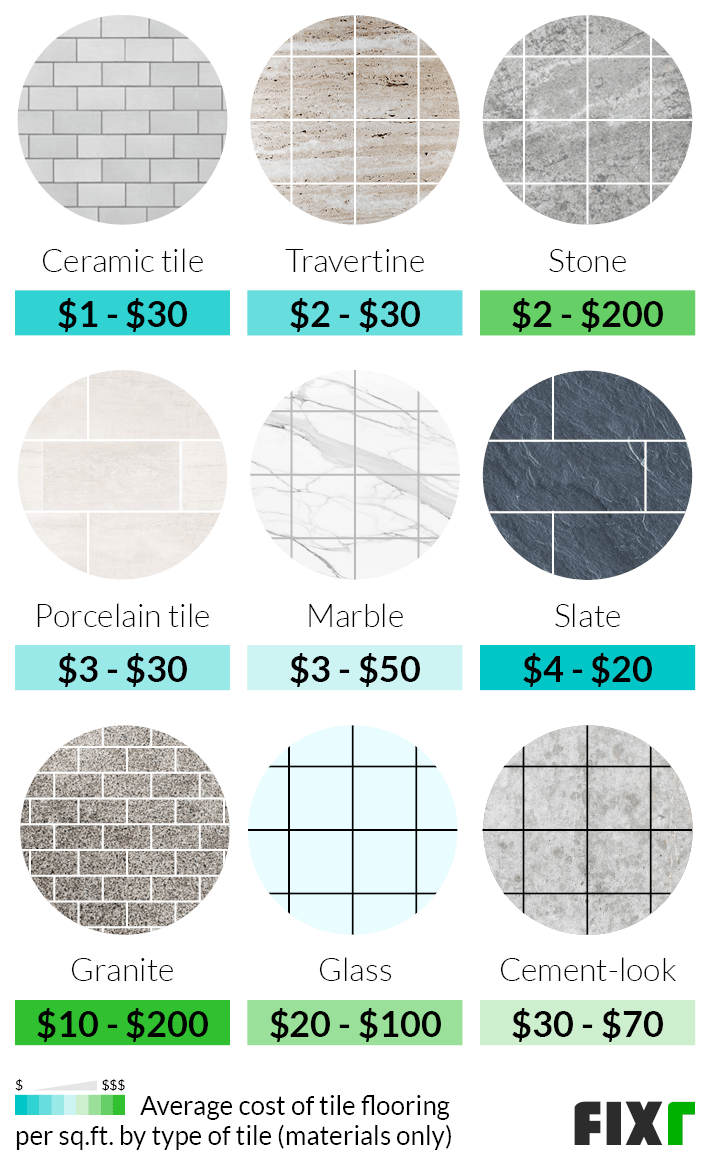
Tile material affects the cost a lot. Ceramic tiles are cheaper. Porcelain tiles cost more. Natural stones like marble and granite are the most expensive. Some tiles are more fragile. This means they break easily. Fragile tiles may need special care. Special care adds to the cost.
Bigger tiles cover more space. They might cost less per square foot. Smaller tiles can be more expensive. They need more grout and time to place. Odd-shaped tiles are also costly. They take time to arrange. Workers might need special tools.
Simple patterns are easy to install. They cost less. Complex patterns need more work. Workers must be very careful. Mistakes can happen. Fixing mistakes costs money. Patterns like herringbone and mosaic are tricky. They take time and skill.

Estimating Tile Quantity
Start by measuring the length and width of the floor. Use a tape measure for this task. Multiply the length by the width. This gives you the total floor area in square feet. Note down the measurements. You need them for buying tiles. Check your calculations twice. Errors can be costly.
Tiles can break during installation. Some tiles might not fit perfectly. It’s wise to buy extra tiles. Add 10% more tiles to your total. This covers breaks and mistakes. Always round up to the nearest box. This ensures you have enough tiles. Having extra tiles is a safety net.
Choosing Budget-friendly Tiles
Selecting tiles can be tricky. Many choices can confuse buyers. Prices vary greatly. Cheaper tiles may seem tempting. Yet, quality matters too. Poor quality tiles wear out fast. Spending more initially saves money later. Research is key. Find the best balance between cost and quality. Durable tiles last longer. They look good for years.
Some brands offer quality at low prices. Others charge more for premium tiles. Check reviews online. Speak with experts. Visit stores to compare. Touch and feel tiles. Notice differences in texture. Ask about warranties. Quality tiles often have better guarantees. Choose wisely. It affects your home’s look.
Tiles aren’t the only choice. Many people use vinyl. It’s cheaper and easy to install. It comes in many designs. Wood and stone are other options. They add elegance. Laminate is another choice. It mimics wood or stone. Often cheaper than real materials. Think about your budget. Decide based on your needs.
Diy Vs Professional Installation
Choosing between DIY and professional installation affects tiling costs. DIY might save money but requires skill and patience. Professional installation ensures quality and efficiency, often justifying the higher expense.
Benefits Of Diy Tiling
Save money with DIY tiling. You buy materials and tools. Learn new skills as you work. Flexibility in choosing tiles and design. Work at your own pace. Satisfaction from doing it yourself. Enjoyable for those who love projects. Bonding time with family or friends. Mistakes help you learn more. Creative freedom to make unique patterns. Control over the entire process.
Pros And Cons Of Hiring Professionals
Professionals are fast and efficient. They have experience and know techniques. Less stress with experts. Higher costs for hiring them. Quality work is often guaranteed. Time-saving for busy people. Peace of mind with less risk. Limited design choices sometimes. Reliability in meeting deadlines. Access to better tools and materials.
Saving On Tiling Accessories
Tiling a floor can be expensive, but smart choices on accessories can help cut costs. Opt for durable yet affordable tools and materials. Simple selections like basic spacers and adhesive can keep your budget in check without sacrificing quality.
Buying Grout And Adhesive In Bulk
Buying grout and adhesive in bulk can save money. Stores offer discounts for bulk purchases. It helps to buy more than needed. This prevents extra trips to the store. Also, check for sales and promotions. These can lower costs further. Sharing with a friend can also be a good idea. You both save money this way.
Using Cost-effective Tools
Using simple tools can save money. Basic tools work well for tiling. A manual cutter can be cheaper than a power tool. Borrowing tools from friends is another option. This saves money and space. Always take care of borrowed items. Return them in good condition. It helps keep friends happy.

Smart Shopping Strategies
Buying tiles during sales can save you a lot of money. Many stores offer big discounts at special times. Holiday sales and clearance events are great for finding deals. Check online stores for promo codes. These can give extra savings. Sign up for store newsletters. This way, you won’t miss any deals. Buying more tiles at once can also get you a discount. Some stores have bulk purchase offers. Always keep an eye on prices. Compare between different stores. This helps you get the best deal.
Local suppliers often have good prices for tiles. They can offer lower shipping costs. This saves you money. You can also see the tiles in person. This way, you know the quality before buying. Ask local shops about specials. They might have hidden deals. Supporting local businesses is good for your community. It also means faster delivery. No long waits for your tiles to arrive. Always ask for samples. Make sure the tiles are right for your floor.
Avoiding Common Pitfalls
Tile damage can be costly. Use a soft cloth to clean tiles. Avoid using hard brushes. They can scratch the surface. Moisture is another enemy. Always dry tiles after cleaning.
Heavy objects can crack tiles. Use felt pads under furniture. Rough handling can cause chips. Handle tiles with care. Proper installation also prevents damage. Always hire skilled workers.
Hidden costs can surprise you. Plan your budget carefully. Measure the area accurately. Buy 10% more tiles for future repairs. Choose quality materials. Cheap tiles break easily. Labor costs vary. Get quotes from different workers.
Also, check for extra charges. Some stores charge for delivery. Always ask before buying. Understanding costs helps you save money.

Frequently Asked Questions
What Factors Influence Floor Tiling Costs?
Several factors affect floor tiling costs. These include tile material, size of the area, and labor charges. Additional considerations are the complexity of the design and the condition of the existing floor. High-quality tiles and intricate designs tend to increase the overall cost.
How Can I Estimate Tiling Expenses?
To estimate tiling expenses, measure the area in square feet. Multiply by the tile cost per square foot. Add labor charges and any additional materials needed. Factor in potential costs for floor preparation and waste. This will give you a rough estimate.
Are There Hidden Costs In Floor Tiling?
Yes, hidden costs can arise during floor tiling. These may include floor preparation, removal of old flooring, and unexpected repairs. Additional expenses might occur due to design changes or extra materials. It’s wise to budget for these potential surprises.
How Long Does Floor Tiling Take?
The time to tile a floor depends on the area size and design complexity. Generally, a small room may take 1-3 days. Larger or intricate designs can require more time. Adequate drying and setting time is also necessary for a durable finish.
Conclusion
Choosing the right tile for your floor matters. Costs vary widely. Consider material, size, and installation. Small budgets can still find quality options. Research thoroughly before deciding. Ask for quotes from multiple installers. This ensures fair pricing. DIY can save money, but requires skill.
Factor in time and effort. Hiring professionals may cost more. Yet, it often guarantees quality results. Check warranties and guarantees on materials. This protects your investment. Plan carefully to avoid unexpected expenses. The right choice enhances home value and beauty.
Enjoy your new floor for years to come.