
When you’re considering new flooring for your home, you might find yourself puzzled by the various options available. One popular choice is laminate flooring, known for its durability and aesthetic appeal.




But, have you ever wondered how thick laminate flooring actually is? Understanding the thickness of laminate flooring is crucial because it influences not only the feel underfoot but also its longevity and performance. By grasping the nuances of laminate thickness, you can make informed decisions that enhance the comfort and beauty of your home.
You’ll discover why thickness matters and how it impacts everything from noise reduction to insulation. As you delve deeper, you’ll gain insights that will empower you to choose the perfect flooring solution tailored to your needs. Don’t miss out on the chance to transform your living space with the perfect laminate flooring. Keep reading to unravel the secrets behind its thickness and what it means for you and your home.
Laminate Flooring Basics
Laminate flooring is made from four main layers. The bottom layer is the backing. It helps keep the floor stable. The next layer is the core. This is the thickest part. It’s made from wood fibers and resin. On top of that is the decorative layer. This shows the design or pattern. Finally, there is a wear layer. This protects the floor from scratches and damage.
The layers are pressed together under high pressure. Heat is used too. This makes the laminate strong and durable. A special coating is added to the top. This gives the floor its shine and resistance. The pieces are then cut to size. They are ready to be installed in homes and buildings.
Standard Thickness Options
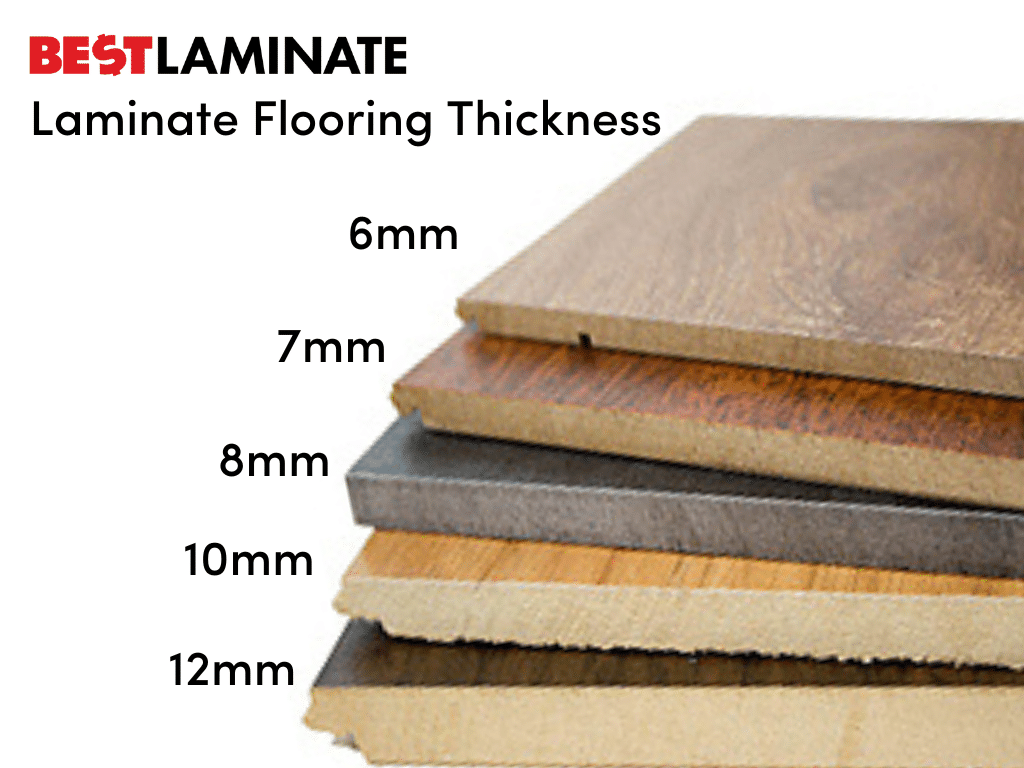
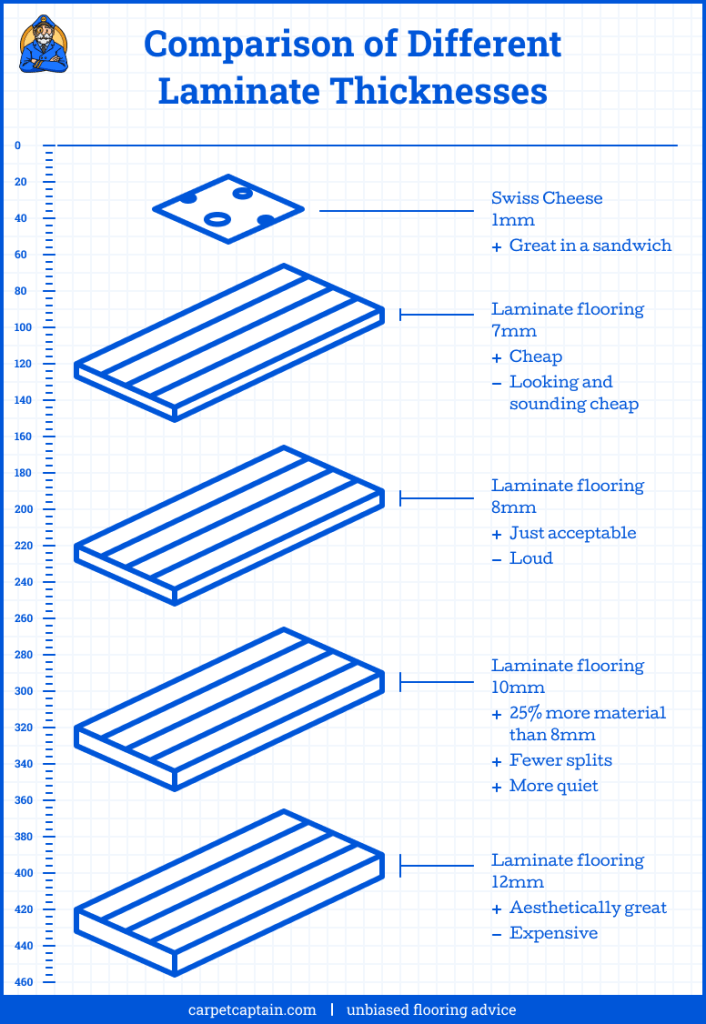
Thin laminate is 6 to 8 millimeters thick. It is lightweight and easy to install. This type suits low-traffic areas like bedrooms. Thin laminate is budget-friendly. But it can wear out faster. Not ideal for high-traffic spaces.
Medium thickness ranges from 8 to 10 millimeters. It provides better durability. Works well in living rooms and hallways. Medium thickness offers a balance between cost and strength. It also absorbs sound better than thin types.
Thick laminate is 10 to 12 millimeters or more. It feels solid underfoot. Great for busy homes with pets and kids. This type reduces noise and lasts longer. Thick laminate is often used in commercial spaces.
Factors Influencing Thickness Choice
Durable floors last longer. Thicker laminate is more durable. It can handle more wear. Thin floors may scratch easily. Pets and kids need strong floors. If your home is busy, choose thicker floors.
Thicker laminate helps with noise. It reduces sound between rooms. Quiet floors are nice. Thinner floors are louder. If sound matters, pick thicker laminate. It makes homes peaceful.
Subfloor condition matters. Uneven floors need thicker laminate. It covers flaws well. Smooth subfloors can use thinner laminate. Check your subfloor before choosing. It impacts your decision.
Impact On Installation
Laminate flooring is easy to install. Most pieces click together. You don’t need glue or nails. This makes it a great choice for beginners. Thicker boards can be trickier to handle. But they feel more sturdy. They might need extra cutting. So, think about your tools before starting.
Good tools make work easier. A saw helps with cutting. Use measuring tape for accuracy. Safety goggles keep eyes safe. Knee pads protect knees. Techniques matter too. Start from one corner. Work across the room. Keep each piece aligned. This makes the floor look neat.
Underlayment is important for laminate flooring. It helps with sound. It keeps floors warm. Underlayment can make floors last longer. Choose the right type. Foam is popular. It feels soft underfoot. Thicker laminate needs stronger underlayment. Be sure to check it before buying.
Cost Implications
Laminate flooring thickness affects cost. Thicker options often mean higher prices due to increased durability and soundproofing. Consider your budget while choosing the right thickness for your needs.
Price Variations By Thickness
Thicker laminate flooring often costs more. Thicker options can look nicer and last longer. Thinner options are usually cheaper. Thicker floors may feel more like real wood. This can add to their value. Price differences can depend on the brand. Some brands offer better deals on thicker flooring. Thicker floors might have extra features. These can include better soundproofing. Buyers should think about their budget. Thicker floors might save money in the long run.
Long-term Value
Thicker laminate floors often last longer. They can handle more wear and tear. Durability can mean fewer replacements. Fewer replacements save money. Thick flooring can also look better. It can add value to a home. Homeowners often choose thicker floors for this reason. These floors can also feel warmer and softer. This can make walking more comfortable.
Aesthetic Effects
Laminate flooring can look like real wood. It has many colors and patterns. Some look like oak or pine. Others mimic cherry or maple. The designs are made with photographs. These are placed under a clear layer. This way, they don’t wear off easily. The floors can also have a shiny or matte finish. You can choose what suits your home best.
The feel of laminate flooring is very important. Some floors feel smooth when you walk on them. Others have a grainy texture. This can make them feel like real wood. You can also find floors with a stone feel. They might be used in kitchens or bathrooms. Each texture gives a different look and feel to the room.
Maintenance And Longevity
Laminate flooring thickness directly influences its durability and lifespan. Typically ranging from 6 to 12 millimeters, thicker options offer better noise insulation and resistance to wear. Regular care, such as cleaning and protective measures, enhances its longevity, ensuring it remains a practical and attractive choice for years.
Cleaning Practices
Regular cleaning keeps laminate flooring shiny and fresh. Use a soft broom to remove dust and dirt. A damp mop can help with sticky spots. Avoid soaking the floor. Water can harm the floorboards. Mild soap is safe for cleaning. Strong cleaners might damage the surface. Dry the floor after mopping to prevent stains.
Wear And Tear Resistance
Laminate flooring is tough and resists scratches. It handles busy homes with ease. Furniture pads can protect the floor from scratches. High heels can leave marks, so walk carefully. A rug in high-traffic areas can help too. Laminate floors can handle spills if cleaned quickly. They can last many years with proper care.

Frequently Asked Questions
How Thick Is Laminate Flooring Generally?
Laminate flooring typically ranges from 6mm to 12mm in thickness. Thicker options are often more durable and provide better sound insulation. The choice depends on the level of foot traffic and the desired feel underfoot.
Does Thicker Laminate Flooring Last Longer?
Yes, thicker laminate flooring tends to last longer. It offers better durability and stability, especially in high-traffic areas. Thicker layers can also provide improved resistance to impacts and wear.
Is Thicker Laminate Flooring More Expensive?
Generally, thicker laminate flooring is more expensive. It offers enhanced durability and comfort, which often justifies the higher cost. Pricing can vary based on brand and additional features like water resistance.
Can Thickness Affect Laminate Flooring Installation?
Yes, thickness can impact installation. Thicker laminate may require additional preparation, such as leveling the subfloor. It might also affect the height of doors and transition pieces in your home.
Conclusion
Laminate flooring thickness varies to suit different needs. Thicker options offer more durability. They can handle heavy foot traffic. Thinner types might suit less busy areas. It’s essential to consider room use. Thickness impacts comfort and sound. Thicker floors reduce noise.
They offer a solid feel underfoot. Budget also plays a role in choosing thickness. Thicker laminate often costs more. But, it can provide better longevity. Always balance cost and quality. Measure your needs carefully before buying. Choose wisely for your home.
Laminate flooring is versatile. It enhances any space beautifully.