

Uneven floors can be more than just an eyesore; they can impact your home’s value and safety. Have you ever tripped over a gap in your floor or noticed a chilly draft seeping through?


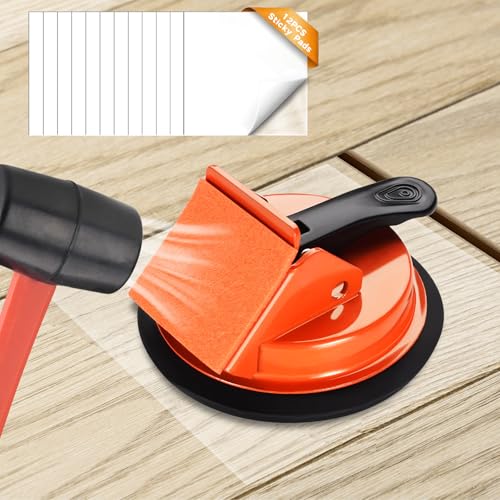

These gaps might seem minor, but they can lead to bigger issues down the road. Imagine inviting guests over, only to have them stumble on the uneven surface. It’s not just embarrassing; it’s preventable. Fixing these gaps can restore your home’s beauty and safety.
You deserve a home that feels comfortable and looks flawless. This guide will walk you through simple and effective solutions to close those pesky gaps and enhance your living space. Stay with us to discover how you can transform your floors from flawed to fabulous.
Identifying Floor Gaps
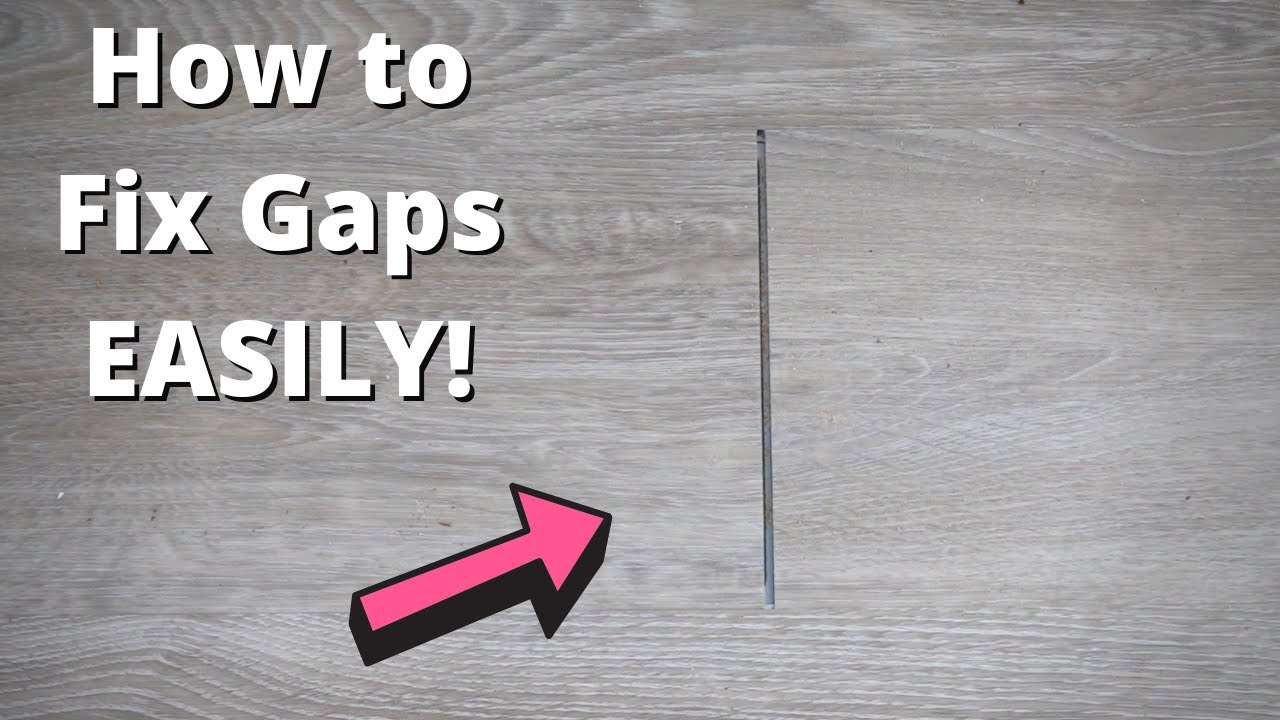
Floor gaps can happen for many reasons. Wood can shrink in cold weather. This is common in winter. Humidity can make wood expand in summer. Poor installation can also cause gaps. Boards may not fit well together. Foundation shifts can make gaps appear. These shifts move the floor, causing gaps. Age is another factor. Old floors may naturally have gaps.
Structural problems can cause floor gaps. Look for uneven floors. This can mean deeper issues. Cracks in walls are signs too. Check for doors that stick or won’t close. These are signals of trouble. Sagging floors are not normal. They need a closer look. Noise when walking is another sign. Floors should be quiet and steady.
Tools And Materials Needed
You will need a hammer to tap things into place. A tape measure helps you see how big the gaps are. A putty knife is good for spreading filler. Get a saw to cut wood pieces. Sandpaper smooths rough spots. A vacuum cleans up dust.
Wood filler fills small gaps. Wood strips or shims can fill bigger spaces. Glue helps pieces stay put. Nails hold wood tight. Wood stain matches the floor color. For a shiny finish, use varnish.
Preparing The Floor
Start by removing dust and dirt. Use a soft broom or vacuum. Ensure all dirt is gone. Check for stains on the floor. If stains are present, use warm water and mild soap. Avoid using harsh chemicals. They might damage the floor. Rinse the area well. Let it dry completely. A clean surface helps the filler stick better. This step is crucial.
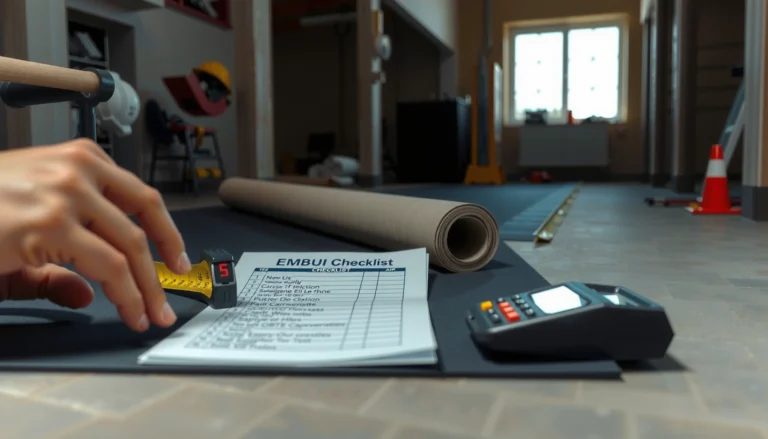
Floors need to be dry before fixing gaps. Moisture can cause floorboards to swell. Use a moisture meter to check levels. This tool is easy to use. Press it against the floor. If levels are high, wait until the floor is dry. Humidity can affect the filler. Accurate assessment is key to fixing gaps properly. Prevent future problems by checking moisture.

Filling Small Gaps
Wood filler is great for tiny gaps. First, clean the gap. Dust and dirt can stop the filler from sticking. Choose a filler that matches your floor color. Apply with a putty knife. Press firmly to fill the gap completely. Smooth the surface with the knife. Let it dry for several hours. Check the instructions on the product. You might need to sand the area when dry. This makes it smooth.
Caulk is good for small gaps. Use a caulking gun for easy application. Clean the gap before starting. Cut the tip of the caulk tube. Make a small hole. Squeeze the gun gently. Fill the gap slowly. Use a damp cloth to smooth the surface. Let it dry completely. It will take a few hours. Check the package for drying time.
Repairing Large Gaps
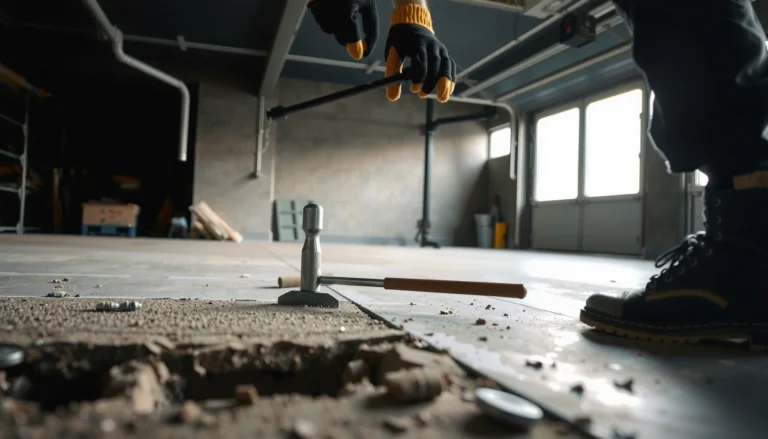
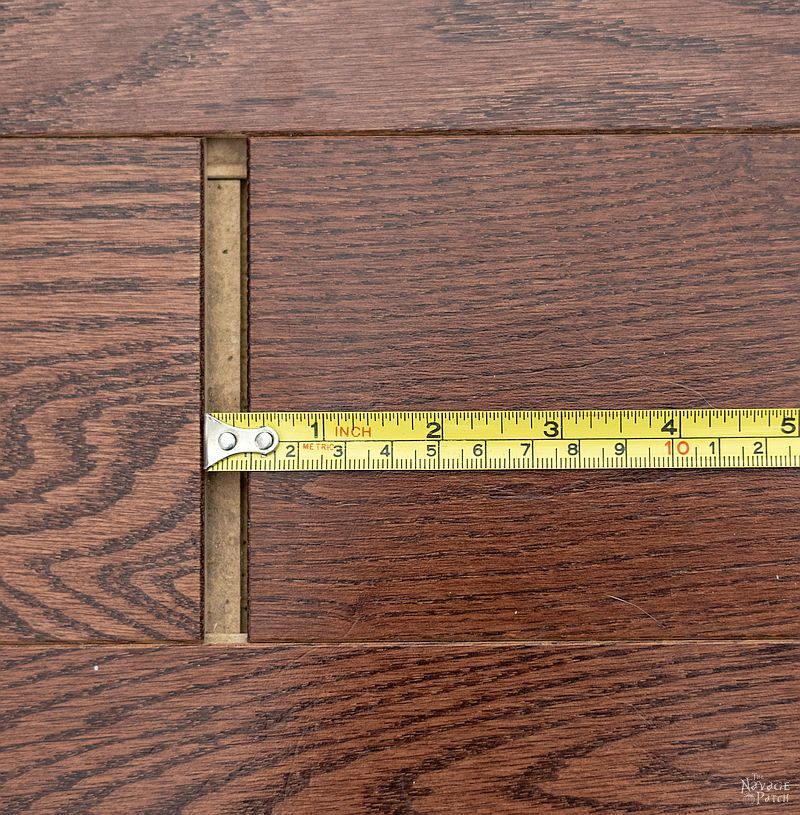
Wood slivers can help fill large gaps in your floor. First, measure the gap carefully. Cut wood slivers to fit the gap size. Use a hammer to tap the slivers into the gap gently. Ensure they fit snugly. Apply wood glue to hold them in place. Let the glue dry completely. Sand the area until it is smooth. This will make the floor look even. Finally, apply a finish to match the floor color. This method is simple and effective for large gaps.
Rope filler is another option for fixing gaps. Choose a rope that fits the gap width. Push the rope into the gap. Use a putty knife to press it down. Make sure the rope is tight. Apply wood glue on top of the rope. Allow it to dry fully. Sand the surface until it is even. Add a wood finish to match the floor. This method is quick and easy for filling gaps.
Preventive Measures
Floors can have gaps because of changes in humidity. Keeping the room’s air at the right level is important. Use a humidifier in dry months to add moisture. In wet months, a dehumidifier helps to reduce moisture. This balance keeps the floor stable. Wood floors like steady conditions. Avoid big changes in temperature too. The floor will thank you.
Clean floors with a soft broom or vacuum. Avoid water spills. If water spills, wipe it up fast. Check the floor often for any signs of wear. Tighten loose boards with nails or screws. Little checks save trouble later. Regular care keeps the floor looking good. It’s easy and helps a lot.
When To Consult A Professional
Consult a professional when floor gaps become too large or uneven. Expertise ensures proper assessment and repair. This prevents further damage and maintains safety.
Recognizing Severe Issues
Severe issues like sagging or large gaps need attention. Sometimes floors may creak loudly. This can signal deeper problems. Cracks may appear wider than a coin. Such signs indicate the need for expert help. Professionals use special tools to inspect floors. They can identify hidden damage. Ignoring severe issues may cause more damage. Safety risks may also increase. Early detection is very important.
Benefits Of Professional Help
Professionals can fix floors quickly and safely. They have the right tools. They know the best methods to repair floors. Fixing floors alone can be tricky. Experts prevent further damage by using proper techniques. They provide long-lasting solutions. This can save money in the long run. Professionals also ensure floors are safe to walk on. Their expertise is valuable for complex issues. Hiring a professional can ease worries.
Frequently Asked Questions
How Do You Fix Gaps In Wooden Floors?
To fix gaps, clean and fill them with wood filler. Sand the area for a smooth finish. For larger gaps, consider using a wood sliver. Always seal the repaired area to prevent future issues. Consistent maintenance helps in keeping floors gap-free.
Why Do Gaps Appear In Floorboards?
Gaps occur due to changes in humidity and temperature. Wood expands and contracts with moisture variations. This natural movement leads to gaps over time. Proper installation and regular maintenance can help minimize these changes and keep floors stable.
Can Humidity Cause Floor Gaps?
Yes, humidity changes can cause gaps in floors. Wood expands in high humidity and contracts when it’s dry. This fluctuation creates gaps over time. Maintaining consistent indoor humidity levels can help prevent this issue and ensure long-lasting floors.
What Tools Are Needed To Fix Floor Gaps?
Basic tools include a chisel, hammer, and wood filler. For larger gaps, a saw and wood slivers may be needed. Sandpaper is essential for a smooth finish. Always have a sealant handy to protect the repaired area from future damage.
Conclusion
Fixing floor gaps can improve your home’s look and safety. These easy steps make it doable. First, identify the type of gap. Then, choose the right solution. Use wood filler for small gaps. Opt for strips or caulk for larger gaps.
Regular checks prevent future issues. Proper maintenance keeps floors neat and secure. This task may seem tough, but it’s manageable. With patience, you can achieve great results. Your home will feel more comfortable and look better. Enjoy a seamless floor today!