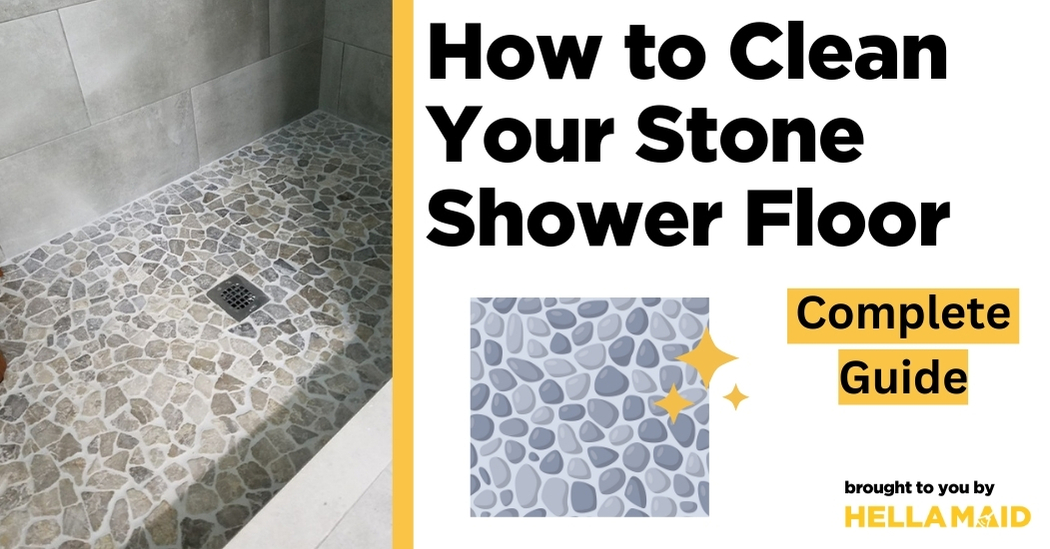

Are you tired of seeing your beautiful stone shower floor lose its luster? Do you find yourself wondering how to restore its natural beauty without damaging it?
You’re not alone. Many people struggle with maintaining the pristine condition of their stone shower floors. The good news is, with the right approach, you can keep yours looking as stunning as the day it was installed. In this guide, you’ll discover the secrets to effectively cleaning your stone shower floor, using techniques and tips that are both simple and safe.
Imagine stepping into a shower that not only feels refreshing but also looks immaculate every time. Ready to transform your shower experience? Let’s dive into the steps that will make your stone floor shine like new.
Materials Needed
Cleaning a stone shower floor is simple with the right tools. Gather a soft-bristle brush to scrub the floor gently. Use a pH-balanced cleaner safe for stone surfaces. A bucket is handy for mixing solutions. Microfiber cloths help dry the floor without scratching it. Always wear gloves to protect your hands. A squeegee can remove excess water quickly. These tools make cleaning easy and safe for the stone.
Preparing The Area
First, make sure the shower is empty. Remove all bottles and items. This helps you clean better. Next, use a dry cloth to wipe away dust. Keep the area dry before cleaning. This stops water spots from forming.
Lay down towels around the shower. They will catch any spills. This keeps the floor outside the shower clean. Open a window or turn on a fan. Fresh air helps dry the area faster.
Gather all your cleaning tools. You will need a brush and gentle cleaner. Always read the cleaner’s instructions. Some cleaners can damage stone.
Daily Maintenance Routine
Keeping your stone shower floor clean is simple with daily care. Use a gentle cleaner and soft brush to remove soap scum and mineral deposits. Rinse thoroughly with warm water to prevent stains and maintain its natural beauty.
Quick Rinse
Rinse the stone shower floor every day. Use warm water to remove soap residue. Make sure to cover all areas. This helps to prevent stains. The water should flow evenly across the surface. It is important to rinse the corners well. Dirt can hide in small spaces. Quick rinsing keeps the floor fresh.
Drying The Floor
After rinsing, dry the floor with a soft cloth. This stops water spots from forming. Water spots can make the floor look old. A clean towel works best. Gently wipe the surface until dry. Pay attention to the edges of the floor. These areas often collect water. Keep the cloth clean and dry. A dry floor stays beautiful and safe.
Deep Cleaning Steps
Stone floors need special care. Choose a cleaner made for stone. Avoid harsh chemicals. They can harm the stone. Look for pH-neutral cleaners. They are gentle on the stone. Read labels carefully.
Use a soft brush for scrubbing. Hard brushes can scratch stone. Scrub in small circles. This helps remove dirt well. Don’t scrub too hard. It can damage the stone. Take your time.
Rinse with warm water. It helps remove soap. Make sure all soap is gone. Water should be clear. Check every part of the floor. Dry the floor with a towel. Avoid leaving water on the stone. Water stains can appear.
Tackling Stubborn Stains
Mix baking soda and water to make a paste. Rub the paste on the stain. Wait for 10 minutes. Rinse with warm water. Vinegar works too. Spray vinegar on the stain. Wait for 5 minutes. Scrub gently and rinse.

Sealing The Stone
Cleaning a stone shower floor requires gentle care. Use a mild detergent and soft brush to avoid scratches. Rinse thoroughly and dry to prevent mold. Regular maintenance keeps stone beautiful and long-lasting.
When To Seal
Stone shower floors need sealing every 6 to 12 months. Water can damage the stone. The sealer acts as a protective layer. This keeps the stone safe. Check the stone. If water does not bead up, it’s time to seal.
How To Apply Sealer
First, clean the floor. Use a mild cleaner and water. Let it dry completely. Next, apply the sealer with a brush or sponge. Follow the instructions on the sealer bottle. Ensure full coverage. Let it dry for several hours. Avoid using the shower during this time.
Preventive Measures
Stone floors need special care. Harsh chemicals can harm them. Use mild soap and water for cleaning. Natural cleaners are safer. They keep the stone shiny and strong. Never use bleach or acidic cleaners. These can cause damage. Always read labels before using any cleaner.
Check the stone floor often. Look for cracks or stains. Catching problems early is good. Wipe away water spots. Dry the floor after each shower. This keeps it clean and fresh. Regular care makes the floor last longer.
Troubleshooting Common Issues
Cleaning a stone shower floor can be tricky due to soap scum and mineral deposits. Use a gentle stone cleaner and a soft brush to scrub the surface without damaging it. Rinse thoroughly with water to keep your stone floor looking great.
Dealing With Mold And Mildew
Mold and mildew are tricky. They love damp places. Use a mixture of vinegar and water. Spray on the floor. Let it sit for 15 minutes. Scrub with a soft brush. Rinse well with warm water. Dry the area with a towel. Open windows to let air in. Repeat if needed.
Addressing Etching And Scratches
Etching makes the stone look dull. Scratches can damage it. Use a stone cleaner. Apply it with a soft cloth. Rub gently in circles. Buff the area with a clean cloth. Check the surface for improvement. Avoid harsh chemicals. They can make scratches worse. Regular cleaning helps prevent damage.

Frequently Asked Questions
How Often Should I Clean Stone Shower Floors?
Cleaning stone shower floors weekly helps prevent soap scum and mold buildup. Regular maintenance ensures the stone retains its beauty and durability. Use gentle cleaning products suitable for stone surfaces. Avoid acidic cleaners as they can damage the stone and affect its appearance.
What Tools Are Best For Cleaning Stone Floors?
Use a soft-bristle brush or microfiber cloth for cleaning stone floors. These tools are gentle and effective at removing dirt. Avoid abrasive scrubbers that can scratch the surface. A squeegee can help remove excess water and prevent water spots.
Can I Use Vinegar On Stone Shower Floors?
Avoid using vinegar on stone shower floors. Vinegar’s acidity can damage stone surfaces, leading to dullness and etching. Opt for pH-neutral cleaners designed for stone. These cleaners are gentle and effective, maintaining the stone’s natural sheen and strength.
How Do I Prevent Mold On Stone Shower Floors?
Ensure proper ventilation to prevent mold on stone shower floors. After each use, dry the floor with a towel or squeegee. Regular cleaning with suitable stone cleaners helps keep mold at bay. Consider using a dehumidifier in the bathroom for extra moisture control.
Conclusion
Cleaning a stone shower floor is simple with the right steps. Regular care keeps it looking fresh and new. Use mild cleaners to avoid damage. A soft brush removes dirt gently. Rinse well to prevent residue build-up. Dry the floor to stop water spots.
Routine cleaning saves time and effort. Stone floors need gentle handling. They add charm to your bathroom. Clean them carefully to maintain their beauty. Follow these steps for a clean, inviting shower. Keep your stone floor shining with ease. Enjoy a spotless shower every day!