
Uneven floors can disrupt the harmony of your home. They are not just a cosmetic issue; they can impact your comfort and safety.
Have you ever tripped unexpectedly or struggled to place furniture evenly? You’re not alone. Many homeowners face this challenge and might feel overwhelmed about where to start. This article is here to help you tackle the problem head-on. Imagine walking across your living room without the fear of stumbling.
Picture your furniture standing perfectly aligned. Fixing uneven floors is easier than you think, and by the end of this article, you’ll have the confidence to make your floors smooth and safe. Ready to transform your space? Let’s dive in and find out how you can fix those uneven floors once and for all.
Causes Of Uneven Floors
Foundation problems often lead to uneven floors. Cracks in the foundation can cause shifts. This makes the floor uneven. A weak foundation cannot support the house. This leads to floor problems. Regular inspections can help spot these issues. Fixing foundation problems early is important.
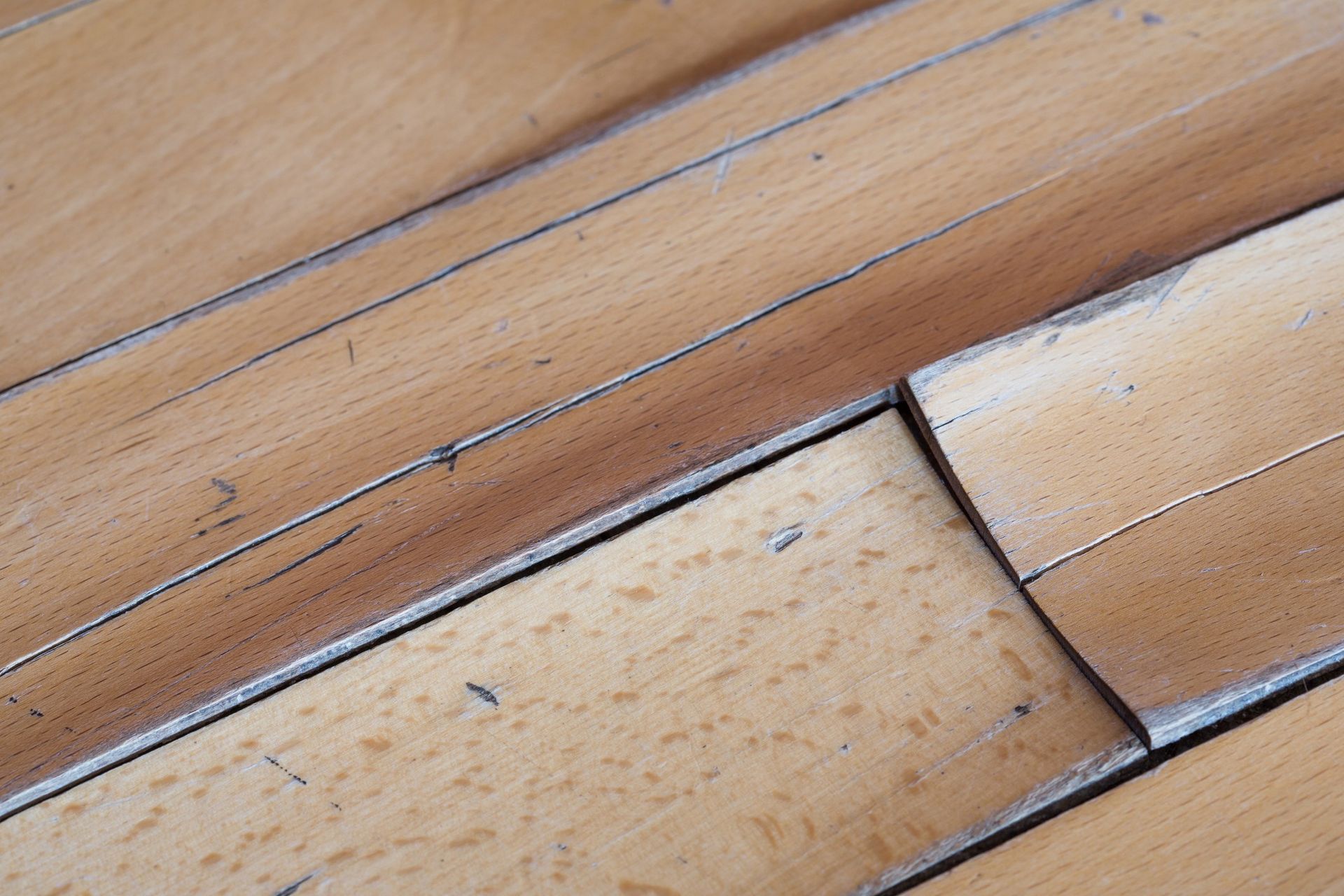
Excess moisture can damage floors. Wood floors absorb moisture. They warp and bend when wet. This causes uneven surfaces. Plumbing leaks and high humidity increase moisture. Keeping floors dry is crucial. Use a dehumidifier to reduce moisture. Check for leaks often. Fix them quickly to avoid damage.
Buildings settle over time. This can cause structural shifts. These shifts make floors uneven. Heavy furniture can also cause shifts. It puts pressure on the floor. Even small shifts affect the floor level. Regular checks help detect shifts early. Moving heavy items can prevent these shifts.
Assessing The Floor Condition
Look for bumps or dips on the floor. Walk slowly and feel for changes. Use a marble to check the slope. Place it on the floor and see if it rolls. Check corners and edges for gaps. Use a level tool for a precise check. A flashlight can help find shadows in low areas. Note all problem spots.
Have the right tools ready. A level tool is essential. A measuring tape helps check distances. Use a marble for quick checks. Flashlights are good for dark spots. A notepad is handy for notes. Keep a camera for pictures. This helps remember problem areas.
Safety is very important. Wear safety glasses to protect your eyes. Use gloves to keep hands safe. Ensure good lighting to see clearly. Avoid tripping hazards. Keep the area clean. Tell others you are working there. Stay safe always.
Simple Diy Fixes
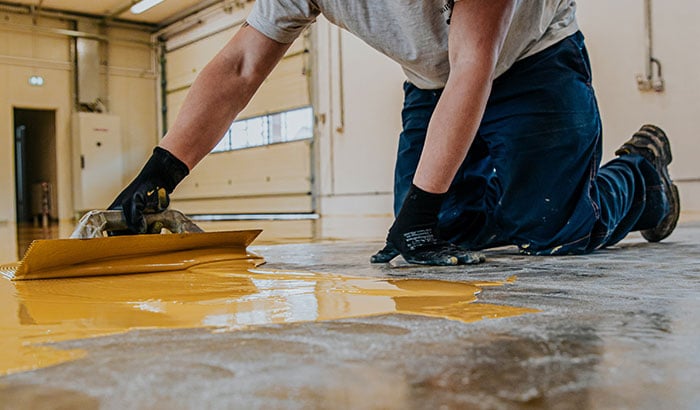
Self-leveling compound is a quick fix. It flows over uneven spots. Mix the compound with water. Pour it on the floor. Spread it with a tool. Let it dry. The floor will be even. It’s easy and fast. This method is best for small areas.
Floor underlayment can hide floor bumps. It acts as a cushion. Lay it under the main floor. It makes the surface smooth. Underlayment also reduces noise. It’s great for homes with kids. Simple and practical.
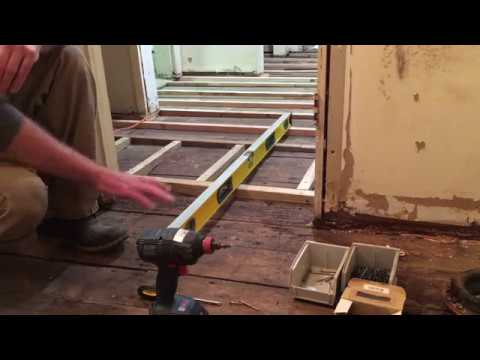
Floor joists need adjustment sometimes. They support your floor. Use a jack to lift them. Then, add shims to hold them. This makes the floor even. It’s a strong fix. Works well for bigger problems.
Advanced Repair Techniques
Sistering floor joists helps strengthen floors. It involves adding a new joist next to the old one. This method makes the floor sturdier. Use nails or screws to attach the joists. Ensure they are tightly secured. This technique can fix uneven floors. It’s also good for damaged joists. Always check for water damage before starting. A strong joist will support heavy weight. This is important for safe floors.
Shimming is simple and effective. It fills gaps under floorboards. Use thin pieces of wood called shims. Shims help level the floor. Place them where the floor dips. Secure them to keep in place. This helps even out small bumps. Shims are easy to find at stores. Make sure to choose the right size. This technique is budget-friendly. It’s good for minor floor issues.
Damaged subflooring can cause problems. Replace it to fix uneven floors. First, remove old flooring. Check the subfloor for damage. Cut out damaged areas. Use new boards to replace them. Secure the new boards tightly. This prevents future issues. Make sure the new subfloor is level. This keeps the floor even. Always use quality materials. They last longer and keep floors safe.
Preventing Future Issues
Uneven floors can cause problems if not fixed promptly. Regular inspections help identify issues early. Addressing these concerns can prevent further complications. Simple solutions often include leveling compounds or adjusting floor joists. Keep floors smooth and safe by tackling uneven spots quickly.
Improving Drainage
Strong drainage helps keep floors even. Water can damage floors. Ensure gutters are clean. Make sure they direct water away. Install a drainage system if needed. Place downspouts at least three feet from the home. This keeps water far from the foundation.
Regular Maintenance Tips
Regular checks can catch problems early. Look for cracks or dips in floors. Clean gutters to prevent water buildup. Inspect floors every few months. Repair small issues quickly. This stops bigger problems later. Use good quality sealants for repairs.
Monitoring Moisture Levels
Moisture can cause floors to shift. Keep humidity low inside the home. Use a dehumidifier if needed. Check for leaks in pipes. Fix leaks right away. Monitor basement and crawl spaces. These areas often have moisture problems. Keep them dry to protect floors.
Tools And Materials Needed
Hammer and screwdriver are basic tools. Use them to remove old nails. A level is important. It helps find uneven spots. Measuring tape helps measure the floor area. A saw is used to cut wood. A drill makes holes for screws. Keep these tools handy.
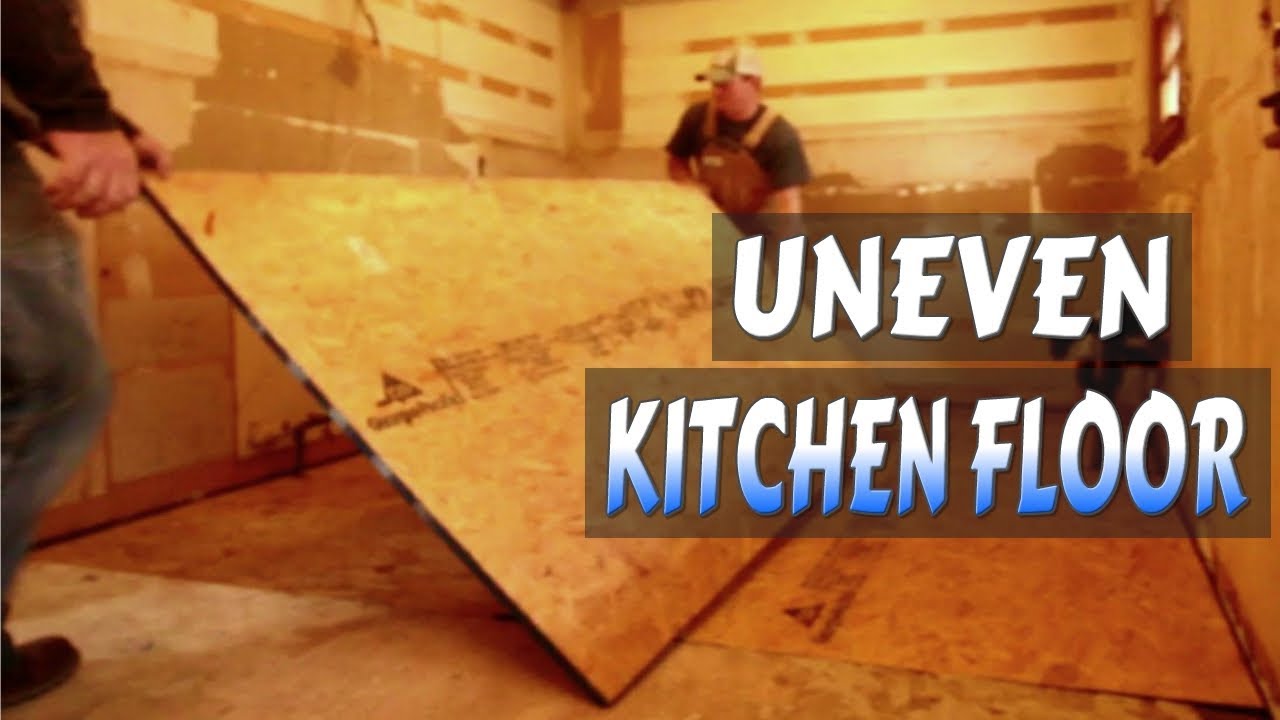
Plywood is cheap and strong. It works well for floors. Self-leveling compound fills gaps easily. Concrete can be used for a solid base. Wood planks are good for covering floors. Nails and screws hold everything together. Choose materials that fit your budget.
Safety goggles protect your eyes. Gloves keep hands safe. Dust masks help breathe clean air. Knee pads protect when kneeling. Wear closed-toe shoes to keep feet safe. Always use ear protection when it’s loud. Safety first, always.
When To Call A Professional
Uneven floors can mean big problems. Cracks in the floor or walls are a sign. Doors and windows that don’t close right also hint at issues. A professional can check for these. They have special tools and skills. It’s important to act fast. Waiting can make the problem worse.
Fixing floors can cost money. Professionals charge for their time and skills. But ignoring problems can cost more. Small fixes are cheaper than big repairs. Budget for both parts and labor. Ask for a quote before starting work. This helps you plan.
Experts know what to do. They fix floors right. Their work lasts a long time. They find hidden problems too. This keeps your home safe. You save time and stress. They also have the right tools. This makes the job quick and easy.
Frequently Asked Questions
What Causes Uneven Floors?
Uneven floors can result from various factors like settling foundations, water damage, or poor construction. Over time, these issues can worsen, affecting the structural integrity of your home. It’s crucial to identify the underlying cause to implement the right solution and prevent further damage.
How Can I Level Uneven Floors?
To level uneven floors, start by identifying the cause. Depending on the issue, solutions may include self-leveling compounds, shims, or structural repairs. Hiring a professional can ensure the problem is correctly diagnosed and resolved, safeguarding your home’s stability.
Are Uneven Floors Dangerous?
Yes, uneven floors can pose safety risks. They can cause tripping hazards and may indicate structural problems. Addressing the issue promptly can prevent accidents and further damage. Regular maintenance and inspections can help detect problems early and ensure your home’s safety.
Can Uneven Floors Affect Home Value?
Uneven floors can negatively impact your home’s value. Potential buyers may view them as a sign of underlying structural issues. Addressing these problems before selling can improve your home’s marketability and ensure you receive a fair price.
Conclusion
Fixing uneven floors can be straightforward with the right approach. Identify the cause first. Check moisture levels and structural damage. Use leveling compounds for minor issues. Consider professional help for complex problems. Regular maintenance keeps floors even. Repairing floors enhances safety and comfort.
It also boosts your home’s appeal. Don’t rush the process. Take time to ensure quality results. Proper tools and techniques are essential. A smooth, even floor is within reach. Follow these steps for success. Your home deserves a solid foundation.
Enjoy your beautiful, level floors!