
Picture this: You’ve just finished painting your living room walls. The color is perfect, and you’re feeling proud.
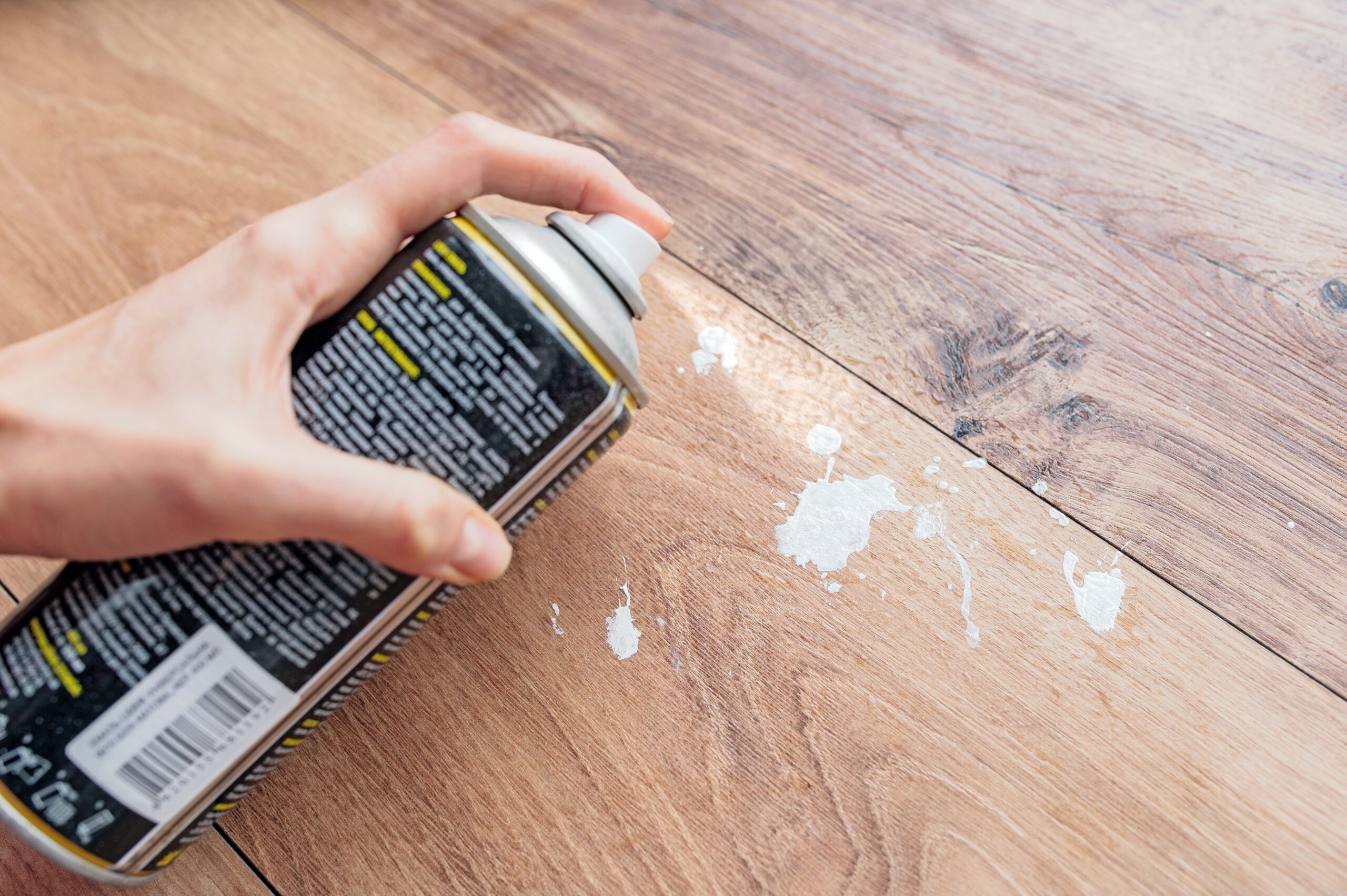
But as you step back to admire your handiwork, your heart sinks. There are paint splatters on the floor! If you’ve ever been in this situation, you’re not alone. Removing paint from the floor can be daunting, but it doesn’t have to be.
You might feel a mix of frustration and urgency, but don’t worry. This article is your guide to restoring your floor’s pristine look without the stress. By the end, you’ll know exactly how to tackle those stubborn stains, ensuring your space looks just as you envisioned. Let’s dive in and rescue your floor from the clutches of unwanted paint marks.
Types Of Paint And Their Challenges
Water-based paint is common in homes. It’s easy to clean with soap and water. But once it dries, it can be tough to remove. Warm water often helps soften the paint. A plastic scraper can gently lift the paint off the floor. Be careful not to scratch the surface.
Oil-based paint is durable and shiny. Removing it can be tricky. It needs a special paint thinner or mineral spirits. These can have strong smells. Always work in a well-ventilated area. Use a soft cloth to rub the paint gently.
Acrylic paint dries fast. It can be hard to get off surfaces. Warm, soapy water works well if the paint is fresh. For dry paint, use a special acrylic remover. Be sure to test a small area first to avoid damage.
Essential Tools And Materials
Use gentle cleaners for paint spills. Vinegar mixed with water works well. Soap and water can remove fresh paint. For tougher stains, try rubbing alcohol. Always test in a small area first.
Plastic scrapers are safe for most floors. Metal blades work on hard surfaces. Be careful not to scratch the floor. Gently lift paint with the edge of the scraper.
Wear gloves to protect your hands. Safety goggles keep your eyes safe. Old clothes are best when cleaning paint. Stay safe while removing paint.
Preparing The Area
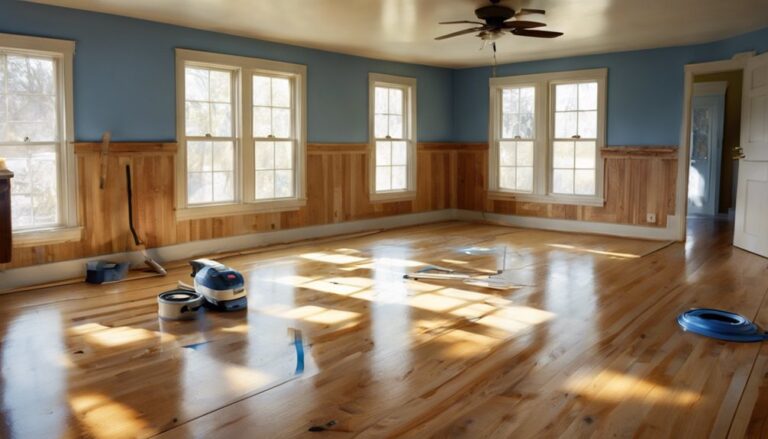
Remove all furniture and items from the room. This makes cleaning easier. Look for any loose items. Put them away safely. Keep the space clear. This helps prevent accidents. A clean space is easier to work in.
Open windows to let in fresh air. Fresh air keeps you safe. Paint fumes can be strong. A fan can help too. Keep the room airy. Breathing clean air is important. It keeps you healthy.
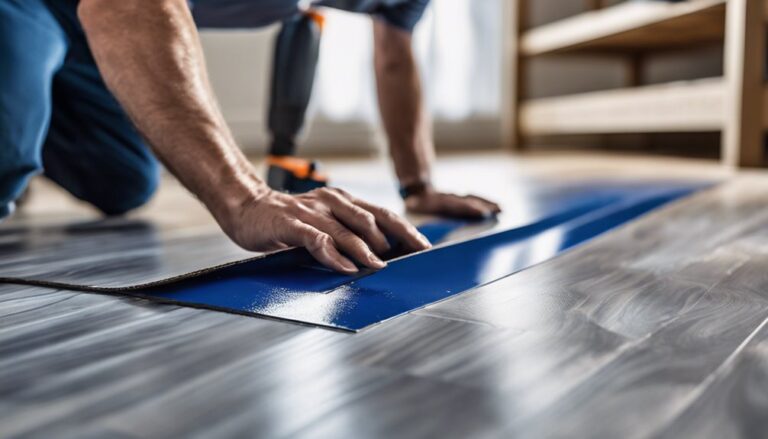
Use drop cloths or old sheets. Cover the entire floor area. This protects the floor from paint. Tape the edges to keep them in place. Make sure there are no gaps. A well-protected floor stays clean.
Removing Fresh Paint
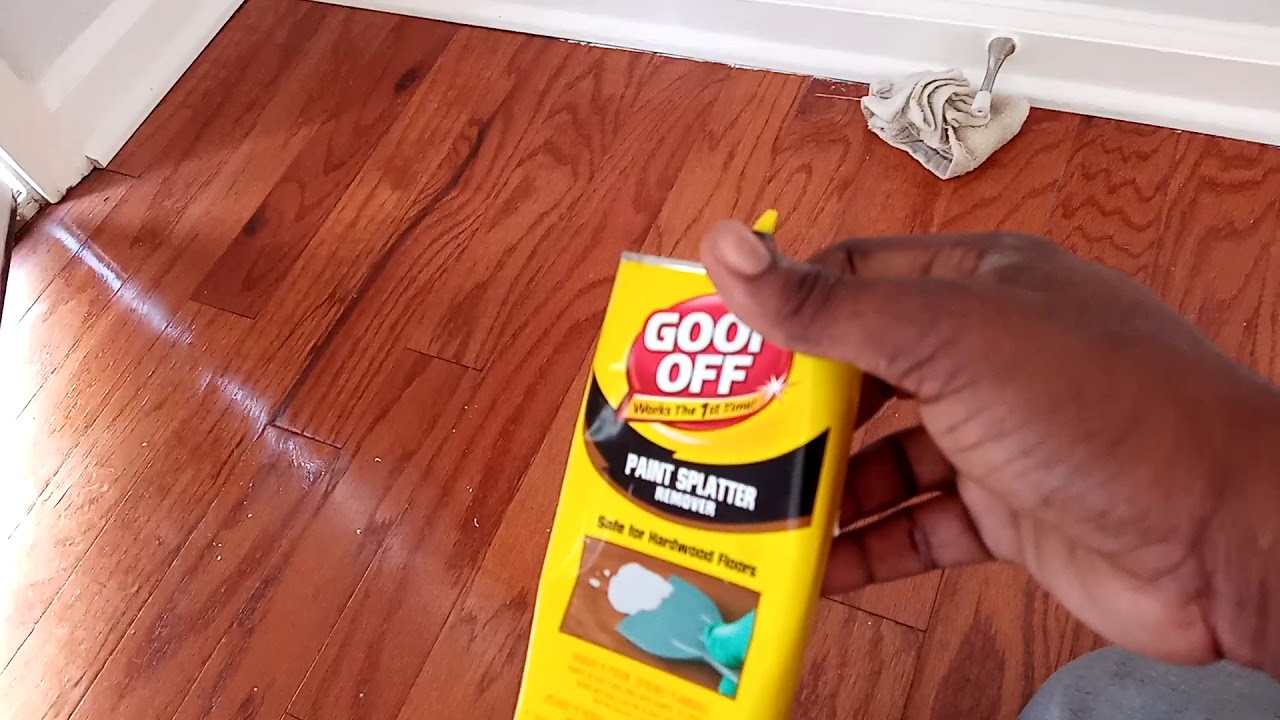
Fresh paint spills need quick action. Use a clean cloth to blot the area. Press gently. This helps in absorbing the paint. Avoid rubbing. Rubbing can spread the paint more. Change the cloth if it becomes soaked. Keep blotting until most of the paint is gone. Blotting works best for small spills. Larger spills may need more effort. Always start from the outside and move in. This keeps the paint from spreading.
Mild detergents can help remove paint. Mix detergent with warm water. Dip a cloth in the solution. Gently scrub the painted area. Scrub in small circles. This helps lift the paint. Rinse the cloth often. This removes paint from the cloth. Repeat until the paint fades. Mild detergents are safe for most floors. Test on a small area first. This ensures the detergent won’t damage the floor.
Dealing With Dried Paint
Use a hairdryer to heat dried paint. Warm air softens the paint. Hold the dryer close but not too close. Test the paint with a fingernail. It should feel soft. Scrape gently with a plastic scraper. Be careful not to damage the floor. Repeat if the paint is still hard. Patience is key.
Chemical strippers help remove tough paint. Wear gloves to protect your skin. Ventilate the area well. Apply a small amount on the paint. Let it sit for a few minutes. Scrape the paint with a plastic scraper. Wipe the area clean. Rinse with water. Follow safety instructions on the label.
:strip_icc()/Bhg-cleaning-paint-from-hardwood-01-2594_0-4UUHL9qQa8oXsYOCJvXZ-c9c0bb36279843b68d02adb318b0163b.jpg)
Natural Cleaning Methods
Vinegar is a great cleaner. It can remove paint from floors. Mix equal parts of vinegar and water. Use a cloth to rub the solution on the paint. Let it sit for five minutes. The vinegar helps to loosen the paint. Scrub gently with a brush. Rinse with clean water.
Baking soda is a powerful cleaner. Make a paste with baking soda and water. Apply the paste to the paint spot. Leave it for a few minutes. The baking soda starts to break down the paint. Use a soft brush to scrub the area. Wipe with a damp cloth. Repeat if needed until the paint is gone.
Protecting Different Floor Types
Use a soft cloth to blot the paint. Avoid using water as it can damage the wood. A gentle cleaner can help if the paint is dry. A plastic scraper can remove stubborn spots. Work slowly to protect the wood surface.
Tiles are more durable than wood. Use warm soapy water to clean them. Avoid harsh chemicals to prevent damage. For linoleum, use a mild cleaner. A soft brush can help scrub off the paint gently.
Blot the paint with a damp cloth. Do not rub as it may spread. Use a carpet cleaner for stubborn stains. A gentle brushing can help lift the paint. Let the carpet dry naturally after cleaning.
Preventing Future Spills
Cleaning paint spills promptly prevents future mishaps. Use a damp cloth for wet paint. For dried stains, a gentle scraper or mild solvent works best.
Using Drop Cloths
Always use drop cloths when painting. They keep the floor safe. Choose cloths that are thick and durable. Make sure to cover every inch of the floor. Tape the edges to prevent slipping. This helps in avoiding paint messes. Cloths can be reused many times. They save time and effort in cleaning.
Quick Clean-up Tips
Clean spills right away. Use a damp cloth to wipe the paint. For dried paint, use a scraper gently. Avoid scratching the floor. Apply a small amount of cleaner if needed. Rinse with water to remove cleaner. Dry the area with a towel. This prevents stains and damage.
When To Call A Professional
Extensive damage can occur when paint spills on the floor. Large spills might seep into cracks. This can harm the floor beneath. Professionals have the right tools for this job. They can remove paint without causing more damage. They also have experience with different floor types.
Specialized flooring needs extra care. Some floors are made from special materials. Marble, hardwood, or tiles can be tricky. Professionals know how to handle these materials. They use safe methods to protect the floor. This ensures no harm comes to the flooring.
:strip_icc()/Bhg-cleaning-paint-from-hardwood-11-2639_89Yk9gHS4YgB6XY1koJn9m-09f080b08dcb4bb1830ec1b18276d743.jpg)
Frequently Asked Questions
What Tools Remove Paint From Floors?
Use a plastic scraper, vinegar, or commercial paint remover. Avoid metal tools to prevent scratching. Always test a small area first. Ensure the room is ventilated if using chemical removers. These methods help effectively lift paint without damaging the floor surface.
Can Vinegar Clean Paint Stains Off Floors?
Yes, vinegar can help remove paint stains. Mix vinegar with warm water for better results. Apply the mixture to the stain, let it sit, then scrub gently. Vinegar is a natural cleaner, making it safe for most floor types.
Is Heat Effective For Removing Paint Spills?
Heat can soften paint for easier removal. Use a hairdryer or heat gun, but avoid overheating. Once softened, gently scrape away the paint. This method works well for dried-on spills, making the paint pliable and easier to lift off.
Does Baking Soda Work On Paint Stains?
Yes, baking soda can aid in paint removal. Mix baking soda with water to form a paste. Apply this paste to the stain and scrub with a cloth. Baking soda acts as a mild abrasive, helping to lift paint without damaging surfaces.
Conclusion
Removing paint from floors doesn’t have to be a headache. Use simple tools and methods for great results. Start with gentle cleaners for light stains. Try stronger solutions for stubborn spots. Always test a small area first. Protect your floors with mats or covers during painting.
Regular maintenance prevents paint buildup. Keep your cleaning supplies handy. A clean floor brightens any room. Enjoy a fresh space with a little effort. These tips help keep your floors spotless. Now, tackle those paint stains with confidence. Your floors will thank you.
Happy cleaning!