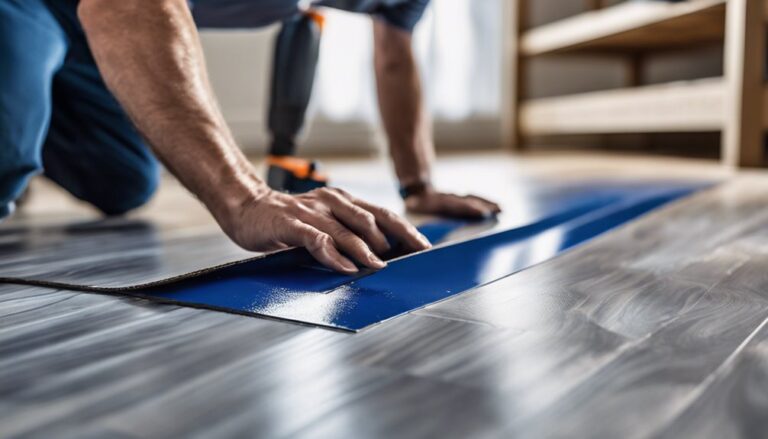

Are you planning to upgrade your floors with vinyl flooring that comes with an attached pad? You might be wondering if you still need an underlayment.
This is a common question that can make a big difference in the comfort and durability of your new floor. Making the right decision now could save you time, money, and hassle in the long run. You’re just a few steps away from ensuring your flooring project is a success.
By understanding the role of underlayment, you can create a living space that’s both beautiful and functional. Stick with us as we explore the benefits and potential pitfalls, helping you make the smartest choice for your home.
Understanding Vinyl Flooring With Pad
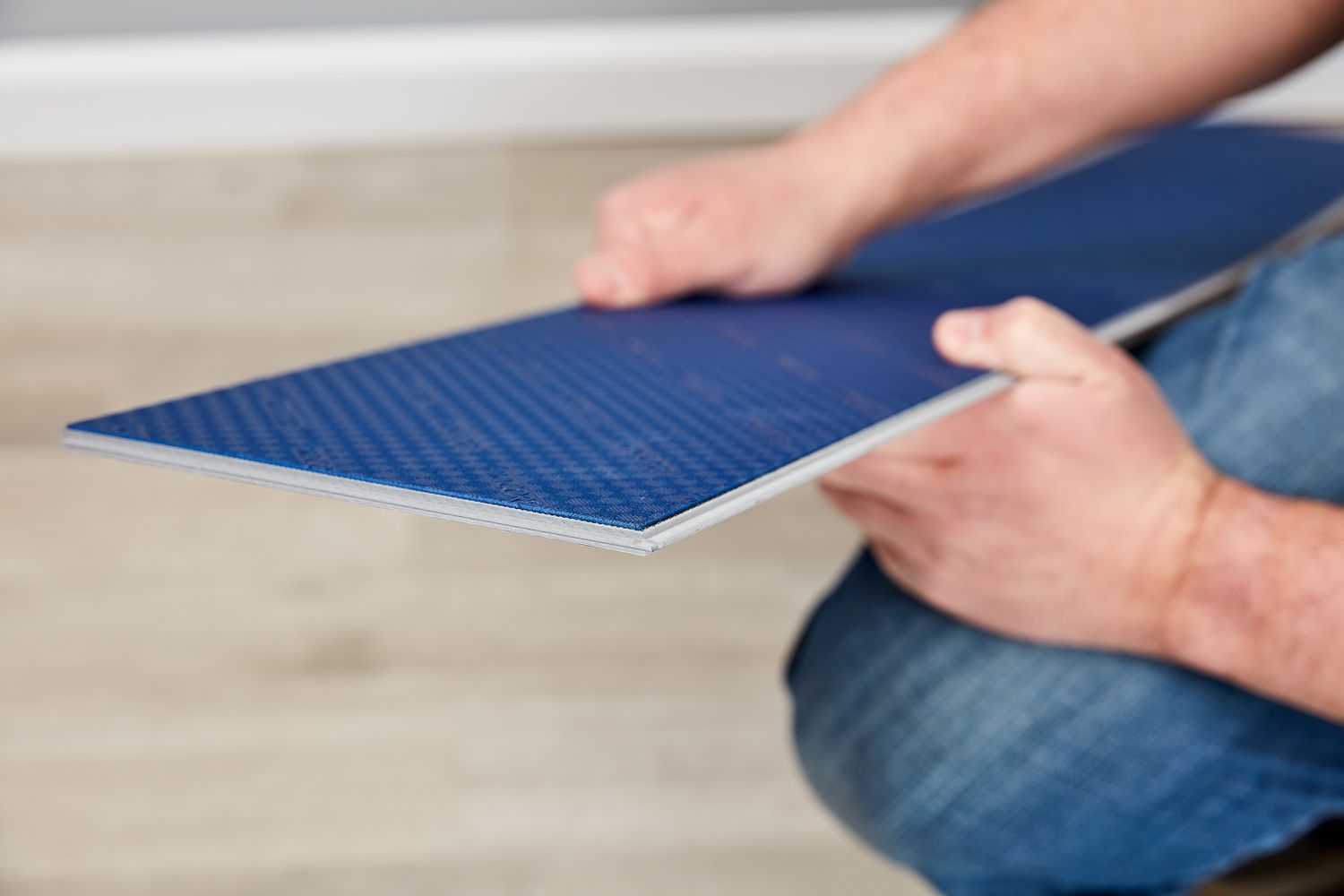
Vinyl flooring with an attached pad offers comfort. The pad provides extra cushioning. It makes the floor feel soft. This type of vinyl floor is also easy to install. It saves time during setup. The pad is already on the vinyl. So, less work is needed.
This type of flooring also helps with noise reduction. The pad absorbs sound. Your home becomes quieter. It’s good for homes with kids. It also keeps the floor warmer. No more cold feet in winter.
Vinyl with a pad is water-resistant. Spills are easy to clean. The floor stays nice for a long time. This makes it a great choice for many homes.
Role Of Underlayment
Underlayment acts as a cushion under your floor. It offers extra support and comfort. For vinyl floors with attached pads, the need for underlayment is less. The attached pad already provides some benefits. Yet, using an underlayment can help in special cases.
Noise reduction is a big reason to use underlayment. It helps keep your home quiet. Another reason is moisture protection. Underlayment can block water from the floor. This is good for areas like basements. It also helps with uneven surfaces. It makes the floor smooth and safe to walk on.
Benefits Of Using Underlayment
Underlayment helps to make floors quieter. It absorbs sounds. No more noisy footsteps. Peaceful homes.
Underlayment keeps water away. Protects floors from damage. Prevents mold and mildew. Floors stay dry and clean.
Walking feels better with underlayment. Floors are softer. Feet are happier.
When Underlayment Is Unnecessary
Vinyl flooring with an attached pad often doesn’t need extra underlayment. The pad offers sound reduction and comfort. It also provides moisture protection. Installing more layers can cause problems. It may raise the floor height too much. This can affect doors and cabinets. Always check the flooring guidelines. They explain when underlayment is not needed.
The pad is already part of the vinyl. It has several features. It cushions the floor. It reduces noise. It blocks moisture. Adding more layers can be wasteful. It may cost extra money. Always look at the product details. They help in deciding the need for underlayment.
Subfloor quality is important. It should be smooth and dry. No big cracks or holes should be present. If the subfloor is bad, repairs are needed. A good subfloor means no need for underlayment. This saves time and effort. Checking the subfloor before installing is wise.
Factors To Consider
Type of Subfloor matters a lot. Wood and concrete are common. Wood might need extra care. Concrete is tough and smooth. Each subfloor is different. Some need extra layers. Others do not.
Installation Environment can change things. Wet places need protection. Dry areas might not. Basements can be tricky. Living rooms are easy. Kitchens and bathrooms need special care.
Budget Considerations are important. Extra layers cost more. Basic setups save money. Think about the long term. Spending more now can help later. Choose wisely.
Installation Tips
Considering vinyl flooring with an attached pad? Underlayment might still be needed for added stability and soundproofing. Evaluate your subfloor condition to determine if extra underlayment benefits your specific installation needs.
Preparing The Subfloor
The subfloor must be clean and smooth. Remove any dirt, dust, or debris. Check for any cracks or holes. Fill them to make the surface even. A good subfloor helps the vinyl stick well. Also, it makes the floor last longer.
Choosing The Right Underlayment
Not all vinyl needs underlayment. Some vinyl has a pad attached. If the floor is uneven, an underlayment might help. Choose one that fits your floor type. It’s also good for soundproofing. It makes the floor quieter to walk on.
Laying The Vinyl Flooring
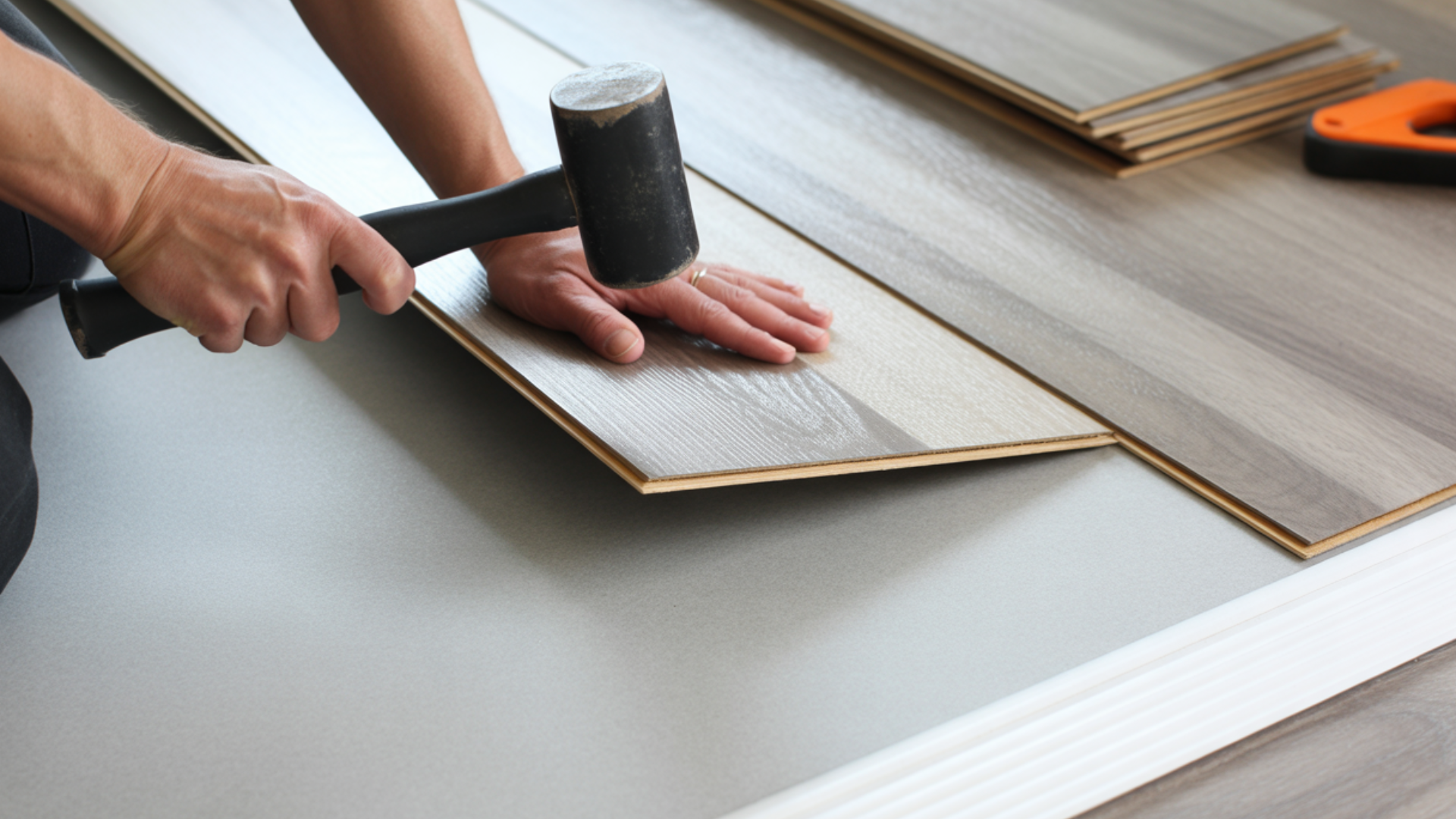
Start from the corner of the room. Lay the first piece down. Make sure the edges align well. Press it firmly to the floor. Continue with the next piece. Cut the last piece to fit the space. Make sure there are no gaps.
Common Mistakes To Avoid
Choosing vinyl flooring with an attached pad can simplify installation. Yet, skipping underlayment could lead to uneven surfaces or moisture issues. Evaluate the floor’s specific needs to ensure a smooth finish and long-lasting durability.
Ignoring Subfloor Imperfections
Small bumps or cracks can be a big problem. These imperfections in the subfloor might seem minor, but they aren’t. They can cause vinyl flooring to wear out quickly. Uneven surfaces can also make the floor look bumpy. Smoothing out the subfloor is essential. Use a levelling compound to fix this. A smooth base ensures the floor lasts long. It also looks better. Always check the subfloor before installing vinyl. This step saves time and money in the long run.
Choosing Incorrect Underlayment
The right underlayment is crucial for vinyl floors. Not all underlayments work well with attached pads. Some are too thick or too soft. This can lead to a floor that feels unstable. Pick an underlayment that matches the floor type. It should be thin and firm. This provides support and comfort. Reading the product instructions helps. They often suggest the best underlayment. This choice keeps the floor steady and safe.
Faqs On Vinyl Flooring And Underlayment
Underlayment is not always needed for vinyl with an attached pad. The attached pad often provides comfort and sound reduction. It can also help with minor subfloor imperfections. But some floors may still need underlayment. This depends on the subfloor type and manufacturer’s recommendations. Always check the installation guide.
Yes, underlayment can make floors more comfortable. It adds cushioning underfoot. It also helps in reducing noise. This is important in busy homes. But remember, too much cushioning can harm the floor. Always use the right type.
Underlayment can protect against moisture. It acts as a barrier. Moisture can damage floors. Especially in basements or areas with water. Always choose an underlayment designed for moisture protection. This can extend the life of your floor.

Frequently Asked Questions
Is Underlayment Necessary For Vinyl Flooring With Attached Pad?
Underlayment is generally not needed for vinyl with an attached pad. The built-in pad provides cushioning and sound absorption. However, if your subfloor is uneven, an additional underlayment may be beneficial. Always check the manufacturer’s guidelines for specific recommendations.
What Are The Benefits Of Underlayment?
Underlayment offers sound absorption, moisture protection, and added comfort. It can also help to smooth out minor subfloor imperfections. While vinyl with an attached pad provides some benefits, underlayment can enhance the floor’s performance and lifespan.
Can Underlayment Improve Insulation?
Yes, underlayment can improve insulation in your home. It helps to reduce heat loss through the floor. This can result in lower energy bills and a more comfortable living environment. Always choose underlayment that is compatible with your flooring type.
Does Underlayment Affect Vinyl Flooring Durability?
Underlayment can enhance the durability of vinyl flooring. It provides a stable base and reduces wear and tear. This can extend the lifespan of your flooring. However, be sure to select the right underlayment for your specific type of vinyl flooring.
Conclusion
Choosing vinyl flooring with an attached pad simplifies installation. This option often eliminates the need for extra underlayment. Great for saving time and money. Ensure the floor is even and clean for best results. Check your manufacturer’s guidelines for specific instructions.
Some floors may require underlayment for moisture barriers. Consider your home’s needs and conditions. Proper installation can enhance your floor’s durability. Make informed choices for long-lasting beauty. Enjoy your new flooring with peace of mind and comfort.