
Imagine this: You walk into a room and instead of the soft purrs and gentle meows you love, you’re greeted by a pungent smell and a suspicious wet spot on the floor. Frustrating, right?
You’re not alone. Many cat owners face the challenge of dealing with their feline friends peeing outside the litter box. It’s more than just an inconvenience; it can lead to permanent damage and stress in your home. But don’t worry—there’s hope! In this guide, we’re going to dive deep into the possible reasons behind your cat’s behavior and offer practical solutions that can bring peace back to your household.
Discover the tips and tricks that could transform your living space and restore harmony between you and your pet. Keep reading to uncover the secrets to solving this common problem once and for all!
Identify The Cause
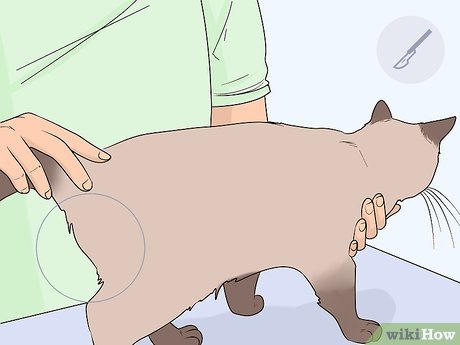
Cats might pee on the floor due to medical problems. A common issue is a urinary tract infection. This can cause pain when they pee. Bladder stones can also be a problem. Kidney disease is another cause. If a cat has any of these problems, a vet visit is a must. Early care can help your cat feel better.
A cat might pee on the floor if it feels unhappy. Changes at home can upset them. A new pet or family member can cause stress. Cats can also mark their place by peeing. They do this to feel safe. Give them love and toys to play with. This may help them calm down.
Sometimes, the cat’s space is not comfy. The litter box might be dirty. They might not like the litter type. Loud noises can scare them. Keep their area clean and quiet. Make sure the box is in a good place. This can help stop them from peeing on the floor.

Litter Box Management
Litter boxes should be in a quiet place. Cats like privacy when they go. Keep the box away from loud appliances. No one likes to be disturbed. Avoid placing it near food bowls. Cats prefer their eating area clean.
A clean box makes cats happy. Scoop the litter daily. Remove clumps and waste. Wash the box weekly with mild soap. Avoid strong smells. Cats have sensitive noses. Fresh litter keeps the box inviting.
Some cats are picky about litter. Try different types to find the best. Clumping litter is easy to clean. Avoid scented types if your cat sneezes. Soft litter can be gentle on paws. Offer a variety to see what your cat likes.
Behavioral Training
Reward your cat for using the litter box. Give a small treat or a gentle pet. Cats love feeling appreciated. Praise helps them learn faster. Always keep treats nearby. Repeat this every time they use the litter box.
Never scold your cat for accidents. It makes them scared. Redirect them to the litter box instead. Use a calm voice. Clean accidents right away. This removes any smell. Cats dislike strong scents.
Place deterrents in areas where your cat pees. Aluminum foil can work. Cats dislike the sound it makes. Use citrus scents too. Cats find them unpleasant. Ensure the litter box is clean. Cats prefer tidy spaces.

Environmental Adjustments
Cats can feel stress easily. Loud noises and sudden changes upset them. Create a calm environment at home. This helps to keep them happy. A happy cat is less likely to pee on the floor. Play soft music or use a white noise machine. These can be comforting for your cat.
Safe spaces are important for cats. A cozy bed or a special room works well. Make sure they have a quiet place to retreat. It helps them feel secure and relaxed. A relaxed cat will use the litter box more often. Provide scratching posts and toys for entertainment.
New pets can be stressful. Introduce them slowly to your cat. Let them sniff each other from a distance. Gradually increase their time together. Use treats to encourage good behavior. This helps them become friends. A peaceful home is a happy home.
Consulting A Veterinarian
Cats can pee on the floor for many reasons. Stress or health issues might be the cause. If your cat is doing this often, it’s a sign. Call the vet if it happens more than once. It’s important to act fast. Your vet can help find the problem.
Vets may suggest some tests. A urine test can check for infections. Blood tests can also find other issues. These tests help the vet understand what’s wrong. It’s a good idea to follow the vet’s advice.
Treatment depends on the cause. Medicine might help if your cat is sick. Diet changes can also make a difference. Some cats need special food. The vet might suggest behavioral therapy too. This can help reduce stress for your cat.
Professional Training Assistance
A cat behaviorist knows why cats act out. They help understand your cat’s needs. Their advice can stop bad habits. You learn the best ways to make your cat happy. This can save your furniture and reduce stress at home. It creates a better bond between you and your pet. Everyone stays happy.
Many training programs are fun. They teach your cat to use a litter box. You learn how to reward good behavior. Simple steps work best for cats. Small changes can show big results. A program offers support and guidance. It’s a team effort between you and the trainer.
Cats can learn to use the litter box. Less mess means a clean home. Your cat will be more relaxed. They feel safe and secure. A trained cat is happy. You enjoy more peace. Everyone benefits from a well-behaved pet.
:strip_icc()/cat-peeing-everywhere-552307_color01-9d68921633b346ac9c6a9cd4023a927f.jpg)
Frequently Asked Questions
Why Does My Cat Pee On The Floor?
Cats may pee on the floor due to stress, medical issues, or territory marking. It’s important to identify any changes in their environment. A vet check-up can rule out health problems. Ensuring a clean litter box and a stable environment can help mitigate this behavior.
How Can I Stop My Cat From Peeing Indoors?
Ensure your cat’s litter box is clean and in a quiet place. Increase playtime to reduce stress. Consider adding more litter boxes if you have multiple cats. If issues persist, consult a vet to rule out medical concerns. Using calming products may also help.
What Are Common Causes Of Cat Urination Issues?
Urination issues can stem from stress, medical conditions, or territorial behavior. Changes in household dynamics or environment can trigger stress. Urinary tract infections or bladder stones may cause discomfort. Addressing these causes can help in managing the behavior effectively.
Can Litter Box Placement Affect Cat Behavior?
Yes, litter box placement is crucial for your cat’s comfort. Avoid noisy or high-traffic areas, as they can deter use. Ensure easy access and privacy. Multiple boxes may be needed for multi-cat households. Proper placement can encourage consistent use and prevent accidents.
Conclusion
Stopping a cat from peeing on the floor requires patience and care. Identify the root cause first. Stress, illness, or litter box issues might be the problem. Make sure their litter box is clean and accessible. Try different types of litter if needed.
Offer comfort to your cat to reduce stress. Consult a vet for any health concerns. Remember, training takes time and consistency. Show your cat love and understanding. Your efforts will pay off with a happier home. Keep practicing these tips to help your cat adjust.
Enjoy a pee-free floor and a peaceful home.