
Have you ever wondered if your new vinyl flooring needs time to adjust before installation? You’re not alone.
Many homeowners overlook this crucial step, potentially leading to costly mistakes. Imagine laying down your beautiful new floors, only to see them warp or buckle soon after. Sounds frustrating, right? Ensuring that your vinyl flooring acclimates properly can save you from this headache.
We’ll delve into why acclimation matters and how it can impact the longevity and appearance of your floors. Stick around to discover the secret to flawless vinyl flooring installation and protect your investment.
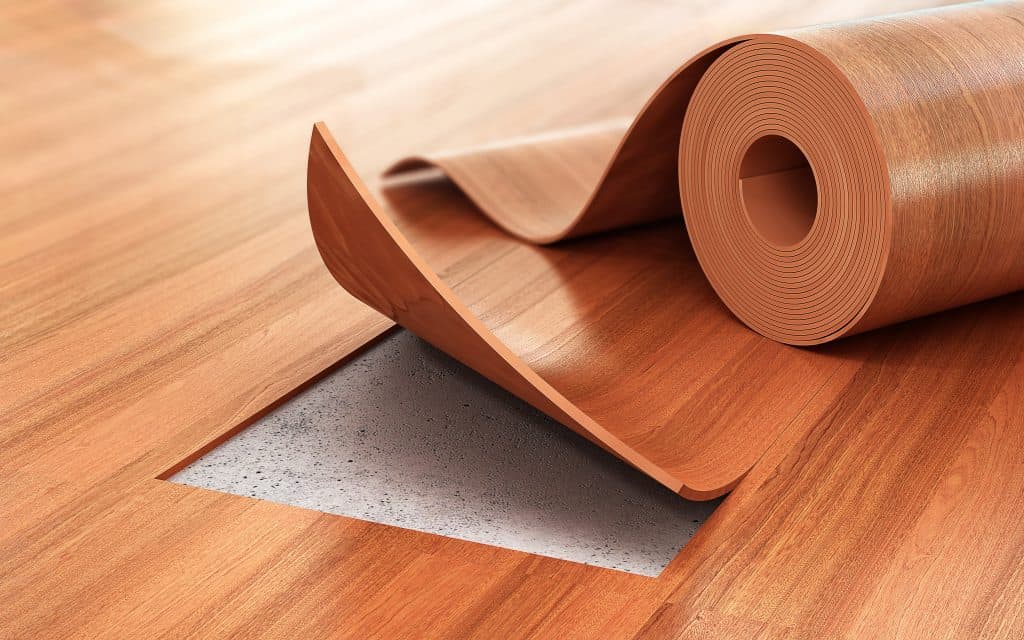
What Is Vinyl Flooring?
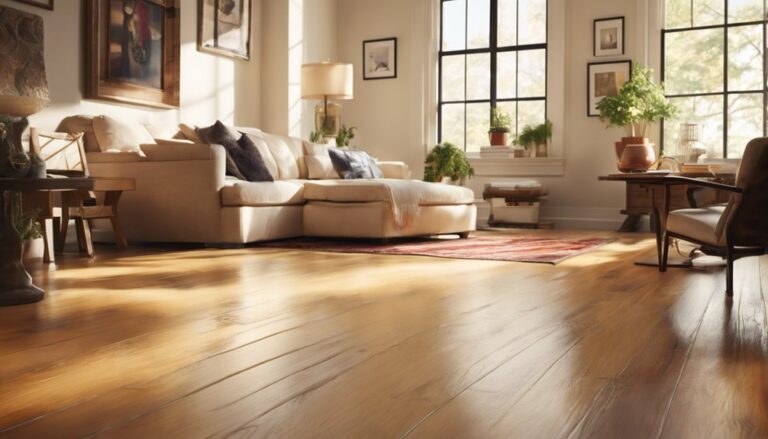
Vinyl flooring is a type of floor covering. It is made from synthetic materials. These materials are mostly PVC. Vinyl flooring comes in sheets, tiles, or planks. It is very popular in homes today. People like it because it’s durable and water-resistant. It can look like wood or stone. This makes it a good choice for many rooms.
Vinyl flooring is easy to install. Many people can do it themselves. It is also easy to clean. Just use a mop or a vacuum. This makes it great for families with kids or pets. Vinyl flooring can last a long time if you take care of it. It is a cost-effective option for many homeowners.
Types Of Vinyl Flooring
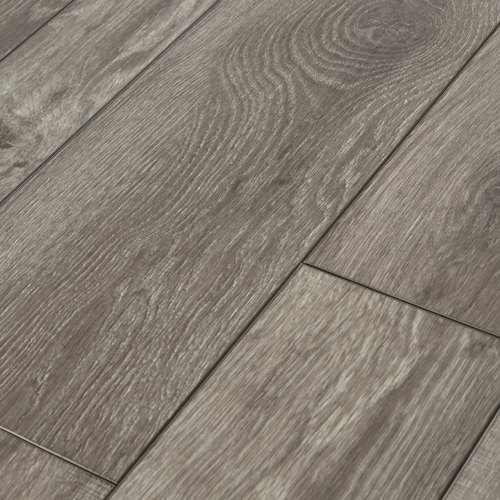
Luxury Vinyl Plank (LVP) is popular in homes. It looks like real wood. LVP is strong and water-resistant. It can be used in kitchens and bathrooms. Installation is easy. Planks click together like a puzzle. LVP is great for busy families. It is also easy to clean.
Vinyl Sheet is one large piece. It covers the whole floor without seams. It is perfect for bathrooms and kitchens. Water cannot seep through. Vinyl Sheet is soft underfoot. It is warmer than tile or wood. Cleaning is a breeze. Just mop with water and soap.
Vinyl Tile looks like stone or ceramic. Tiles are smaller than sheets. They are easy to replace if damaged. Tiles can be self-adhesive. This makes them quick to install. It is also budget-friendly. Vinyl Tile works well in any room.
Importance Of Acclimation
Temperature changes affect vinyl flooring. Cold makes it hard. Heat makes it soft. Humidity also matters. Too wet, and it might swell. Too dry, and it could shrink. It needs time to adjust. This helps it fit well.
Vinyl flooring must be stable. It needs time to settle. This keeps it from moving later. Stability makes it last longer. If it moves, it can break. A stable floor is safe. It stays smooth. Proper acclimation helps this happen.
Steps To Acclimate Vinyl Flooring
Vinyl flooring needs time to adjust to room temperature and humidity. Allow it to acclimate for at least 48 hours. This helps prevent expansion or contraction after installation.
Preparation Of Space
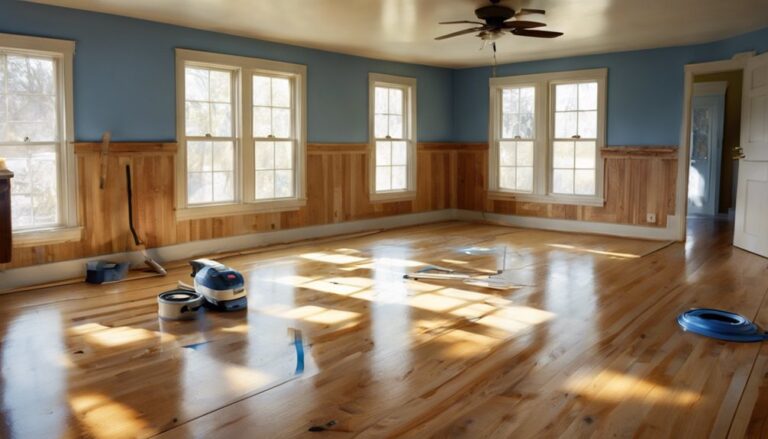
Ensure the room is clean and dry. Remove all furniture and items. Check the floor’s temperature. It should be similar to room temperature. Humidity levels matter too. Ensure they are stable. Use a hygrometer if needed. This helps vinyl adjust well.
Unboxing And Laying Out
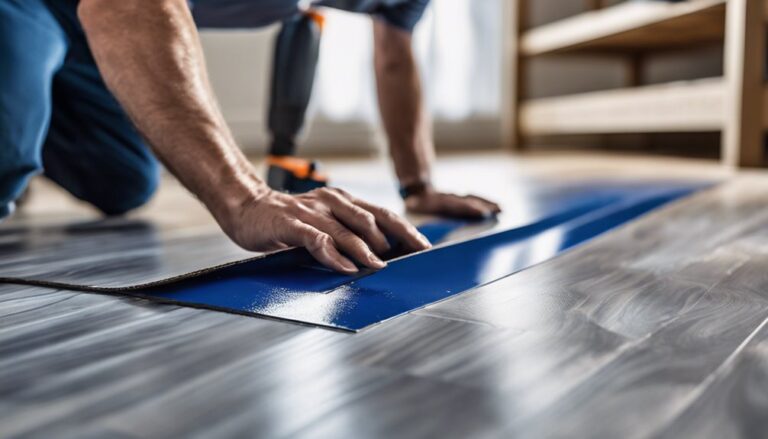
Open the boxes carefully. Lay the vinyl planks flat on the floor. Spread them evenly across the room. Do not stack them. This allows air circulation. Vinyl needs to breathe before installation. It helps the material expand naturally.
Duration Of Acclimation
Leave the vinyl for at least 48 hours. This time lets it adjust properly. Avoid rushing this step. Longer time ensures better results. Check the room’s conditions regularly. Make sure they remain stable. Proper acclimation prevents future problems.
Common Mistakes In Acclimation
Many people skip reading the manufacturer guidelines. This is a big mistake. Guidelines show how to treat the vinyl flooring. They tell you how long it needs to sit. Some might need 24 hours. Others might need 48 hours. Follow the guide for the best results. Ignoring it can cause problems later. Warping and gaps are common issues. Always check the instructions before starting. It helps keep your floor looking great.
Many people rush to install the flooring. This can cause problems. Vinyl flooring needs time to get used to the room. Skipping this step can cause it to buckle. It might not fit well. It’s important to be patient. Letting the floor settle saves trouble later. Take the time to let it rest. This helps avoid many issues. A little patience goes a long way.

Benefits Of Proper Acclimation
Proper acclimation makes vinyl flooring last longer. It helps the floor adjust to room temperature. This stops the floor from bending or breaking. When vinyl is strong, it looks good for a long time. Less damage means less money spent on repairs. A durable floor is always a good choice. A well-acclimated floor also feels better underfoot. It gives you peace of mind.
Right acclimation leads to better installation. Vinyl fits perfectly when it is ready. This reduces gaps and bumps. Installers find it easier to work with prepared vinyl. This saves time and effort. A well-installed floor is smooth and neat. It improves the look of any room. Good fit means fewer problems later.
When Acclimation Is Not Necessary
Vinyl flooring doesn’t always need acclimation. If it’s stored in similar conditions to where it will be installed, acclimation might not be necessary. Consistent temperature and humidity ensure it remains stable, saving time on installation.
Pre-installed Underlayment
Vinyl flooring often comes with pre-installed underlayment. This layer helps in reducing the need for acclimation. The underlayment provides a stable base. This base minimizes movement and expansion. It makes installation quicker and easier. The flooring can be laid down immediately. No waiting period is required. The underlayment acts as a cushion. It absorbs minor shifts in temperature.
Climate-controlled Environments
In climate-controlled environments, vinyl flooring may not need acclimation. These places maintain a steady temperature. The humidity levels remain constant. This stability reduces the risk of warping. The flooring stays in good shape. It holds its form well. Such environments make installation simpler. No need to wait for the floor to adjust. Just place it and enjoy.
Expert Tips For Homeowners
Seeking advice from flooring experts is wise. They understand vinyl flooring needs. Professionals can guide on proper acclimation. They know how to prepare for installation. Experts have tools to measure room temperature. They check humidity levels too. Professionals ensure flooring fits well. They help avoid future problems. Getting expert advice saves time. It also prevents costly mistakes.
Room conditions affect vinyl flooring. Temperature changes can harm floors. Humidity matters too. Keep rooms stable before installation. Use a thermometer to check temperature. A hygrometer measures humidity. Maintain a steady environment. This ensures floors adapt well. Avoid sudden changes in weather. Prepare rooms before laying floors. Proper monitoring helps floors last longer.
Frequently Asked Questions
Why Does Vinyl Flooring Need To Acclimate?
Vinyl flooring needs acclimation to adjust to room temperature and humidity. This prevents expansion or contraction post-installation. Proper acclimation ensures a seamless fit and extends the floor’s lifespan. Typically, it takes 48 hours for vinyl flooring to acclimate effectively.
How Long Should Vinyl Flooring Acclimate?
Vinyl flooring should acclimate for at least 48 hours before installation. This period allows the material to adapt to the room’s conditions. Proper acclimation helps prevent future problems like buckling or gaps. Always follow manufacturer guidelines for the best results.
What Happens If Vinyl Is Not Acclimated?
If vinyl flooring isn’t acclimated, it might expand or contract unexpectedly. This can lead to issues like buckling or gaps between planks. Proper acclimation ensures a stable installation and maintains the floor’s appearance and durability over time.
Can Vinyl Flooring Acclimate In The Box?
Vinyl flooring can acclimate in the box if stored in the installation room. Ensure the boxes are evenly stacked and have airflow around them. This helps the flooring adjust to the room’s temperature and humidity effectively.
Conclusion
Vinyl flooring acclimation is crucial for proper installation. It prevents future issues. Temperature and humidity changes affect vinyl. Waiting lets it adjust. This ensures a smooth fit. Skipping this step might cause gaps or warping. Proper care leads to lasting floors.
Always follow manufacturer guidelines. They offer the best advice. Check the conditions in your home. Make sure they suit the flooring. This simple step saves time and money. Happy flooring starts with good preparation. Your floors deserve the best care.
Start with acclimation for great results.