
Are those unsightly gaps in your hardwood floors driving you crazy? You’re not alone.
These gaps can be frustrating, especially when you’re striving for a seamless and polished look in your home. But don’t worry; there are solutions to get your floors back to looking their best. Imagine walking through your home without the distraction of those pesky spaces.
You can achieve that flawless finish and regain the beauty of your hardwood floors with a few simple steps. Dive into this guide to discover effective ways to fix those gaps, and transform your floors from problematic to pristine. Keep reading to find out how easy and satisfying it can be to restore your floors to their former glory.
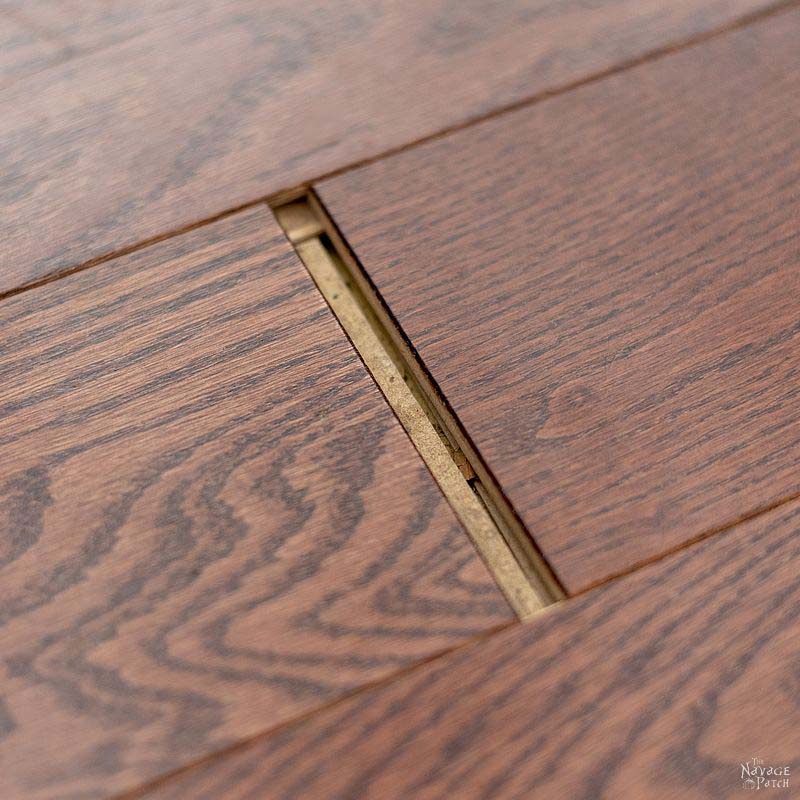
Causes Of Gaps In Hardwood Floors
Wood can shrink when it gets dry. This can make gaps in your floor. Winter is often when gaps form. Air is dry in cold weather. The wood loses moisture and gets smaller.
Another cause is improper installation. If boards are not tight, gaps happen. Also, changes in humidity can affect wood floors. It is important to keep the room’s temperature and humidity steady.
Some wood types are more prone to gaps. Softwoods, for instance, might shift more than hardwoods. Choosing the right wood can help. Always select quality materials for fewer problems.
Seasonal Changes And Wood Shrinkage
Wood floors can change with the seasons. Cold weather can make wood shrink. This shrinkage causes gaps between the planks. These gaps are normal but can be bothersome. Summer heat can make wood expand again. Yet, not all gaps close. Some stay open. This happens because wood adjusts to the climate.
To fix gaps, control the room’s moisture. Use a humidifier during winter. It adds moisture to the air. This helps wood stay the same size. Check your floors often. Make sure they stay healthy. Small changes can help keep your floor nice. A little care goes a long way.
Humidity Control Solutions
Hardwood floors can change with the weather. Gaps appear when wood shrinks. This often happens in winter. The air gets dry and wood contracts. Keeping indoor humidity steady helps prevent this. Use a humidifier in dry months. It adds moisture to the air. In summer, dehumidifiers work well. They remove extra moisture. This stops wood from swelling.
Check the humidity levels. Keep them between 35% and 55%. This range is best for wood. It helps maintain the floor’s shape. It also keeps your home comfortable. Monitoring humidity regularly is key. You can use a hygrometer for this. It’s a tool that measures humidity. Place it in the room with the floors. Adjust your devices as needed.
Regular Maintenance Tips
Wood floors need regular cleaning. Use a soft broom or vacuum. Keep the floors dry. Water can cause gaps. Place mats near doors. They catch dirt and moisture. Avoid harsh chemicals. They may damage the wood. Use cleaners made for wood floors.
Control humidity levels. Wood expands with moisture. It shrinks when dry. Use a humidifier in dry seasons. Keep it between 35% and 55% humidity. This helps maintain the wood’s shape. Check for small gaps often. Fill them with wood filler. This prevents bigger issues later.
Inspect the floors regularly. Look for signs of wear. Sand and refinish when needed. This keeps the wood smooth and strong. Protect floors from heavy furniture. Use pads under legs. This reduces pressure on the wood.
Identifying The Type Of Gaps
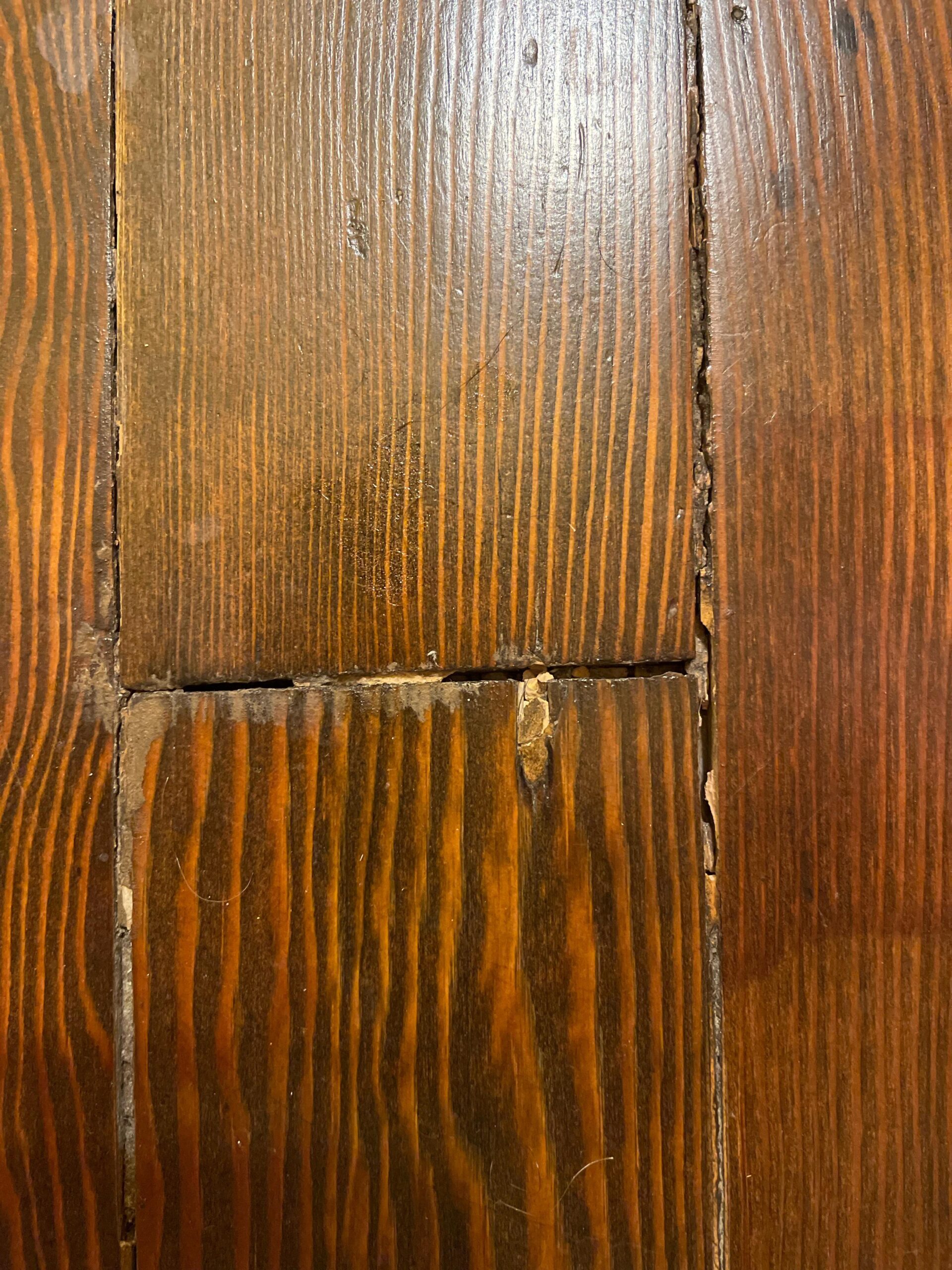
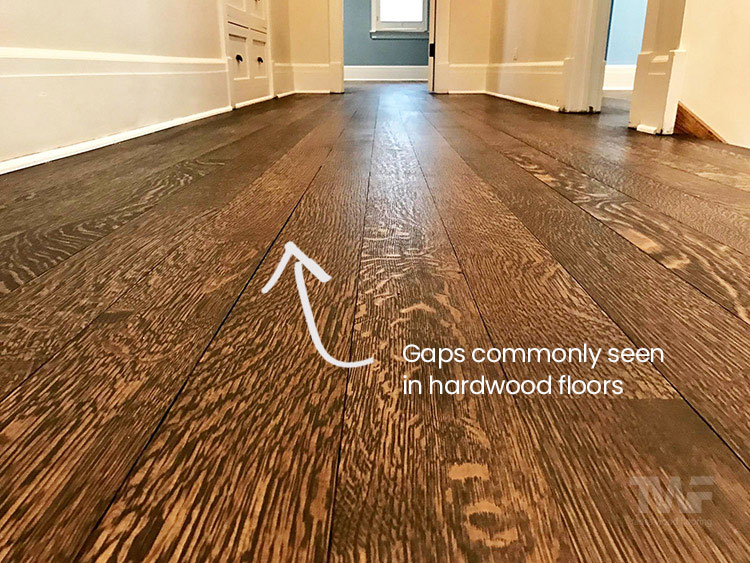
Hardwood floor gaps can be seasonal or permanent. Seasonal gaps are normal. They happen due to weather changes. Floors expand and contract with humidity. These gaps close in summer. Permanent gaps stay all year. They can be a sign of bigger issues.
Check the gap size. Small gaps are less than a dime’s width. Larger gaps might need fixing. Measure gaps to decide what to do. Use a ruler for accuracy. Note if they change size over time. This helps in understanding the type of gap.
Temporary Fixes For Minor Gaps
Wood fillers can help fill gaps in floors. Choose a filler that matches your floor color. Clean the gap before applying the filler. Use a putty knife to spread the filler. Press it into the gap. Let it dry completely. After drying, sand the area smoothly. This makes the filler blend in. Vacuum the dust away after sanding.
Rope or string can fill big gaps. Pick a rope or string that fits the gap size. It should be long enough. Cut it to fit the gap. Push the rope into the gap. Use a putty knife to help. You can stain the rope to match your floor. This makes the fix less noticeable. Seal the rope with clear varnish for a lasting hold.
Permanent Solutions For Large Gaps
Large gaps can be filled with hardwood strips. First, measure the gap’s width and length. Cut the hardwood strip to fit these measurements. Always use the same type of wood as your floor. This keeps the color and texture the same. Next, apply wood glue to the strip’s edges. Press the strip into the gap. Wipe away excess glue quickly. Let the glue dry overnight for best results.
Replacing floorboards is another way to fix large gaps. Find a new board of the same type and color. Remove the old, damaged board carefully. Use a hammer and chisel for this step. Place the new board in the gap. Secure it with nails or screws. Make sure the new board is level with the floor. Sand the edges if needed. Apply a finish to match the rest of the floor. This will make the repair look seamless.
Professional Repair Techniques
Gaps in hardwood floors can be annoying. Wood filler can help. It fills small gaps easily. Choose a filler that matches the wood color. Use a putty knife to apply it. Sanding helps to make it smooth. Clean the surface first. Dust can ruin the finish.
For larger gaps, use wood strips. These strips fit into the gap. Measure the gap carefully. Cut the strip to the right size. Glue it in place for a secure fit. Let it dry completely. Sand the area to make it even. Always check for loose parts.
Professional help might be needed for bigger issues. Experts have special tools. They can make floors look new again. Regular checks can prevent gaps from forming. Keep floors clean and dry. Moisture can cause wood to shrink.
Preventive Measures For Future Gaps
Preventing future gaps in hardwood floors involves regular maintenance and proper humidity control. Keep indoor humidity levels consistent to minimize wood expansion and contraction. Use quality fillers and sealants to address small gaps promptly, ensuring a smooth and durable surface.
Proper Installation Practices
Correct installation keeps hardwood floors strong. Wood should be dry before use. This helps avoid gaps. Use proper tools for installation. Quality materials are key. Ensure floors are even and level. This prevents future issues. Follow guidelines for spacing. This allows for wood movement. Gaps can occur if floors are too tight.
Regular Inspection And Care
Check floors often. Look for signs of wear. Small gaps can become big problems. Clean floors regularly. Dirt can cause damage. Use the right cleaning products. This keeps wood healthy. Avoid too much water. Moisture can lead to gaps. Fix small issues quickly. This prevents larger problems. Inspect corners and edges carefully. They can hide gaps.
Tools And Materials Needed
To fix gaps in hardwood floors, gather the right tools. You will need a putty knife to apply wood filler. A sanding block helps smooth the surface. Get a vacuum cleaner to remove dust. Use a damp cloth to wipe away debris. Prepare a wood filler that matches your floor color. Don’t forget gloves to protect your hands. A tape measure helps you measure gaps.
Keep a bucket for mixing if needed. Have a mask to avoid dust inhalation. Ensure good ventilation in the room. Safety goggles protect your eyes from dust. Keep a small brush handy for tight spots. Gather all items before starting. It saves time and hassle.
Hiring A Flooring Expert
Gaps in hardwood floors can be tricky. Fixing them yourself might be hard. A flooring expert has special tools. They know the right way to fix gaps. Also, they can suggest the best solutions. Experts have a keen eye for details. They understand how to match the floor’s color. This keeps your floor looking good.
Hiring an expert saves time. It also prevents further damage to the floor. Experts know different wood types. They use the right materials. Your floor will be safe and strong. It’s always good to ask for their advice. They help you make the best choice for your floor.
Frequently Asked Questions
Why Do Hardwood Floor Gaps Occur?
Hardwood floor gaps can occur due to changes in humidity and temperature. Wood expands with moisture and contracts in dry conditions. Seasonal changes or improper installation may also cause gaps. Regular maintenance and controlling indoor climate can help minimize these issues.
It’s crucial to address gaps promptly to prevent damage.
Can Gaps In Hardwood Floors Be Fixed?
Yes, gaps in hardwood floors can be fixed using different methods. You can use wood fillers, rope, or putty to fill small gaps. Larger gaps may require professional attention, such as replacing affected planks. Regular inspection and maintenance can prevent gaps from worsening over time.
What Tools Are Needed To Fix Floor Gaps?
To fix floor gaps, you’ll need basic tools like a hammer, chisel, and putty knife. A wood filler or putty can help fill small gaps. For larger gaps, you might need replacement wood strips. Ensure you have sandpaper and a finish to match the existing floor color.
How To Prevent Hardwood Floor Gaps?
To prevent hardwood floor gaps, maintain consistent indoor humidity levels. Use humidifiers during dry seasons and dehumidifiers during humid months. Regular cleaning and inspection can identify potential issues early. Proper installation techniques also play a role in preventing gaps and ensuring floor longevity.
Conclusion
Fixing gaps in hardwood floors enhances your home’s beauty. These simple methods help. Start by cleaning the gaps thoroughly. Use wood filler or rope if needed. Ensure the filler matches your floor color. Regular maintenance prevents future gaps. Check humidity levels in your home.
Proper humidity keeps wood stable. Repairing gaps protects your investment. Hardwood floors last longer with care. Follow these tips for a smooth, gap-free floor. Enjoy the elegance of well-maintained hardwood. Your floors can look stunning again. Take action now for a flawless finish.
Keep your floors beautiful and strong.