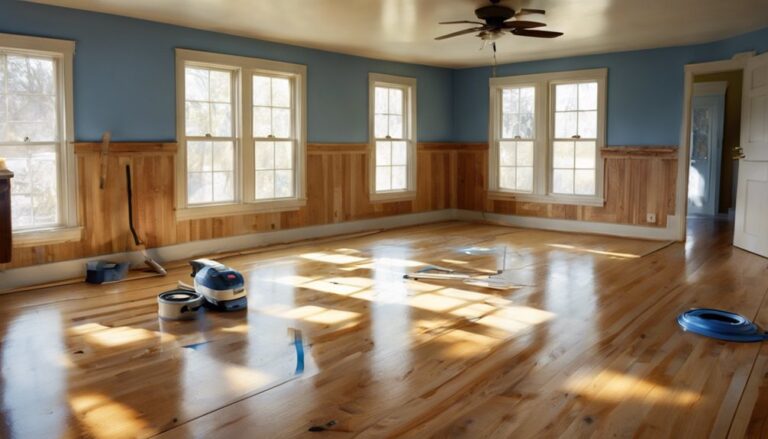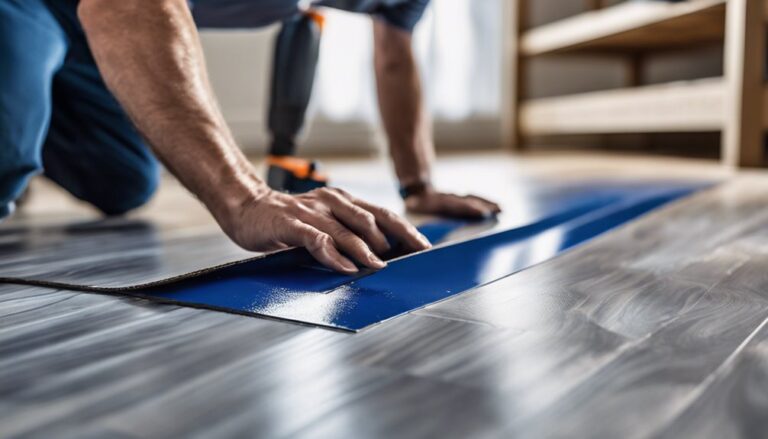

Imagine you’re walking through your home and suddenly notice something unusual—a crack in the floor. It’s small, but it catches your eye.
You wonder if it’s something to worry about or just a minor blemish. This tiny crack can stir a mix of emotions: curiosity, concern, and even a bit of anxiety. You start thinking about the implications. Could it be a sign of something bigger beneath the surface?
Could it affect your home’s value or safety? This article is here to ease your mind and help you understand what that crack truly means. You will discover the reasons behind its appearance, learn when it’s time to take action, and find out simple ways to fix it. By the end, you’ll have the knowledge you need to handle any floor crack with confidence. Keep reading to turn your concern into clarity and regain peace of mind about your home.
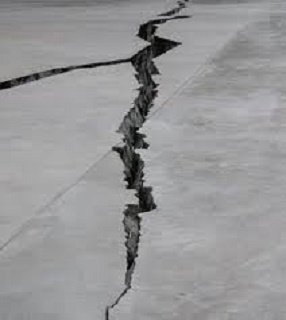
Causes Of Floor Cracks
Homes settle with time. This process is normal. Soil shifts beneath the foundation. Tiny movements cause floor cracks. These cracks grow slowly. They appear in different spots. Natural settling is hard to stop. Regular checks are necessary. Early repairs help.
Water is a big enemy. Excess moisture weakens floors. It seeps into materials. Wood swells, causing cracks. Concrete breaks over time. Moisture comes from leaks. Broken pipes also lead to issues. Proper drainage is crucial. Keep floors dry. Use dehumidifiers if needed.
Bad building methods lead to cracks. Weak materials cause problems. Wrong techniques make floors unstable. Experienced builders are important. They ensure strong structures. Always inspect new floors. Look for signs of damage. Early spotting prevents bigger issues.

Identifying Warning Signs
Cracks can appear in many places. Floors, walls, or ceilings. They may be thin or wide. Some cracks are easy to see. Others hide under carpets or tiles. Cracks can grow over time. They may change shape. Ignoring them is not wise. Fixing early can save money.
An uneven floor can cause trips. It is a clear sign. One part may rise. Another part may sink. Furniture may not sit flat. Rolling objects may move by themselves. These surfaces can be dangerous. They need attention soon.
Floors should not squeak. A squeak means something is wrong. It could be a loose board. Or a problem underneath. Squeaks can be loud. They can be soft too. Walking on them is annoying. Fixing squeaks can stop bigger issues.
Potential Hazards
A crack can mean the floor is weak. It might break more. People can get hurt if the floor is not safe. Repairing the crack is very important. This can stop more damage. Safety is very important for everyone.
Water can seep into the crack. This can make the floor rot. Wet floors can be slippery and dangerous. Water can also reach other parts. This can cause more damage. Fixing cracks can stop water problems.
Cracks in floors can let pests inside. Bugs and rats can enter through them. They can bring disease and dirt. Pests can make the home unsafe. Sealing cracks can keep pests away. This helps keep homes clean.
Assessment Techniques
Professional inspectors know how to check floor cracks. They use special tools. Moisture meters help find water damage. Thermal cameras can see hidden problems. These cameras show heat changes. Structural engineers check if the floor is safe. They use their skills to find big issues. Many experts work together to solve floor problems.
DIY methods help find simple floor cracks. Look for visible cracks in the floor. Measure the crack length and width. Tap the floor to listen for hollow sounds. Use a flashlight to see better. Take notes about crack size and color. DIY checks are good for small cracks. Call experts for big cracks.
Technology tools make checking floor cracks easy. Smartphone apps help measure cracks. These apps use the phone camera. Some apps can save crack photos. Laser levels help find uneven floors. They show floor slope. Digital moisture meters find water damage. Many tools help find cracks fast.
Repair Solutions
Sealants and fillers help fix floor cracks. These materials fill gaps. Use a caulking gun to apply. It’s easy to use. Fillers are smooth. They harden quickly. After filling, sand the surface. This makes it even. Many fillers can be painted. The floor will look new. Choose the right type for your floor. Some work better on concrete. Others are for wood. Always read the label. This ensures a good result.
Sometimes, replacing the floor is needed. Damaged floors can be unsafe. Remove the old flooring carefully. Clean the area well. New flooring must fit perfectly. Measure the space first. Choose the right material. Wood, tile, and laminate are options. Installing new flooring can be quick. Follow instructions closely. Some floors need glue. Others snap together. Always check for hidden damage below. This ensures safety and durability.
Cracks may mean foundation issues. Reinforcement can be necessary. Steel beams and carbon fiber are strong. They support the structure. Professionals should do this work. It requires skill. Inspect your home regularly. Check for new cracks. A strong foundation keeps your home safe. It prevents further damage. Reinforcement is an investment. It protects your home for years.
Preventive Measures
Check floors for cracks often. Small cracks can grow big. Clean the floor to remove dirt. Dirt can hide cracks. Fix small cracks quickly. This stops them from growing. Use proper tools and materials. Keep an eye on changes in the floor. This helps in early detection.
Keep water away from the floor. Water can cause cracks. Use mats near doors. They stop water from entering. Fix leaks quickly. Leaks add moisture. Use a dehumidifier. It helps in controlling moisture levels. Check for signs of dampness regularly. This prevents damage.
Use good materials for building. They last longer. Hire skilled workers. They know the right way to build. Follow building codes. These codes ensure safety. Inspect the work frequently. This ensures quality work. Test the floor for strength. Strong floors crack less.
When To Seek Professional Help
Big cracks need experts. Small cracks may not. Check if your floor shifts. Floors that move a lot need fast action. Cracks that widen over time mean trouble.
Fixing some cracks is hard. Deep cracks need special tools. Some fixes need many steps. Professionals do it right. They know what to do.
Cracks can be unsafe. People can trip. Cracks in the wrong spot can harm. Unsafe floors are not good. Get help to keep everyone safe.

Cost Considerations
Repairing floor cracks can be costly. Setting a budget helps manage expenses. Material costs vary. Tile and wood prices differ. Labor costs add to the bill. Skilled workers charge more. Unexpected costs may arise. Always plan for these. Saving money requires a good budget.
Insurance might help with repairs. Home insurance covers some damage. Check your policy details. Coverage limits can affect payments. Some policies exclude certain repairs. Contact your agent for information. Filing a claim might reduce costs. Read the terms carefully to understand.
Finding affordable solutions is key. DIY repairs can save money. Use simple tools for small cracks. Local materials might cost less. Compare prices before buying. Preventive measures save future expenses. Seal gaps early to avoid bigger problems.
Frequently Asked Questions
What Causes Cracks In The Floor?
Cracks in floors often result from foundation settling, temperature changes, or moisture fluctuations. These factors cause materials to expand or contract, leading to stress and eventual cracking. Ensuring proper installation and using quality materials can help prevent such issues.
Are Floor Cracks Dangerous?
Floor cracks can sometimes indicate structural issues. Small, hairline cracks are usually harmless, but larger ones may signal problems. It’s important to assess the severity and consult a professional if needed. Ignoring significant cracks can lead to further damage and safety concerns.
How Can Floor Cracks Be Repaired?
Repairing floor cracks typically involves cleaning the area and applying a suitable filler or sealant. For larger or complex cracks, professional assistance might be required. Choosing the right repair method depends on the crack size and flooring material.
Can Humidity Cause Floor Cracks?
Yes, humidity can cause floor cracks. High moisture levels can lead to expansion, while low humidity can cause contraction. This fluctuation in size may result in cracking over time. Maintaining stable humidity levels can help prevent this issue.
Conclusion
A crack in the floor can seem small but be significant. Ignoring it may lead to bigger problems. Safety can be at risk. Fixing cracks early is wise. Prevent more damage and save money. Inspect floors regularly to catch issues.
Simple maintenance can help a lot. Peace of mind comes with a safe home. Small repairs now can prevent large bills later. Stay aware of changes in your home. Protect your space and your family. Keep your floors strong and reliable.
Your home deserves the best care.