
Are you planning a home renovation or building a new space and feeling unsure about how far apart your floor joists should be? You’re not alone.
This question is crucial in ensuring the stability and safety of your construction project. Imagine walking across a beautifully designed floor that feels solid and secure, knowing you made the right choice for your home. This article will guide you through the perfect spacing for floor joists, helping you create a space that stands the test of time.
By understanding the importance of proper joist spacing, you’ll gain confidence in your project and avoid costly mistakes. Stick around to discover the key factors that determine the ideal distance for your floor joists and ensure your floor is both safe and stylish. Your dream home is within reach, and it starts with getting the basics right.
Basics Of Floor Joists
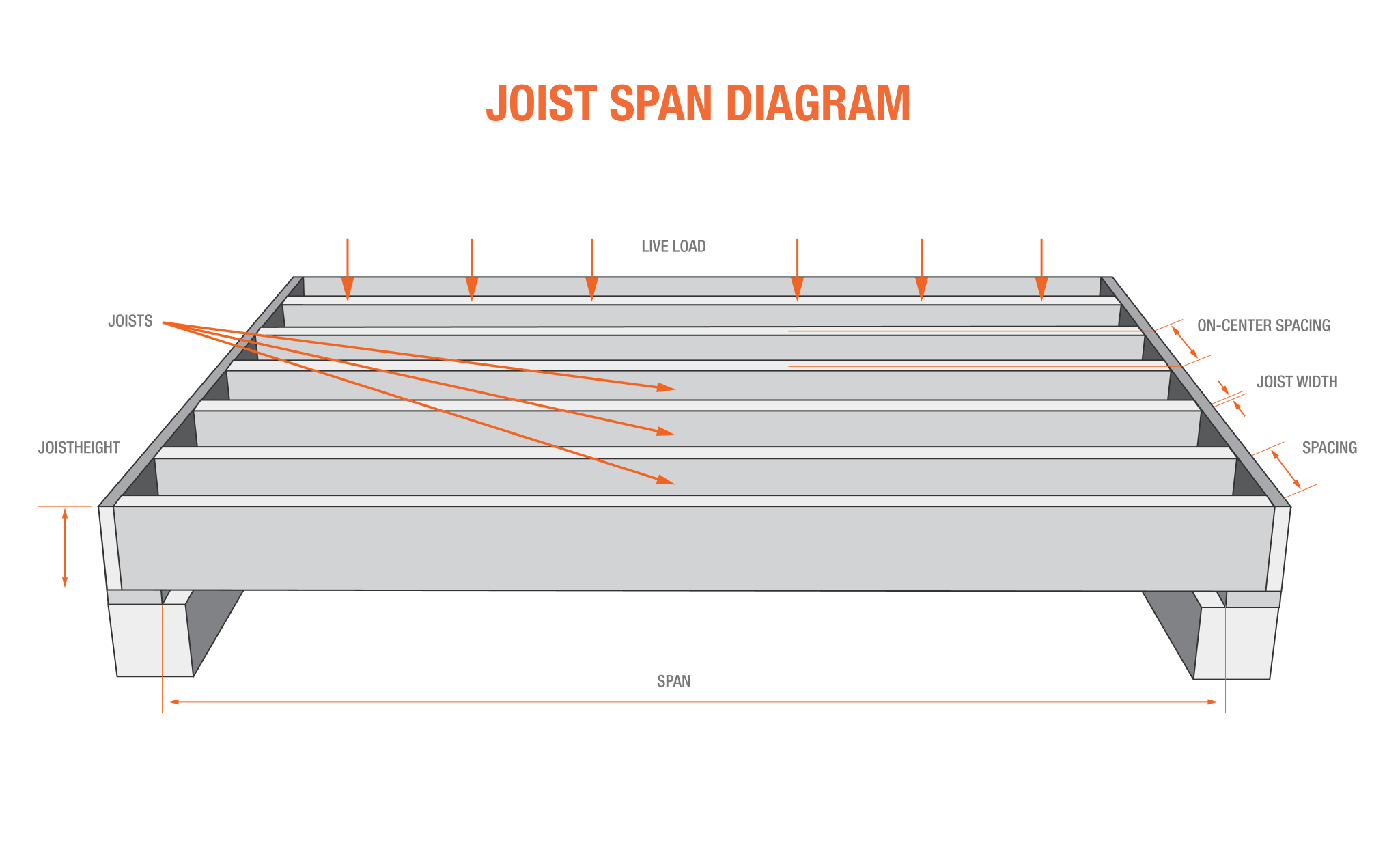
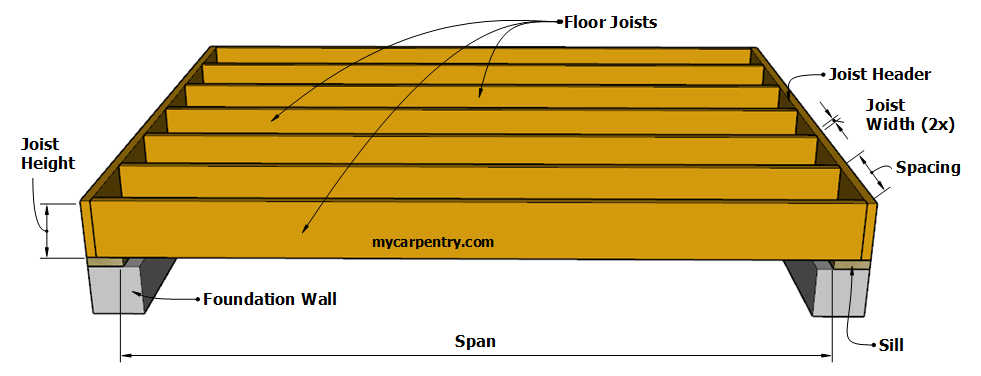
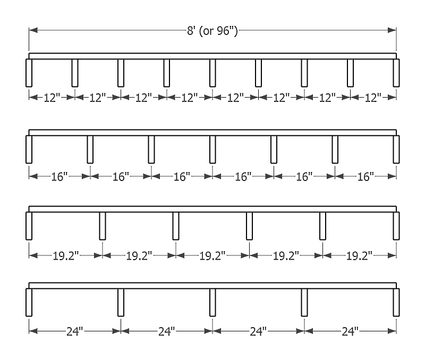
Floor joists help hold up the floors in a house. They are long, wooden beams. Joists are usually made from wood or steel. Wood joists are common in homes. Steel joists are strong and used in big buildings. Each joist is laid parallel to each other. This makes the floor strong and steady. Joists are spaced evenly apart. The distance can change based on the design. Builders often use a 16-inch gap. This is a common standard. Sometimes, the gap can be 12 inches or 24 inches. The size of the joist also matters. Bigger joists can handle more weight. It is important to choose the right joist for safety.
Importance Of Joist Spacing
Joist spacing is very important for floors. Proper spacing keeps floors strong. It helps in evenly distributing the weight. This keeps the floor from sagging. Floors feel more stable with correct spacing. Common spacing is 16 inches apart. Some use 12 or 24 inches. Builders choose based on floor needs.
Wider spacing can save wood. But it might not be as strong. More joists mean a stronger floor. But it costs more. Finding the right balance is key. This ensures safety and durability. Builders often check the building codes for guidance.
Factors Influencing Joist Spacing
Various factors influence how far apart floor joists should be. Wood type and load-bearing capacity play key roles. Joist spacing is often determined by the size and purpose of the floor area. Proper spacing ensures stability and safety.
Load-bearing Requirements
Joists must support heavy loads. Strong materials are necessary for this. Weight affects spacing. More weight means closer joists. Less weight allows wider gaps. Engineers calculate load-bearing needs. They ensure safety and strength. Building plans must follow these calculations.
Type Of Flooring Material
Flooring material affects joist spacing. Hardwood floors need strong support. Tile floors require closer joists. Carpet can have wider gaps. Different materials have different weight and strength. Choose the right joist spacing for your floor type. Incorrect spacing can cause floor damage.
Building Codes And Regulations
Local codes dictate joist spacing. Codes ensure safety. They set minimum standards. Builders must follow these rules. Regulations vary by area. Check local rules before building. Codes protect buildings and people. Ignoring codes can lead to fines. Ensure compliance for safe construction.
Standard Spacing Guidelines
Floor joists in homes usually have a common spacing. Sixteen inches apart is typical. This helps floors stay strong and even. Builders use this spacing for most houses. It works well for wood floors. Sometimes, joists are twenty-four inches apart. This can save wood. But, the floor might feel less solid. Sixteen inches is often best for a strong floor.
Buildings for business need different spacing. Joists can be twenty-four inches apart. This is more than in homes. It helps with large spaces. Floors need to hold heavy loads. So, joists might be closer together. Twelve inches is sometimes used. This gives extra support. Builders choose the best spacing for the building’s use. Safety and strength are key.
Joist Material Considerations
Wood joists are common and easy to work with. They are strong and can last a long time. Different types of wood can be used. Pine and oak are popular choices. Wood joists are often used in homes. They can support heavy loads. Make sure they are spaced right. Usually, they are spaced 16 inches apart. This gives good support to floors.
Steel joists are very strong. They are used in big buildings. Steel is heavier than wood. It can carry more weight. Steel joists do not rot like wood. They are good for places with moisture. Spacing for steel joists can be more than wood. They might be placed 24 inches apart. This helps in saving material.
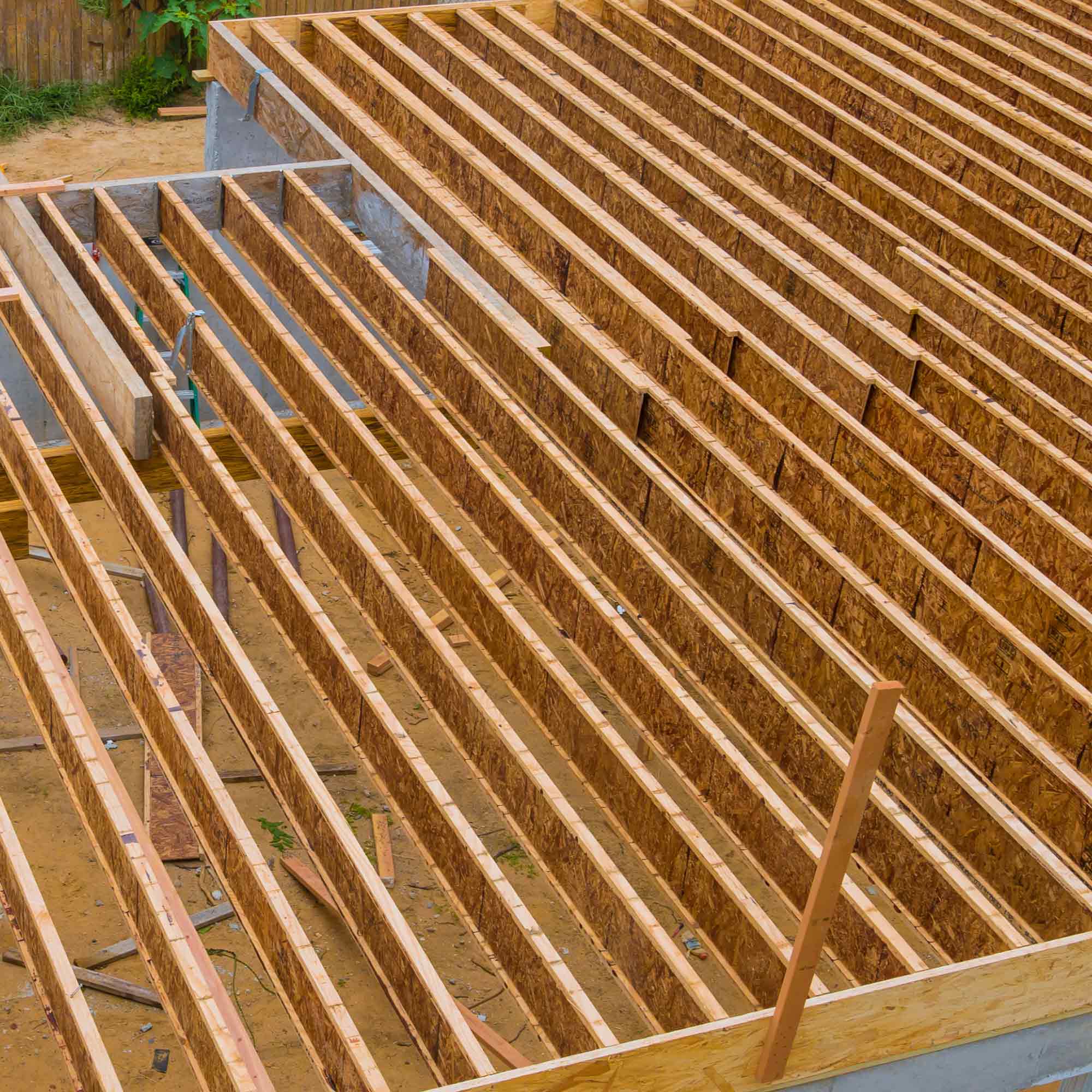
Engineered wood joists are special. They are made from different wood pieces. These joists are strong and light. They are often used in new homes. Engineered wood can span longer distances. This means fewer joists are needed. Spacing can be up to 24 inches. This makes them cost-effective and efficient.
Common Mistakes In Joist Spacing
Builders often place joists too close together. This can waste materials. Materials cost more with tighter spacing. Some builders also set joists too far apart. Wide gaps make floors weak. They can even cause floors to sag. A good balance is needed. Standard spacing is usually 16 inches apart. This is a common rule in many places. Always check local building codes. Codes ensure floors are safe and strong. Following these codes is very important.
Tools For Measuring And Setting Joist Spacing
A measuring tape is a useful tool. It helps in checking joist distance. Make sure it’s not too short or too long. Another handy tool is a square. This tool checks if the joists are straight. A level helps in ensuring the joists are even. Uneven joists can cause problems.
A chalk line is good for marking. It helps in keeping the lines straight. A pencil or marker can be used too. These tools make the job easier. Using the right tools saves time.
Expert Tips For Optimal Joist Installation
Floor joists are important for a strong house. They support the floors above. Joists should be spaced correctly to keep floors safe. Spacing affects the strength of the floor. Too far apart can make floors weak and bouncy. Joists usually go 12, 16, or 24 inches apart. The spacing depends on the size and type of wood. Builders often follow building codes for best spacing. Codes ensure safety and strength.
Proper joist spacing makes floors stable. Floors stay even and safe. Well-spaced joists help floors carry weight. Heavy furniture needs strong floors. Correct spacing helps avoid sagging. It stops floors from creaking too. Builders choose spacing based on the room’s use. Good spacing ensures floors last a long time. Always check with an expert for the best advice.
Frequently Asked Questions
What Is The Standard Spacing For Floor Joists?
The standard spacing for floor joists is typically 16 inches on center. This spacing ensures structural integrity and support. However, some builders may choose 12 or 24 inches, depending on the load requirements. Always consult local building codes and a structural engineer for specific guidance.
How Does Joist Spacing Affect Floor Strength?
Joist spacing directly impacts floor strength and stability. Closer joists provide more support, reducing floor deflection. Wider spacing may lead to weaker floors and potential sagging. It’s crucial to choose the right spacing based on the floor load and building codes to ensure safety.
Can Floor Joist Spacing Vary By Material?
Yes, floor joist spacing can vary by material used. Wood joists often follow standard spacing of 16 inches. Steel or engineered wood may allow for wider spacing, such as 24 inches. Each material has unique load-bearing properties, so always consult manufacturers’ guidelines and local codes.
Why Consult Building Codes For Joist Spacing?
Consulting building codes ensures your floor joist spacing meets safety standards. Codes dictate minimum requirements for structural support, preventing future issues. They consider factors like load, material, and climate. Compliance with codes ensures safety, durability, and may affect resale value of the property.
Conclusion
Floor joist spacing matters for stability and strength. The common distance is 16 inches. Always check local building codes. They help ensure safety and compliance. Proper spacing prevents sagging and increases durability. It also supports weight evenly across the floor.
Incorrect spacing can cause structural problems. Damage might occur over time. So, measure carefully before installation. This ensures a safe and sturdy home. Remember, good planning leads to better results. Keep these tips in mind for your next project. Your home deserves the best foundation possible.
Happy building!