
Imagine this: You’re standing in the middle of a home improvement store, surrounded by an array of beautiful flooring options. You’ve finally picked the perfect one that complements your space, and now it’s time to buy.
But then, a daunting question hits you: How much extra flooring do you need to purchase? This dilemma is more common than you might think, and getting it right is crucial to avoid wasting time and money. Buying too little can halt your project, leading to frustrating delays.
On the other hand, purchasing too much can result in unnecessary costs and storage headaches. Your flooring adventure should be smooth and stress-free, and knowing exactly how much extra to buy is key. This article will guide you through the essential calculations and tips to ensure you make the right choice, sparing you from future regrets. Dive in to discover the secrets of buying just the right amount of extra flooring for a flawless finish.
Calculating Flooring Needs
Measure the length and width of your room. Write these numbers down. Multiply the length by the width. This gives the floor area. Use a tape measure for accurate results. Always round up your measurements. Better to be safe than sorry. Think of the floor as a giant rectangle.
Rooms are not always perfect rectangles. They may have odd shapes. Add extra flooring for these spots. Measure each irregular area separately. Write down each measurement. Add these to the main floor area. This gives the total area. Buying extra flooring is smart. It covers mistakes and cuts.
Understanding Extra Flooring
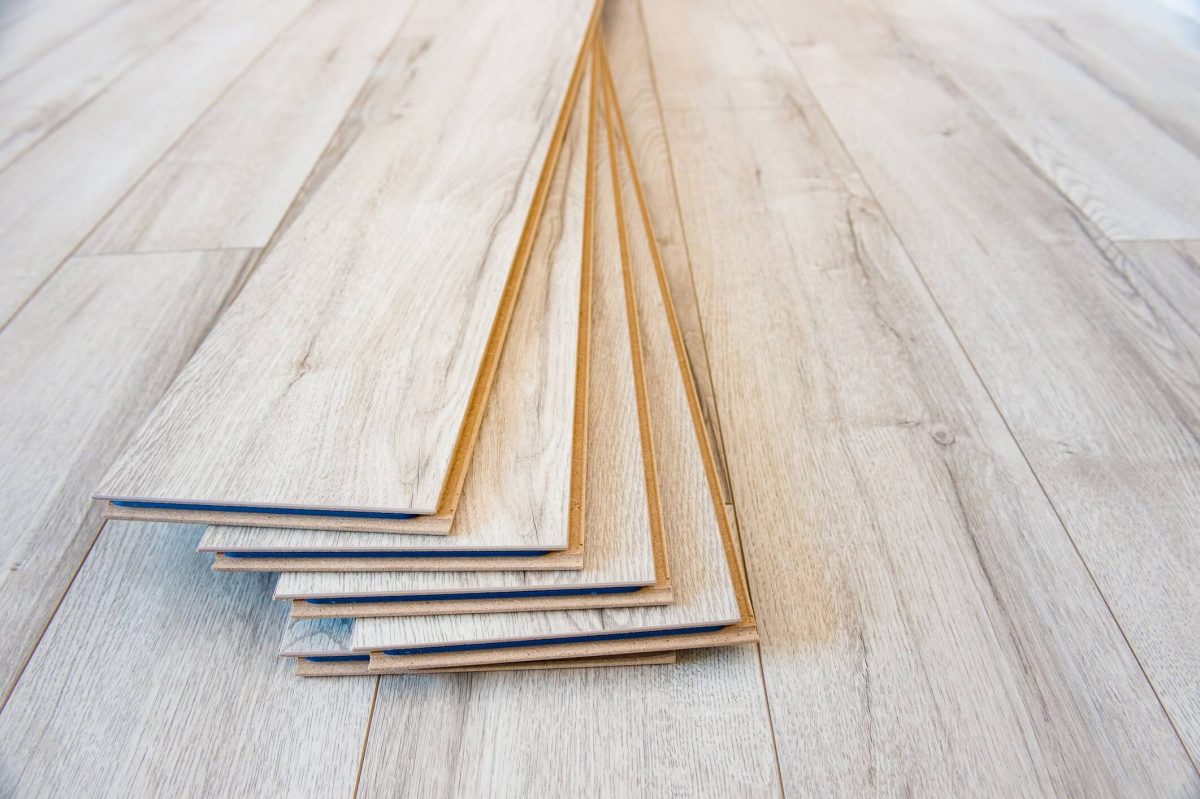
Buying extra flooring helps in covering mistakes. Mistakes happen while cutting. Floors need perfect pieces. Without extra, rooms may have gaps. Some planks may break or get damaged. Extra flooring prepares you for this. It ensures a smooth project.
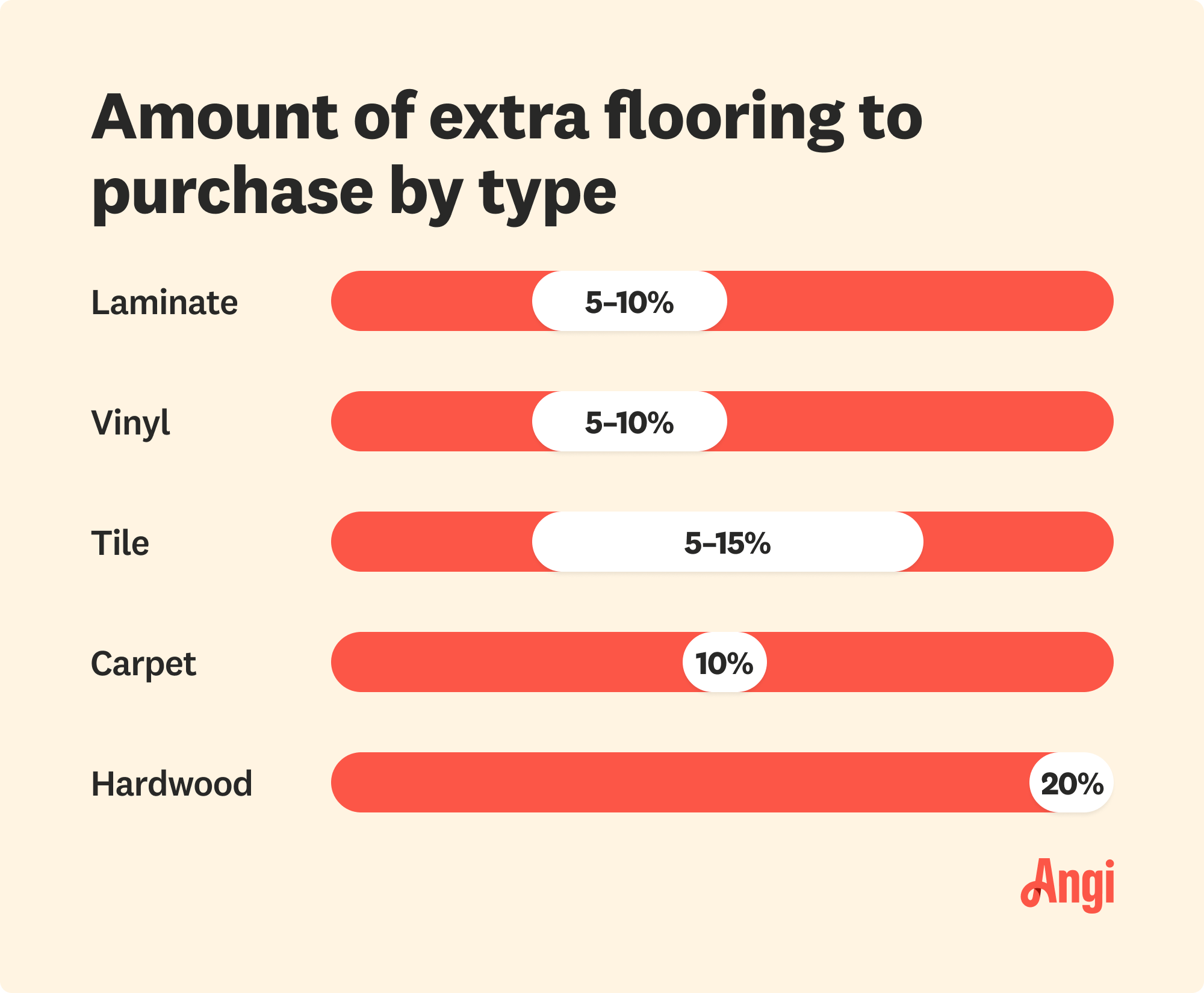
Most experts suggest buying more flooring. Usually, they recommend adding 5% to 10%. This covers errors and future fixes. A few extra boxes save time later. Buying more means less stress. No need to match colors later.
Factors Influencing Extra Purchase
Different flooring materials need different extra amounts. Wood floors might need more because they expand. Tiles can break during cutting, so buy extra. Carpets need less extra. They are easier to fit and cut.
Rooms with many corners need more flooring. Each corner is tricky. Extra pieces help fix mistakes. Large rooms might need more too. Open spaces often need more pieces. Some rooms have odd shapes. Odd shapes need more careful cutting.
Expert Tips For Accurate Estimation
Flooring calculators are handy tools for measuring space. They help you find out how much flooring you need. Just input your room’s dimensions. The calculator gives you a number. It includes extra for cutting and mistakes. This saves time and reduces waste. Be sure to double-check the measurements. Accuracy is key for a perfect fit. Using a calculator is easy and smart. It helps avoid costly errors.
Experts can provide valuable advice for flooring projects. They know the best practices. Professionals can inspect your space. They recommend the right amount of extra flooring. This ensures you have enough material. Professionals help prevent mistakes. They offer guidance on quality and type. Consulting with them gives peace of mind. It’s a wise step for a successful project.
Avoiding Common Mistakes
Many people forget the waste in flooring. Floors often need extra material. This is for cuts and mistakes. Builders usually suggest adding 5% to 10% for waste. Without this, you might run short. Running out can delay your work. It also means your floor won’t match if you buy more later. So, always count the extra flooring for waste.
Floors can get damaged. Kids might spill things. Pets might scratch. Buying a bit extra helps. You can fix small issues quickly. Extra flooring is also useful for future rooms. Styles change, and stores might not have the same flooring later. Having extra saves you trouble in the future.
Cost Considerations
Buying flooring needs careful thought. Spending too much can hurt your wallet. But cheap flooring might not last. It’s smart to find the right balance. Good flooring should be strong and look nice. Sometimes, paying a bit more is wise. It saves money in the long run.
Buying too much flooring can cost extra. Storing unused flooring is a problem. It takes up space and can get damaged. But having a little extra is useful. Mistakes can happen while cutting. Replacing damaged tiles is easier if you have spares. Always check your space size before buying. Measure twice, buy once.
Sustainable Flooring Choices
Choosing eco-friendly flooring helps the planet. Bamboo and cork are great options. These materials grow back quickly. Recycled wood is another choice. It uses less new resources. This helps save trees.
Linoleum is also eco-friendly. It is made from natural materials. It can break down after use. This reduces waste. Even recycled tiles can be used. They come in many colors and styles.
Buying extra flooring helps reduce waste. Always measure your space first. This avoids buying too much. Keep leftover pieces for repairs. It also helps if pieces get damaged.
Plan layouts carefully. This avoids cutting too much. Less cutting means less waste. Donate unused pieces to local groups. They can use them for projects. Waste is reduced this way.

Frequently Asked Questions
How Much Extra Flooring Should I Buy?
When purchasing flooring, it’s advisable to buy 5-10% extra. This accounts for cutting errors, wastage, and future repairs. The exact amount depends on the room’s layout and design complexity. Having extra ensures you have matching pieces for unforeseen issues or future renovations.
Why Is Extra Flooring Necessary?
Extra flooring accommodates potential cutting mistakes and wastage. It ensures consistency if future repairs are needed. Floors may get damaged over time, and having matching material on hand is crucial. Additionally, dye lots can vary, making it hard to find an exact match later.
What Factors Influence Extra Flooring Quantity?
Room shape, flooring type, and installation pattern affect the extra amount needed. Complex patterns and irregular room shapes typically require more. Some materials, like tiles, may break during installation, needing additional pieces. Consult with a professional for specific recommendations based on your project.
Can I Return Unused Flooring?
Many retailers accept returns on unused flooring if it’s in original packaging. However, policies vary, so check the store’s return policy before purchasing. Some may charge a restocking fee. It’s always best to confirm these details beforehand to avoid unexpected costs.
Conclusion
Calculating extra flooring is crucial to avoid shortages. A little foresight saves trouble. Measure your area carefully. Consider potential mistakes and future repairs. Always buy more than you need. This ensures you have matching pieces later. Remember, patterns and angles need more material.
Extra flooring prevents last-minute store trips. It’s a smart investment for peace of mind. Choose quality over quantity, but keep budget in mind. Efficient planning makes your project smooth and stress-free. Avoiding waste is important. Keep your space looking great with thoughtful preparation.