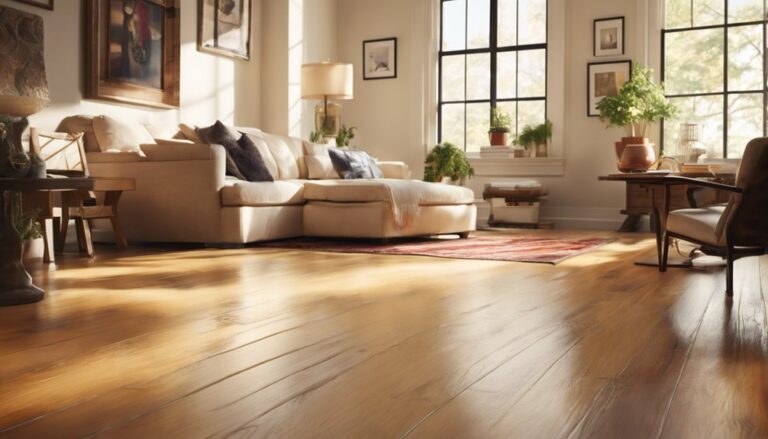
Imagine stepping into a room where elegance meets natural charm, where the cool sleekness of tile perfectly complements the warm richness of wood flooring. This harmonious blend not only enhances the aesthetic appeal of your space but also boosts its functionality.
You might be wondering how to achieve this stunning effect without overwhelming your senses or your budget. The good news is, combining tile and wood flooring is easier than you think, and can transform your home into a masterpiece of design.
We’ll guide you through simple steps to effortlessly merge these two materials, unlocking a world of possibilities for your home. Discover how you can create a unique, inviting atmosphere that reflects your personal style and captivates anyone who walks through your door. Are you ready to explore the secrets of this perfect pairing? Let’s dive in!
Benefits Of Combining Tile And Wood
Combining tile and wood offers beauty and functionality. Tile resists water and is easy to clean. Wood adds warmth and a cozy feel. Together, they create a balanced look. This mix suits kitchens and bathrooms well. It blends the durability of tile with the charm of wood.
Different areas benefit from this combination. For example, use tile near water sources. Place wood in dry areas. This method keeps floors looking fresh and lasting longer. It also provides a variety of styles to match any home decor.
Both materials offer a unique touch. They enhance home value and appeal. Ideal for families or anyone wanting a stylish home. A smart choice for modern living spaces.
Choosing The Right Materials
Tiles come in many colors and shapes. Some tiles are very strong. Strong tiles last a long time. They do not break easily. Ceramic and porcelain are popular choices. They resist water and scratches. These tiles are easy to clean. They keep their color for many years. Choose tiles that fit your style. Think about the room’s use. Kitchens need strong tiles. Bathrooms need tiles that resist water.
Wood floors make rooms look warm and natural. Choose hard wood for floors. Hard wood lasts longer. Oak and maple are good choices. They are strong and look nice. Some wood is treated to resist water. This is good for kitchens. Wood needs care to stay beautiful. Use rugs to protect wood from scratches. Clean wood with a soft cloth.
Design Considerations
Picking the right colors is important. Colors should blend well. Try to use similar tones. This helps the floor look neat. Patterns matter too. Large patterns can make a room feel big. Small patterns can feel cozy. Choose the right pattern size for your space.
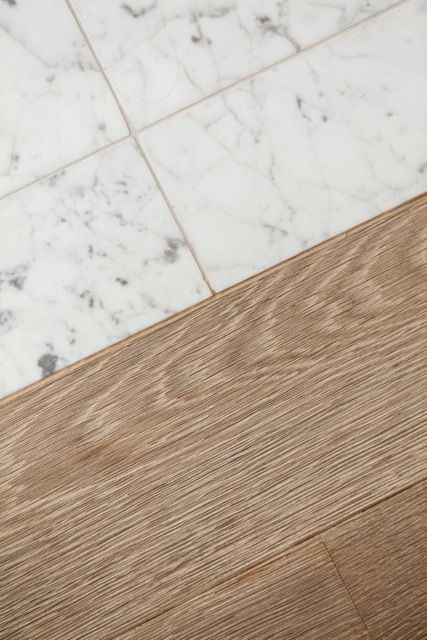
Flooring should guide eyes smoothly. Place wood and tile in a way that makes sense. Transitions should be clear but gentle. Use a border where they meet. This creates a clean look. The flow keeps rooms connected. Visual flow is key for a nice feel.
Installation Techniques
Seamless Transitions between tile and wood floors make rooms look neat. The key to this is careful planning. Make sure the heights of both floors match. This helps avoid bumps and trips. Use a level and tape measure for accuracy. Planning makes everything easier.
Using Transition Strips can help join tile and wood floors. These strips cover gaps where floors meet. They come in many styles and colors. Choose one that matches your floors. Install them between the two surfaces. This creates a smooth pathway. It also protects edges from damage. Transition strips make floors look finished.
Maintenance Tips
Keep tile and wood floors clean. Use a soft mop for wood. Use a damp cloth for tiles. Avoid harsh chemicals. They can damage surfaces. Regular sweeping prevents dirt buildup. Use warm water for wood. Use mild soap for tiles. Dry floors well after cleaning. Wet wood can warp. Dust tiles often. Vacuum wood floors weekly. A clean floor lasts longer. It’s easier to clean often.
Check for cracks in tiles. Look for scratches on wood. Fix issues quickly. Use tile filler for cracks. Use wood polish for scratches. Replace broken tiles when needed. Sand and refinish damaged wood. Professional help may be needed sometimes. Small repairs can be done easily. Careful handling prevents further damage. Regular checks help.
Cost Considerations
Choosing both tile and wood affects costs. Tile can be cheaper or costlier. It depends on the type. Basic tiles cost less. Fancy ones cost more. Wood types also vary in price. Some are cheap, some are not. It’s best to decide on style first. Then check costs. This helps keep the budget in check.
Hiring professionals adds extra cost. Skilled workers know how to fit tile and wood well. They make sure the floor looks nice. Their work makes the floor last longer. Paying them saves trouble later. But, it costs more upfront. Always ask for quotes. Compare prices. Choose wisely.
Common Mistakes To Avoid
Always leave an expansion gap between tile and wood flooring. Floors expand and contract. Without a gap, floors can buckle or warp. This gap helps the floors breathe. Use a transition strip to cover the gap. This keeps floors looking neat and tidy.
Ensure both floors are at the same height. If not, it can cause tripping hazards. Use leveling compounds to adjust the height. This creates a smooth transition. Check floor thickness before installation. This helps avoid any uneven surfaces.


Frequently Asked Questions
What Are The Benefits Of Combining Tile And Wood Flooring?
Combining tile and wood flooring offers aesthetic appeal and functional versatility. Tiles provide durability and moisture resistance, ideal for wet areas. Wood adds warmth and elegance, enhancing living spaces. Together, they create seamless transitions between rooms, improving overall home design and increasing property value.
This blend suits diverse interior styles.
How Do I Transition Between Tile And Wood Floors?
Use transition strips or thresholds for smooth transitions between tile and wood floors. These materials bridge height differences and enhance aesthetics. Choose matching colors or finishes for cohesion. Professional installation ensures a seamless look and prevents tripping hazards, improving both safety and appearance in your home.
Can I Install Tile And Wood Flooring Myself?
DIY installation is possible but requires skill and precision. Proper preparation, tools, and techniques are essential for success. Incorrect installation can lead to uneven surfaces and damage. If unsure, hire professional installers to ensure longevity and aesthetic appeal. Their expertise guarantees a flawless finish that enhances your home’s value.
What Should I Consider When Choosing Tile And Wood?
Consider room purpose, moisture levels, and traffic patterns when choosing tile and wood. Tiles suit kitchens and bathrooms for moisture resistance. Wood works well in living areas for warmth. Match colors and styles to your decor for harmony. Evaluate budget and maintenance needs to ensure long-term satisfaction.
Conclusion
Blending tile and wood flooring creates a unique and stylish look. It adds texture and warmth to any room. Balance is key for a seamless design. Choose colors that complement each other. Ensure smooth transitions between surfaces. Consider room size and function.
Experiment with patterns and layouts. Professional installation ensures long-lasting quality. With careful planning, your floors will impress guests and increase home value. Enjoy the beauty and functionality of mixed flooring. Your creativity will shine through. Transform your space today. Embrace the blend for a stunning home interior.