

Imagine walking into your living room and spotting unsightly scratches on your beautiful hardwood floor. It’s frustrating, isn’t it?
Your floor is a centerpiece of your home, and those scratches can make it look worn and tired. But don’t worry, you’re not alone in this battle against blemishes. Many homeowners like you face this issue, and the good news is, there are simple solutions to restore your floor’s charm.
You might be wondering if you need professional help or expensive products. The truth is, you can tackle these scratches yourself with a few easy techniques. Whether they’re small surface scratches or deeper gouges, we’ll guide you through effective methods to make your hardwood floor look as good as new. Keep reading to discover how you can effortlessly bring back the shine to your floors and enjoy the elegance they add to your home once again.
:strip_icc()/BHG-how-to-get-scratches-out-of-wood-floors-01-49476-1-2332df392395499ebbd91861b014d4be.jpg)
Identifying Scratch Types
Surface scratches are very common on hardwood floors. They often occur from moving furniture. Pets can also cause these scratches. These are usually shallow and easier to fix. Use a soft cloth for cleaning. Apply a small amount of floor cleaner. Gently rub the area in circles. This helps to blend the scratch. A wax stick can also be helpful. Rub the wax into the scratch. Buff with a soft cloth for a smooth finish.
Deep scratches are more serious. They penetrate below the surface. Often, sanding is required to fix them. Start by cleaning the area. Use a fine-grit sandpaper. Carefully sand the scratch. Make sure not to damage the floor more. Apply a matching stain or finish. This will help blend the repair. A protective coat may be needed. This keeps the floor looking fresh and new.
Essential Tools And Materials
Soft cloths work well for cleaning floors. Microfiber mops help pick up dust. Use a mild detergent mixed with water. Avoid harsh chemicals. They can damage the floor. Baking soda and water paste can be useful. Gently scrub with a soft cloth. This helps remove dirt.
Purchase a wood floor repair kit. It includes wax sticks for filling scratches. A buffing pad is often included. Color-matching markers help blend repairs. These kits are easy to use. Follow the instructions on the package.
Use a hardwood floor polish for shine. Finishing wax can protect the floor. Polyurethane finish adds a protective layer. These products help maintain the floor. They also hide small scratches. Always apply with a soft cloth. Let it dry completely before walking on it.
Preparing The Floor
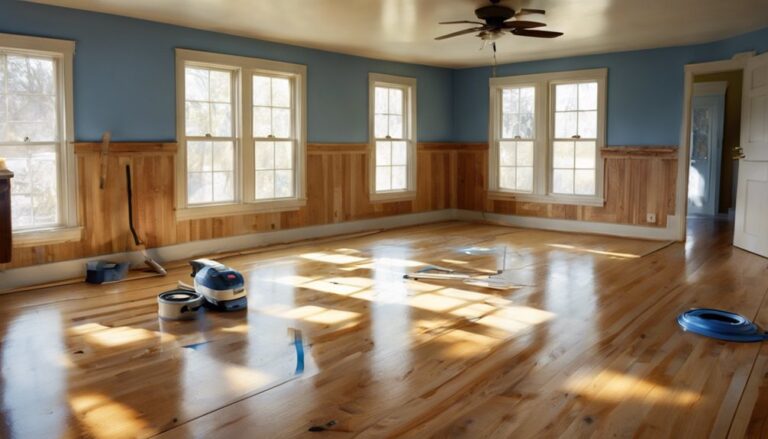
First, remove any furniture or objects around the scratched area. Use a soft, damp cloth to wipe away dirt and dust. A clean area helps in seeing scratches better. Be gentle to avoid making more scratches. Always use a cloth that won’t damage the wood. Clean a larger area to ensure even work later.
After cleaning, the floor needs to be dry. Use a dry, soft towel to remove any moisture. This step is very important before fixing scratches. Wet surfaces can cause more harm. Let the floor air dry for a while. A dry floor ensures better results.
Fixing Surface Scratches
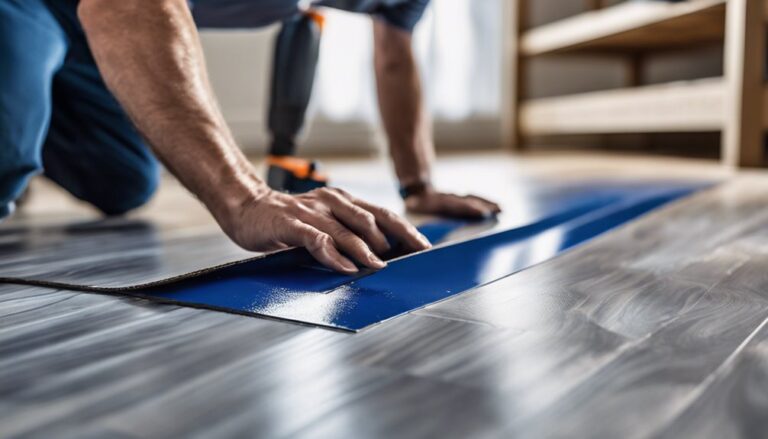
A wood marker can hide scratches. Choose a color that matches your floor. Clean the scratched area first. Then, gently rub the marker over the scratch. Wipe away extra color. Let it dry. The scratch will look less visible.
Scratch concealers work well on hardwood floors. Buy one from a store. Apply it to the scratch. Use a soft cloth. Rub it in gently. Buff the area for a shiny finish. Scratches will seem gone.
Repairing Deep Scratches
Deep scratches need special care. First, clean the scratch area. This helps the putty stick. Use a soft cloth. Wood putty is your friend here. Take a little bit of putty. Press it into the scratch. Use a putty knife to make it smooth. Let it dry. Drying takes some time. Read the putty instructions. Once dry, the surface will look better. Sometimes, the color might be off. Use a matching wood stain for color.
Sanding helps make the floor smooth. Use fine-grit sandpaper. Rub it gently on the scratch. Be careful not to sand too much. Dust will appear. Wipe it away with a cloth. After sanding, the floor might look dull. Refinishing brings back the shine. Apply a wood finish that matches your floor. Let it dry well. This makes the floor look like new.
Polishing And Sealing
Removing scratches from hardwood floors involves careful polishing and sealing. Begin by cleaning the surface to remove debris. Next, use a wood floor polish to buff out minor scratches. Finish with a sealant to protect the floor and enhance its shine.
Using A Floor Polisher
Using a floor polisher can make your hardwood shine. First, clean the floor. Remove all dust and dirt. Then, choose the right polish. Apply it with the polisher. Move it in a circular motion. This helps fill scratches. Make sure to cover every part of the floor. Be gentle to avoid more scratches. The floor will look better. It will also feel smooth.
Applying A Protective Sealant
Protective sealants guard your floor. They stop new scratches. First, clean the floor well. Next, apply the sealant. Use a brush or roller. Cover the whole floor. Let it dry. It forms a shield. This keeps the floor safe. The sealant also makes the floor shiny. It looks new and fresh.
Preventing Future Scratches
Furniture pads are small and soft. They go under furniture legs. These pads help prevent scratches on the floor. You can find them in stores easily. They come in many sizes. Choose the right size for your furniture. Pads are sticky on one side. This helps them stay in place. Check them often. Make sure they are not worn out. If they are, replace them. This simple step keeps floors safe.
Cleaning regularly helps keep floors shiny. Use a soft broom for dust. A vacuum with a hardwood setting is good too. Avoid using water on wood floors. Water can damage the wood. Use a damp mop instead. Wipe spills quickly. Do not let them sit. This prevents stains and scratches. Polish the floor every few months. This adds a protective layer. It also makes the floor look new.
:strip_icc()/BHG-how-to-get-scratches-out-of-wood-floors-03-49486-1-1839929dd43143bba6af589be87fd535.jpg)
When To Call A Professional
Scratches on hardwood floors can be tricky. Some are deep and hard to fix. It’s important to know when to call for help. Deep scratches might need expert care. Surface scratches can be fixed at home. If you see a deep scratch, it might go into the wood. That is a sign to call a professional. They have special tools and skills.
Check the scratch. Is it shallow or deep? Shallow scratches are on the surface. They are easier to fix. Deep ones need more work. Sometimes, they need sanding. This is hard to do yourself.
Look for an expert in your area. Make sure they know about hardwood floors. Ask them questions. How much do they charge? Can they show you their past work? This helps you choose the right person. A good expert makes your floor look new again.
Frequently Asked Questions
How Do Scratches Affect Hardwood Floors?
Scratches can dull the floor’s finish and reduce its aesthetic appeal. Over time, they may lead to more severe damage. Regular maintenance and timely repair are crucial to prevent deeper scratches. Addressing scratches promptly helps in maintaining the floor’s beauty and longevity.
Can Vinegar Remove Scratches From Hardwood?
Vinegar alone won’t remove scratches but can clean the surface. Mix vinegar with olive oil for a DIY scratch repair solution. Apply it to the scratch and buff gently. This mixture can help minimize the appearance of minor scratches on hardwood floors.
What Household Items Fix Floor Scratches?
Common items like walnuts, baking soda, and olive oil can help. Rub a walnut on light scratches to minimize them. A baking soda paste can also help buff out minor scratches. Olive oil can enhance the appearance by adding shine and reducing scratch visibility.
Do Floor Waxes Repair Scratches?
Floor waxes can help fill and disguise minor scratches. They add a protective layer that enhances the floor’s shine. Regular waxing can maintain the floor’s finish and reduce scratch visibility. However, deep scratches may require professional repair or refinishing.
Conclusion
Preserving the beauty of your hardwood floor is important. Scratches can make your floor look dull. Regular cleaning helps prevent damage. Use gentle techniques for scratch removal. Try natural remedies like vinegar and olive oil. Apply with a soft cloth for best results.
Consider professional help for deep scratches. Their expertise can restore the floor’s charm. Protecting floors from scratches saves time and effort. Use rugs or pads under furniture. They reduce the risk of scratches. Keep your hardwood floor shining bright. Enjoy its elegance with proper care and maintenance.
Your home deserves it.