
Are you tired of seeing dirt and stains in the grout lines of your tile floor? You’re not alone.
Many homeowners struggle with keeping their tile floors looking fresh and clean. The secret to maintaining that pristine look lies in sealing your grout. By taking this simple step, you can protect your floors from unwanted grime and moisture, ensuring they remain beautiful for years to come.
Imagine walking into your kitchen or bathroom and feeling proud of your sparkling tile floor. With the right approach to sealing grout, this dream can become your reality. This guide will walk you through the process, providing easy-to-follow steps to help you achieve professional results without breaking the bank. Don’t let dirty grout steal the spotlight from your beautiful tiles any longer. Dive in to discover how you can take control and elevate the look of your home.
Why Sealing Grout Is Important
Grout keeps tiles together. It stops water from getting under tiles. Water damage can ruin floors. Sealing grout makes it strong. It stops dirt and spills. Clean floors look nice. They also last longer. Sealed grout is easy to clean. Dirt does not stick. Spills wipe away fast. Sealing saves time and money. Protect your floors. Keep them looking new.
:max_bytes(150000):strip_icc()/SPR-grout-sealer-definition-1821387-hero-362aa3feece248a0b475765b8ea0e925.jpg)
Choosing The Right Sealer
Different sealers serve different purposes. Penetrating sealers soak into the grout. They form a barrier inside. Topical sealers stay on the surface. They create a shiny layer. Enhancing sealers darken the grout. They make it look richer. Choose based on your needs. Each type has its own benefits.
Consider the location of the tile. Is it in the kitchen or bathroom? Moist areas need strong protection. Think about the appearance you want. Shiny or natural? Check the application process. Some are easy to apply. Others take more time. Durability is also key. You want it to last long. Always read the label.
Tools And Materials Needed
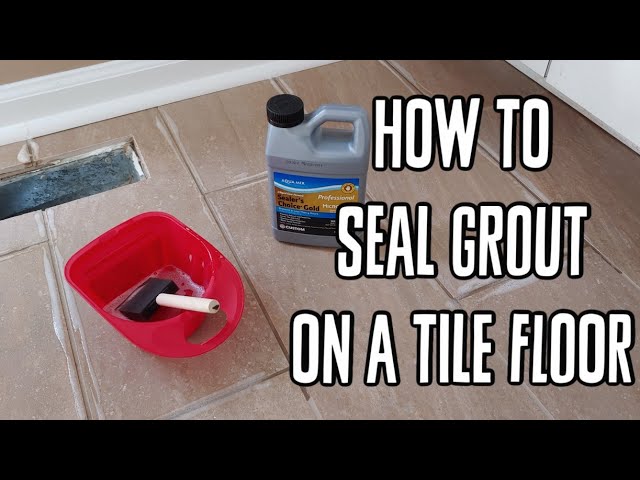
You need some tools to seal grout. These include a grout sealer and a clean cloth. A small brush is helpful too. The brush helps apply sealer evenly. You might also need a bucket. Use the bucket for rinsing the cloth. Clean water is important. It keeps the cloth fresh and clean. A sponge can be useful. Sponges soak up extra sealer. Don’t forget safety glasses. They protect your eyes from splashes. Wear gloves to keep hands clean. Check you have everything before starting. Being prepared makes the job easier and faster.

Preparing The Tile Floor
Grout must be clean before sealing. Use a soft brush to scrub. Warm water helps remove dirt. Avoid harsh cleaners. They damage grout. Gentle soap is safe to use. Rinse well with clean water. Dry cloth removes extra water. Check for stains or spots. Repeat cleaning if needed. Spotless grout seals better.
Dry surface is key. Use fans to speed up drying. Open windows for airflow. Wait until no water drops remain. Touch grout to check dryness. Dry grout feels smooth. Wet grout needs more drying time. Drying prevents sealing issues. Patience is important here.
Applying The Grout Sealer
Use a small brush or roller for the grout sealer. Apply it slowly. Cover all grout lines evenly. Avoid spilling on tiles. Wipe spills quickly with a damp cloth. Check twice to ensure coverage. This keeps tiles looking neat and clean.
Do not rush the sealing process. It leads to uneven coating. Do not forget to clean tiles first. Dirt can block the sealer. Avoid using too much sealer. It can form a sticky layer. Read the instructions carefully. Follow them step by step. These tips help in achieving a smooth finish.
Curing And Setting Time
Grout needs time to cure and set properly. This usually takes around 24 to 48 hours. It is important to avoid walking on the tiles during this time. This helps the grout to get strong and stay in place. After the grout has set, it is ready for sealing. Sealing protects the grout from dirt and water. It also helps keep the grout color looking new and fresh.
Before sealing, make sure the grout is completely dry. Use a fan or open windows for air circulation. This speeds up the drying process. Always follow the instructions on the grout package. It helps ensure the best results.
Maintaining Sealed Grout
Keep grout clean to make it last longer. Use a soft brush for gentle scrubbing. A mild detergent works best for cleaning. Avoid harsh chemicals that can harm grout. Dry the floor with a clean cloth. This prevents water from sitting on grout. Clean spills quickly to stop stains. Regular cleaning keeps grout bright and fresh.
Grout sealer does not last forever. It needs a touch-up sometimes. Check it every 6 to 12 months. Drop a little water on the grout. If the water soaks in, it needs sealing. If it stays on the surface, the sealer is good. Reapply when needed to keep grout strong. This helps prevent stains and damage.
/SPR-grout-sealer-definition-1821387-hero-362aa3feece248a0b475765b8ea0e925.jpg)
Troubleshooting Sealing Issues
Grout sometimes doesn’t seal well. This could lead to moisture problems. First, check if the grout is clean and dry. Any moisture can cause sealing issues. Clean the grout with a soft brush. Let it dry for a day. Then, try sealing again.
Sometimes, the sealant isn’t applied evenly. This can cause patchy sealing. Use a small brush or roller. Apply the sealant with even strokes. Make sure to cover all grout lines. Wait for it to dry. Apply a second coat if needed.
If the sealant still doesn’t work, check its expiration date. An old sealant may not work well. Always use a fresh product. This helps ensure the grout is protected.
Frequently Asked Questions
Why Should I Seal Grout On Tile Floors?
Sealing grout protects it from stains, moisture, and mold. It extends the lifespan of your tile floor. Sealed grout is easier to clean and maintain. It’s an important step for preserving the appearance and integrity of your flooring.
How Often Should Grout Be Sealed?
Grout should typically be sealed every 1 to 2 years. High traffic areas may need more frequent sealing. Regular inspection helps you determine the right sealing schedule. Proper maintenance ensures grout stays in good condition.
Can I Seal Grout Myself?
Yes, sealing grout is a DIY-friendly task. Use a good quality grout sealer and follow instructions carefully. Ensure grout is clean and dry before sealing. It’s a cost-effective way to maintain your tile floors.
What Tools Are Needed To Seal Grout?
You’ll need a grout sealer, applicator brush, and clean cloth. A sponge or spray bottle can also be useful. Ensure you have protective gloves and goggles. These tools make the sealing process efficient and effective.
Conclusion
Sealing grout protects your tile floor and keeps it looking fresh. It’s a simple process that saves time and effort in the long run. Clean the tiles thoroughly before applying the sealant. Pick a quality sealant for best results. Follow instructions carefully.
Regular sealing keeps grout from cracking and staining. It extends the life of your tile floor. Enjoy a clean, bright surface. No more worries about dirt or damage. A well-sealed floor is a great investment. Keep your home beautiful and your tiles shining.
Happy sealing!