
Have you ever found yourself wandering through the aisles of a flooring store, surrounded by countless options, and wondering what LVP stands for in flooring? If so, you’re not alone.
With so many acronyms and terms tossed around in the flooring industry, it’s easy to feel overwhelmed. But don’t worry; you’re in the right place to unravel this mystery. LVP is more than just a term; it represents a flooring choice that might be perfect for your home.
Imagine having floors that are not only stunning but also practical and durable. Whether you’re renovating your space or just curious about flooring options, understanding LVP can transform your approach to home design. Are you ready to discover how LVP can revolutionize your living space and why it might be the ideal choice for you? Keep reading, and you’ll uncover everything you need to know about this popular flooring option.
Lvp Definition
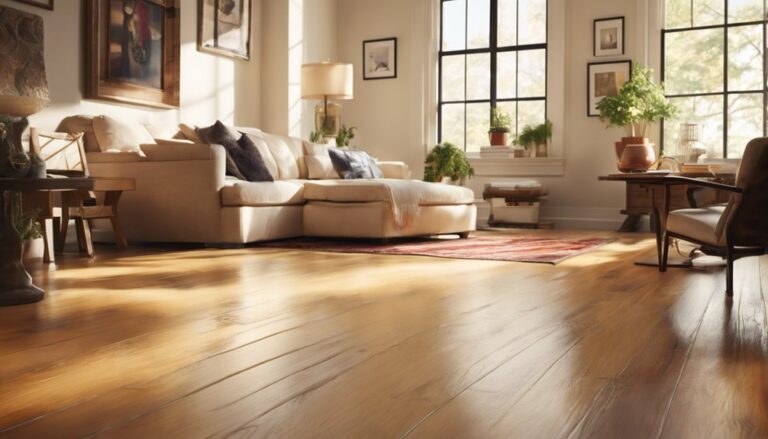
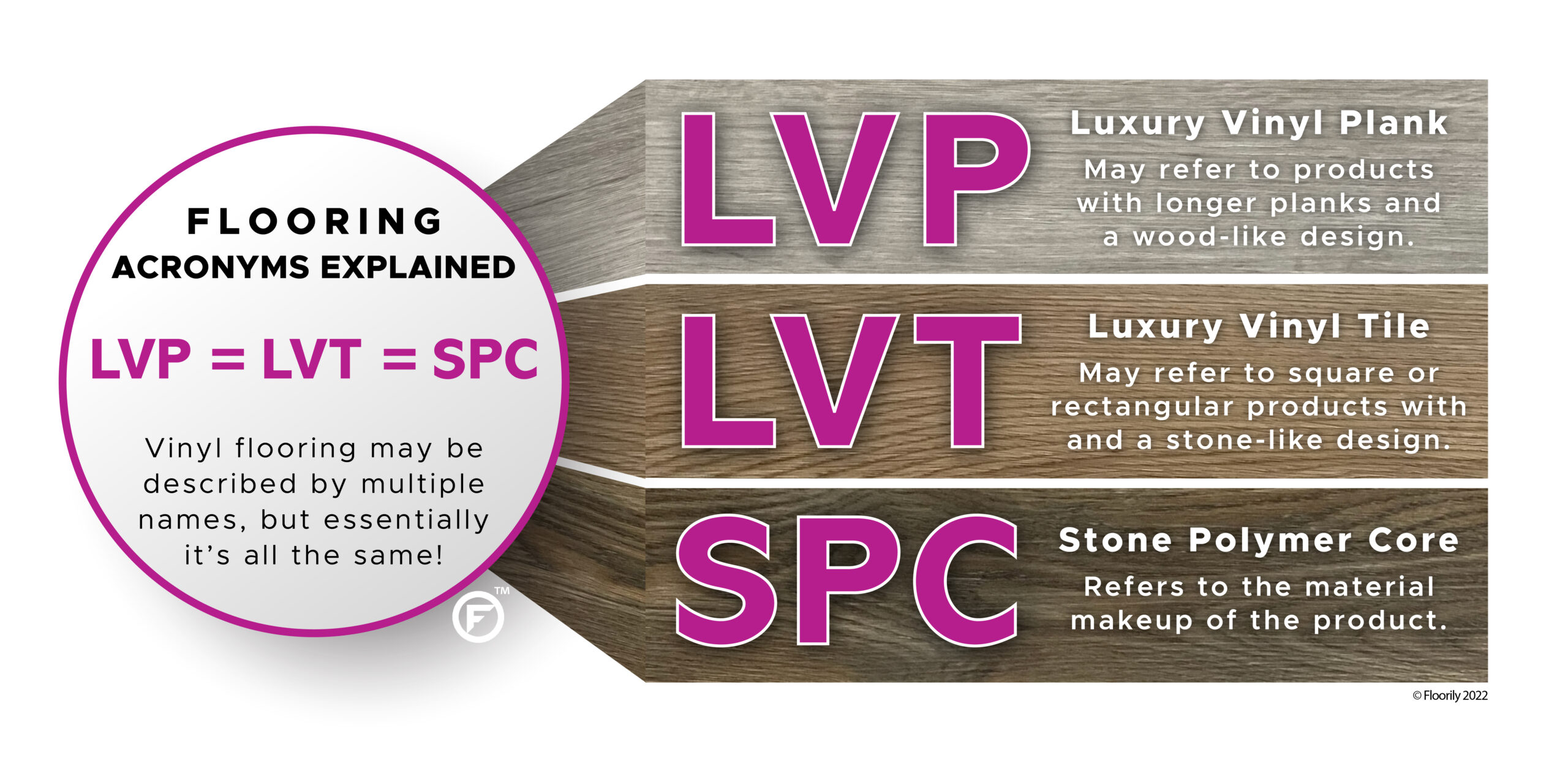
LVP stands for Luxury Vinyl Plank. It is a type of flooring. Many people like it for its realistic wood look. LVP is strong and lasts a long time. It is also waterproof. This makes it a good choice for kitchens and bathrooms. LVP is easy to clean. Just sweep or mop it.
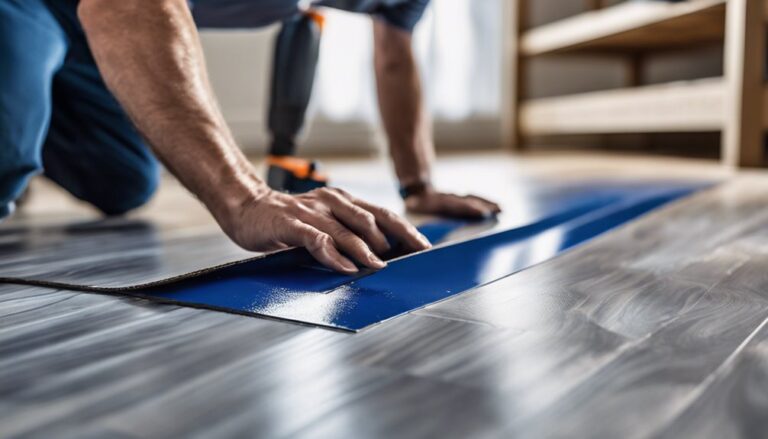
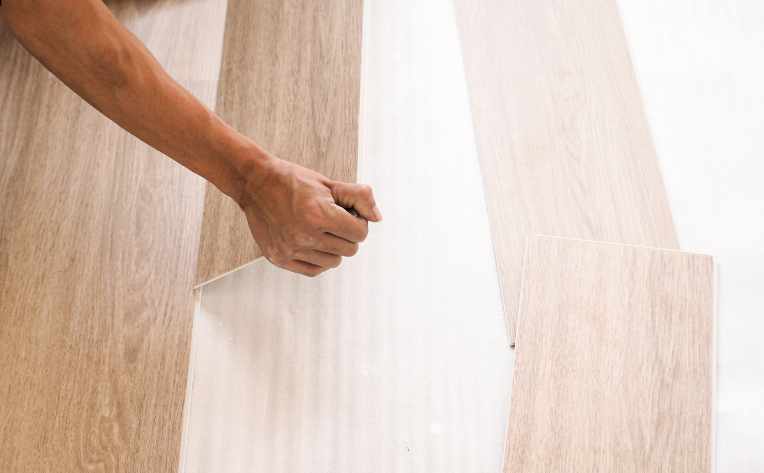
Installing LVP is simple. Pieces click together like a puzzle. This means no glue is needed. LVP flooring is also affordable. It costs less than real wood floors. Many colors and styles are available. This lets you choose the perfect look for your home. LVP is a smart choice for many homes.
Key Features Of Lvp
LVP flooring is very strong. It can handle heavy foot traffic. It is perfect for homes with kids and pets. The top layer is scratch-resistant. This helps it stay looking new. It also does not dent easily. LVP lasts for many years. It is a smart choice for busy homes.
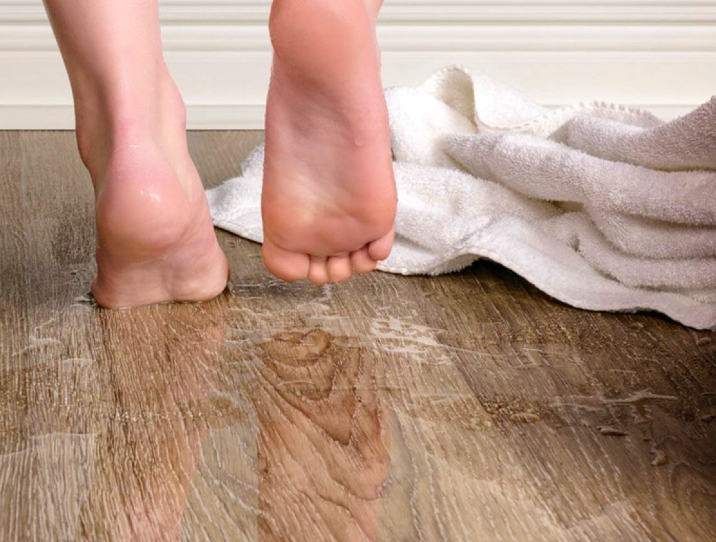
LVP is great in wet areas. It is water-resistant. This means it does not get damaged by water. Kitchens and bathrooms can use it safely. Spills are easy to clean. The floor stays dry and safe. LVP protects against moisture.
Installing LVP is simple. Many pieces click together. No glue is needed. It can go over most subfloors. This saves time and effort. DIY projects are possible with LVP. It is perfect for quick home updates.
Comparing Lvp With Other Flooring Options
LVP stands for Luxury Vinyl Plank, offering realistic wood-like appearance. It competes with tile, laminate, and hardwood flooring. Durable and water-resistant, LVP suits various spaces in your home.
Lvp Vs. Hardwood
LVP is less costly than hardwood. It is also easier to install. Hardwood can scratch easily. LVP is more durable in busy homes. Hardwood gives a natural look. LVP can look like wood. But, it is not real wood. Hardwood can last a lifetime with care. LVP has a shorter life.
Lvp Vs. Laminate
LVP is water-resistant. Laminate is not. LVP is good for bathrooms and kitchens. Laminate can swell with water. Both can look like wood. But LVP feels softer underfoot. Laminate is usually less expensive. LVP can be quieter when walked on.
Lvp Vs. Tile
LVP is softer than tile. It is also warmer underfoot. Tile is very hard and cold. LVP is easier to install. Tile can be slippery when wet. LVP is water-resistant, great for wet areas. Tile often lasts longer but can crack.
Benefits Of Choosing Lvp
LVP flooring costs less than wood. It’s a budget-friendly choice. You save money while getting a stylish look. Many people choose LVP for its cost. The price is good for most families.
LVP can look like wood or stone. It fits in any room. You can use it in kitchens, bathrooms, and basements. It works well with many designs. Change styles without changing floors.
LVP floors are easy to clean. Just use a mop or broom. No special cleaner needed. Spills can be wiped up fast. It resists scratches and dents. Keep it looking new with little effort.
Popular Lvp Design Trends
Many people love LVP that looks like wood. It feels warm and cozy. Oak, pine, and walnut are popular choices. These designs add a touch of nature to homes. The wood look is both classic and trendy. It can suit any room in the house. Kitchens, living rooms, and even bathrooms. The wood look is easy to clean and maintain. A great choice for busy families.
LVP with a stone look gives homes a grand feel. It mimics materials like marble and slate. The stone look is both elegant and durable. It fits well in foyers and bathrooms. It can also work in living rooms for a chic feel. The stone look brings a touch of luxury. Easy to clean and perfect for any style.
Patterned LVP is for the bold and creative. It features geometric shapes and artistic designs. These patterns can make any room pop. They add fun and character to spaces. Ideal for playrooms and modern kitchens. Patterned designs are unique and lively. They make homes stand out.
Installation Tips For Lvp
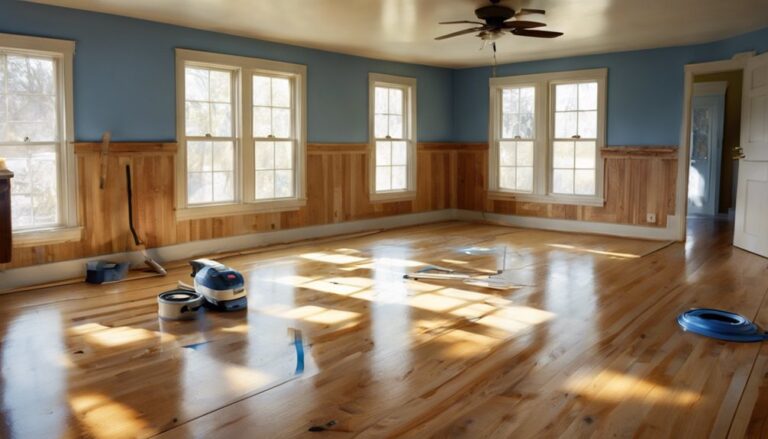
The subfloor must be clean and dry. Remove any dirt or debris. Make sure it’s level. Fill any holes with patching compound. Check for any moisture. It can damage the LVP. Use a moisture meter if needed.
- LVP planks
- Utility knife
- Measuring tape
- Carpenter’s square
- Pencil
- Rubber mallet
- Moisture barrier
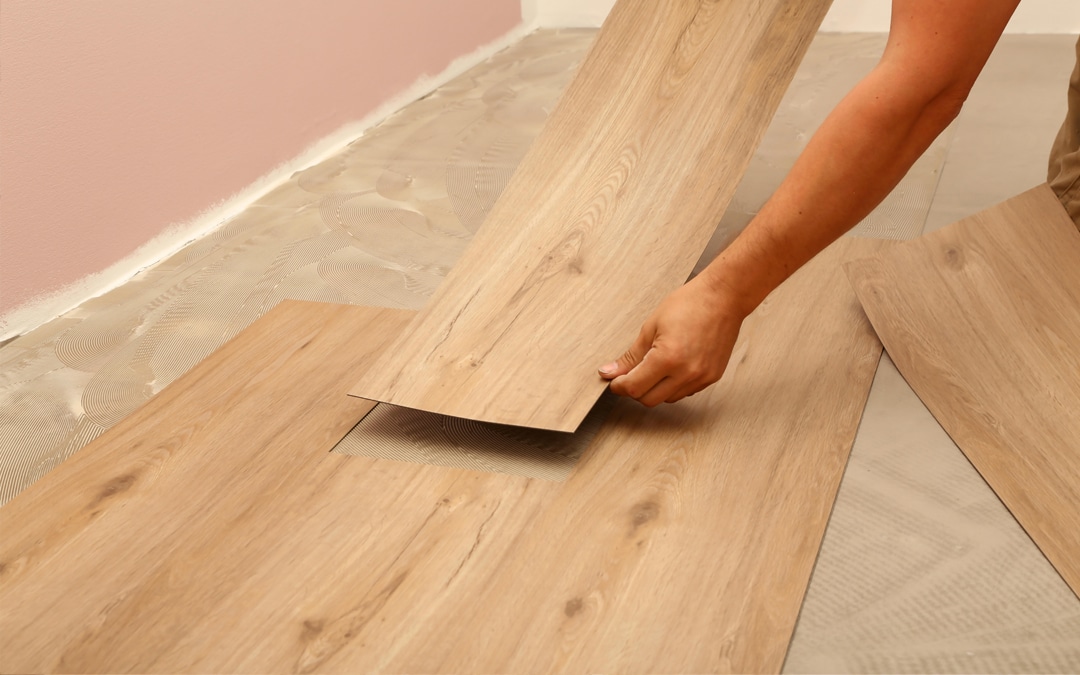
Start by laying the first row along the wall. Use spacers to leave a gap for expansion. Cut the last plank to fit. Begin the second row with the leftover piece. This makes the floor look nice. Use a rubber mallet to click planks together. Check alignment often. Make adjustments as needed. Continue until the floor is covered.
Caring For Lvp Flooring
Use a soft broom to sweep your floors daily. This helps remove dust and dirt. For deeper cleaning, use a damp mop. Ensure the mop is not too wet. Too much water can harm the floor. Choose a cleaner made for vinyl floors. Avoid strong chemicals. They can damage the floor surface.
Place mats at doorways to trap dirt. Use felt pads under furniture legs. This stops scratches. Keep pet nails trimmed. Long nails can scratch the flooring. Avoid dragging heavy items across the floor. Lift them instead.
Small scratches can be fixed easily. Use a vinyl repair kit. These kits have all you need. Follow the instructions carefully. For deeper scratches, you may need a professional. Protect your floor to avoid future damage.
Frequently Asked Questions
What Does Lvp Mean In Flooring?
LVP stands for Luxury Vinyl Plank. It’s a type of flooring that mimics hardwood with realistic textures and designs. LVP is known for its durability, water resistance, and affordability, making it a popular choice for both residential and commercial spaces.
Its easy installation adds to its appeal.
Is Lvp Flooring Waterproof?
Yes, LVP flooring is waterproof. Its composition makes it resistant to water damage, making it ideal for kitchens and bathrooms. Unlike traditional wood flooring, LVP does not warp or swell when exposed to moisture, providing a long-lasting and low-maintenance solution for homeowners.
How Does Lvp Compare To Hardwood?
LVP is more affordable and easier to maintain than hardwood. It offers a similar aesthetic without the high cost. While hardwood can be susceptible to scratches and water damage, LVP is durable and resistant. Additionally, LVP is easier to install, making it a convenient choice for DIY projects.
Can Lvp Be Installed Over Existing Floors?
Yes, LVP can often be installed over existing floors. It requires a smooth, clean surface. This feature allows for quick renovations without extensive floor preparation. However, it’s essential to ensure the underlying floor is in good condition to prevent issues with the LVP installation.
Conclusion
LVP stands for Luxury Vinyl Plank in flooring. It’s a popular choice. Why? Because it’s affordable and durable. Easy to install too. Great for homes and businesses. LVP mimics real wood or stone. Offers a stylish look. Resists scratches and moisture.
Perfect for busy areas. Easy maintenance. Just sweep and mop. Fits various design preferences. Offers versatility and warmth. People love the variety. Enhances any room’s beauty. Consider LVP for your next project. It combines style and practicality. A smart flooring option for many.
Explore its benefits today. Find the perfect match for your space.