
Are you planning to upgrade your floors but feeling overwhelmed by the choices? You’re not alone.
Vinyl and laminate flooring are two popular options that often leave homeowners scratching their heads. Which one is better for your space? What about durability, cost, and appearance? These are the questions that might be swirling around in your mind.
Understanding the differences between vinyl and laminate flooring can save you time, money, and frustration. So, let’s dive into what sets these flooring types apart, helping you make the best decision for your home. Stick around to discover which option will meet your needs and exceed your expectations.

Material Composition
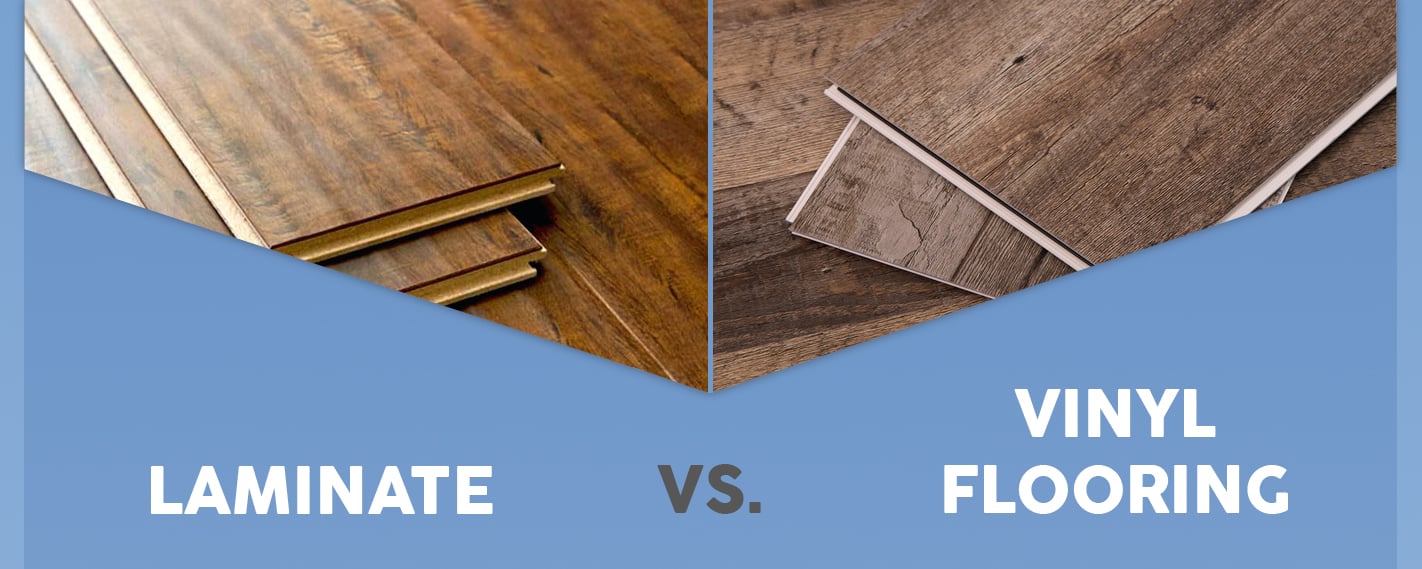
Vinyl flooring is made of plastic. It often has several layers. The top layer is a protective coat. This keeps the floor safe from scratches and stains. Below that is the design layer. It can look like wood or stone. Beneath is the core layer. This makes vinyl strong and waterproof. Vinyl is great for wet areas like bathrooms and kitchens.
Laminate flooring is made of wood fibers. The top layer is a clear coat. This protects against wear. Beneath is the design layer. It looks like real wood. The core is made of high-density fiberboard. This makes laminate strong but not waterproof. It’s best for living rooms and bedrooms. Keep it away from water.
Durability And Lifespan
Vinyl flooring is very strong. It can handle a lot of foot traffic. Scratches and dents are not common with vinyl. This makes it ideal for busy places. Laminate flooring is also tough. It is great for homes with kids and pets. But, it may get scratched or chipped over time. Careful cleaning helps keep it nice.
Vinyl lasts a long time. It can last over 20 years if cared for well. Laminate does not last as long. It can last 10 to 15 years. Regular care can help it last longer. Both types are good, but vinyl may last longer.
Installation Process
Vinyl flooring offers water resistance, making it ideal for wet areas. Laminate flooring is known for its authentic wood appearance and durability. Both have straightforward installation processes, with vinyl often being easier due to its flexibility and click-lock system.
Ease Of Installation
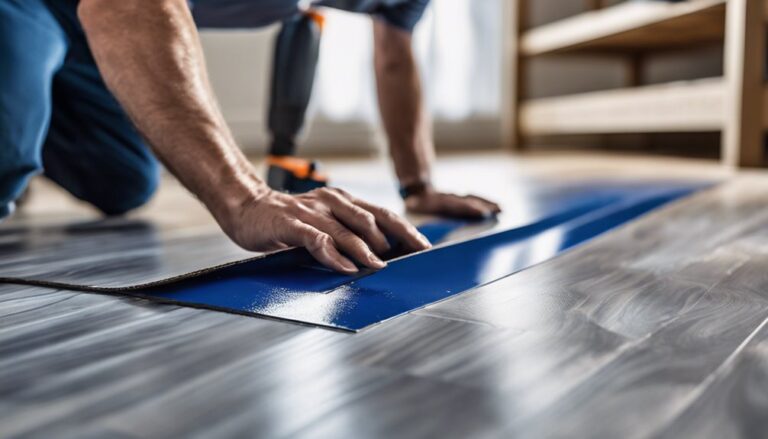
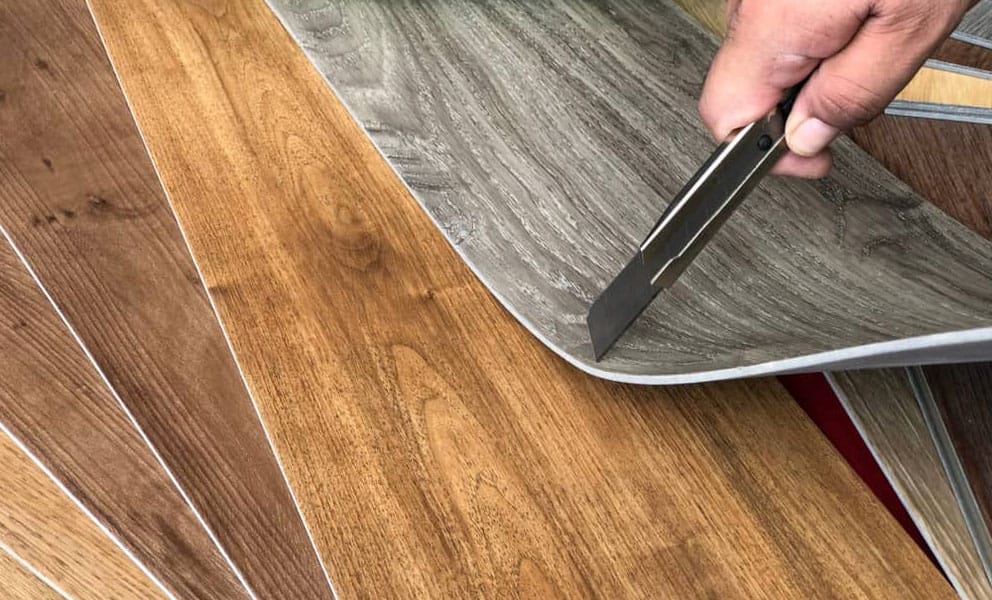
Vinyl flooring is often easier to install. It comes in sheets or tiles. People just place them down. Laminate flooring requires more effort. It’s like a puzzle. You snap pieces together. Both types can be installed quickly. A weekend is enough.
Tools And Materials Required
| Flooring Type | Tools Needed | Materials Needed |
|---|---|---|
| Vinyl | Utility knife, Measuring tape | Adhesive, Vinyl sheets/tiles |
| Laminate | Saw, Hammer, Tape measure | Underlayment, Laminate planks |
Both types need basic tools. Vinyl needs fewer tools. Laminate requires more tools. Laminate planks can be tricky. Be patient and careful.
Water Resistance
Vinyl flooring is known for its excellent water resistance. It handles moisture well. This makes it ideal for places with lots of water. Like bathrooms. And kitchens. Vinyl is made of waterproof materials. It can survive spills and splashes. This keeps it looking good for years.
Laminate flooring is different. It doesn’t like water as much. It can swell if wet for too long. This is why it’s not great for bathrooms. Or kitchens. But it can work in other rooms. Where water is not a problem. Laminate needs extra care. To keep it safe from water.
Aesthetic Appeal
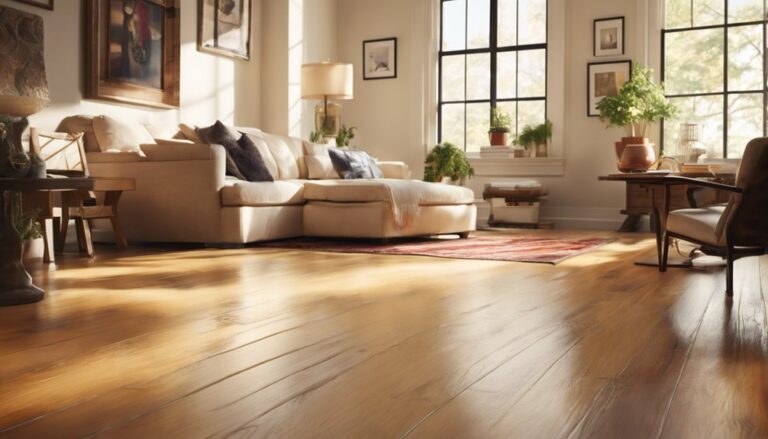
Vinyl flooring mimics natural wood, offering a sleek look with moisture resistance. Laminate flooring provides a wood-like appearance with a sturdy, scratch-resistant surface. Both offer unique styles, catering to different aesthetic preferences.
Variety Of Designs And Styles
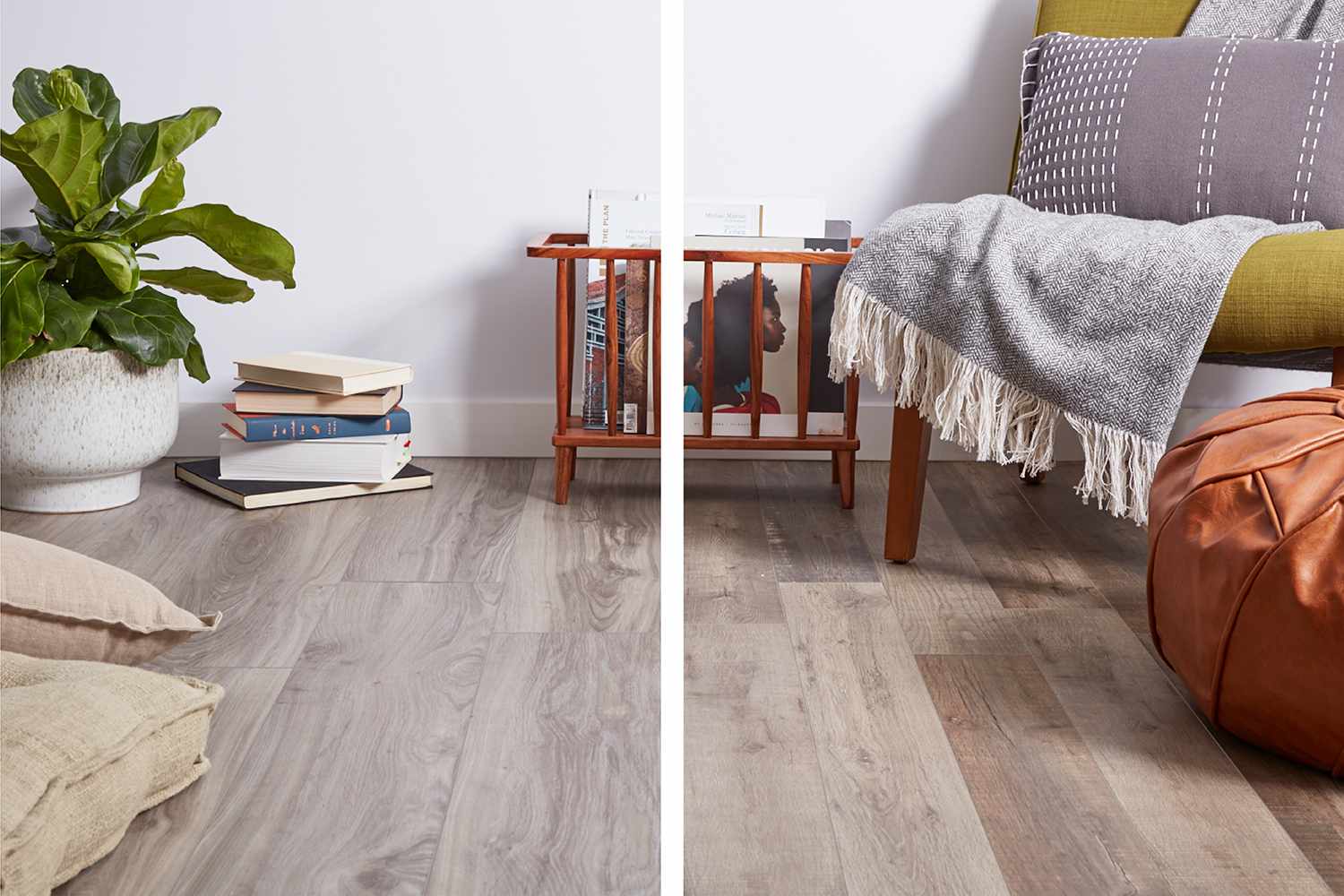
Both vinyl and laminate flooring offer many designs. They come in different colors and patterns. This variety helps match any room style. Vinyl can mimic stone or tile. Laminate often looks like wood. Both options are popular for homes. They can fit any decor theme. This makes them a great choice for many. You can find simple or bold designs. Both floors offer great choices for your home.
Realistic Look And Feel
Laminate flooring often feels like real wood. It’s smooth and warm under your feet. Vinyl can look like wood or stone. It is softer to touch. Vinyl is more water-resistant. This makes it good for wet areas. Laminate is more like real wood in looks. But vinyl can be more durable in wet places. Both provide a good look and feel for homes. They are both stylish and practical.
Cost Comparison
Vinyl flooring often costs less than laminate. It is a budget-friendly choice. You can find vinyl for as low as $1 per square foot. Laminate flooring usually starts at a higher price. It can cost around $2 per square foot or more. Both options offer a range of prices depending on quality.
Both vinyl and laminate offer good value over time. Vinyl flooring is highly durable. It can last for many years without much wear. It resists water and scratches well. Laminate flooring also lasts long. It can handle foot traffic and daily use. But water can damage it if not careful. Choosing the right flooring depends on your needs and budget.
Environmental Impact
Vinyl flooring is made from synthetic materials. These are not always from sustainable sources. It relies heavily on petrochemicals, which are not renewable. In contrast, laminate flooring often uses wood-based materials. These can be more sustainable. Some laminate floors use recycled wood. This makes them a better choice for the environment.
Vinyl flooring is not easy to recycle. This can lead to more waste. Disposal can be tricky. It often ends up in landfills. Laminate flooring is slightly better. Some parts can be recycled. But, not all laminate materials are recyclable. Proper disposal is important. It helps reduce environmental harm.
Maintenance And Care
Vinyl flooring is easy to clean. You only need a damp mop. Use mild soap for stains. It dries quickly and looks shiny. Regular sweeping keeps dirt away.
Laminate flooring needs more care. Use a dry mop for dust. Wet mops can harm it. Always use a special cleaner. Keep it dry to avoid damage.
Vinyl is more flexible. It’s easier to fix small scratches. For large damage, replace a piece. It matches well with the rest.
Laminate can be tricky. Scratches need special kits. Replace damaged boards for large issues. It takes more effort than vinyl.
Frequently Asked Questions
What Are Vinyl Flooring Benefits?
Vinyl flooring is durable, water-resistant, and affordable. It’s easy to install and maintain, making it great for busy spaces. It offers a wide range of styles and colors, mimicking wood and stone. Vinyl is ideal for kitchens, bathrooms, and basements due to its resilience and low cost.
Is Laminate Flooring Easy To Clean?
Yes, laminate flooring is easy to clean. Regular sweeping or vacuuming removes dust and debris efficiently. Use a damp mop for deeper cleaning without soaking the floor. Avoid harsh chemicals; they can damage the surface. Laminate’s smooth finish makes maintaining its appearance simple and hassle-free.
Which Is More Scratch-resistant?
Laminate flooring is more scratch-resistant than vinyl. It has a tough top layer that withstands daily wear and tear. Laminate’s durability makes it suitable for high-traffic areas and homes with pets. Vinyl, while durable, is softer and more prone to scratches from sharp objects.
Can Vinyl Flooring Mimic Wood?
Yes, vinyl flooring can mimic wood textures and grains. It’s designed to resemble hardwood floors closely. Vinyl offers various wood patterns and colors, providing versatility in design. It’s an affordable alternative to real wood, combining visual appeal with durability and easy maintenance.
Conclusion
Choosing between vinyl and laminate flooring involves understanding their features. Vinyl offers water resistance, ideal for bathrooms and kitchens. Laminate provides a wood-like appearance at a lower cost. Both are durable, but vinyl suits humid areas better. Installation is straightforward for both, appealing to DIY enthusiasts.
Consider your home’s needs, budget, and aesthetic preferences. With this knowledge, you can make an informed decision. Whether you prioritize water resistance or style, there’s a flooring option for you. Evaluate your lifestyle and space to choose wisely. Your perfect floor awaits!