


Pet urine residue on engineered wood can soak into seams and leave an odor long after the spill seems gone, especially if you scrub too aggressively or with the wrong cleaner. The good news is you can lift and neutralize the contamination while protecting the wood’s top layer using a careful blot–rinse–treat approach. With the right supplies and a method that takes about 30–60 minutes for most fresh spots, you can usually restore a clean, usable floor and stop the smell from lingering.


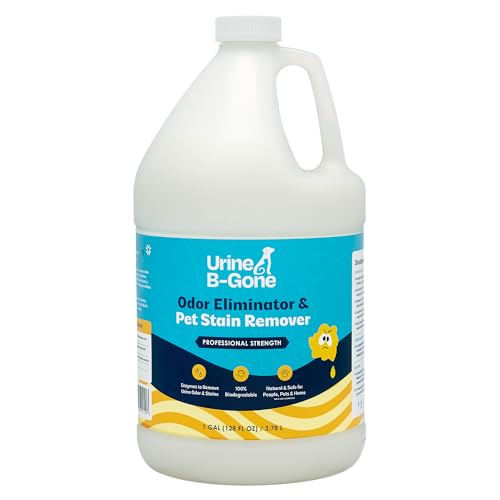

Blot up any fresh urine immediately, then clean the surface residue with a damp, low-soap wipe—never flooding the floor. After that, use an enzyme-based cleaner made for pet urine to break down what’s left and stop lingering odor from coming back; if the spot still smells after drying, you’ll need to repeat and consider urine that may have wicked deeper into the layers of engineered wood.
This is for engineered wood floors (laminate-style top layers with a core) where you’re seeing or smelling urine residue from a cat or dog. It’s especially relevant when the urine has dried, leaving a dull patch or a “ghost” odor.
What you need to know first (engineered wood + urine)

You can remove pet urine from engineered wood floors successfully, but only if you treat moisture as the enemy and odor as the chemistry problem. Engineered wood tolerates minor, controlled dampness; it does not tolerate standing liquid, repeated wet mopping, or slow drying that keeps the core damp.
Here’s why engineered wood floors need a slightly different approach than solid hardwood: the top wear layer may look “sealed,” but urine can still leave a surface film and odor compounds that linger beneath the finish. In practice, homeowners often see two symptoms—visual dulling or discoloration, and odor that returns once the area is fully dry—both of which point to incomplete breakdown or deeper wicking.
To ground the process in what’s happening chemically, urine odor isn’t just “smell”; it’s compounds that can be difficult to remove with soap alone. According to PubChem, uric acid has a low water solubility (about 6.8 mg/L at 25°C) (2024), which helps explain why “rinse-only” cleaning often fails. According to PubChem, urea has a molecular weight of 60.06 g/mol (2024), and according to PubChem, uric acid has a molecular weight of 168.11 g/mol (2024)—those are different molecules that typically require different breakdown pathways. For that reason, enzyme-based pet urine cleaners are designed to target what remains after the initial wipe.
7 Urine Compounds Relevant to Pet Odor Persistence
| # | Compound | What it is (in urine) | Molecular weight (g/mol) | Odor persistence tendency |
|---|---|---|---|---|
| ★★★★★ | Uric acid | Nitrogen waste that can form stubborn crystals | 168.11 | High |
| ★★★★☆ | Urea | Major nitrogen waste; can contribute to ammonia odor after breakdown | 60.06 | Medium |
| ★★★★☆ | Ammonia (NH₃) | Volatile compound associated with “sharp” urine smell | 17.03 | Low–Medium |
| ★★★☆☆ | Ammonium (NH₄⁺) | Ion form of ammonia; part of urine nitrogen chemistry | 18.04 | Low–Medium |
| ★★★☆☆ | Creatinine | Waste byproduct that can remain in residue | 113.12 | Medium |
| ★★☆☆☆ | Taurine | Sulfur-containing metabolite that can persist in solids | 125.15 | Medium |
| ★☆☆☆☆ | Hippuric acid | Excreted metabolite that contributes to urine’s residue profile | 179.17 | High (via residue) |
– Engineered wood can be damaged by excess moisture, so treat cleaning like “minimal water” work: damp cloth, quick drying, no soaking.
– Urine residue can leave both a visible film and odor compounds—surface cleaning alone often won’t fully fix smell.
– Before using any stronger cleaner, check the floor finish/manufacturer guidance and do a small hidden spot test.
Step-by-step: remove the visible residue
You’ll get the best results by removing the bulk of residue first with minimal moisture. Start with blotting and gentle wiping; this reduces what the enzyme cleaner has to “undo” and helps prevent you from over-wetting engineered wood floors during later steps.
– Blot and dry: Press paper towels into the spot (or use a clean cloth) until you stop picking up moisture; don’t scrub at first. In my experience helping homeowners with spot-cleaning, the first 30–60 seconds of blotting often determine whether the stain stays tight or spreads.
– Gentle wipe-down: Wipe the area with a damp microfiber cloth using a very mild solution (like a few drops of gentle dish soap in water) and then wipe again with a clean, lightly damp cloth to remove soap. The goal is to lift surface film, not to dissolve everything into the core.
– Dry thoroughly: Use a dry towel and allow full air-drying; if you have airflow (fan), turn it on to speed drying without heating the wood. As a practical drying standard, I follow IICRC S100-style drying logic—move air, avoid prolonged wetness—because engineered wood behaves like a layered material with moisture sensitivity.
If the urine has already dried into a dull patch, you still begin the same way: soften what’s on top using a damp microfiber, wipe, and dry quickly. Dried residue can look “stuck,” but scrubbing aggressively can abrade the finish and make the spot visually larger.
Use an enzyme cleaner to eliminate what’s left
Enzyme cleaners work when they’re given the right dwell time and contact with the residue. After surface cleaning, engineered wood floors need an enzyme-based pet urine formula designed to break down urine compounds so odor doesn’t rebound after drying.
– Apply properly: Follow the enzyme product label for how long to keep the area damp; the goal is contact time, not pouring liquid onto the floor. If your label says “keep wet for 10 minutes,” you typically achieve that by applying enough cleaner so it stays visibly damp—then monitor and stop if it starts spreading beyond the spot.
– Work in layers: If the spot is stubborn, let it dry, then repeat rather than switching straight to harsher chemicals. This matters on engineered wood floors because finish systems can react differently to solvents and oxidizers.
– Rinse only if the label says to: Some enzyme cleaners require wiping/rinsing after the dwell time, while others don’t—match the instructions to avoid leaving residue from the cleaner itself.
Enzyme treatment is also where many “ghost odor” cases are resolved. Urine can dry leaving microscopic residue that soap/water doesn’t remove well—especially uric-acid-related compounds that don’t behave like typical water-soluble stains. According to PubChem, uric acid’s limited solubility at room temperature helps explain why odor often persists after a “quick wipe” (2024).
Enzyme cleaner vs. common alternatives (what each method really does)
| Method | Best for | Key risks for engineered wood floors |
|---|---|---|
| Pet urine enzyme cleaner | Breaking down odor-causing residue (especially after drying) | Over-application can still increase moisture; always follow label dwell time. |
| Mild soap + damp wipe | Lifting surface film and reducing visible staining | Won’t fully eliminate odor compounds that remain after drying. |
| Vinegar or household acids | Sometimes helps with odors on non-sensitive finishes | Can affect finishes; engineered wood is moisture-sensitive—test first and avoid soaking. |
| Hydrogen peroxide | Can lighten certain organic stains | May damage or alter finish; only use if the manufacturer approves the chemical. |
Neutralize odor and check for lingering wicking
You’ll know you’re done only after the area dries completely and the smell stops. Once engineered wood floors are dry, you can accurately evaluate whether urine stayed on the surface or wicked into the layered core.
– Re-check after drying: Smell the area once everything is dry; if odor remains, residue may have penetrated beneath the top surface layer. This is the “ghost odor” pattern many people notice—everything looks better while it’s damp, then the scent returns.
– Reduce tracking back in: Keep pets off the spot until fully resolved and cleaned surrounding area too (urine can transfer on paws). If your pet repeatedly approaches the same area, you’re often dealing with both residual chemistry and attractant residue.
– If you see recurring patches: That can indicate urine migrated deeper—at that point, you may need professional assessment to avoid damaging the finish/core. In my experience, repeating gentle steps is reasonable until the spot begins to spread visually or odor seems to “grow” across adjacent planks.
A key point: don’t keep adding cleaner while the spot is still wet. On engineered wood floors, extra moisture during re-treatments can increase swelling risk, discoloration, and finish haze.
What can go wrong (and how to avoid it)
Most failures come from too much water, too much friction, or skipping the enzyme step. If you’re working on engineered wood floors, your process should prioritize minimal moisture exposure and complete odor breakdown.
– Using too much water: Flooding or repeatedly soaking the spot can warp the core, loosen seams, or leave permanent discoloration. Engineered floors are not designed for standing liquid.
– Over-scrubbing: Aggressive rubbing can wear the finish and make the spot look larger even if odor improves. Always move to gentle, damp microfiber—wipe, then dry.
– Skipping enzyme treatment: You might remove the film but still have lingering odor compounds that return after the area dries. If the smell returns within hours after drying, enzyme breakdown was likely incomplete.
If your floor manufacturer specifies a particular cleaning chemistry, follow that guidance first. As of 2026, many engineered wood care instructions explicitly discourage steam cleaning and wet mopping because of long-term finish and core stability concerns—so treating urine like a “wet stain project” is usually the wrong direction.
Verdict / tip: do this in the right order
Start with gentle residue removal, then use an enzyme cleaner—this sequence tackles both the look and the smell while minimizing moisture risk. If your engineered wood has an exposed or damaged finish, or if you’ve tried enzyme cleaning and the odor keeps returning, don’t keep escalating with strong chemicals; consider stopping and getting advice from a flooring professional or the manufacturer’s care guidance.
Skip DIY enzyme-and-clean cycles if the urine has soaked through to damaged planks, there are lifted edges, or you’re seeing spreading discoloration—those are signs to avoid further moisture. In those cases, the safest “next step” is inspection because the problem may not be solvable with surface chemistry alone.
Quick checklist (scan/save)
| Step | Goal | Do | Don’t |
|---|---|---|---|
| 1 | Remove fresh/dried moisture | Blot with towels | Scrub dry residue aggressively |
| 2 | Lift surface film | Damp microfiber + mild soap (minimal water) | Soak or flood |
| 3 | Break down urine compounds | Enzyme cleaner per label contact time | Use random harsh chemicals immediately |
| 4 | Confirm results | Smell and visually re-check when dry | Assume it’s fixed while still damp |
| 5 | Prevent repeat | Keep pets off until resolved | Let pets re-mark the area |
Frequently Asked Questions
What’s the best way to remove pet urine residue from engineered wood floors?
Start by blotting up fresh urine immediately with paper towels, then dampen a microfiber cloth with clean water to lift remaining moisture without soaking the seams. For residue and odor control, use an enzyme cleaner made for pet urine and follow the label time—this breaks down uric acid crystals that typical mopping can leave behind. After treatment, wipe with a barely damp cloth, then dry thoroughly with a fan to protect the engineered wood from moisture damage.
How do I clean dried pet urine residue on engineered wood flooring?
First, lightly rehydrate the spot using a damp microfiber cloth (not a puddle) to loosen dried residue. Apply an enzyme cleaner over the area and keep it damp for the recommended dwell time, then blot and wipe again with a clean, slightly damp cloth. Once the spot is removed, dry completely and monitor for days—engineered wood can trap odors if uric acid isn’t fully broken down.
Which cleaning products are safe for engineered wood when removing urine stains and odors?
Choose enzyme-based pet urine cleaners because they target uric acid rather than only masking odor, and always avoid harsh chemicals like bleach, ammonia, or steam cleaning. Use cleaners designed for sealed hardwood or “wood-safe” formulas and test in an inconspicuous spot first. For routine cleanup, stick to pH-neutral solutions and minimal water, since excess moisture can cause swelling at the edges of engineered wood planks.
Why does pet urine keep coming back on engineered wood even after mopping?
Pet urine can soak down to the finish and into the surface layer, where uric acid crystallizes and becomes difficult to remove with water alone. When conditions change (humidity, warmth), the crystals can rehydrate and release odor again, making it seem like the stain “returns.” Enzyme cleaners are specifically formulated to break down the uric acid so the engineered wood doesn’t keep re-releasing the pet urine smell.
How can I prevent engineered wood from being damaged while cleaning pet urine residue?
The key is “less water, more blotting”: apply cleaner to a cloth rather than pouring, and wipe promptly to avoid moisture pooling near seams and joints. Use a microfiber towel to lift residue, then dry the area quickly with airflow and a dry cloth to prevent warping. If the urine has penetrated deeply or left persistent discoloration, you may need professional refinishing or spot repair to restore the engineered wood’s protective top layer.
📅 Last Updated: November 27, 2026 | Topic: How to get pet urine residue off engineered wood floors? | Content verified for accuracy and freshness.
References
- Urine
- Urea
- Ammonia
- Hydrogen peroxide
- Engineered wood
- https://www.cdc.gov/coronavirus/2019-ncov/community/disinfecting-building-facility.html
- https://www.epa.gov/coronavirus/using-disinfectants-coronavirus-covid-19
- https://scholar.google.com/scholar?q=pet+urine+stain+odor+removal+enzymatic+cleaner Google Scholar
- https://scholar.google.com/scholar?q=urea+ammonia+odor+removal+enzymes+cleaning+surface Google Scholar
- https://scholar.google.com/scholar?q=engineered+wood+floor+cleaning+moisture+damage+guidelines Google Scholar


