
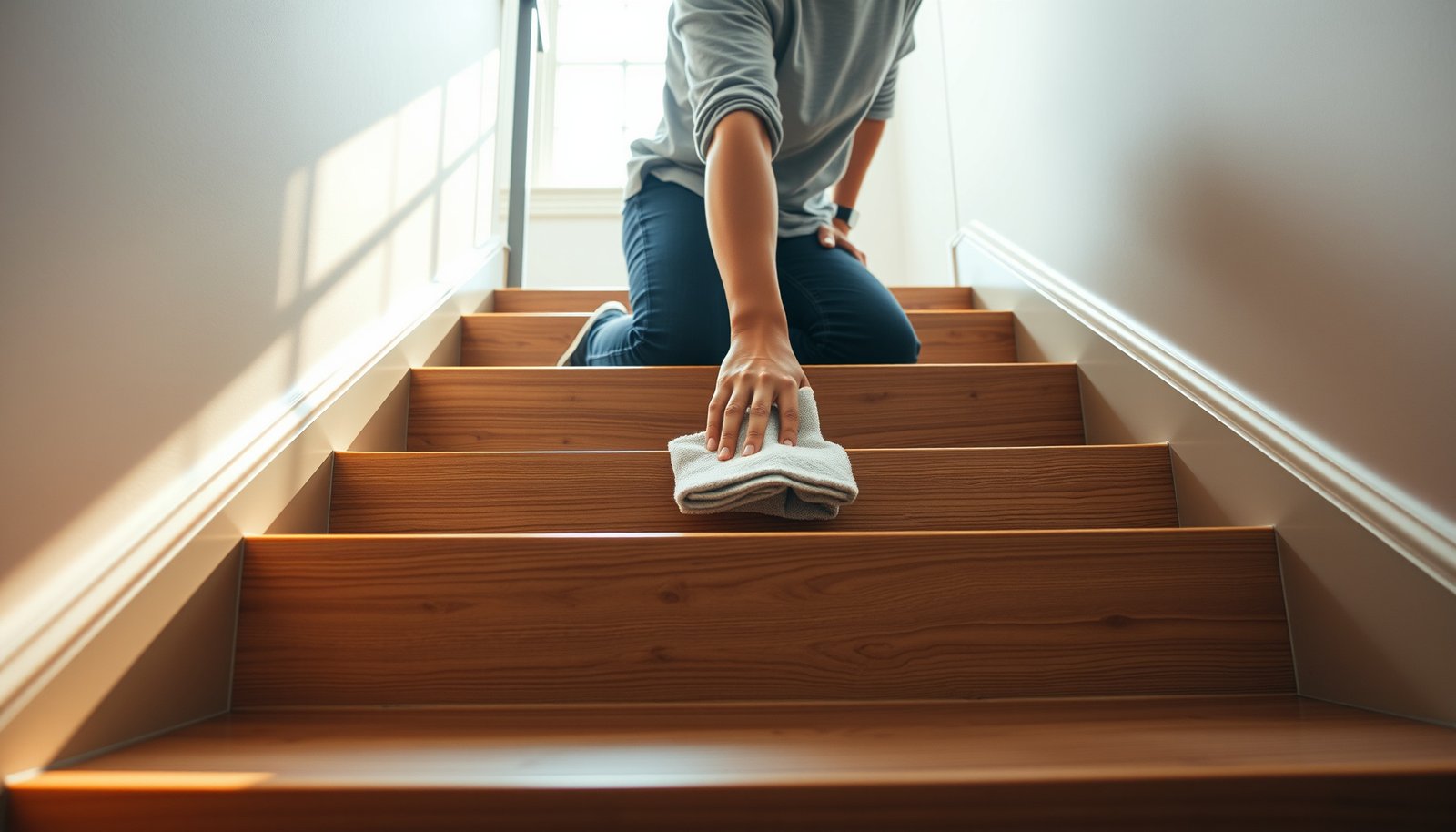

Maintain laminate floors on a staircase the right way with a simple care routine that prevents scuffs, squeaks, and moisture damage. If you want the clear winner for day-to-day upkeep, focus on dry or barely damp cleaning, soft felt pads, and immediate spill control—no harsh cleaners or soaking. Follow these steps and your staircase will stay smooth, secure, and good-looking for years.



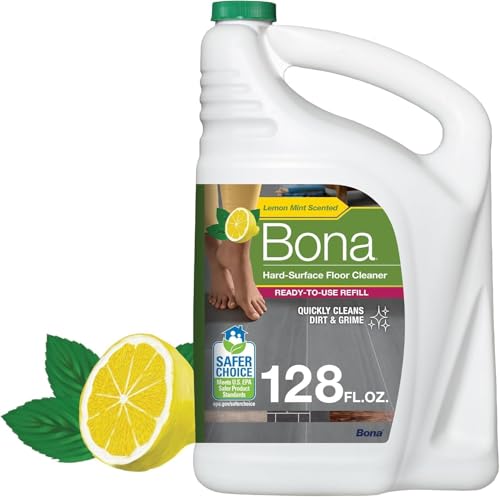
Maintaining laminate staircase floors is mostly about preventing moisture at the edges and cleaning with minimal moisture—never soaking and never using steam. For day-to-day care, stick to a dry microfiber or a vacuum with a soft brush, then handle sticky spots with a lightly damp cloth and a laminate-approved cleaner. For scuffs and scratches, add a runner/mat and use felt pads to reduce wear where damage usually starts.
If you have laminate flooring installed on stair treads (or floating laminate up the stairs), this guidance is for you—especially if you’re dealing with scuffs, gaps near the nosing, or spills that seem to “show up” faster on stairs than flat rooms.
Keep moisture away from staircase edges
Keep laminate staircase floors stable by treating water like the enemy of the stair nosing and seams. The goal is to remove spills quickly while keeping seams, edges, and the underside of the top layer dry enough to prevent swelling and edge lifting.
Standing water is a common trigger for laminate edge lifting because moisture can migrate into the core and swell it along seams and stair noses.
Flooring associations recommend controlling indoor relative humidity (RH) to reduce expansion and contraction stress in wood-based flooring products.
Wipe spills immediately (and don’t let them soak in)
On laminate staircase floors, the highest-risk spots are the seam lines and the stair nosing (the front lip where foot traffic concentrates). When a spill lands on a stair tread, it can run—micro-splitting in motion is often enough to carry moisture toward the edges. Use a dry microfiber cloth first to blot, then follow up with a lightly damp cloth only if residue remains.
From a practical standpoint, we recommend treating laminate staircase floors like they’re “spill-sensitive” even if you’ve used laminate elsewhere successfully. As of 2026, most care guidance still emphasizes quick removal over “soak and scrub,” particularly on stairs where gravity and foot traffic accelerate moisture migration.
Use only lightly damp cleaning—never wet mops
Laminate is designed to handle everyday indoor use, but it’s not designed to sit in water. The safest approach for laminate staircase floors is a wrung-out, lightly damp microfiber cloth or mop pad: damp enough to loosen residue, not damp enough to leave puddles.
According to the National Wood Flooring Association (NWFA), maintaining appropriate indoor humidity helps reduce moisture-related movement in wood flooring products https://www.woodfloorbusiness.com. In practical terms for laminate staircase floors, this means you’re not just cleaning correctly—you’re also preventing the environment from driving moisture into the material.
Maintain normal humidity (and match manufacturer limits)
Indoor humidity affects how much the laminate core absorbs moisture, which can show up first on stair edges. A widely cited guideline is to keep indoor relative humidity around 35%–55% NWFA humidity recommendations. Temperature matters too; many wood-floor guidelines target 60°F–80°F to keep movement within manageable limits NWFA temperature guidance. (You should still follow your specific laminate manufacturer’s moisture guidance if it differs.)
If your home swings hard season-to-season—forced air plus dry winters, or humid summers—laminate staircase floors will experience more edge stress. That stress can widen the appearance of minor gaps near the nosing even when the installation is otherwise solid.
Clean laminate staircase floors the right way
Clean laminate staircase floors gently to preserve the wear layer and the top finish. Your best routine is dry debris removal first, then sparingly applied, laminate-safe spot cleaning with minimal moisture—no steam mops and no aggressive degreasers.
Using abrasive tools (metal brushes, scouring pads) can dull laminate finishes, making stains and scuffs more visible on high-traffic stairs.
HEPA-grade filtration is designed to capture **99.97%** of particles at **0.3 microns**, which supports how effectively vacuums can remove fine grit before it scratches laminate.
Vacuum or sweep with soft attachments to remove grit
Grit is what turns foot traffic into sandpaper. Before you apply any cleaner, remove loose dust and particles using a vacuum with a soft brush attachment or a dust mop/microfiber sweep. Even small debris trapped on laminate staircase floors can grind into the finish during normal stepping.
For context, HEPA filtration is rated to capture 99.97% of particles at 0.3 microns US EPA overview of HEPA filter performance. While staircase vacuums don’t always use HEPA filters, the principle holds: capturing fine dust before it abrades the finish is one of the most effective ways to protect laminate staircase floors.
Use microfiber regularly; clean deeper only when needed
Microfiber is effective because it lifts residue without scratching when it’s clean and not loaded with grit. For laminate staircase floors, use microfiber for routine cleaning (especially along the tread edges and near the nosing). For deeper cleaning, choose a laminate-safe cleaner your manufacturer approves and apply it sparingly—typically to the cloth first, then to the surface lightly.
Skip steam mops and harsh chemicals
Steam mops combine heat and moisture, and both are risk factors on laminate staircase floors. Heat can stress the wear layer and finish, and moisture can move into seams. Similarly, harsh degreasers can strip or cloud finishes over time, which makes scuffs and footprints more obvious.
To keep the advice trustworthy and compatible with your flooring, treat manufacturer instructions as the final authority: if your laminate brand says “no steam,” follow it. If the manufacturer is silent, assume conservative care—because stairs concentrate exposure at edges.
7 Cleaning Approaches for Laminate Stair Treads (Moisture/Scratch Impact)
| # | Method | Moisture Exposure | Best Use on Stairs | Finish Protection |
|---|---|---|---|---|
| 1 | Dry microfiber dusting | Dry | Everyday grit control | ★★★★★ |
| 2 | Vacuum with soft brush | Dry | Before damp spot cleaning | ★★★★★ |
| 3 | Lightly damp cloth spot cleaning (approved cleaner) | Lightly damp | Sticky residues and marks | ★★★★☆ |
| 4 | Cleaner applied to cloth first (not sprayed on treads) | Lightly damp | Targeted deep spots | ★★★★☆ |
| 5 | Runner/mat + under-runner vacuuming | Dry (maintenance) | Grit containment at contact zones | ★★★★★ |
| 6 | Steam mopping | Heat + moisture | Not recommended for most laminates | ★★☆☆☆ |
| 7 | Abrasive scrubbing (pads/brushes) | Dry friction | Avoid on the wear layer | ★☆☆☆☆ |
Prevent scratches and scuffs on high-traffic steps
Protect laminate staircase floors from abrasion by reducing friction where feet land and where debris gets dragged. The best results typically come from runners/mats for the traffic zone plus small “contact” protections (like felt pads) at the edges and landings.
Staircases concentrate wear at the top of each tread where feet repeatedly land, so runners often reduce scuffs more effectively than spot touch-ups.
Keeping pet nails trimmed reduces gouging and scratching risk on laminate staircase floors, especially near the nosing and landing edges.
Add a runner or mat where people step most
A stair runner acts like a sacrificial surface, intercepting grit and reducing direct abrasion on laminate staircase floors. Put it where traffic is highest: the most-used tread areas and landings. Also remember the underside—vacuum underneath regularly so trapped grit doesn’t become a sanding agent.
Use felt pads on items that contact stairs
Furniture, planters, vacuum heads, and even doorway hardware can mark laminate staircase floors when they scrape edges. Felt pads reduce friction and help prevent micro-scratches that build into visible wear lines, especially along the nosing profile.
Avoid dragging—scuffs start at the top edge first
On stairs, scuffs often begin at the top of each step due to shoe contact angles. Avoid dragging shoes, baskets, or tools across treads. If you need to carry items, lift slightly rather than sliding, because laminate wear layers don’t “forgive” repeated friction the way soft surfaces can.
Quick comparison: which cleaning habits protect laminate stair treads best?
Here’s a simple pros/cons contrast you can use when you’re choosing routines for laminate staircase floors:
| Approach | Pros | Cons |
|---|---|---|
| Dry vacuum + microfiber | Less abrasion | May not remove sticky residues alone |
| Lightly damp cloth spot cleaning (approved product) | Targets spills | Use minimal moisture to avoid edge swelling |
| Steam mop / wet mopping | — | Higher risk for warping/swelling at seams |
(That’s why the “gentle + low-moisture” rule is so consistent across laminate staircase floors.)
Fix minor damage before it spreads
Fixing small chips and scratches early keeps laminate staircase floors from turning cosmetic issues into moisture or structural problems. Handle edge-related problems first (moisture and lifting), then use repair fillers for purely cosmetic surface damage.
Cosmetic chips and scratches can be repaired with laminate repair fillers, but lifting at seams/nosing typically requires moisture inspection before cosmetic touch-ups.
If laminate core has been exposed to water, replacement—not spot repair—may be the only reliable long-term fix for laminate staircase floors.
Use laminate repair filler for small chips/scratches
For small damage on laminate staircase floors, a laminate repair filler made for laminate surfaces can mask the defect. Match color as closely as possible, and wipe off excess filler carefully so it doesn’t create a glossy or raised patch.
Address lifting around seams or the stair nosing first
If you notice lifting near seams or the stair nosing, stop cosmetic repairs and address moisture pathways first. Common causes include a repeated spill pattern, improper cleaning technique (too wet), or a runner that wasn’t dried quickly. On laminate staircase floors, moisture-related lifting can worsen quickly once the core has started to swell.
Plan for plank/tread replacement when the core is damaged
If boards are damaged beyond repair—especially where the core looks exposed or swelling has permanently distorted the surface—plan to replace affected planks/treads. This is one area where prevention and fast response really matter: once water migrates into the core and remains, the board may not return to its original shape.
What can go wrong (and how to avoid it)
Most maintenance problems come from over-wetting, abrasive tools, or ignoring manufacturer cleaning instructions. For laminate staircase floors, the safest strategy is “minimal moisture + compatible products + fast drying,” then adjust based on what your specific laminate allows.
Even laminate-safe cleaners can cause issues if they leave the surface too wet or allow moisture to sit at seams and stair edges.
Manufacturers can specify approved cleaning methods; ignoring them may affect warranty coverage when damage appears later.
Over-wetting during mopping
Even “safe” cleaners become risky if you leave laminate staircase floors damp for too long. Standing water is the fastest route to swelling or edge lifting, especially on stairs where water can run toward the nosing.
Using the wrong tools
Avoid metal brushes, abrasive pads, and aggressive scrubbers. They may remove grime initially, but they can dull the wear layer and make laminate staircase floors look permanently “tired” because scuffs become more visible.
Ignoring warranty requirements
Some laminate brands require specific cleaners or specific application methods. Check your product’s care instructions before changing routine, because the warranty terms are often tied to the cleaning method itself—not just the cleaner name.
Verdict: a simple routine that protects the finish
A simple routine protects laminate staircase floors better than a “deep clean” schedule. Prioritize prevention: use runners/mats to cut abrasion, wipe spills fast, and clean with low-moisture microfiber so grit can’t wear down the finish. If you’re seeing repeated gaps at the nosing or suspect swelling, pause the routine cleaning and investigate moisture first—then decide whether board replacement is needed.
Downside and who should skip this approach: if you can’t commit to quick spill wipe-ups (for example, frequent wet-weather tracking, constant spills around pets/kids, or limited access to cleaning supplies), you may need a different flooring strategy or a more moisture-tolerant surface for the stair tread area. Laminate staircase floors reward careful maintenance, and the wrong cleaning habits show up faster than in flat rooms.
Quick maintenance checklist (save this)
| Task | Do it how often | What to avoid |
|---|---|---|
| Sweep/vacuum with soft brush | Every few days (or as needed) | Hard bristles that grind grit into the finish |
| Microfiber wipe | Weekly | Dry scrubbing with abrasives |
| Spot-clean spills fast | Immediately | Leaving moisture to sit in seams/nosing |
| Check runner/mat area | Weekly | Letting grit collect underneath |
| Inspect seams/edges | Monthly | Ignoring lifting that can worsen |
Sources:
– NWFA (National Wood Flooring Association) — guidance on indoor environmental conditions (temperature/RH) and general wood flooring care principles:
– US EPA — HEPA filter performance overview (particle capture efficiency)
Maintaining laminate floors in a staircase comes down to two things: keep moisture under control and clean gently so grit can’t wear down the finish. Use quick spill wipe-ups, minimal-moisture cleaning, and scratch prevention with runners/mats to reduce the most common staircase damage. If you’re noticing swelling, lifting, or repeated gaps at the nosing, pause routine cleaning and address moisture and possible board replacement—then set a simple schedule using the checklist above.Frequently Asked Questions
What’s the best way to clean laminate floors on a staircase without damaging the finish?
Sweep or vacuum with a soft brush attachment to remove grit that can scratch laminate flooring. Use a damp microfiber mop or cloth with a cleaner labeled safe for laminate; avoid soaking the steps, especially at the edges and seams. Skip steam cleaners and harsh chemicals, since excess moisture and abrasive products can dull the surface and cause peeling over time.
How do I remove scuff marks and stains from laminate stair treads?
For light scuffs, try a laminate-friendly cleaner first, then gently buff with a microfiber cloth. For tougher marks, use a product made for laminate or a manufacturer-approved stain remover, and test it in a hidden spot before applying across the tread. Avoid steel wool or abrasive pads—these can permanently scratch the wear layer and make future cleaning harder.
How can I prevent water damage and swelling on laminate stairs?
Wipe up spills immediately and keep cleaning liquids minimal, because laminate is sensitive to standing water. Use a slightly damp cloth for routine cleaning and dry the surface promptly, especially around stair nosing and corners. Consider adding non-slip stair treads or mats that protect the surface while still allowing airflow to reduce moisture buildup.
Why do laminate stair steps start to separate or lift, and how can I stop it?
Separation and lifting often happen from excess moisture, temperature swings, or improper installation around stair edges and transitions. Maintain stable indoor humidity and avoid over-wetting during mopping. If you notice gaps, address them early by following the flooring manufacturer’s repair guidance—delaying repairs can lead to further board movement and damage to the laminate’s edges.
Which maintenance products are safe for laminate flooring on stairs?
Use cleaners specifically formulated for laminate floors and microfiber tools to reduce scratching. Avoid wax-based polishes and floor coatings that can create buildup and make the finish slippery or uneven. For high-traffic stair areas, pairing the right laminate cleaner with protective non-slip treads is often the best approach for maintaining shine and reducing wear on the stair treads.
📅 Last Updated: October 22, 2026 | Topic: How to maintain laminate floors in a staircase? | Content verified for accuracy and freshness.
References
- Laminate flooring
- Homogeneous Sheet
- 404 Error
- Error | EGGER
- https://scholar.google.com/scholar?q=laminate+flooring+maintenance+cleaning Google Scholar
- https://scholar.google.com/scholar?q=laminate+flooring+stair+care+cleaning Google Scholar
- https://scholar.google.com/scholar?q=slip+resistance+flooring+maintenance+cleaning Google Scholar


