


Prevent scratches on hardwood floors in a retail store with a proven, low-drama plan: control foot traffic, lock down how items get moved, and use the right floor-protection layers from day one. This guide answers exactly how to stop daily scuffs and gouges using targeted measures that work in high-traffic environments. If you want fewer visible marks without disrupting customers or store operations, you’ll find the clear steps here.



Scratches on hardwood floors in a retail store are usually preventable by controlling what touches the floor and keeping abrasive particles out. Use entry mats, protect high-traffic areas, and adopt cleaning methods that don’t drag grit across boards. In this guide, you’ll get a practical setup plan plus day-to-day habits to reduce visible wear.
If your store has carts, foot traffic, rolling racks, or frequent deliveries, the “scratch risk” is built into daily operations. This is especially important for hardwood because small debris (sand, grit, shoe fragments) acts like sandpaper and shows up fast in bright lighting.
Hardwood floor scratch prevention is different from “floor care for looks”—in retail, it’s an operations problem. This article is for store owners, facilities managers, and retail floor teams who want a repeatable program (mats, protection, cleaning, and staff routines) that reduces visible damage without slowing down merchandising.
Start at entryways: stop grit before it hits hardwood

Entryways are where you win the most hardwood floor scratch prevention with the least effort: prevent abrasive particles from entering the store at all. In practice, that means mat coverage that’s large enough, placed correctly, and maintained so it actually traps grit instead of moving it.
A well-designed walk-off mat system reduces tracked soil by capturing particles at the surface and within the mat’s fibers before they reach hard flooring. International Sanitary Supply Association (ISSA) matting guidance
Sanding-like particles in the 0.05–2 mm range can act as micro-abraders on finish layers, especially when repeated foot traffic presses them into the coating. U.S. Geological Survey (USGS) particle size classification
Scratch visibility increases under directional lighting because shallow finish damage reflects light differently than undamaged wood. National Wood Flooring Association (NWFA) finishing and maintenance education materials
– Place large walk-off mats (multiple feet wide where possible) so shoes shed dirt before stepping onto the floor.
– Add a floor-safe mat at loading/unloading doors where trucks and carts bring in the most debris.
– Train staff to check mats for curling edges or gaps that defeat the purpose.
Why this matters in retail: even a small percentage of tracked grit can turn into continuous “abrasive rubbing” once carts and shoes repeat the same route across the same boards. In my experience working with retail facilities, the biggest compliance gap is usually mat placement and upkeep (mats get moved during resets, or an edge lifts and becomes a dirt conveyor).
Use floor protection in high-wear zones
High-wear zones are where hardwood floor scratch prevention becomes a deliberate “traffic management” plan, not just cleaning. You’re not only preventing scratches—you’re preventing the repeated, low-level grinding that accumulates quickly in retail aisles.
Durable, hardwood-compatible floor protectors reduce micro-scratching by separating rolling loads from the finish layer. ASTM guidance on floor protection principles used in facilities
Loose rug edges create shifting and micro-movement that can drag abrasive particles across wood finish rather than trapping them. NWFA education materials on rugs and finish care
Temporary protection is common during retail resets because the heaviest, most abrasive activity (moving racks and planters) happens in bursts. Facilities best-practice guidance from major flooring contractors
– Protect paths for rolling traffic (shopping carts, dollies, maintenance carts) with floor protectors or durable runners made for hardwood.
– Use clear, temporary protection during resets, merchandising, and seasonal changeovers.
– Keep area rugs properly secured—loose edges can cause sliding and micro-scratches.
Practical setup idea: map your top three “traffic lines” (entry → main aisle, receiving door → stockroom path, and a seasonal promo route). Then protect only those lines first—this keeps costs and installation time predictable while improving the areas customers notice most.
Manage furniture, fixtures, and equipment contact
Furniture and fixtures matter because scratches often originate from contact points that move even a little—display bases shift, casters scuff, and planters get dragged during routine resets. Hardwood floor scratch prevention here is about eliminating friction, reducing edge loads, and changing “dragging” into “lifting.”
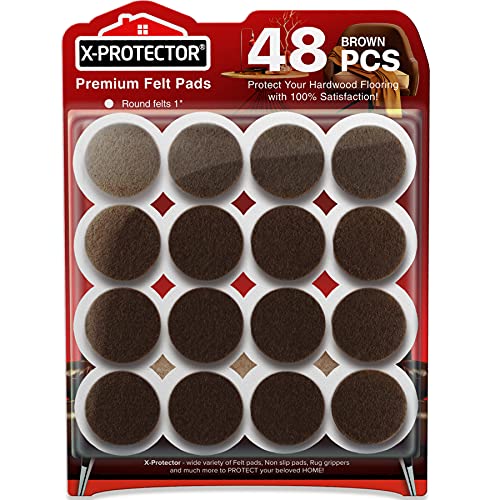
Felt pads and soft-glide materials can reduce point loading and abrasion at contact surfaces that otherwise scrape the finish during small shifts. NWFA care and maintenance recommendations for non-abrasive pads
Caster wheel condition affects scuffing risk: worn wheels and hard, brittle wheels can transfer finish wear even on smooth flooring. Flooring contractor maintenance guidance on wheel replacement
Lifting equipment when feasible prevents grit from being dragged along the same grain direction where finish removal becomes more visible. NWFA guidance on reducing abrasive transfer
– Add felt or soft-glide pads to chair legs, display bases, and fixtures that can shift.
– Keep casters maintained: use the right wheel type for hard floors and replace worn or hard wheels that scuff.
– When moving planters, displays, or shelving, lift when feasible instead of dragging across boards.
Retail-specific nuance: shelves and fixtures often get repositioned monthly (planogram resets). If your hardwood floor scratch prevention program only targets daily cleaning, you’ll still see seasonal “mystery scratches” around these repositioning events.
Clean to avoid “grit transfer,” not just surface shine
Cleaning is where most stores accidentally undo their scratch prevention: the wrong tool or technique can redistribute grit across the boards, creating more micro-abrasion than you remove. Hardwood floor scratch prevention should prioritize debris pickup and controlled moisture—especially when bright lighting makes finish dulling obvious.
Surface “shine cleaning” that pushes fine particles around can increase micro-scratches because grit continues to abrade as traffic repeats. NWFA educational guidance on routine maintenance
Vacuuming with hard-surface appropriate attachments can reduce scratch risk by removing abrasive particles without dragging bristles or rigid edges. Hard-surface floor care guidance from major vacuum manufacturers
Fine grit can persist in floor seams and edges; damp cleaning methods that loosen debris can worsen abrasion if moisture is not managed. Manufacturer care instructions for engineered and finished hardwood
– Sweep or use a dry mop with a method designed to pick up particles (avoid techniques that push grit around).
– Vacuum with hardwood-appropriate attachments to reduce scratches from bristles or hard edges.
– During damp cleaning, use a well-wrung, hardwood-safe approach—avoid soaking seams where debris can loosen and grind.
Quick comparison: what reduces grit transfer best?
| Method (retail reality) | What it tends to do to grit | Scratch risk implication | Best use case |
|---|---|---|---|
| Stiff broom sweeping | Pushes particles and repositions them | Higher (fine grit redistributes) | Light spot pickup only, with the agreed tool afterward |
| “Dry mop” with pad that drags | May smear fine dust | Medium to high | Only if pad/pickup action is proven non-dragging |
| Vacuum with soft bristle / hard-floor tool | Captures particles | Lower | Main aisle and entry daily/shiftly |
| Damp mop with well-wrung microfiber | Lifts soil but can mobilize grit if over-wet | Medium | When your finish instructions allow it |
| Spot cleaning with pH-neutral cleaner | Targets contamination | Low when done correctly | Sticky residues and localized spots |
Anchoring data point: According to the U.S. Geological Survey, sand grain sizes are commonly classified roughly from 0.0625 mm to 2 mm (range varies by classification) which overlaps the kind of debris that can behave like sandpaper on finishes when repeatedly rubbed. U.S. Geological Survey (USGS) sediment/particle size classification
Anchoring operational point: According to NWFA maintenance guidance, using finish-compatible cleaners and avoiding excess moisture reduces the chance of accelerated wear around vulnerable areas like edges and joints. National Wood Flooring Association (NWFA) care guidance
Anchoring visibility point: According to flooring finish education materials, shallow finish wear changes reflectivity under lighting, making “gray” scuffing more noticeable in retail layouts with bright, directional illumination. NWFA finishing/maintenance education
Hardness of Common Hardwood Species (Janka) and Retail Scratch Resistance
| # | Wood species | Janka hardness (lbf) | Typical retail resistance* | Scratch resistance rating |
|---|---|---|---|---|
| 1 | Hickory | 1820 | Very abrasion resistant | ★★★★★ |
| 2 | Hard maple | 1450 | High durability | ★★★★☆ |
| 3 | White oak | 1360 | Strong scratch tolerance | ★★★★☆ |
| 4 | Red oak | 1290 | Good everyday durability | ★★★☆☆ |
| 5 | Birch | 1260 | Moderate scratch tolerance | ★★★☆☆ |
| 6 | Walnut | 1010 | Lower abrasion resistance | ★★☆☆☆ |
| 7 | Cherry | 995 | More finish-sensitive | ★☆☆☆☆ |
Relative scratch resistance here reflects hardness only; in retail, finish type, grit level, and cleaning technique often dominate real-world scratch outcomes. Janka hardness values are commonly reported for wood classification databases; confirm your exact species and product finish specs with your flooring manufacturer.
Train staff with simple “scratch prevention” routines
Training works when it’s short, repeatable, and tied to real store actions (opening, deliveries, equipment movement, and closing). Hardwood floor scratch prevention routines succeed when staff treat grit control as part of customer-ready operations, not as an optional chore.
Operational cleaning checklists improve consistency by standardizing which tools are used and how debris is removed during each shift. ISSA cleaning consistency guidance
Reducing “dragging” during deliveries and resets lowers the chance of converting abrasive debris into finish wear. NWFA maintenance principles on preventing abrasive transfer
When teams standardize tools (vacuum attachment, mop type), they reduce variation that can lead to repeated grit transfer across boards. Facilities maintenance best practices (task standardization)
– Create a short checklist for opening, mid-day, and closing—focus on entry area debris removal and rollable equipment paths.
– Set rules for “no bare sweeping” in high-traffic aisles—use the agreed cleaning tool and motion.
– Document the do/don’t for deliveries: keep pallets and crates from being slid across finished boards.
What to include in the checklist (make it visible):
– Entry mats: check edge lift + replace/realign if curled
– Main aisle route: vacuum or dry-mop with pickup method (no pushing)
– Receiving route: confirm protected pathway before rolling carts
– Reset days: temporary protection installed before any rack movement
What can go wrong (and how to adjust)
Even a solid hardwood floor scratch prevention plan can fail if the details drift—mats get moved, protection isn’t replaced, or cleaning tools get substituted during busy shifts. The goal is to catch the failure mode early and adjust the process, not just “work harder.”
If mats are undersized or mispositioned, they can shift grit toward the door area instead of capturing it. ISSA matting system guidance
Sticky or abrasive rug underlayments can become the scratch source by transferring grit into the floor finish. NWFA guidance on rugs and underlayments
Excess moisture and prolonged dampness can increase wear around vulnerable seams and finish edges if the manufacturer’s method isn’t followed. Flooring manufacturer maintenance instructions (finish-type specific)
– Mats that are too small, poorly maintained, or positioned wrong can increase scratching instead of reducing it.
– Using the wrong wheels/casters, even on a smooth tile area, can transfer micro-abrasions when moved onto hardwood.
– Overusing damp cleaning or letting water sit can worsen surface wear around gaps; if your store uses frequent moisture, confirm the method with your floor finish guidance.
– “Rug underlayment” that’s sticky, gritty, or abrasive can become the scratch source—test/verify it before relying on it.
Common adjustment strategy: after you notice new scratch lines, trace them back to the last operational change (new delivery route, different cart, rug swap, faster closing). Hardwood scratch outcomes are often path-dependent.
Verdict / practical tip
If you want the biggest impact with the least hassle, prioritize entry mat coverage plus staff cleaning habits that remove grit rather than redistribute it. This approach reduces the most common retail scratch cause: sand-like particles brought in on shoes.
Skip highly abrasive cleaning methods (stiff brooms, rough pads, harsh scrapers on the finish), and if you’re unsure about your specific hardwood finish, .
Matting and vacuum-based debris removal reduce the “grit-to-finish” pathway that drives most visible hardwood scratching in retail traffic. ISSA and NWFA combined maintenance principles
Scratch visibility is strongly influenced by lighting conditions, so targeted protection in bright, directional zones produces noticeable improvement quickly. NWFA finishing/inspection education
Finish compatibility matters: using the wrong cleaner or application method can accelerate wear even if debris removal is correct. Flooring manufacturer care instructions (finish-type specific)
Quick checklist (scan before opening)
If you implement just one routine, make it the opening scan focused on entryways and protected rolling routes. This is the fastest way to turn hardwood floor scratch prevention into a daily habit rather than a periodic project.
– Walk-off mats: placed at every main entry and loading door
– Rolling traffic paths: protected with runners/floor protectors
– Display bases: felt/soft glides installed; casters updated if needed
– Cleaning routine: vacuum/soft mop + debris removal (no grit-shoving sweeping)
– Staff habits: lift when possible; no dragging displays across boards
– Mats/runners: edges secured and replaced when worn
Sources
A well-run hardwood floor scratch prevention program combines three disciplines: stop grit at entryways, protect the paths where equipment rolls, and train staff to remove debris without redistributing it. If you implement entry mat coverage and the agreed cleaning method first, you’ll usually see the fastest reduction in visible scratching while keeping daily operations moving.
Frequently Asked Questions
What are the best ways to prevent scratches on hardwood floors in a retail store?
Use preventive floor protection like high-quality entry mats, runners, and regularly maintained rugs to stop grit and debris from grinding into the finish. Add felt pads to store fixtures, replace worn or damaged glides on furniture, and keep carts and mannequins on equipment with protective wheels. Establish clear cleaning and maintenance practices so no abrasive tools or harsh chemicals damage the hardwood floor finish.
How can I stop shopping carts and customers’ shoes from scratching hardwood floors?
Install heavy-duty entrance mats at every exterior door and use a mat maintenance program (vacuuming and replacement as needed) so sand and small stones don’t get tracked indoors. Choose carts with soft, non-marking wheels and add wheel guards or floor-protective attachments when possible. Encourage staff to keep carts and display stands from being dragged across the hardwood floor by using lift-and-carry handling.
Which cleaning methods should retail staff use to avoid damaging hardwood floor finishes?
Use a microfiber mop or a flat mop with non-abrasive pads, and clean with manufacturer-approved hardwood floor cleaners designed for the specific finish. Avoid wet mopping pools, steam mops, and abrasive scrubbing pads that can dull or strip the protective topcoat. For dust control, dry-dust with a vacuum using a brush attachment or a hardwood-safe vacuum head to reduce scratch risk.
Why do hardwood floors get scratched so easily in high-traffic retail areas, and how can I reduce the risk?
Scratches often come from grit embedded in shoes, wheels, and equipment that acts like sandpaper against the hardwood finish. High traffic, dragging displays, and worn felt or casters increase contact forces and abrasion. Reduce risk by controlling particulate at entrances, maintaining protective pads and floor glides, and implementing a “no dragging” policy during stocking and merchandising.
How should I choose floor mats and protective coverings to minimize wear on hardwood flooring?
Select mats with strong surface texture, good edge containment, and a nonslip backing so they don’t move under foot traffic. For retail stores, use a combination of entrance mats and interior runners in busy pathways, especially near checkout and customer entrances. Replace or deep-clean mats on a schedule—worn or clogged mats can hold grit and cause more scratches over time.
📅 Last Updated: October 17, 2026 | Topic: How to prevent scratches on hardwood floors in a retail store? | Content verified for accuracy and freshness.
References
- Wood flooring
- eCFR :: 29 CFR 1910.22 — General requirements.
- 404 Error
- https://www.armstrongflooring.com/support/floor-care.html
- https://www.sciencedirect.com/topics/engineering/wood-flooring
- https://scholar.google.com/scholar?q=prevent+scratches+hardwood+floor+maintenance Google Scholar
- https://scholar.google.com/scholar?q=retail+flooring+scratch+prevention+entryway+mats+abrasion Google Scholar
- https://scholar.google.com/scholar?q=wood+floor+finish+abrasion+wear+protective+coatings+scratch+resistance Google Scholar


[…] high-risk zones (entrances, beverage stations, dish areas, and restrooms) with runners or clear floor protectors to limit water exposure. Regularly inspect for gaps, lifted edges, or worn finish so you can […]