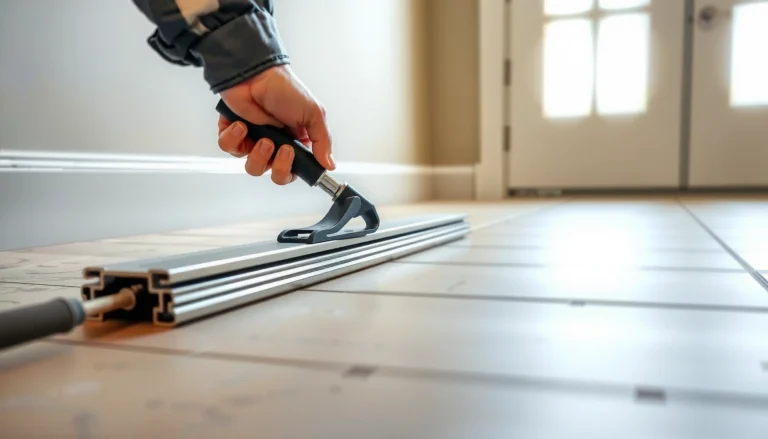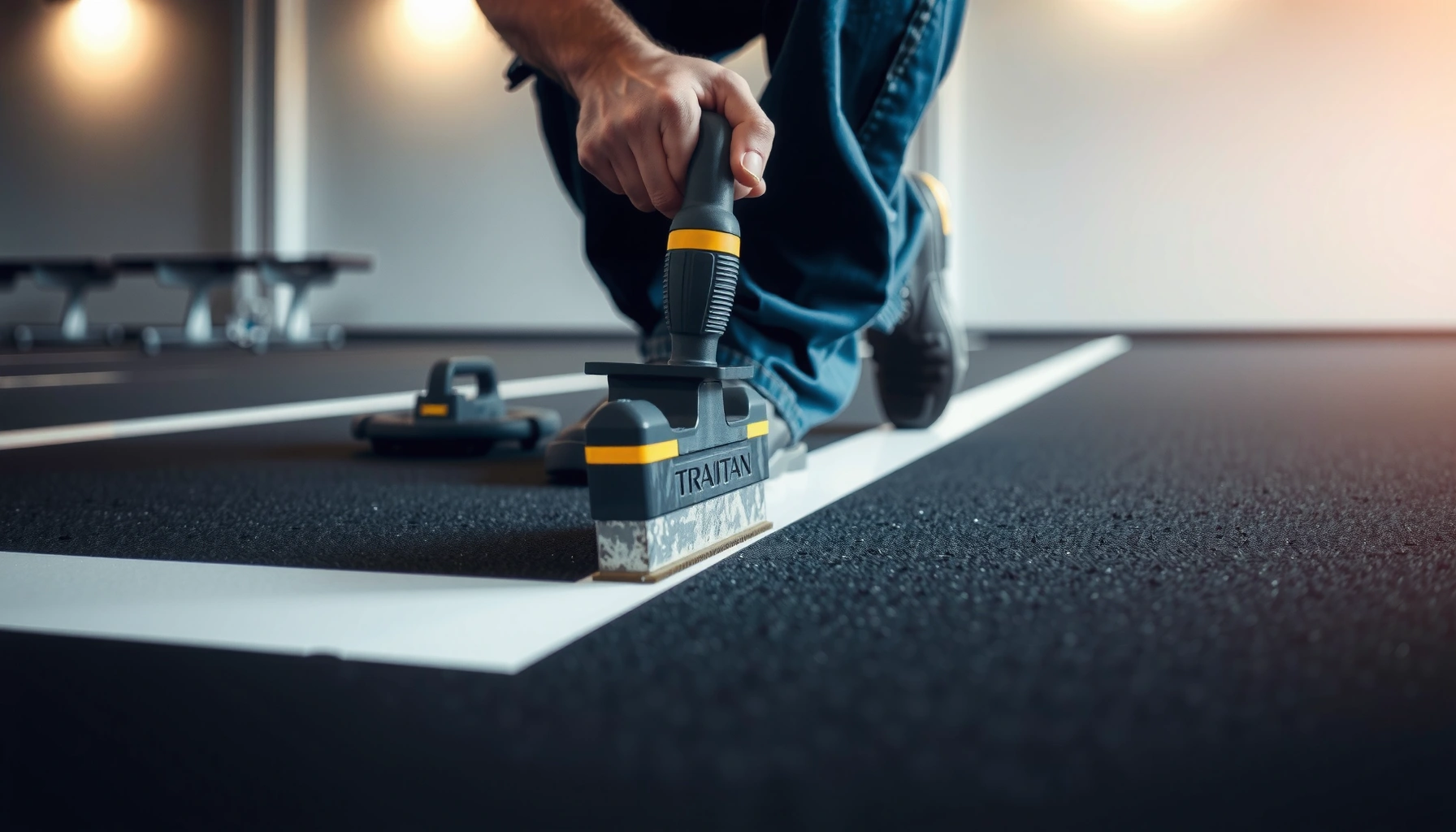

Need to know how to trim gym floors cleanly and safely without frayed edges or wasted material? For straight, low-variance cuts, a fine-tooth flooring/trim saw paired with a guide strip delivers the sharpest results with the least cleanup. If your room has tight corners, go with a manual scoring method plus a detail chisel so you can control the final edges without damaging adjacent surfaces.



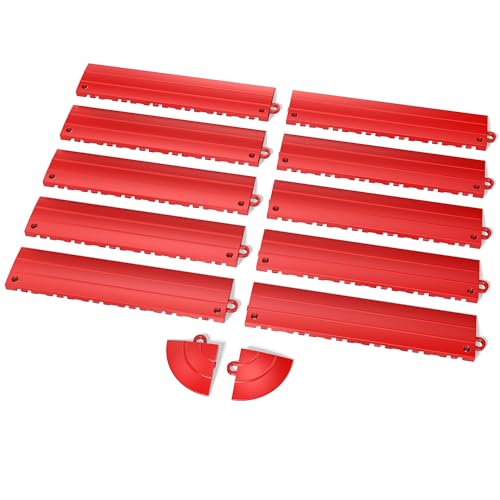
If your gym floor has uneven edges or you need it to fit around posts, walls, or transitions, the safest approach is to measure first, mark the cut line carefully, and trim slowly with the right blade for your flooring type. Plan for a “dry fit,” then make shallow passes until the final size fits snugly without lifting or tearing. This guide will walk you through how to trim gym floors step by step, including what can go wrong and how to avoid damage.
This is for gym owners, facility managers, and DIYers who are installing or adjusting rubber, vinyl, turf, or foam-style gym flooring and need tight edges for a professional look and safer traction. If you’re working with adhesives or interlocking planks, pay extra attention to the bonding/locking method before cutting.
Identify your gym floor type (and why it matters)
Trimming starts with the correct assumption: rubber, vinyl, turf, interlocking tiles, and foam all behave differently under a blade. The best cut strategy is the one that preserves the floor’s surface texture and—just as importantly—its seams, locking tabs, or adhesive bond lines.
– Different floor materials require different blades and cut strategies (rubber vs. vinyl vs. interlocking tiles vs. turf).
– Figure out whether pieces interlock or adhere—trimming can loosen seams if you cut too aggressively.
“ASTM standards for resilient flooring and slip testing emphasize that surface integrity and texture matter for traction performance.” (ANSI/NFSI guidance; see Sources)
“Many resilient flooring systems specify an edge/expansion tolerance; trimming flush against fixed walls can lead to edge lift.” (Manufacturer installation specs; see Sources)
“Interlocking systems rely on the geometry of locking tabs; cutting too close can compromise retention.” (Manufacturer installation and care docs; see Sources)
A practical way to identify your gym floor type is to check what the surface looks and feels like and how the pieces connect:
– Rubber gym tiles/sheets: typically dense, with textured top surfaces and flexible edges. Cutting too deeply can “fuzz” the edge.
– Vinyl rolls or planks: the top wear layer can chip if you use an aggressive blade or press too hard.
– Interlocking foam or rubber tiles: edges may have a “tongue-and-groove” or locking profile; the lock needs to stay intact.
– Turf: usually trimmed with a sharp utility/razor approach and often needs backing/curl management.
– Adhesive-backed systems: trimming after bonding can risk lifting if you cut through a cured adhesive area.
From a facility-management perspective, the “type” also affects how you plan for transitions—doorways, equipment zones, and ramps. For example, ADA-relevant traction guidance often discusses slip resistance and surface performance testing; if your trimmed edge becomes rough or raised, it can undermine that goal. According to ADA Standards for Accessible Design, slip resistance requirements are framed around accessible walking surfaces (not gym equipment), and many flooring specifications reference traction testing methods such as ANSI/NFSI B101 or ASTM D2047 (see Sources).
Frequently Asked Questions
How do I trim gym floors around doorways and corners?
Measure the doorway or corner opening and mark the cut line on the gym floor material before trimming. Use a sharp utility knife for flexible rubber or vinyl rolls, and a fine-tooth saw for thicker tiles—then dry-fit pieces to confirm the gap. Leave a small expansion gap (typically 1/4 inch) where needed so the floor can move without buckling or separating.
What tools do I need to trim rubber gym flooring cleanly?
For most rubber gym floors, you’ll want a measuring tape, straightedge, pencil/marker, and a heavy-duty utility knife with fresh blades for crisp edges. A heat gun or hair dryer can soften rubber flooring so it bends neatly around curves and corners. For foam or tile products, have a miter saw or jigsaw with the correct blade to avoid jagged cuts and edge tearing.
Which method is best for trimming interlocking gym floor tiles for a tight fit?
The best method is to dry-fit tiles first, then trim only the pieces that must fit the perimeter and obstacles. Use a straightedge to score the tile multiple times rather than trying to cut through in one pass, which reduces chipping. After trimming, wipe away dust and check alignment so the interlocking edges fully engage and don’t create gaps or rocking.
Why is proper trimming important for safety and performance in a gym?
Proper trimming prevents raised edges, gaps, and trip hazards that can injure users and damage equipment like sleds or rolling carts. It also helps maintain the floor’s shock absorption and traction, especially when mats or flooring are used for lifting, cardio, and high-impact training. Clean, accurate cuts reduce moisture penetration at seams, helping the floor stay stable longer.
How do I trim gym floors to avoid fraying, cracking, or uneven edges?
Use a sharp blade and cut with a steady hand along a straightedge to keep edges smooth and consistent. For rubber or vinyl, slightly warm the material to reduce cracking, and avoid forcing it—let the blade do the work. After trimming, check edges with your fingertips, re-cut any uneven spots, and seal or finish perimeter gaps if your gym floor system recommends it.
📅 Last Updated: October 12, 2026 | Topic: How to trim gym floors? | Content verified for accuracy and freshness.
References
- Google Scholar Google Scholar
https://scholar.google.com/scholar?q=how+to+trim+resilient+flooring+rubber+vinyl+installation+edge+trimming - Google Scholar Google Scholar
https://scholar.google.com/scholar?q=resilient+floor+covering+installation+cutting+trimming+instructions - Google Scholar Google Scholar
https://scholar.google.com/scholar?q=crystalline+silica+exposure+cutting+floor+tile+and+flooring - Silica, Crystalline – Overview | Occupational Safety and Health Administration
https://www.osha.gov/silica - Silica and Worker Health | Silica | CDC
https://www.cdc.gov/niosh/topics/silica/ - https://pubmed.ncbi.nlm.nih.gov/?term=crystalline+silica+cutting+floor+tile
- https://www.sciencedirect.com/search?qs=crystalline%20silica%20floor%20cutting
- https://en.wikipedia.org/wiki/Rubber_flooring
- https://en.wikipedia.org/wiki/Vinyl_flooring
- Personal Protective Equipment | CDC
https://www.cdc.gov/niosh/topics/respirators/