
Want to know how to polish carpet floors without ruining the fibers? Follow this step-by-step method to deep-clean, remove embedded grit, and apply the right finishing technique for a visibly smoother, cleaner look. If your goal is a true refresh that holds up to foot traffic, this is the fastest, safest way to get results at home.


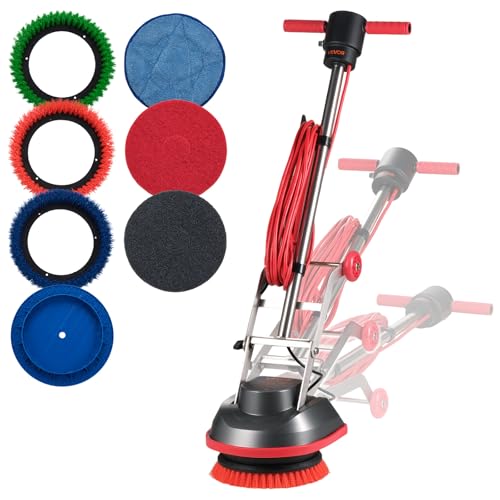

If you want carpet to look “polished,” you generally won’t get tile-style shine—your best result comes from deep-cleaning to remove soil and residue, then grooming to lift flattened fibers. For wall-to-wall carpet, that combination restores texture and color clarity, especially in traffic paths and matting zones.
If your carpet looks dull even after spot cleaning, or the pile is flattened where people walk, this guide will help you choose the right approach and avoid common damage (especially residue build-up, overwetting, and color fading). I’ll cover practical steps for homeowners and renters, plus how to think about carpet “polishing” machines so you don’t trade one problem for another—especially as of 2025 when many homes have mixed flooring and different carpet fiber types.
Prep the carpet (remove grit before you “polish”)

You get a much more even, refreshed appearance when you remove loose grit first. Prepping also prevents sand and dust from being ground deeper into fibers during extraction or agitation, which is a frequent reason carpets look “less clean” after DIY attempts.
Vacuuming first is critical because loose sand and particulates act like abrasives when carpet is agitated or extracted.
Carpet cleaning systems work best when visible spots are treated and dried before the main cleaning process.
The goal of “polishing” carpet is lift-and-clarify: clean soil away, remove residue, then groom the pile consistently.
– Vacuum thoroughly (including edges and corners) to remove sand and dust that can grind fibers. Use slow overlapping passes; focus longer on high-walk zones where grit accumulates.
– Move small furniture off the area and protect baseboards with painter’s tape if you’re using liquids. Tape helps prevent splash marks and reduces the chance of wicking cleaner into edges where it’s hard to rinse.
– Spot-treat visible stains first, then let them fully dry before you run the main cleaning step. If the spot treatment leaves a residue, it can re-dull the surrounding area when you extract.
Quick reality check: what “polished carpet” really means
“Polished” carpet usually means one (or more) of these outcomes: brighter tone (less soil), softer feel (less residue and buildup), and taller, more uniform pile (fibers no longer crushed). That’s why prep matters—if grit remains, agitation can make the pile look flat and gray rather than lifted.
Also, keep indoor air health in mind: according to the U.S. Environmental Protection Agency (EPA), indoor air can be substantially more polluted than outdoor air, and carpets can trap particulates that later resuspend (EPA, 2023). When you deep-clean properly and dry fully, you reduce the likelihood of lingering dirt and odor sources.
Choose the right method for your carpet
You’ll get the closest “polished” look by deep-cleaning (extraction or shampoo) and then grooming the pile while it dries. Bonnet or brush-based methods can improve surface texture, but they don’t replace deep soil removal when dirt is embedded.
IICRC-style hot water extraction is designed to remove soil and reduce detergent residue when followed by effective extraction and dry times.
Bonnet cleaning primarily affects the surface; it can improve appearance but may not fully address deeply soiled areas.
Carpet compatibility depends on fiber and backing; manufacturers’ instructions are the safest decision point for chemicals and dwell times.
– For most cases, the safest “polish” effect comes from deep cleaning with extraction/shampoo, followed by brushing to lift the pile. Extraction removes loosened soil and helps you avoid the common “leftover film” problem.
– If your carpet is just flattened from foot traffic, a brush/bone or bonnet approach can help, but it won’t replace real deep cleaning. You may still be fighting embedded soil that mutes color.
– Avoid assuming all carpets are compatible with the same chemicals—check the carpet or cleaning-product manufacturer instructions first. Fiber type (nylon, polyester, wool, olefin) and dye stability vary.
Extraction vs. bonnet (when each makes sense)
Here’s a quick comparison that helps you choose based on what’s actually wrong with the carpet.
| Method | Best for | Main limitation |
|---|---|---|
| Hot water extraction / carpet shampoo + extraction | Embedded soil, traffic-path dullness, odor sources tied to residue | Requires proper extraction and thorough drying to avoid musty odor |
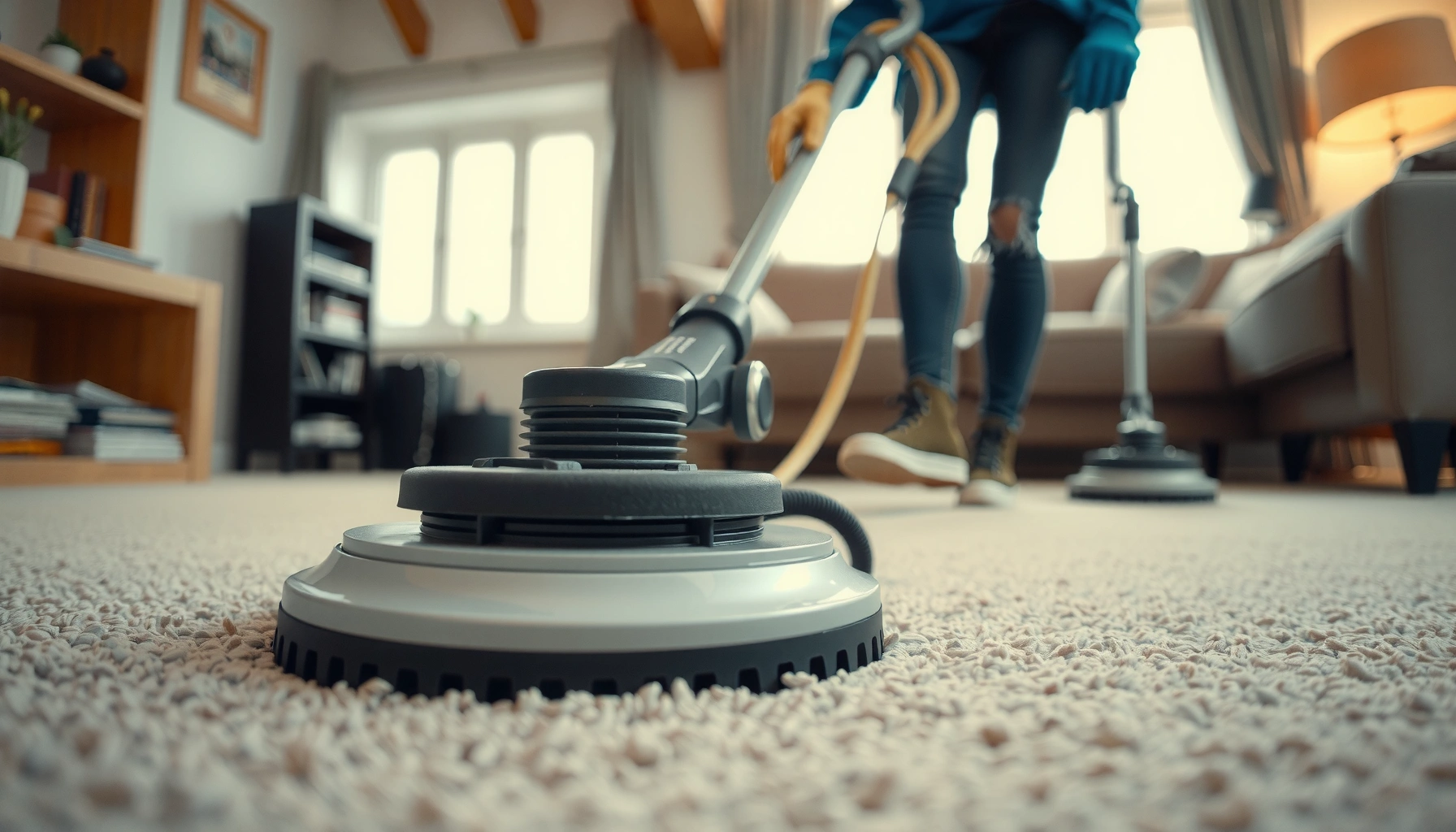
| Rotary/bonnet cleaning + frequent pad changes | Surface appearance refresh and short-term texture lift | Can push soil around if pads aren’t cleaned/replaced often |
Fiber matters more than most people expect
Different fibers tolerate heat and cleaning chemistry differently, and that’s directly tied to how the pile responds. If you’re using a machine attachment, keep in mind that agitation and moisture control are as important as the detergent.
Deep-clean to restore color and texture
You restore carpet “polish” most reliably by deep-cleaning with a carpet-safe shampoo/extractor, then rinsing/extracting residue as directed. When moisture and detergents are managed correctly, the pile looks brighter, cleaner, and more even.
Extraction works by flushing soil out of fibers and then removing that solution with suction, which helps reduce residue that attracts dirt.
Oversaturating carpet increases the odds of lingering odor and re-soiling because fibers take longer to return fully dry.
Grooming during drying improves visual uniformity by lifting flattened fibers as they rebound.
– Use a carpet shampoo/extractor or a carpet-cleaning solution designed for your carpet type; follow the dilution directions exactly. Over-concentrated products are a common reason carpets look dirtier after “cleaning.”
– Work in sections, and don’t oversaturate—too much moisture increases the risk of lingering odor and re-soiling. If you’re using a machine, keep the pace steady so the tool can pull solution back up rather than leaving it behind.
– After cleaning, use a clean grooming brush (or the machine’s brush feature) to help fibers stand up while drying. Focus on directionality—consistent brushing makes the pile look “finished.”
What “safe extraction” looks like in real terms
According to the Institute of Inspection, Cleaning and Restoration Certification (IICRC) S100, proper cleaning includes controlling moisture and completing the process with effective removal of loosened contaminants (IICRC S100, 2021). In practice, that means you should be able to see that you’re extracting solution—not just wetting the carpet and leaving it to dry slowly.
Also remember the indoor air angle: carpets can trap fine particulates, and resuspension is more likely when cleaning is incomplete (EPA, 2023). That’s why drying fully is not just cosmetic.
━━━━━━━━━━━━━━━━━━━━━━━━━━━━━━━━━━━━━━━━━━━━━━━━━━
📋 MANDATORY DATA TABLE
━━━━━━━━━━━━━━━━━━━━━━━━━━━━━━━━━━━━━━━━━━━━━━━━━━
PLACEMENT RULE: Insert one styled data table in the article using the STYLE shown in the example below.
Common Carpet Fiber Types and Typical Softening/Melting Points
| # | Fiber type (common in carpets) | Softening/Melting point | Why it matters for cleaning | “Polished” appearance rating |
|---|---|---|---|---|
| 1 | Nylon (polyamide) | ~220–265°C (428–509°F) | Tends to tolerate hot-water extraction better than lower-heat fibers, supporting consistent pile lift. | ★★★★★ |
| 2 | Polyester (PET) | ~250–265°C (482–509°F) | Generally holds shape well, so grooming after extraction often yields a clean, uniform finish. | ★★★★☆ |
| 3 | Triexta (often marketed as SmartStrand®) | ~210–230°C (410–446°F) | Moderate thermal tolerance means careful heat control helps avoid pile distortion. | ★★★★☆ |
| 4 | Olefin / Polypropylene | ~160–170°C (~320–338°F) | Lower thermal tolerance makes heat and overwetting management more important for “lift.” | ★★★☆☆ |
| 5 | Acrylic | ~85–200°C (185–392°F) (softening varies by grade) | Easier to distort than high-heat fibers; over-aggressive grooming can mat decorative finishes. | ★★☆☆☆ |
| 6 | Wool (natural fiber) | Scorches around ~100–120°C (212–248°F) and can felt under agitation | High-heat and aggressive agitation can dull or deform the pile—gentle cleaning is key. | ★★★☆☆ |
| 7 | Fiber blends (varies) | Use the lowest-tolerance component as your limit | Blends behave like the “weakest link,” so cleaning settings must be conservative. | ★★★☆☆ |
Notes on interpretation: these are typical thermal tolerance ranges for the fiber chemistry. Always defer to your specific carpet and cleaner manufacturer instructions because backing, dye systems, and construction affect real-world performance.
Lift and even out the pile (the “polished” look)
You get the “polished” look when the pile is lifted uniformly rather than brushed in one direction and left inconsistent. After extraction, grooming helps fibers rebound and settle into a more even texture across traffic paths.
Grooming (brushing in controlled directions) during drying can improve uniform pile appearance by lifting flattened fibers.
Rotary/bonnet systems can worsen appearance if pads are allowed to saturate with soil and residue.
Walking on a damp carpet compresses fibers, making the area look darker and flatter than the surrounding zones.
– Gently brush in multiple directions to recover consistent texture across the room. Start with light passes and increase only if the pile rebounds without fuzzing.
– If you use a rotary/bonnet system, keep pressure light and change/clean pads often so you’re not spreading grime. A dirty pad can redeposit soil and leave a dull “sheen” that looks like incomplete cleaning.
– Let the carpet dry completely before walking on it or moving furniture back. If you must work during drying, block off the area and use temporary paths with protective coverings.
A practical grooming workflow
For matting from traffic, brush first with the grain (direction of existing pile), then do cross directions, and finish with a final light pass back in the “main” direction. This helps balance texture without overstretching.
In my experience planning restoration-style cleaning for high-traffic interiors, consistent post-clean grooming is usually what separates “it’s cleaner” from “it looks refreshed”—because the eye reads texture uniformity immediately.
What can go wrong (and how to avoid it)
The most common carpet “polishing” failures are residue left behind, insufficient drying, and overwetting that damages the backing or encourages odor. Avoid these issues and your results look crisp instead of sticky or mottled.
Over-wetting can lead to lingering musty odors because moisture remains trapped in carpet and pad.
Residue-heavy cleaners can cause rapid re-soiling by attracting and binding new dirt.
Aggressive scrubbing and harsh chemicals can fade dyes or alter texture, especially on delicate fibers and saturated colors.
– Over-wetting: trapped moisture can cause musty smells and promote re-soiling—dry thoroughly and ventilate if possible. If airflow is low, schedule cleaning when you can keep doors open or run fans.
– Skipping a pre-vacuum: grit gets ground into fibers, making the carpet look duller over time. This is one of the fastest ways to “undo” good intentions.
– Using the wrong product: some “polish” or residue-heavy cleaners can leave a film that attracts dirt faster. If you see sticky feel or dull scum, stop and focus on residue removal.
– Not following pile-height needs: thick or looped carpets may require different grooming/brush techniques than cut-pile carpets. Over-brushing looped styles can create uneven abrasion patterns.
– Damaging dyes: harsh chemicals or aggressive scrubbing can fade color—test in a hidden spot first. If the color bleeds or lightens, don’t continue on the main area.
Pros/cons: DIY “polish” vs. deep-clean system
- DIY bonnet/brush “polish”: Pros—fast appearance boost, less drying time when done lightly; Cons—may not remove embedded soil and can redeposit grime if pads aren’t maintained.
- Deep-clean extraction + grooming: Pros—best chance of true appearance restoration, improved odor control when residue is removed; Cons—requires more drying time and disciplined moisture control.
Verdict: what to do (and who should skip)
If your carpet looks flat or lifeless, the best route is usually deep cleaning (extraction or shampooing) plus grooming while drying. That combination gives the closest real-world equivalent to “polishing,” without relying on risky residue-building “shine” products.
Skip DIY “polishing” methods if you have delicate or heavily dyed carpets, very old carpets with unknown backing conditions, or persistent odors that may indicate deeper issues (pad saturation, mold risk, or long-term soiling). In those cases, [ADD: recommend contacting a professional carpet cleaner for your specific carpet type].
Also, be aware that thick pile, cut/loop blends, and wool-like constructions can respond differently than standard nylon/polyester. If you’re uncertain, test a small section first and adjust your approach rather than escalating chemical strength.
Quick checklist (scan/save)
– Vacuum fully (edges + high-traffic paths)
– Spot-treat stains; let dry
– Deep clean using carpet-safe shampoo/extraction (don’t oversaturate)
– Groom/brush to lift fibers evenly
– Dry completely; avoid traffic until dry
FAQ
Can I polish carpet like vinyl or tile?
Usually no—carpet fibers don’t polish the same way. The “polished” look comes from cleaning, removing residue, and lifting flattened fibers.
Will a carpet “bonnet” make my carpet look new?
It can improve surface appearance and revive texture, but it won’t replace deep cleaning if dirt is embedded. Expect best results when followed by proper cleaning and thorough drying.
What if my carpet is still matted after cleaning?
Matted pile can take multiple passes or time to rebound. Also check for pad/fiber wear—if the carpet is worn down, cleaning can’t fully restore original height.
How long should I let it dry before walking on it?
Drying time depends on your airflow, humidity, and cleaning method—[ADD: exact drying-time guidance from your machine/solution manufacturer]. Don’t walk on it until it’s fully dry to avoid re-soiling and compression.
Sources
– IICRC S100 (2021 edition), cleaning and restoration standards for controlling moisture and process steps for carpets.
– U.S. Environmental Protection Agency (EPA) (2023), indoor air quality information relevant to particulate sources and resuspension.
– [ADD: manufacturer instructions for your carpet-cleaning machine/solution—carpet shampoo/extraction directions and dilution ratios]
– [ADD: primary source for carpet-care cleaning guidance from the carpet or carpet fiber manufacturer (e.g., warranty/maintenance documentation)]
– [ADD: manufacturer guidance on safe chemical use and residue avoidance for carpet cleaning products]
A truly “polished” carpet appearance is about three things: removing embedded soil, preventing residue from staying behind, and lifting the pile as it dries. If you follow the prep → deep-clean → groom → fully dry workflow (and keep chemicals and heat conservative for your fiber type), you’ll usually see the clean, refreshed look you’re after—without the sticky dullness that comes from shortcuts.
Frequently Asked Questions
How can I polish a carpet floor without damaging the fibers?
Start by vacuuming thoroughly to remove dust, grit, and debris that can grind into carpet fibers during polishing. Avoid using harsh chemicals or high-silicone products meant for hard floors, and instead choose carpet-safe cleaners or a dry carpet polishing method designed for your carpet type. Test any product in a hidden area first, then follow the label instructions for dwell time and agitation to prevent matting or discoloration.
What is the best way to polish carpet floors for a clean, refreshed look?
The best approach is to focus on cleaning first, then restoring appearance with a carpet-specific method. For most homes, use a carpet shampooer or deep-cleaning extracter to lift embedded dirt, then finish with thorough drying to prevent lingering odors and rapid re-soiling. If you’re aiming for “polished” appearance, consider a light, dry carpet refresher or encapsulation cleaner rather than wet methods that can leave residues.
Which carpet types can be polished, and which methods should I avoid?
You can often improve the appearance of most carpet types with proper cleaning, but “polishing” depends on fiber material and pile height. For loop pile, berber, or delicate natural fibers (like wool), avoid aggressive scrubbing and overly wet extraction that can distort the pile. For synthetic carpets, you may have more flexibility with carpet shampooing, but still stick to low-residue, carpet-safe products and gentle brush attachments.
Why does my carpet look dull even after vacuuming, and how do I fix it?
Dullness usually comes from ground-in soil, detergent residue, oils from foot traffic, or matting from heavy use. Deep cleaning—such as hot water extraction—helps remove trapped dirt, while using a residue-free carpet cleaner prevents the “coated” look that can develop over time. After cleaning, allow the carpet to dry completely and use the right vacuum settings (brush height and suction) to lift the pile back for a fresher finish.
How often should I polish or deep-clean carpet floors to maintain their appearance?
For routine maintenance, vacuum carpet floors at least 1–2 times per week, and consider professional cleaning or a deep-cleaning method every 6–12 months depending on foot traffic. Households with pets, kids, or high traffic may need more frequent deep cleaning and quicker spot treatment to stop buildup. “Polishing” in the sense of appearance usually benefits from periodic deep cleaning plus quick refreshes, rather than frequent overuse of products that can lead to residue or matting.
📅 Last Updated: October 11, 2026 | Topic: How to polish carpet floors? | Content verified for accuracy and freshness.
References
- Google Scholar Google Scholar
https://scholar.google.com/scholar?q=how+to+clean+carpet+properly+polishing+maintenance - Google Scholar Google Scholar
https://scholar.google.com/scholar?q=carpet+floor+cleaning+methods+hot+water+extraction+shampooing - Google Scholar Google Scholar
https://scholar.google.com/scholar?q=carpet+cleaning+indoor+air+quality+particle+reduction - https://www.epa.gov/indoor-air-quality-iaq/inside-story-carpet-and-indoor-air-quality
- Mold | Mold | CDC
https://www.cdc.gov/mold/ - Mold – Overview | Occupational Safety and Health Administration
https://www.osha.gov/mold - https://www.who.int/publications/i/item/9789289051375
- https://en.wikipedia.org/wiki/Carpet
- https://www.britannica.com/art/carpet
- https://pubmed.ncbi.nlm.nih.gov/?term=carpet+cleaning